15
The Third Man Review: Carol Reed’s Film Noir Masterpiece
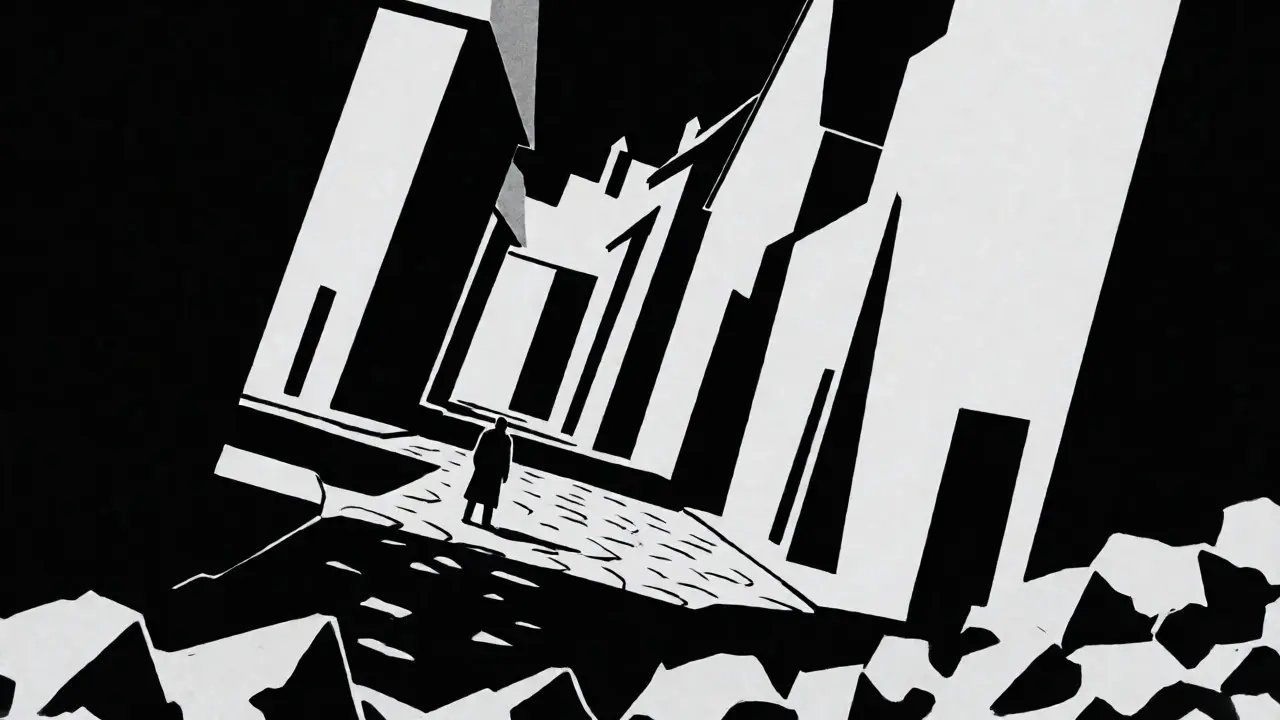
You think you know The Third Man is a 1949 British film noir directed by Carol Reed and written by Graham Greene. You’ve seen the poster. Maybe you’ve heard the zither tune that gets stuck in your head for days. But have you actually watched it with the volume up and the lights off? Most people haven’t. They’ve heard of it, quoted lines from it, or used its shadowy aesthetic as a mood board for their next Halloween party. That’s a shame. Because this isn’t just an old black-and-white movie; it’s a masterclass in tension, geography, and moral ambiguity that still outshines most modern thrillers.
Why does a film set in post-war Vienna, a city divided into four occupation zones, still grip audiences nearly eighty years later? It’s not because of the plot twists, though they are sharp. It’s because Carol Reed didn’t just direct scenes; he choreographed anxiety. He tilted the camera until the world felt unstable. He cast Orson Welles, who wasn’t even supposed to be the star, and let him steal every frame. And he partnered with Graham Greene, whose script treats morality like a broken elevator-stuck between floors, groaning under the weight of too many passengers.
The Anatomy of Post-War Anxiety
Set in November 1948, Vienna was a city physically split by the Iron Curtain. The Danube River ran through it, but so did suspicion. In this environment, Holly Martins, played by Joseph Cotten, arrives expecting a friend. He finds a funeral instead. His childhood pal Harry Lime is dead, run over by a truck. Simple enough? Not in Vienna.
The investigation reveals inconsistencies. Witnesses saw different things. The police seem reluctant to dig deep. This isn’t just a whodunit; it’s a where-is-it-going? The city itself becomes a character. Reed uses the rubble-strewn streets and the massive sewer system beneath them to mirror the hidden corruption above ground. When Martins walks through the sewers, he’s walking through the subconscious of a Europe trying to forget what it did during the war while simultaneously being haunted by it.
Graham Greene’s screenplay doesn’t give you clear heroes. Martins is naive. Major Calloway, the British officer investigating the case, is pragmatic but cold. And Harry Lime? He’s charming, intelligent, and utterly ruthless. Greene understood that in a world stripped of traditional structures, charm could mask evil better than any disguise.
Carol Reed’s Visual Language
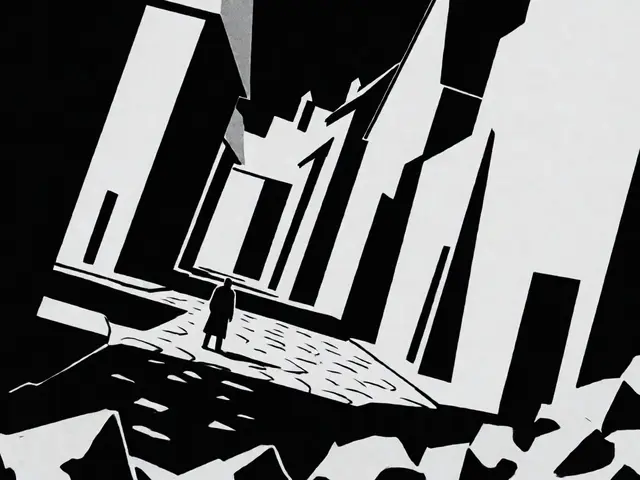
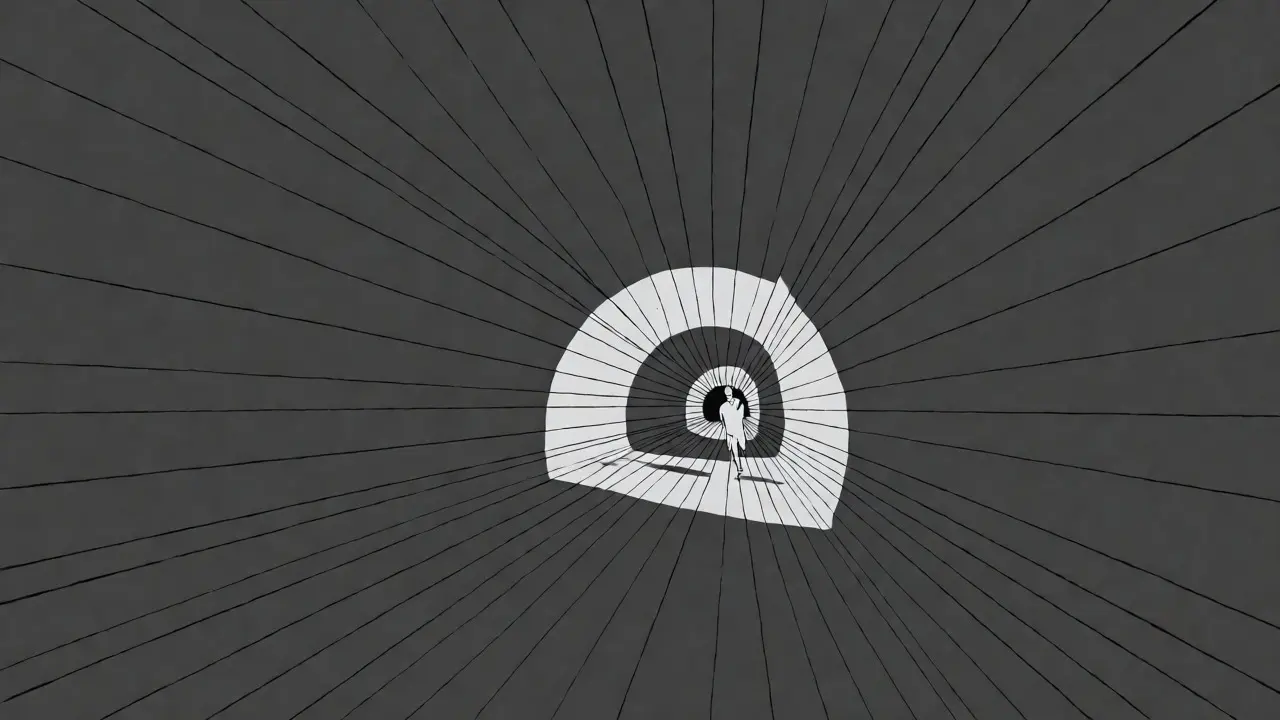
If you take one thing away from watching The Third Man, let it be this: look at the angles. Reed famously used a technique called "Dutch angles," where the camera is tilted on its axis. This makes the horizon line slant. Why do this? To make the viewer feel off-balance. When Martins learns his friend is dead, the street tilts. When he realizes he’s been lied to, the buildings lean in. It’s subtle, but it works on a visceral level. You don’t think, "Oh, the camera is tilted." You think, "Something is wrong here."
Reed also mastered the use of shadows. Unlike American noir, which often relied on studio lighting, Reed shot on location in bombed-out Vienna. The natural light, filtered through smoke and dust, created high-contrast images that felt gritty and real. The famous scene where Lime steps out of a doorway into the light isn’t dramatic because of the acting alone; it’s dramatic because the darkness around him feels alive, threatening to swallow him back up.
| Technique | Description | Narrative Effect |
|---|---|---|
| Dutch Angles | Camera tilted diagonally | Creates psychological unease and instability |
| Location Shooting | Filmed in actual ruins of Vienna | Adds authenticity and tangible decay |
| Chase Sequence | Long-take chase through sewers | Builds claustrophobia and relentless pacing |
| Zither Score | Anton Karas’ folk instrument soundtrack | Provides ironic contrast to dark themes |
The Zither Soundtrack Paradox
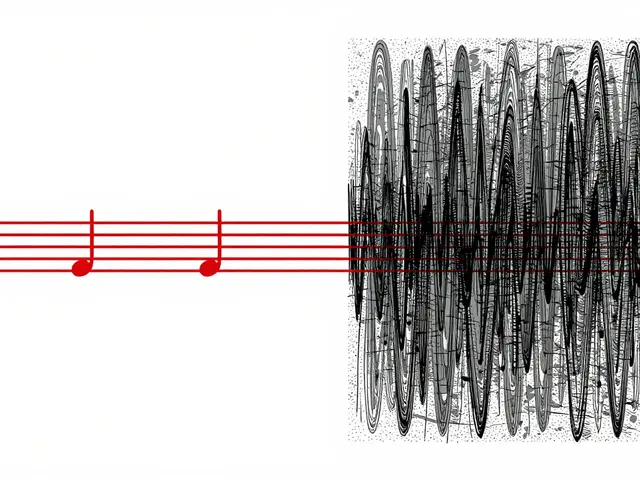
Here’s the weird part: The Third Man has one of the most recognizable soundtracks in cinema history, and it’s completely wrong for the genre. Anton Karas composed the score using a zither, a small stringed instrument common in Austrian folk music. The melody is cheerful, almost jaunty. It sounds like a coffee house in Salzburg, not a murder mystery in a divided city.
Carol Reed initially hated it. He wanted a somber, orchestral score to match the gloom. But when he heard Karas play, he realized something profound. The cheerful music highlights the horror. It suggests that life goes on, indifferent to tragedy. While men die in sewers and children suffer from penicillin shortages, the zither plinks along. It’s ironic, detached, and deeply unsettling. Today, you can’t hear those first few notes without picturing a trench coat and a fedora.
Orson Welles and the Improvised Icon
Orson Welles appears for only about ten minutes in the entire film. Yet, he dominates the conversation. How? By doing very little. Welles reportedly improvised much of his dialogue, including the famous "cuckoo clock" speech. He claimed he had no idea how the character would end up portrayed, so he just played him as a man who had figured everything out and found it boring.
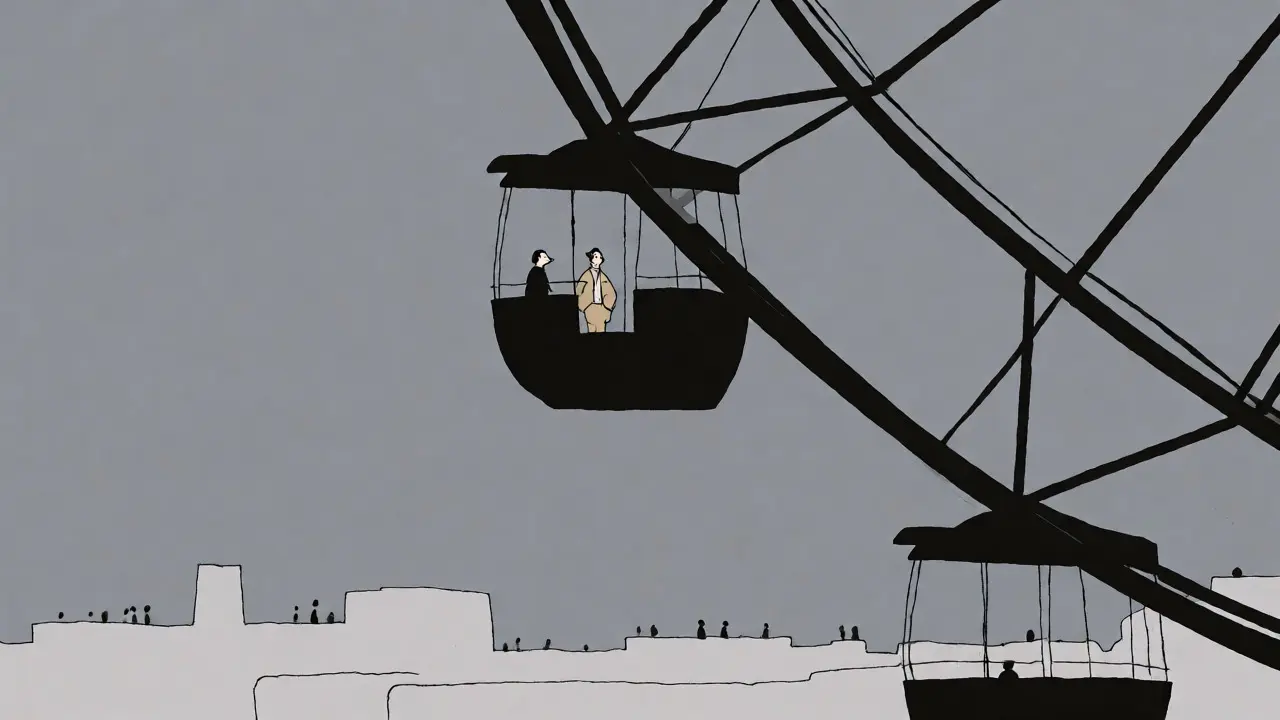
This performance redefined the villain archetype. Before The Third Man, villains were often snarling caricatures. Lime is smooth. He rationalizes his crimes with philosophical ease. He looks down from the Ferris wheel and points at the dots moving below, asking if they matter individually. If you stopped one heart, would anyone notice? It’s a chilling argument because it’s logically consistent within his worldview. Welles brought a gravitas that made you root for the bad guy, or at least understand him.
Moral Ambiguity Over Plot Mechanics
Most thrillers care about the "how." Who killed whom? What was the weapon? The Third Man cares about the "why." And more importantly, the "what now?" The climax isn’t a gunfight; it’s a choice. Martins must decide whether loyalty to a friend outweighs justice for the victims. There is no clean answer. Greene refuses to let the audience off the hook.
The ending, where Anna Schmidt walks past Martins without looking at him, remains one of the most debated moments in film. Is she angry? Is she relieved? Is she simply done? Reed leaves it open. This ambiguity forces the viewer to project their own moral compass onto the screen. Do you forgive Lime? Do you blame Martins? The film doesn’t tell you. It shows you the consequences and lets you sit with the discomfort.
Why It Still Matters Today
We live in an era of information overload, yet we often struggle with truth. The Third Man explores fake news before the term existed. Rumors spread faster than facts. People believe what they want to believe. In Vienna, everyone had a story about Harry Lime’s death. None of them were entirely true. All of them were plausible.
For modern filmmakers, the lesson is clear: atmosphere beats exposition. For viewers, the value lies in recognizing that gray areas aren’t failures of storytelling-they’re reflections of reality. The film doesn’t offer comfort. It offers clarity. Sometimes, clarity hurts. But it’s better than the fog.
Who wrote the screenplay for The Third Man?
The screenplay was written by Graham Greene, based on his own novella published under the same title. However, director Carol Reed significantly altered the structure and tone, making the film distinct from the book.
Is Orson Welles the main character in The Third Man?
No, Joseph Cotten plays Holly Martins, the protagonist. Orson Welles plays Harry Lime, the enigmatic antagonist. Despite having limited screen time, Welles' performance is iconic and often overshadows the lead role in popular memory.
What instrument is used in The Third Man soundtrack?
The soundtrack features the zither, performed by Anton Karas. The music became a global hit, selling millions of copies and becoming synonymous with the film's identity.
Where was The Third Man filmed?
It was filmed on location in Vienna, Austria, shortly after World War II. Many scenes feature actual ruins and debris from the war, adding to the authentic post-apocalyptic atmosphere of the city.
Why are the camera angles tilted in The Third Man?
Director Carol Reed used Dutch angles (tilted cameras) to create a sense of disorientation and moral instability. This visual technique reflects the chaotic state of post-war Europe and the unreliable nature of the narrative.