24
The Perfect Neighbor Review: How Body-Cam Footage Changed Documentary Storytelling
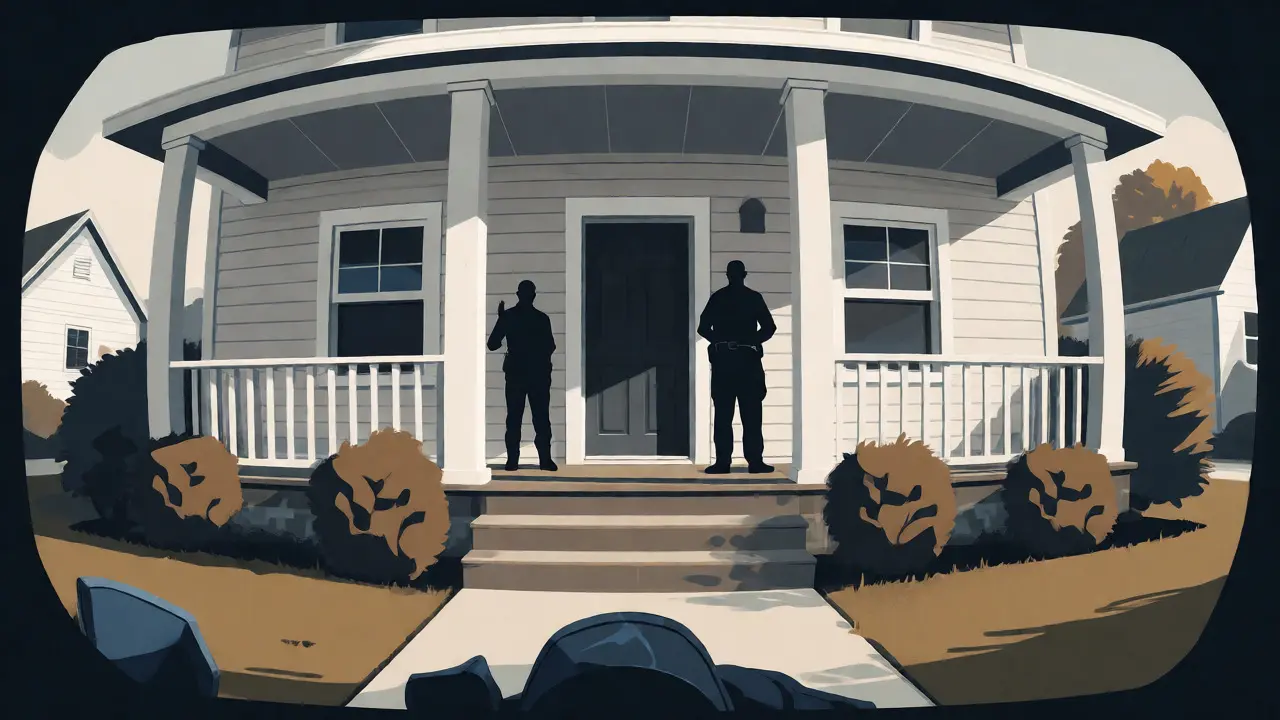
You know that feeling when you watch a documentary and it feels less like a movie and more like you’re standing in the room while things go terribly wrong? That’s exactly what The Perfect Neighbor does. It doesn’t just tell you about a neighborhood dispute; it throws you into the chaotic, terrifying reality of it using raw, unfiltered body-cam footage. This isn’t your typical polished true-crime narrative with slick animations and dramatic reenactments. It’s gritty, immediate, and uncomfortably real.
If you’ve been scrolling through Netflix looking for something that hits hard without dragging on for three hours, this two-part series is worth your time. But why has this specific style become so popular? And does relying on police cameras actually make a story clearer, or just more confusing? Let’s break down how The Perfect Neighbor uses technology to shape its narrative, and what it means for the future of non-fiction storytelling.
The Raw Reality of Body-Cam Narratives
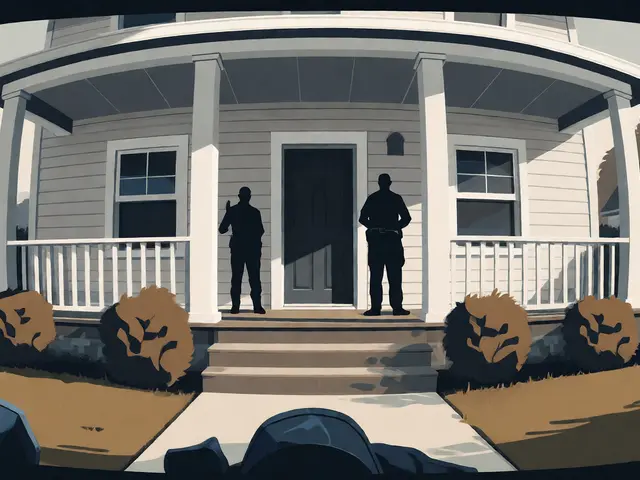
Traditional documentaries rely heavily on interviews. You get the neighbor’s side, the police officer’s side, and maybe an expert’s take. The Perfect Neighbor flips the script. The primary source of truth here is the Axion body camera, worn by the responding officers. This shifts the viewer from an observer hearing hearsay to a participant witnessing events as they unfold in real-time.
This approach creates a visceral tension. You see the confusion. You hear the shouting before you understand why people are shouting. In one particularly tense sequence, the camera shakes violently as an officer backs away from a homeowner holding a shotgun. There’s no musical score telling you how to feel. There’s only the heavy breathing of the officer and the static crackle of the radio. This lack of editorializing forces you to judge the situation yourself, which is both empowering and unsettling.
Using body-cam footage also solves a common problem in true crime: bias. When we only hear one person’s account, we tend to believe them. But video evidence, even shaky and low-resolution video, provides a baseline. It shows us the physical distance between parties, the tone of voice, and the sudden movements that might have triggered a use-of-force response. It strips away the polished narratives neighbors craft after the fact and leaves you with the messy, unedited truth.
Deconstructing the Neighborhood Dispute
The story centers on a conflict in Oklahoma City that escalates from noise complaints to a full-blown standoff involving firearms. At first glance, it seems like a classic case of bad neighbors. But as the body-cam clips accumulate, a different picture emerges. We see a pattern of escalation driven not just by anger, but by systemic failures in how local law enforcement handles domestic disputes.
The documentary highlights the gap between what residents expect from the police and what the police are trained to do. Officers arrive expecting a noise complaint. They leave dealing with a potential homicide. The footage captures their hesitation, their attempts to de-escalate, and the moments where communication completely breaks down. It’s not a black-and-white story of good guys versus bad guys. It’s a gray area where fear, pride, and misunderstanding collide.
What makes this compelling is the human element buried under the chaos. You see the homeowners’ desperation. You see the officers’ stress. The camera doesn’t lie, but it doesn’t explain everything either. It requires the viewer to piece together context from fragmented clips. This active engagement keeps you hooked because you’re constantly asking, "Wait, what led to this moment?"
Why Cinematic Realism Is Taking Over True Crime
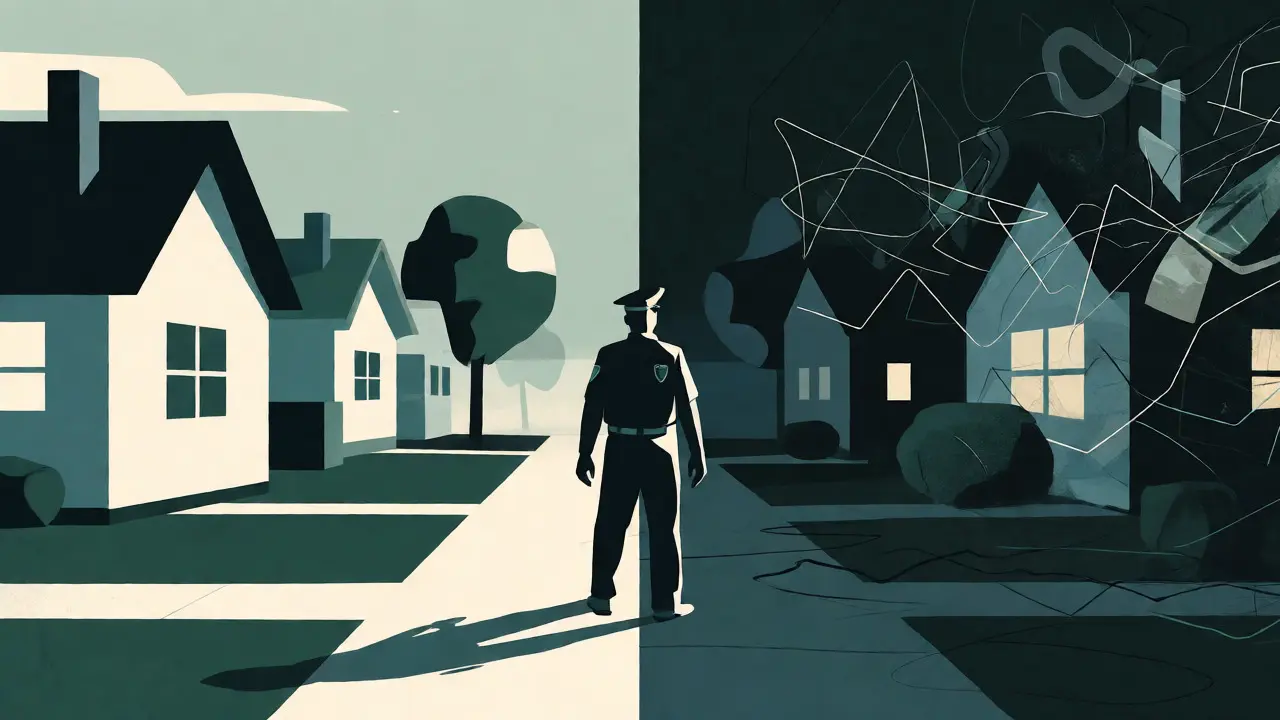
There was a time when true crime meant glossy magazines and sensationalized TV specials. Then came Making a Murderer, which used archival footage to build a long-form mystery. Now, we’re in the era of cinematic realism. Shows like The Perfect Neighbor prove that audiences crave authenticity over polish.
Why does this work? Because our brains process visual immediacy differently than verbal explanation. When you watch a body-cam clip, your mirror neurons fire. You feel the adrenaline spike of the officer. You flinch at the loud noises. This physiological response creates empathy-or judgment-much faster than a talking head interview ever could.
Furthermore, the rise of accessible high-definition recording devices has changed the landscape. Police departments across the US now record millions of hours of interaction annually. Filmmakers are mining this archive for stories that were previously invisible. These aren’t staged scenes; they’re the accidental cinema of everyday life. The grainy quality, the wide-angle distortion, and the audio glitches have become aesthetic choices that signal "truth" to the modern viewer.
| Feature | Traditional Documentary | Body-Cam Style (e.g., The Perfect Neighbor) |
|---|---|---|
| Narrative Source | Interviews, Reenactments, Archival News Clips | Primary Evidence, Real-Time Audio/Video |
| Viewer Role | Passive Observer receiving curated facts | Active Participant interpreting raw data |
| Emotional Impact | Controlled via music and editing pace | Visceral, unpredictable, high-tension |
| Perceived Authenticity | Medium (depends on director's bias) | High (raw footage implies objectivity) |
| Pacing | Structured, linear progression | Fragmented, chronological bursts |
The Ethical Dilemma of Watching Tragedy
While the technique is effective, it raises questions. Are we turning someone’s worst day into entertainment? In The Perfect Neighbor, the subjects didn’t consent to being part of a Netflix hit. They were living their lives, unaware that their interactions were being recorded for posterity. Now, millions of strangers are judging their reactions, their words, and their mistakes.
This voyeuristic aspect is unavoidable. We watch these clips with a sense of superiority, thinking, "I would have handled that better." But would we? The footage shows how quickly situations spiral out of control. It reminds us that most people aren’t villains; they’re just scared, angry, or poorly informed. The documentary doesn’t mock them. It presents the tragedy with a somber respect, letting the weight of the consequences speak for itself.
Consider the legal implications too. Body-cam footage is public record in many jurisdictions, but packaging it for mass consumption changes its context. A clip that serves as evidence in court becomes a viral moment online. The nuance of a legal defense can be lost in a 30-second social media snippet. The Perfect Neighbor manages this balance well by providing enough context to prevent snap judgments, but the tension between privacy and public interest remains palpable.
Production Techniques That Enhance Immersion
You might wonder how filmmakers turn hours of shaky video into a coherent two-part series. It’s not just about cutting clips. It’s about sound design and pacing. Notice how the audio is often muffled or distorted. That’s intentional. By keeping the audio raw, the editors force you to lean in. You strain to hear a whispered threat or a distant siren. This auditory intimacy makes the experience immersive.
They also use text overlays sparingly. Instead of a narrator explaining every move, simple captions identify who is speaking or note the time elapsed. This minimalist approach respects the viewer’s intelligence. It trusts that you can follow the action without being spoon-fed information. The result is a tight, efficient narrative that wastes no time on exposition.
Another clever trick is the juxtaposition of calm and chaos. One minute, you’re watching a mundane traffic stop. The next, the camera swings wildly as an officer draws a weapon. This abrupt transition mimics the shock experienced by those involved. It prevents the viewer from getting comfortable, maintaining a low-level anxiety throughout the runtime.
Final Verdict: Who Should Watch?
If you enjoy psychological thrillers where the horror comes from human behavior rather than supernatural elements, The Perfect Neighbor delivers. It’s short, punchy, and leaves you thinking long after the credits roll. However, if you prefer clear-cut heroes and villains, you might find the ambiguity frustrating. This story refuses to give you easy answers.
It’s also a great watch for anyone interested in criminal justice reform. It illustrates the pressures faced by patrol officers and the complexities of community policing. For casual viewers, it’s a gripping tale of escalation gone wrong. For students of film, it’s a masterclass in using found footage to drive narrative.
Ultimately, the power of The Perfect Neighbor lies in its honesty. It doesn’t try to sell you a moral lesson. It just shows you what happened, warts and all. And sometimes, that’s the most powerful story you can tell.
Is The Perfect Neighbor based on a true story?
Yes, it is entirely factual. The documentary relies exclusively on actual body-camera footage recorded by Oklahoma City police officers during a real-life dispute between neighbors in 2018. There are no actors or reenactments.
How many episodes are in The Perfect Neighbor?
The series consists of two parts. Each episode runs approximately 45 minutes, making it a quick binge-watch compared to longer true-crime docuseries.
Why does the video quality look poor?
The footage comes from Axion body cameras, which prioritize durability and battery life over high-definition aesthetics. The graininess, wide-angle lens distortion, and occasional audio clipping are inherent to the recording equipment used by law enforcement.
Does the documentary take sides in the dispute?
The documentary aims for neutrality by presenting raw footage. While viewers may sympathize with certain individuals based on their behavior in the clips, the filmmakers avoid explicit commentary or interviews that would dictate a single perspective.
Where can I watch The Perfect Neighbor?
As of late 2024, the documentary is available for streaming exclusively on Netflix. Availability may vary by region due to licensing agreements.