9
How to Share Streaming Subscriptions Legally Without Violating Terms
You’ve probably done it. You gave your partner, sibling, or best friend your login details for Netflix, a major global streaming platform that allows users to watch movies and TV shows on demand.. It feels like a harmless favor. But since 2023, the landscape has shifted dramatically. Major platforms have tightened their grip on account sharing, turning what was once a casual habit into a potential violation of their Terms of Service (ToS).
If you want to save money without risking account suspension or unexpected fees, you need to understand the difference between illegal hacking and legitimate family plans. This guide breaks down exactly how to share subscriptions legally in 2026, focusing on the specific rules set by the biggest players in the industry.
The Shift from 'Household' to 'Home' Definitions
To share legally, you first need to understand what the providers actually mean by "sharing." For years, most people assumed that as long as they weren't selling their account, sharing was fine. That assumption is now outdated.
Most major services, including Disney+ and Hulu, define a single household based on internet protocol (IP) addresses and device IDs. If two devices log in from significantly different locations frequently, the system flags the account. The key legal distinction lies in whether the people using the account are part of the same domestic unit or if they are separate entities paying for one seat.
Legally, you can share with anyone who lives in your primary residence. This includes roommates, partners, and family members under the same roof. The moment someone uses the account primarily from a different address, you enter a gray area that most Terms of Service explicitly prohibit unless you upgrade to a specific multi-household plan.
Official Family Plans: The Safe Route
The only way to guarantee you aren't violating terms is to use the official multi-user or family tiers offered by these platforms. These plans are designed specifically for groups who may not always be in the same room, but often still within the same general geographic area or extended family network.
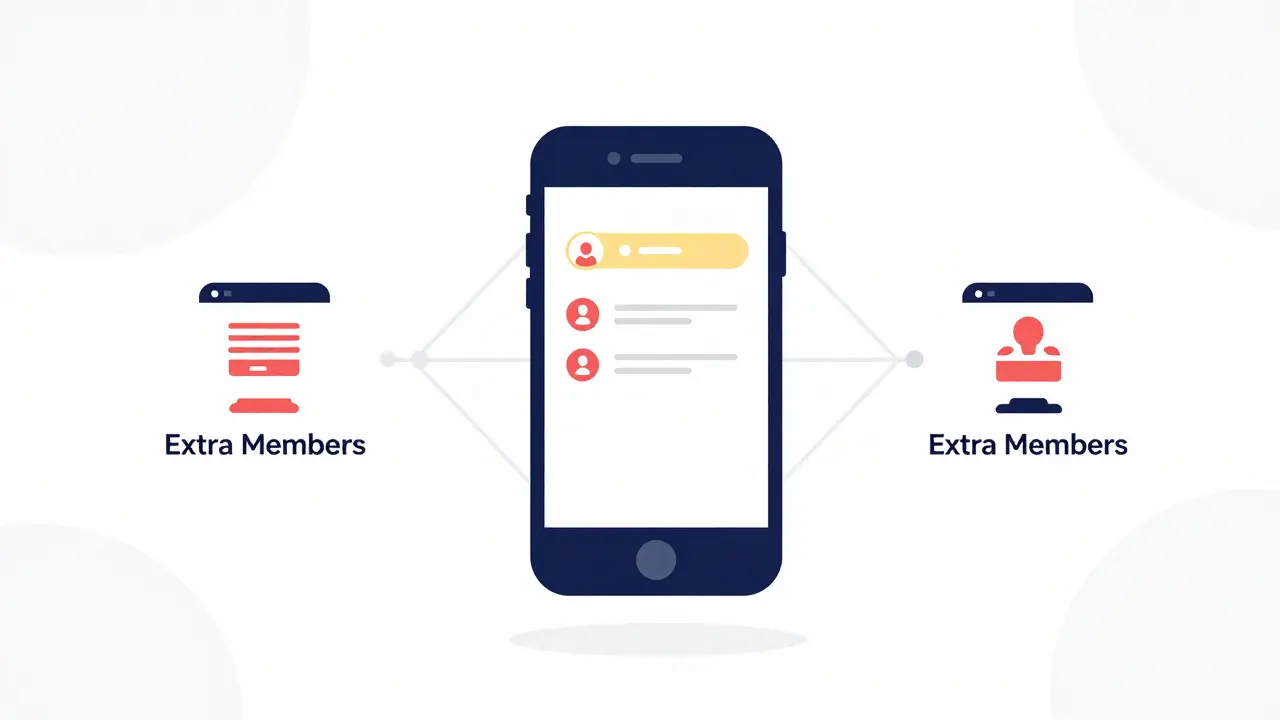
- Netflix Premium: Allows up to four simultaneous streams. While they cracked down on external sharing, they introduced "Extra Members" slots. You can invite up to two additional people outside your household for a monthly fee. This is a licensed sub-account linked to your main profile.
- Disney+ Bundle: Offers a tier that includes Disney+, Hulu, and ESPN+. Their policy generally permits sharing within a single household, but their enforcement has been less aggressive than Netflix's regarding occasional off-premises use by immediate family.
- Amazon Prime Video: Part of the broader Amazon Prime membership. It allows for "X-Ray" features and multiple profiles. Crucially, Amazon permits sharing within the same household, but also offers a feature called "Amazon Household" which allows two adults, their kids, and teens to share benefits digitally.
These options cost more than a basic individual plan, but they eliminate the risk of being asked to re-verify your identity or having your stream interrupted because the system detected a new location.
| Service | Plan Type | Max Users | Sharing Scope | Legal Status |
|---|---|---|---|---|
| Netflix | Premium + Extra Members | 4 Streams + 2 External | Household + Invited Guests | Fully Compliant |
| Disney+ | Premium Tier | 4 Profiles | Single Household | Compliant (Strict) |
| Amazon Prime | Prime Membership | Unlimited Profiles | Amazon Household (2 Adults) | Fully Compliant |
| HBO Max (Max) | Premium Plan | 3 Simultaneous Streams | Single Household | Compliant (Strict) |
Understanding 'Extra Member' Slots
In 2025 and 2026, several platforms moved away from banning sharing entirely and instead monetized it. This is the most important concept for legal sharing. Instead of letting you give your password to a cousin who lives across town, services like Netflix allow you to add them as an "Extra Member."
Here is how it works:
- You go to your account settings.
- Select "Manage Extra Members" or similar wording.
- Enter the email address of the person you want to share with.
- They receive an invitation to create their own login credentials.
- You pay a small monthly fee per extra member (usually around $4.99-$7.99 depending on the region).
This method is fully legal because the platform acknowledges the secondary user. They get their own profile, recommendations, and download capabilities. It costs more than doing nothing, but it is far cheaper than buying a second full subscription, and it keeps everyone out of trouble with the Terms of Service.
The Gray Area: Roommates and Partners
What about people who live with you but aren't related? The answer depends on the provider. For most services, a roommate counts as part of the "household" if they regularly access the service from the same IP address. This means you can safely share your standard plan with a roommate without upgrading.
However, complications arise when that roommate travels. If your roommate watches shows at their parents' house every weekend, the algorithm might flag this as unauthorized sharing. To mitigate this, ensure that the primary usage happens at the shared residence. Most platforms allow for some flexibility, recognizing that humans travel. As long as the "home" network remains the primary anchor for the account, occasional external use is rarely penalized.
Common Pitfalls to Avoid
Even with good intentions, many users accidentally violate terms. Here are the most common mistakes:
- Public Wi-Fi Usage: Logging into your home account from a coffee shop or airport Wi-Fi network frequently can trigger security alerts. The system sees a sudden change in location and may require a verification code sent to your phone.
- Device Limits: Every plan has a limit on how many registered devices can be active. If you share your password with five friends, and they all register their phones and tablets, you will hit the device cap. Unregister old devices regularly to stay compliant.
- Selling Access: Never sell your login details. Even if you find a loophole, selling access is a clear breach of contract and can lead to permanent bans. Stick to gifting or official extra-member invites.

Regional Differences in Enforcement
It is worth noting that enforcement varies by country. In Australia, where consumer protection laws are strong, some providers have faced scrutiny over aggressive crackdowns. However, the Terms of Service remain global contracts. Just because a neighbor isn't getting banned doesn't mean it's officially allowed. Always check the specific regional help pages for your service provider to see if there are local nuances to the household definition.
For example, in some European markets, regulations have forced companies to be more lenient with cross-border sharing for citizens moving between countries. In contrast, North American markets tend to enforce strict IP-based household checks. Understanding your local context helps you gauge the real-world risk versus the theoretical rule.
Alternatives to Password Sharing
If the cost of official sharing plans is still too high, consider these legal alternatives that don't involve violating Terms of Service:
- Ad-Supported Tiers: Many services now offer cheaper, ad-supported plans. While you have to watch commercials, the lower price point makes it easier for individuals to afford their own accounts, reducing the need to share.
- Bundled Internet Packages: Some internet service providers (ISPs) bundle streaming subscriptions with broadband packages. Check with your ISP to see if you already have access to a free trial or included subscription through your internet bill.
- Library Services: In many regions, public libraries offer free access to digital streaming platforms like Kanopy or Hoopla. These are completely legal, free, and support independent films and documentaries.
By exploring these options, you can reduce your reliance on password sharing while staying within the bounds of the law and platform rules.
Final Thoughts on Compliance
Sharing streaming subscriptions used to be a wild west scenario. Today, it is a regulated marketplace. The days of giving your password to anyone are over if you want to keep your account safe. By utilizing official family plans, extra member slots, and understanding household definitions, you can continue to enjoy content with loved ones without fear of interruption.
The goal is balance. Pay a little more for peace of mind, or stick strictly to those under your roof. Either way, reading the fine print is no longer optional-it is essential for keeping your entertainment uninterrupted.
Is it illegal to share my Netflix password?
It is not criminal illegal, but it is a civil violation of the Terms of Service. Netflix can suspend your account or force you to pay for additional slots if they detect consistent usage from outside your household.
Can I share my Disney+ account with my boyfriend who lives elsewhere?
Technically, no. Disney+ defines a household by IP address. Unless he is added as an official extra member (if available in your region) or you both move in together, his regular use from another location violates the terms.
How do streaming services know if I am sharing?
They track IP addresses, device IDs, and login patterns. If multiple devices consistently log in from different geographic locations, the system flags the account for review.
What happens if I get caught sharing illegally?
Usually, you will receive a notification asking you to verify your account. You may be prompted to upgrade to a plan that supports more users or remove external devices. Repeated violations can lead to account suspension.
Are ad-supported plans cheaper than sharing?
Often, yes. An ad-supported individual plan is usually close in price to adding an "extra member" slot. For some users, paying for their own ad-tier account is simpler and safer than managing shared logins.