11
Ava DuVernay’s Impact: Documentary, Narrative, and Activism
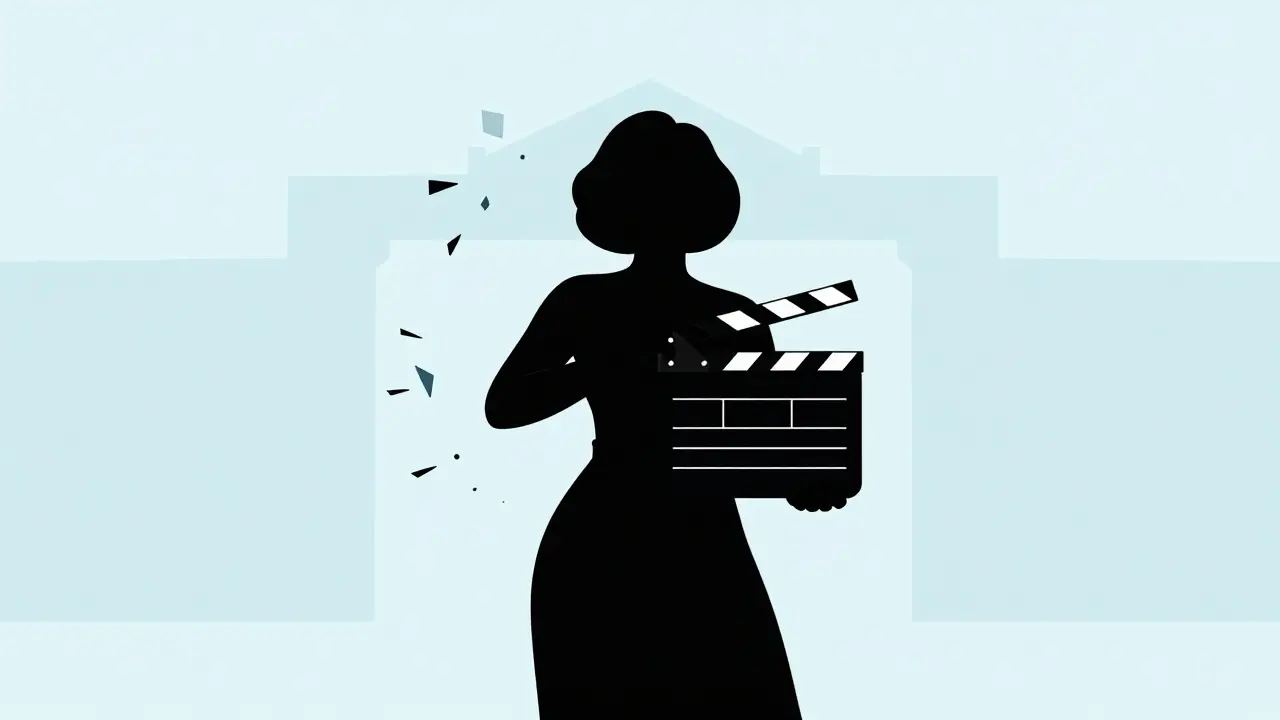
When Ava DuVernay is an American filmmaker known for her work in documentary, narrative features, and television series that center on Black experiences and social justice issues, she isn't just directing movies. She is rewriting the rules of who gets to tell stories and how those stories are distributed. Before her breakthrough, the industry operated under a rigid gatekeeping system. Now, thanks to her strategic approach to production and distribution, a new model exists.
You might know her from 13th, which exposed the prison-industrial complex, or A Wrinkle in Time, which brought diversity to mainstream family entertainment. But her impact goes deeper than any single title. It lies in the infrastructure she built-specifically through her production company, ARRAYENTertainment, which is a media company founded by Ava DuVernay focused on creating content that reflects diverse perspectives and supporting emerging filmmakers. This structure allows her to bypass traditional studio bottlenecks and deliver content directly to audiences who have been historically underserved by Hollywood.
The Documentary Breakthrough: 13th and Systemic Change
DuVernay’s shift into documentary filmmaking marked a pivotal moment in her career and in the broader landscape of political cinema. Her 2016 film, 13th is a documentary film that examines the intersection of race, justice, and mass incarceration in the United States. The title refers to the Thirteenth Amendment to the U.S. Constitution, which abolished slavery except as punishment for a crime. This loophole, she argues, has been exploited to perpetuate racial inequality through the criminal justice system.
What made 13th so effective wasn't just its subject matter, but its accessibility. DuVernay didn’t make it for academics; she made it for everyone. By releasing it on Netflix, she ensured millions of viewers could engage with complex legal and historical arguments without leaving their homes. The film features interviews with scholars like Michelle Alexander, whose book The New Jim Crow provided the theoretical backbone for the documentary. It also includes voices from activists, politicians, and formerly incarcerated individuals, creating a multi-layered narrative that challenges viewers to reconsider their understanding of freedom and justice.
The success of 13th proved that documentaries could be both critically acclaimed and commercially viable. It sparked national conversations about policing, sentencing laws, and voter suppression. More importantly, it demonstrated that data-driven storytelling, when paired with emotional resonance, can drive real-world awareness and action.
Narrative Storytelling: Centering Black Lives in Mainstream Cinema
While 13th tackled systemic issues head-on, DuVernay’s narrative films explore the personal and cultural dimensions of Black life. Her feature debut, Middle of Nowhere is a 2012 independent drama film directed by Ava DuVernay about a woman whose husband is sent to prison. premiered at Sundance and won the Grand Jury Prize. It was a quiet, intimate story about love, resilience, and the collateral damage of mass incarceration. At a time when Black narratives were often limited to trauma or stereotype, this film offered nuance and dignity.
She followed this with Selma is a 2014 historical drama film directed by Ava DuVernay about the 1965 voting rights marches led by Martin Luther King Jr.. This film brought attention to a lesser-known chapter of the Civil Rights Movement. By focusing on Dr. King as a husband and father, not just a leader, DuVernay humanized him in a way that resonated with modern audiences. The film earned multiple Academy Award nominations, including Best Picture, marking a significant milestone for Black-led historical epics.
Then came A Wrinkle in Time is a 2018 fantasy adventure film based on Madeleine L'Engle's novel, featuring a predominantly Black and diverse cast. While it received mixed reviews, its significance lay in representation. For years, children’s fantasy films excluded Black protagonists. DuVernay insisted on casting Storm Reid as Meg Murry, proving that blockbuster franchises could reflect the diversity of the world they’re set in. This decision opened doors for future projects to prioritize inclusive casting without sacrificing box office potential.
Building Infrastructure: ARRAYENTertainment and Collective Power
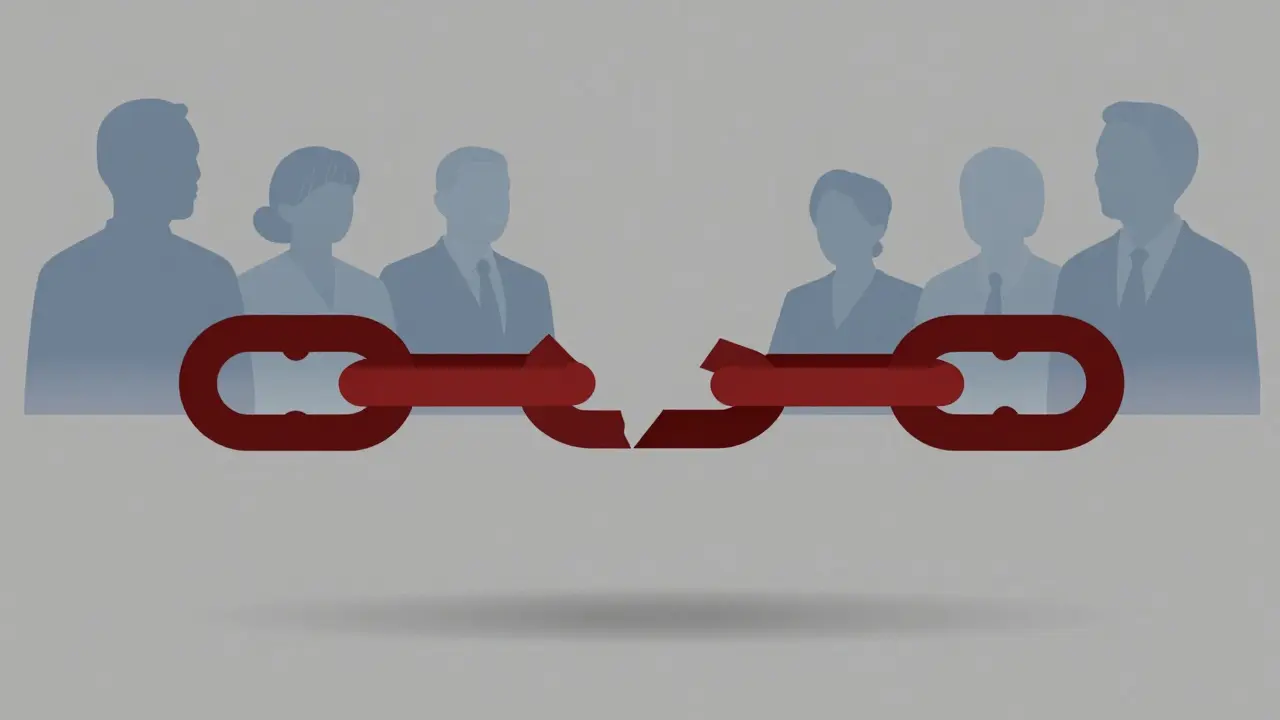
One of DuVernay’s most profound contributions is her commitment to building sustainable structures for other creators. Through ARRAYENTertainment, she operates as a production company that develops film, television, and digital content while advocating for equity in the entertainment industry. Unlike traditional studios that extract value from marginalized communities, ARRAY operates as a collective. It supports emerging filmmakers, particularly women and people of color, by providing resources, mentorship, and distribution channels.
This model challenges the notion that success must come at the expense of others. Instead, DuVernay believes in lifting as you climb. ARRAY has produced shows like Queen Sugar is a television series created by Ava DuVernay that follows three siblings managing a sugar plantation in Louisiana while navigating family dynamics and racial identity. Running for six seasons on OWN, the show centered Black joy, land ownership, and intergenerational healing. It ran longer than many network dramas because it cultivated a loyal audience that felt seen and respected.
ARRAY also launched initiatives like the ARRAY Film Festival, which showcases works by underrepresented directors. These efforts create pipelines for talent that traditional gatekeepers often overlook. By controlling development, production, and distribution, DuVernay ensures that creative vision remains intact and that profits benefit the community rather than external corporations.
Activism Beyond the Screen: Advocacy and Institutional Change
DuVernay’s activism extends beyond her films. She uses her platform to advocate for policy changes, educational reform, and economic justice. In 2020, amid global protests against police brutality, she organized virtual town halls and fundraising campaigns to support mutual aid organizations. She partnered with groups like Color of Change and Dream Defenders to amplify grassroots movements.
She also focuses on education. Through her work with the Academy Museum of Motion Pictures, she helped establish programs that preserve Black film history. The museum’s exhibition Black Filmmakers in Focus highlighted pioneers like Oscar Micheaux and Gordon Parks, ensuring their contributions are recognized alongside white counterparts. This archival work combats erasure and provides context for contemporary creators.
Her advocacy isn’t performative. It’s integrated into her business practices. ARRAY commits a portion of its revenue to social justice causes. She mentors young filmmakers through workshops and fellowships. She speaks openly about mental health, burnout, and the importance of rest in activist work. This holistic approach makes her influence more durable than any single viral moment.
| Project | Type | Year | Primary Focus | Cultural Significance |
|---|---|---|---|---|
| Middle of Nowhere | Feature Film | 2012 | Personal impact of incarceration | First major indie hit by a Black woman director in decades |
| 13th | Documentary | 2016 | Mass incarceration and racial justice | Sparked national debate on criminal justice reform |
| Selma | Feature Film | 2014 | Voting rights movement | Brought Civil Rights history to mainstream audiences |
| Queen Sugar | TV Series | 2016-2022 | Black family, land ownership, healing | Longest-running scripted series by a Black woman creator |
| A Wrinkle in Time | Feature Film | 2018 | Diverse casting in fantasy genre | Challenged norms of who belongs in blockbuster roles |
Legacy and Future Directions
DuVernay’s legacy isn’t defined by awards alone, though she has received numerous honors, including an Emmy, a Peabody, and multiple NAACP Image Awards. It’s defined by the ecosystems she builds. She proves that art and activism aren’t separate-they’re intertwined. Every frame she shoots carries political weight. Every contract she negotiates sets a precedent.
As streaming platforms continue to dominate content consumption, DuVernay’s model offers a blueprint for ethical distribution. She shows that profitability doesn’t require exploitation. That creativity thrives when given space. And that representation matters-not as a checkbox, but as a foundation for authentic storytelling.
Looking ahead, her next projects will likely continue pushing boundaries. Whether exploring climate justice, indigenous rights, or global diasporas, she’ll bring the same rigor and compassion. For aspiring filmmakers, her journey is proof that you don’t need permission to start. You just need a camera, a voice, and the courage to speak truth to power.
What is Ava DuVernay best known for?
Ava DuVernay is best known for directing the documentary 13th, the historical drama Selma, and the TV series Queen Sugar. She is also recognized for founding ARRAYENTertainment, a production company dedicated to amplifying diverse voices in film and television.
How did 13th influence public discourse on criminal justice?
13th influenced public discourse by connecting historical slavery to modern mass incarceration through the Thirteenth Amendment loophole. Its release on Netflix allowed widespread access, sparking conversations among policymakers, educators, and general audiences about racial bias in the justice system.
Why is ARRAYENTertainment significant in the film industry?
ARRAYENTertainment is significant because it operates as a collective that prioritizes equity, ownership, and community investment. It provides resources for underrepresented filmmakers and controls the entire production pipeline, ensuring creative integrity and financial sustainability.
What role does Ava DuVernay play in preserving Black film history?
DuVernay serves on the board of the Academy Museum of Motion Pictures and helped curate exhibitions highlighting Black filmmakers like Oscar Micheaux and Gordon Parks. Her work ensures these pioneers are included in the official canon of cinema history.
How does DuVernay balance artistic expression with activism?
She views them as inseparable. Her films address social issues directly, such as racism in Selma or incarceration in 13th. Outside of filming, she engages in policy advocacy, funds grassroots organizations, and creates educational programs, making activism a core part of her professional identity.