18
Global Horror Spotlight: Analyzing South Korean, Indonesian, and Mexican Scares
Western audiences often get stuck in a loop of slasher movies and haunted houses. But if you look past the Hollywood blockbusters, some of the most psychologically disturbing and culturally rich horror films are coming from Asia and Latin America. These regions don't just copy Western tropes; they build their own distinct rules for fear based on local folklore, social pressures, and historical trauma.
This article breaks down three specific horror traditions: South Korea, Indonesia, and Mexico. We will look at what makes each one unique, why they scare different parts of your brain, and how they differ from the standard jump-scare formula you might be used to.
Why Regional Horror Matters
Fear is universal, but its source is local. A ghost that haunts a school in Seoul feels different than a spirit possessing a body in Jakarta or a demon lurking in a desert town in Oaxaca. This difference comes from the cultural context surrounding the supernatural.
In many Western films, the monster is an external threat. In these three regions, the monster is often internal or societal. The horror isn't just about dying; it's about losing your identity, your family honor, or your place in the community. Understanding this shift helps you appreciate the nuance in these films rather than just reacting to the loud noises.
South Korea: The Weight of Social Pressure
South Korean horror is famous for its slow burn and psychological depth. If you have seen Psycho-Make-Up or The Wailing, you know the style. It rarely relies on gore alone. Instead, it uses atmosphere, silence, and the crushing weight of social expectations.
A key element here is the concept of han. This is a difficult-to-translate term referring to a deep-seated feeling of resentment, sorrow, and unresolved grief. Many Korean horror films channel han into ghosts who died unjustly or were ignored by society. The ghost doesn't just want revenge; it wants acknowledgment.
- Social Hierarchy: Fear often stems from breaking social rules, such as failing exams or disappointing parents.
- Modern vs. Traditional: Films frequently contrast high-tech urban life with ancient rural rituals.
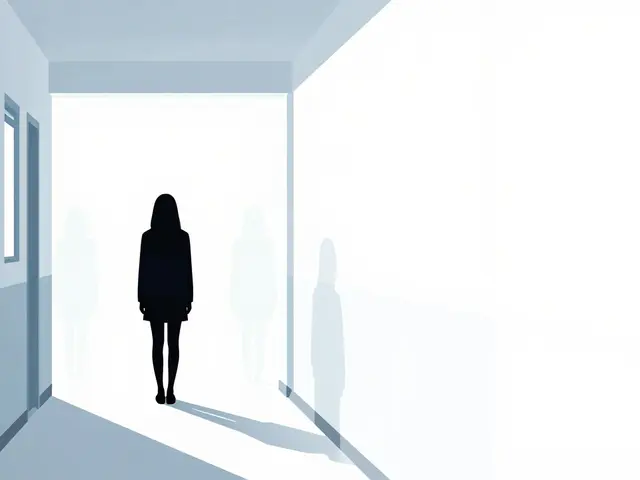
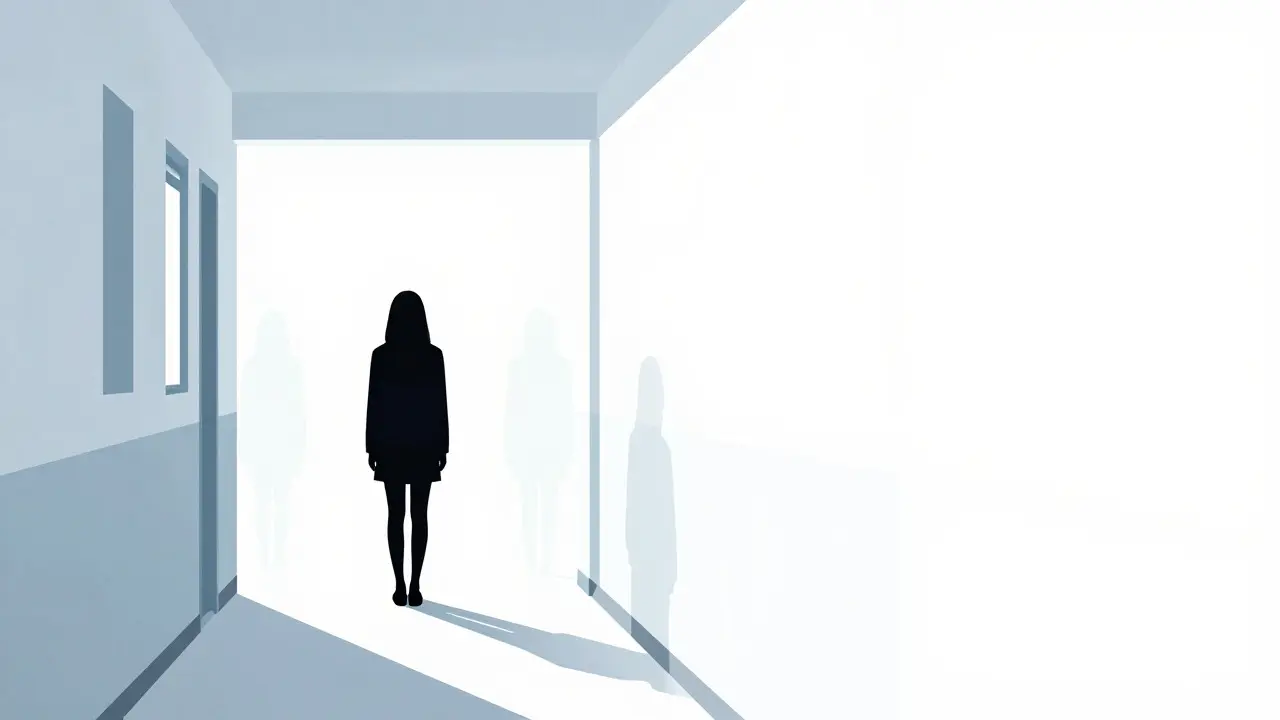
- Subtle Dread: The scariest moments are often quiet conversations or empty hallways, not explosions.
For example, in the film Whispering Corridors, the setting is a strict all-girls boarding school. The horror comes from the oppressive environment where students must conform perfectly. The ghosts are manifestations of that pressure. This makes the fear relatable to anyone who has felt trapped by societal expectations.
Indonesia: Folklore Meets Modernity
Indonesian horror takes a different approach. It is often more visceral and directly tied to Javanese folklore. The country has a rich tradition of jinn, spirits, and ancestral worship. When these elements collide with modern city life, you get a unique blend of traditional superstition and contemporary anxiety.
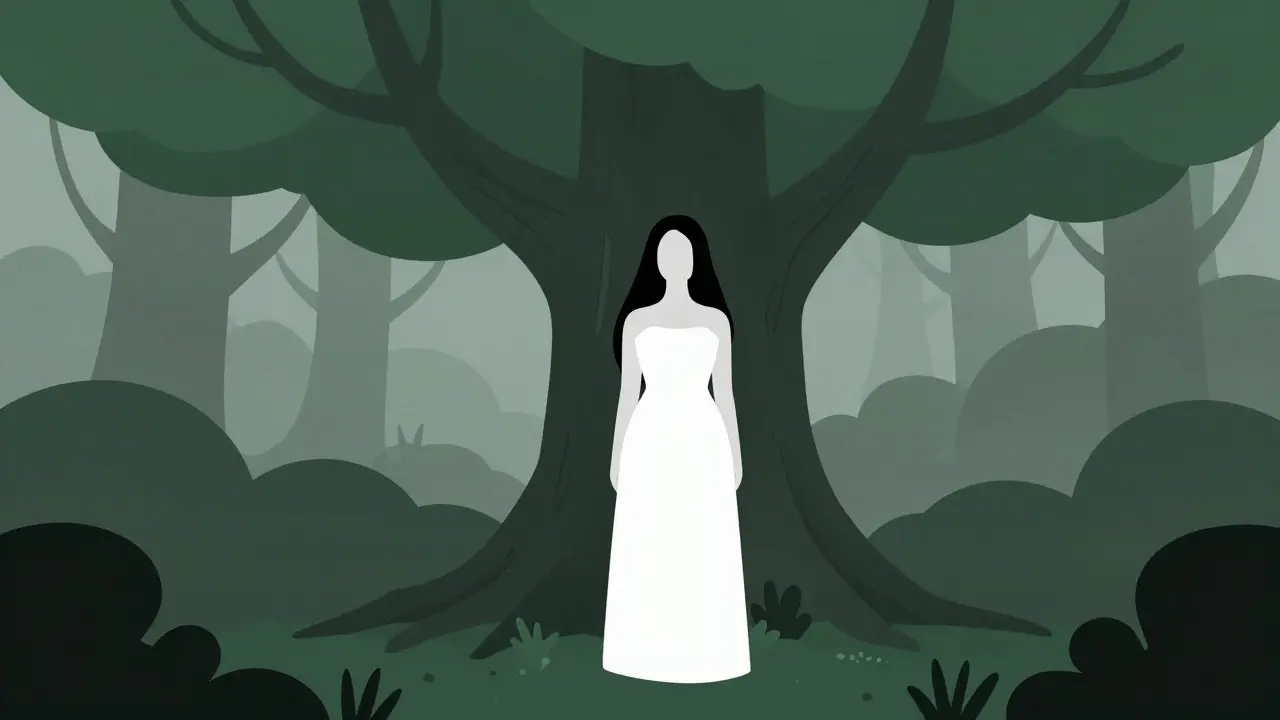
The most iconic entity in Indonesian horror is the Kuntilanak. She is a female ghost, usually depicted with long black hair covering her face and wearing a white dress. Legend says she died tragically during childbirth or was betrayed by a lover. Unlike Western vampires, the Kuntilanak is bound to a specific location, often a banyan tree or a remote house.
Indonesian films like Perempuan Dalam Kabut (The Woman in the Mist) or recent hits like Ivanna use these legends to explore themes of betrayal and hidden sins. The horror is personal. If you keep secrets, the spirit knows. If you disrespect the land, the spirit punishes you.
| Entity | Origin | Primary Fear Trigger | Weakness |
|---|---|---|---|
| Kuntilanak | Indonesia (Javanese) | Betrayal, death in childbirth | Iron, sacred water, reciting prayers |
| Gumiho | South Korea | Seduction, loss of soul | Fire, knowing her true form |
| Pocong | Malaysia/Indonesia | Impatience, burial rites | Complete burial, patience |
Notice how the weaknesses are specific. You can't just shoot a Kuntilanak with a gun. You need to understand the cultural rules. This specificity adds layers to the storytelling that generic monsters lack.
Mexico: La Leyenda de la Llorona and Beyond
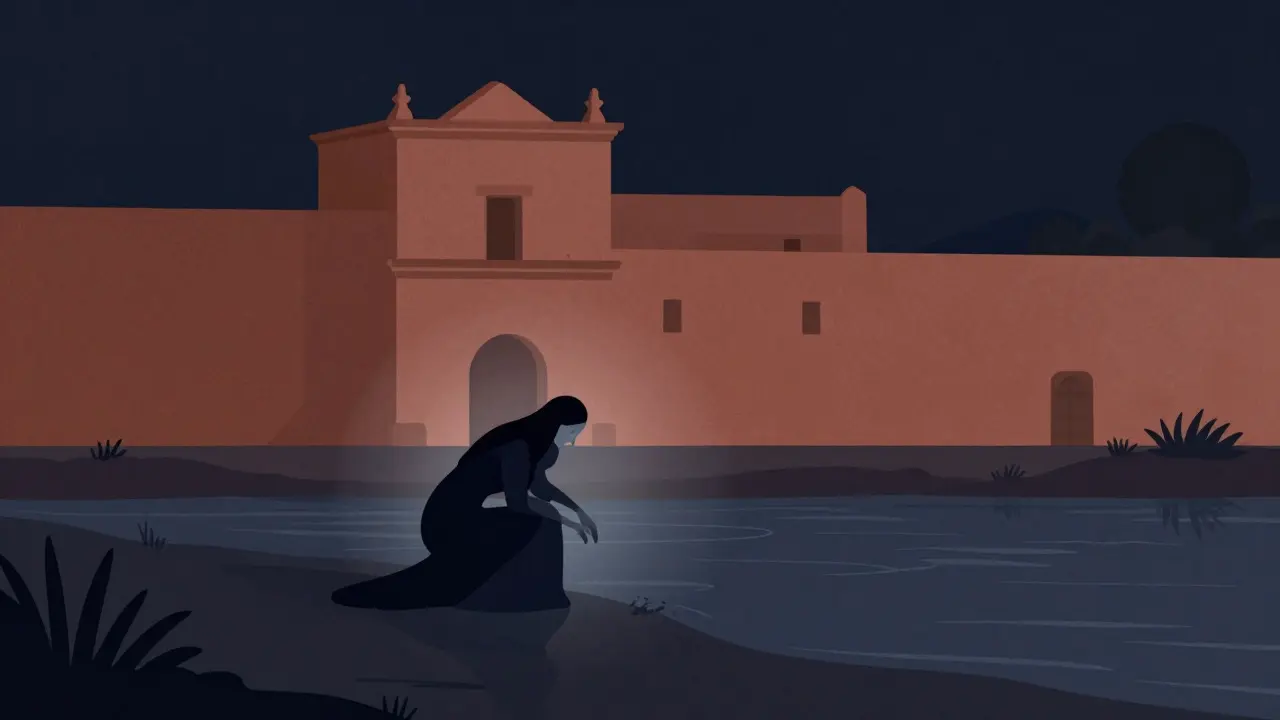
Mexican horror is deeply rooted in Catholicism and pre-Columbian myths. The most famous figure is La Llorona, the weeping woman. She wanders the rivers looking for her children, whom she drowned in a fit of rage or despair. If you hear crying near water at night, you are in danger.
However, Mexican horror isn't just about old legends. Recent films have explored the "New World" horror, blending indigenous beliefs with modern crime and corruption. The desert settings in northern Mexico add a sense of isolation that is hard to replicate in other regions. The heat, the dust, and the vast emptiness create a sensory experience that heightens tension.
Films like El Orfanato (though Spanish, it influenced the region) or La Casa del Caracol show how architecture plays a role. Colonial-era buildings with thick walls and hidden passages provide natural hiding spots for both characters and spirits. The design of the space becomes a character in itself.
- Religious Syncretism: Saints and demons coexist in the same narrative space.
- Family Dynamics: Family secrets are often the source of the curse.
- Landscape as Character: Deserts, jungles, and colonial cities shape the pacing of the fear.
Comparing the Three Styles
When you put these three styles side by side, clear differences emerge. Each region uses horror to comment on its own society.
South Korea uses horror to critique conformity. Indonesia uses horror to enforce moral order. Mexico uses horror to explore history and guilt. While they all make you jump, the underlying message is different. This is why international audiences find them so compelling. They offer a window into how people in these cultures process trauma and fear.
If you prefer slow, psychological dread, start with South Korean films. If you want vivid, folklore-driven scares with strong visual imagery, try Indonesian cinema. If you are interested in atmospheric, historically grounded stories, Mexican horror is the way to go.
How to Watch Global Horror
You don't need to be fluent in Korean, Indonesian, or Spanish to enjoy these films. Most are available with subtitles on major streaming platforms. Here are a few tips to get the most out of them:
- Read the Background: Spend five minutes reading about the specific folklore referenced in the movie. Knowing who the Kuntilanak is changes how you view her scenes.
- Watch the Atmosphere: Pay attention to the sound design. Non-Western horror often uses ambient sounds (wind, water, distant chanting) rather than sudden loud noises.
- Look for Symbolism: Objects like mirrors, trees, or water often carry symbolic weight. Don't ignore them.
By approaching these films with curiosity rather than just seeking thrills, you unlock a richer viewing experience. You aren't just watching a scary movie; you are studying a culture's relationship with the unknown.
Frequently Asked Questions
What is the main difference between South Korean and Western horror?
South Korean horror focuses on psychological pressure and social conformity, often using silence and atmosphere. Western horror frequently relies on explicit violence, jump scares, and external monsters. Korean films tend to be slower-paced and more emotionally complex.
Who is the Kuntilanak in Indonesian horror?
The Kuntilanak is a female ghost in Javanese folklore, typically depicted with long black hair and a white dress. She is believed to die tragically, often during childbirth or due to betrayal. She is bound to a specific location and seeks revenge on those who wronged her.
Is La Llorona real or just a myth?
La Llorona is a legendary figure in Mexican and broader Latin American folklore. While there is no scientific proof of her existence, the story has roots in historical tragedies involving mothers and children. In cinema, she serves as a symbol of maternal grief and warning.
Do I need to speak the language to enjoy these films?
No. Subtitles are widely available for popular titles from all three countries. The visual storytelling, sound design, and acting convey the emotion effectively even without understanding every word of dialogue.
Which regional horror is the scariest?
This depends on personal preference. South Korean horror is scariest for those who fear social judgment and isolation. Indonesian horror is intense for fans of folklore and possession. Mexican horror is effective for those who find atmospheric, historical settings unsettling. There is no single 'scariest' region.