10
Best Time to Subscribe to Streaming Services for Maximum Savings
The Golden Window: Black Friday and Cyber Monday
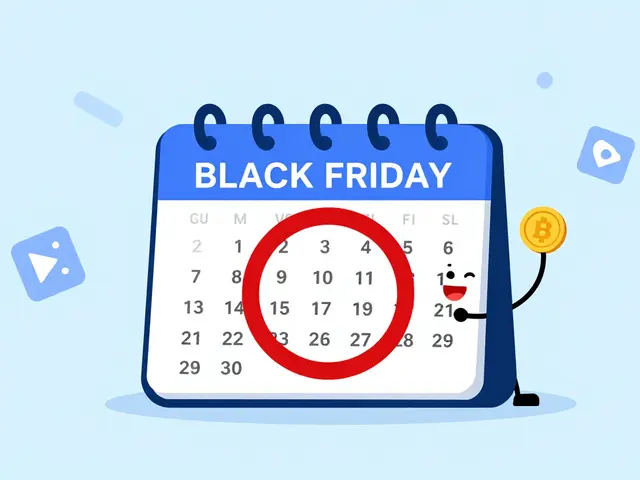
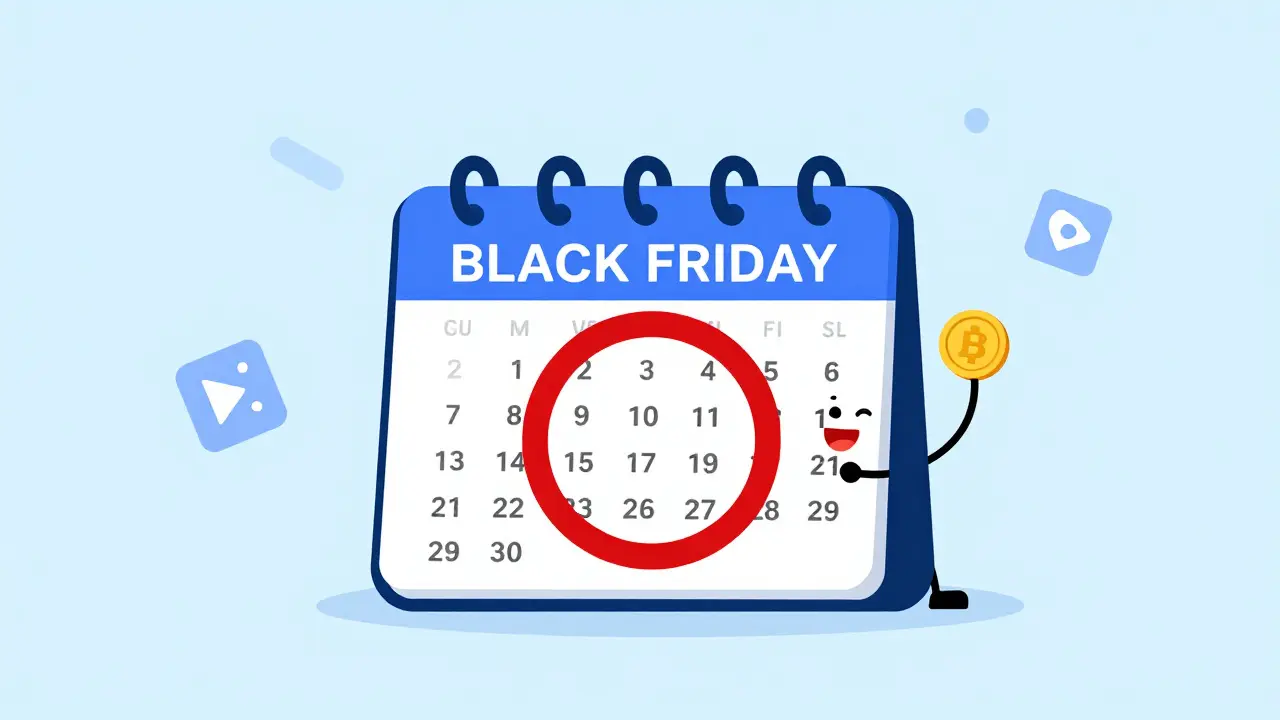
If you only track one date on your calendar, make it late November. Black Friday is the undisputed heavyweight champion of streaming service discounts. This is when platforms compete aggressively for a spot in your budget before the holiday spending spree ends. In recent years, we have seen giants like Hulu and Disney+ offer deals as low as $0.99 per month for a set period. These aren't just small percentages off; they are loss-leaders designed to get you locked into their ecosystem. If you can hold off on starting that binge-watch until November, you might save fifty dollars or more over the first year. Wait for the "Cyber Week" window. Often, the best deals don't actually peak on Friday but linger through Monday. If you see a deal for a yearly plan at a steep discount, take it. Annual billing is already cheaper, but stacking a Black Friday discount on top of an annual plan is the single most effective way to lower your cost per episode.Spring Cleaning: The March and April Promotional Push
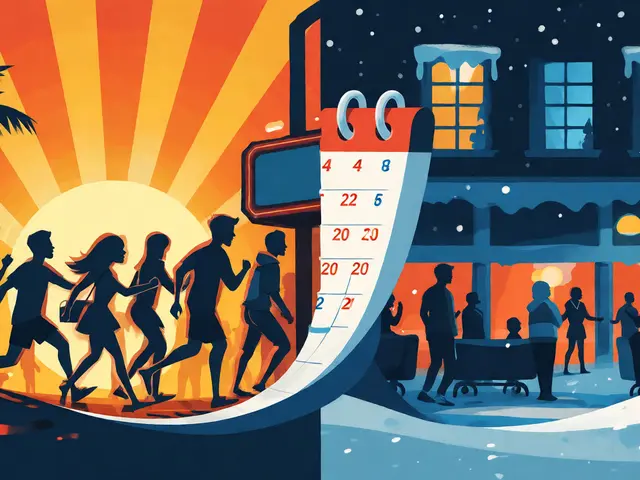
While November is the peak, the window between March and April is a sleeper hit for savings. Why? Because this is when many services align with the start of major sporting seasons or the lead-up to summer vacations. Services that lean heavily on live events, like YouTube TV or FuboTV, often run "come back" or "join now" promos in early spring to capture audiences before the big summer tournaments. If you are looking for a cable replacement, April is often a better time to negotiate than January, when everyone is still recovering from holiday spending and budgets are tight.The "Content Drop" Trap and How to Avoid It
There is a psychological trap in the streaming world: the hype cycle. When a massive show-think something on the scale of *Stranger Things* or *House of the Dragon*-is about to premiere, platforms rarely offer discounts. They know you want the content, so they charge a premium. Instead, look for the "lull" periods. These are the months where no major flagship series are airing. During these gaps, platforms often feel the pinch of "churn" (when people cancel their subscriptions). To stop the bleed, they launch targeted retention offers. If you've cancelled a service, wait a few weeks. You'll likely receive an email offering 50% off for three months just to get you to come back. This is the "win-back" strategy, and it is far more lucrative than any public coupon code.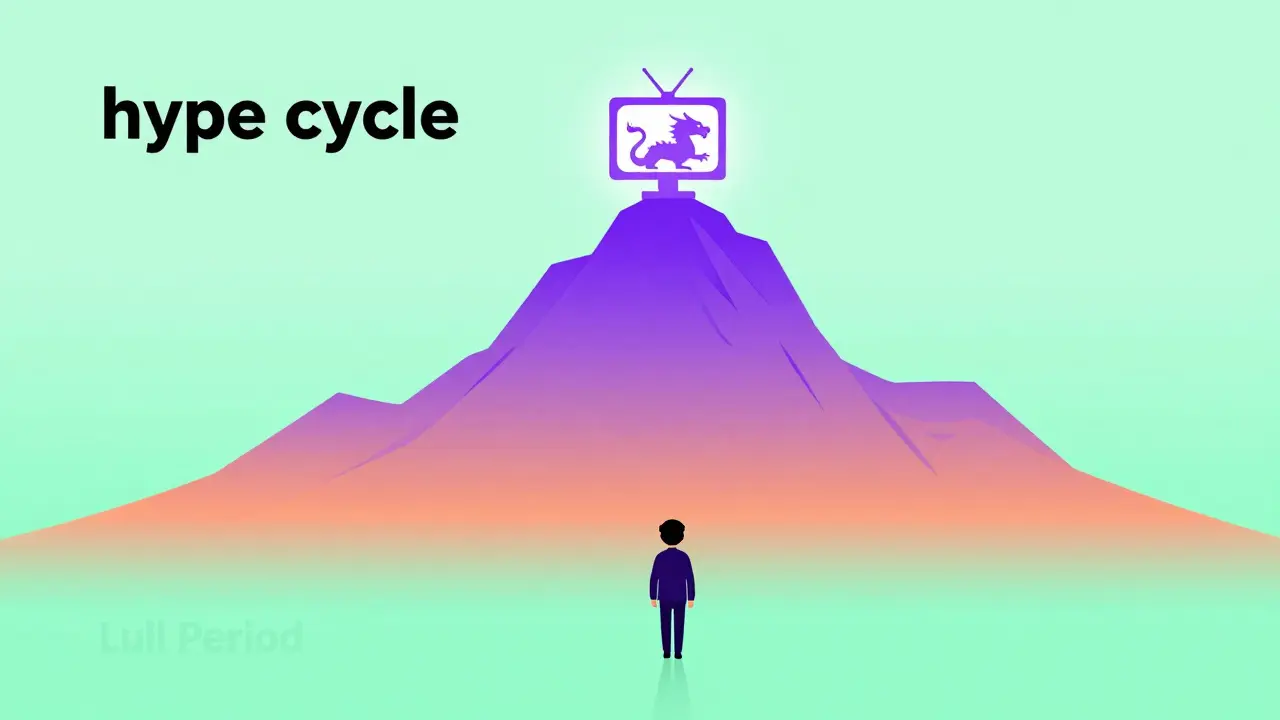
Maximizing Value with Annual Billing and Bundles
If you know you're going to use a service for a year, paying monthly is essentially paying a convenience tax. Almost every major platform offers a discount if you pay upfront. Consider the Disney Bundle. By combining Disney+, Hulu, and ESPN+, the per-service cost drops significantly compared to buying them individually. This is a classic example of a Subscription Bundle, which reduces the overall cost of ownership for the consumer while increasing the "stickiness" for the provider.| Payment Method | Average Savings | Best Timing | Risk Factor |
|---|---|---|---|
| Monthly | 0% | Anytime | High (Price hikes) |
| Annual | 15-20% | Q1 or Q4 | Medium (Commitment) |
| Bundles | 25-40% | Black Friday | Low (High Value) |
| Win-back Offers | 50% | Post-Churn | Low (Wait time) |
The Role of Third-Party Partnerships
Sometimes the best time to subscribe isn't a date on the calendar, but a change in your other bills. Many people overlook the "hidden" streaming deals bundled with telecom and credit card providers. For instance, certain mobile plans include Netflix or Max at no extra cost. Before you pay for a standalone subscription, check your mobile carrier or home internet provider. Often, these partnerships are renewed annually, meaning there are specific months where carriers offer "Free for 6 months" promos to attract new phone customers. Similarly, keep an eye on credit card rewards. Some cards offer "statement credits" for streaming services. While not a discount from the provider, it's a net saving of 100% of the cost if the credit covers the monthly fee.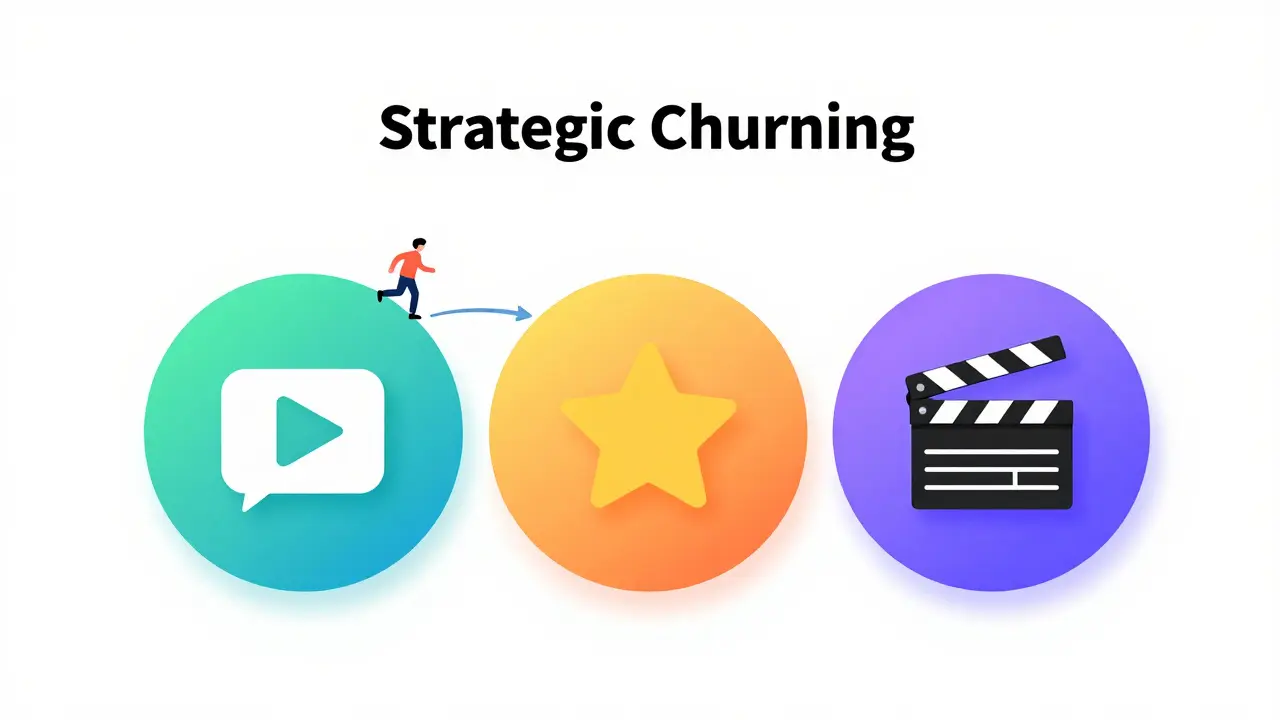
Strategic Churning: The Pro-Consumer Approach
If you want to truly maximize savings, you have to stop thinking of subscriptions as permanent utilities and start thinking of them as temporary rentals. This is called "strategic churning." Here is how it works: you subscribe to a service for one month, watch the specific show you want, and then immediately cancel. Do not wait for the next billing cycle. Most platforms let you keep access until the end of the paid period. By rotating your services-Netflix in January, Max in February, Disney+ in March-you ensure that you are only paying for one service at a time while still accessing all the content you want. This prevents "subscription creep," where you're paying $60 a month for five services but only actually watching one.Checklist for your Subscription Strategy
- Check for existing bundles through your internet or mobile provider first.
- Avoid signing up during the first week of a massive series premiere.
- Target late November for new annual subscriptions.
- Use the "cancel and wait" method to trigger win-back discounts.
- Audit your subscriptions every three months to eliminate unused accounts.
Is it actually cheaper to pay annually?
Yes, in almost every case. Annual plans usually offer the equivalent of 12 months for the price of 10. This represents a roughly 16-20% saving over the course of the year, provided you actually use the service for the full duration.
Do streaming services really send "win-back" offers?
They do. Because the cost of acquiring a new customer is much higher than keeping an old one, platforms often send emails offering discounted rates (sometimes 50% off) to people who have been inactive for 30 to 90 days.
When is the absolute worst time to subscribe?
The worst time is during a "cultural moment"-like the premiere of a global phenomenon show-where demand is at an all-time high and the company has no incentive to offer discounts.
Are bundles always the best deal?
Not necessarily. A bundle is only a deal if you use at least two of the services. If you only want Disney+ but are paying for a bundle that includes Hulu and ESPN+, you might be paying more than you need to for content you'll never watch.
Can I use multiple email addresses to get free trials?
While technically possible, many services now use payment method verification or device IDs to prevent this. It's more sustainable to use the rotating subscription method or wait for seasonal promotions.
Next Steps for Your Budget
If you are currently paying for more than three services, your first move should be a "subscription audit." List every monthly charge and date the last time you actually watched something on that platform. If it has been more than 14 days, cancel it immediately. For those looking for a new service, set a calendar reminder for the third week of November. That is when the most aggressive pricing drops hit the market. If you need a service now, look for a bundle that ties into your existing mobile or internet plan to shave a few dollars off the monthly total.