9
How to Stream for Free Legally: Safe Sources and What to Avoid
There is a moment every internet user faces. You want to watch a new series or catch up on the news, but your subscription budget is maxed out. The temptation to click a link promising "free HD access" is strong. It feels like a win until the screen fills with pop-ups, or worse, malware infects your device. The good news is that you do not need to risk your security to watch content for free. The landscape of free streaming has changed dramatically since 2020. Today, legitimate options offer high-quality video without the hidden costs of piracy.
Finding safe sources requires knowing where to look and what to ignore. This guide breaks down the reliable platforms available in 2026, explains how they make money, and helps you spot the red flags of illegal sites. You will learn how to build a library of legal channels that respects your privacy and delivers consistent performance.
The Rise of Ad-Supported Streaming (FAST)
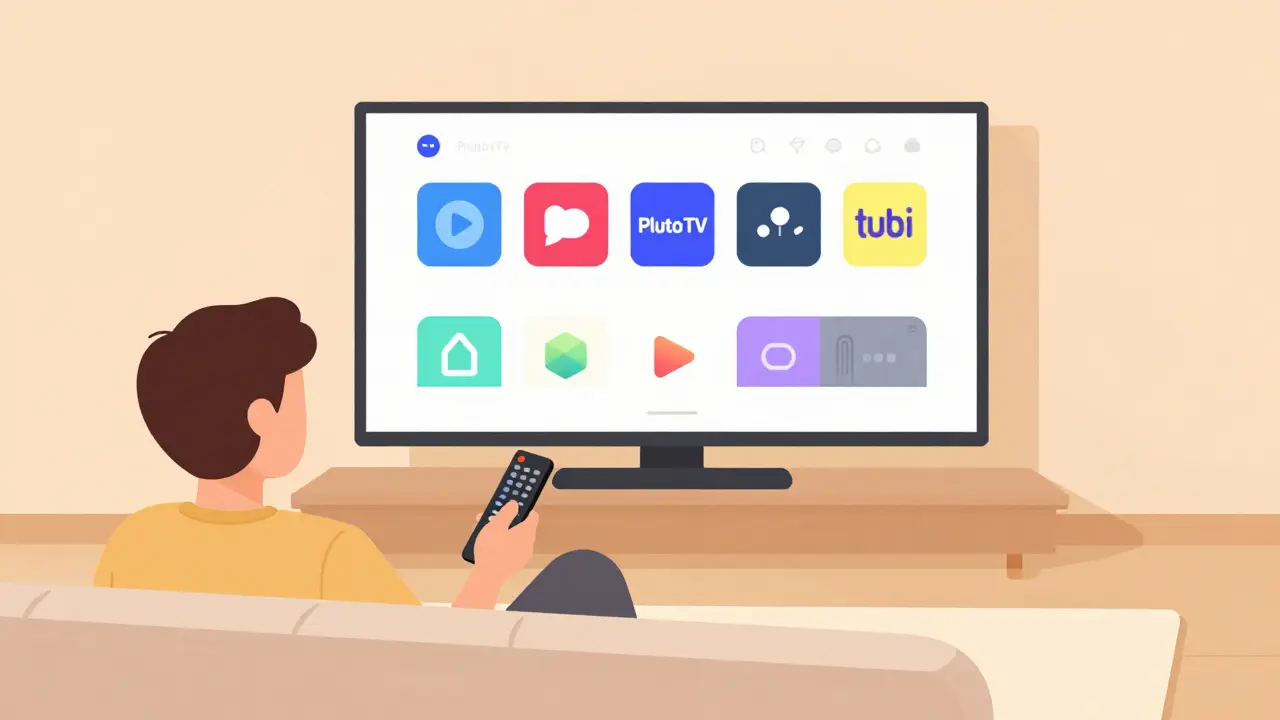
The term FAST, which stands for Free Ad-supported Streaming Television, might sound technical, but it is simply the modern version of broadcast TV. Instead of paying monthly fees, you pay with your attention. These platforms insert commercials into their streams, just like traditional networks. This model allows them to license popular movies, classic shows, and live news feeds legally.
In 2026, FAST has become the dominant force in cord-cutting. Major media companies have realized that viewers prefer flexibility over rigid cable packages. As a result, giants like Paramount, Warner Bros., and Disney have launched dedicated free tiers. These services are not low-quality afterthoughts; they are curated experiences designed to keep you engaged through targeted advertising. When you choose a FAST service, you get 4K resolution, reliable servers, and apps that work seamlessly on smart TVs, mobile devices, and gaming consoles.
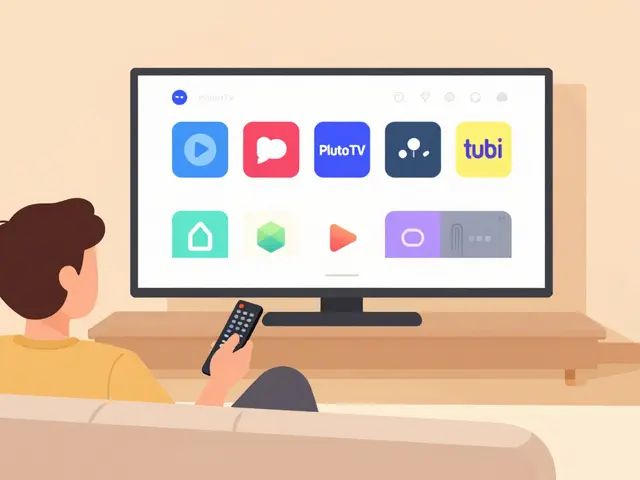
- Pluto TV: Offers hundreds of linear channels organized by genre, mimicking a cable guide.
- Tubi: Known for its massive library of movies and TV shows from major studios.
- Freevee: Amazon’s free service featuring original content and licensed hits.
- The Roku Channel: Available even if you do not own a Roku device, offering a mix of live and on-demand content.
These platforms operate under strict licensing agreements. This means the content is vetted, secure, and available globally in most regions. You never have to worry about a stream cutting out mid-scene because the server was shut down by authorities.
Public Domain and Creative Commons Resources
If you are looking for older films, independent documentaries, or educational content, public domain libraries are a goldmine. Works in the public domain are creative works whose exclusive copyright has expired or been forfeited. Anyone can distribute, modify, or display these works without permission. This category includes many classic Hollywood films, silent era masterpieces, and early television broadcasts.
Sites like Internet Archive host thousands of these titles. They provide direct downloads and streaming links that are completely legal. Unlike pirate sites, the Internet Archive operates as a non-profit digital library. Their goal is preservation, not profit. You can find rare footage, historical news reels, and obscure foreign films that are no longer available on commercial platforms.
Creative Commons licenses offer another avenue. Many independent creators release their work under CC licenses, allowing free distribution as long as credit is given. Platforms like Vimeo Staff Picks often feature short films and animations that are free to view. While you cannot download these for personal resale, watching them on the platform is perfectly legal and supports the artists directly.
Library and Educational Streaming Services
Your local library does more than lend books. In 2026, most municipal and university libraries subscribe to digital media services that patrons can access for free with a valid card. Kanopy and Hoopla are two leading platforms in this space.
Kanopy focuses on critically acclaimed films, documentaries, and educational content. It partners with distributors like Criterion Collection and A&E. You get a certain number of "play credits" per month, which reset regularly. This system prevents hoarding and ensures everyone gets fair access. Hoopla offers a broader range of content, including best-selling audiobooks, comics, and mainstream movies. Both services are ad-free, providing a premium viewing experience without any cost to you.
To use these services, you simply create an account on their websites and log in with your library credentials. If your library does not offer these services, ask your librarian. Many institutions are expanding their digital offerings due to increased demand. This is one of the most underutilized resources for legal free streaming.
Broadcasters and Network Apps
Traditional broadcasters have adapted to the digital age by offering free streaming of their content. Networks like PBS, BBC iPlayer (for UK residents), and ABC iview (for Australian residents) provide extensive libraries of current episodes and past seasons.
In the United States, networks such as NBC, CBS, and Fox offer their apps with free access to recent episodes. Some may require you to sign in with a participating TV provider, but many clips and full episodes are available without authentication. These apps are highly optimized and rarely suffer from buffering issues. They also support closed captions and multiple audio tracks, ensuring accessibility for all users.
For international content, services like RaiPlay (Italy) and ARD Mediathek (Germany) offer free access to European productions. These platforms are funded by government mandates or public broadcasting fees, meaning they do not rely on ads or subscriptions for core content. They provide a window into global storytelling that is often overlooked by US-centric streaming guides.
Red Flags: How to Spot Illegal Streaming Sites
Not all free streaming is created equal. Illegal sites exist in a gray market, hosting content without permission. They generate revenue through aggressive advertising, data harvesting, and sometimes malware distribution. Identifying these sites is crucial for protecting your device and personal information.
Look for these warning signs:
- Excessive Pop-ups: If clicking "play" triggers dozens of ads or redirects to gambling sites, leave immediately.
- Poor Video Quality: Legal sites invest in bandwidth. Pirate sites often offer low-resolution streams with constant buffering.
- Unusual Domain Names: Legitimate services use clean URLs like tubi.tv or pluto.tv. Pirate sites often use complex strings of characters or .top/.xyz domains.
- Lack of Contact Information: Real companies provide customer support. Illegal sites operate anonymously.
- Requests for Personal Data: Never enter your credit card details or social media login on a site claiming to be free. This is a common tactic to steal identities.
Another danger is the legal risk. While individual users are rarely prosecuted, ISPs may send warning letters or throttle your connection speeds if they detect traffic to known pirate hubs. In some countries, accessing copyrighted material without permission is a criminal offense. Sticking to legal sources eliminates this risk entirely.
Comparison of Legal Free Streaming Options
| Platform | Content Type | Ads? | Account Required? | Best For |
|---|---|---|---|---|
| Pluto TV | Live Channels & On-Demand | Yes | No | Cable-like experience |
| Tubi | Movies & TV Shows | Yes | Optional | Large movie library |
| Kanopy | Documentaries & Classics | No | Yes (Library Card) | Educational content |
| Freevee | Originals & Licensed Hits | Yes | Yes (Amazon Login) | High-budget originals |
| Internet Archive | Public Domain Films | No | No | Historical & Rare Media |
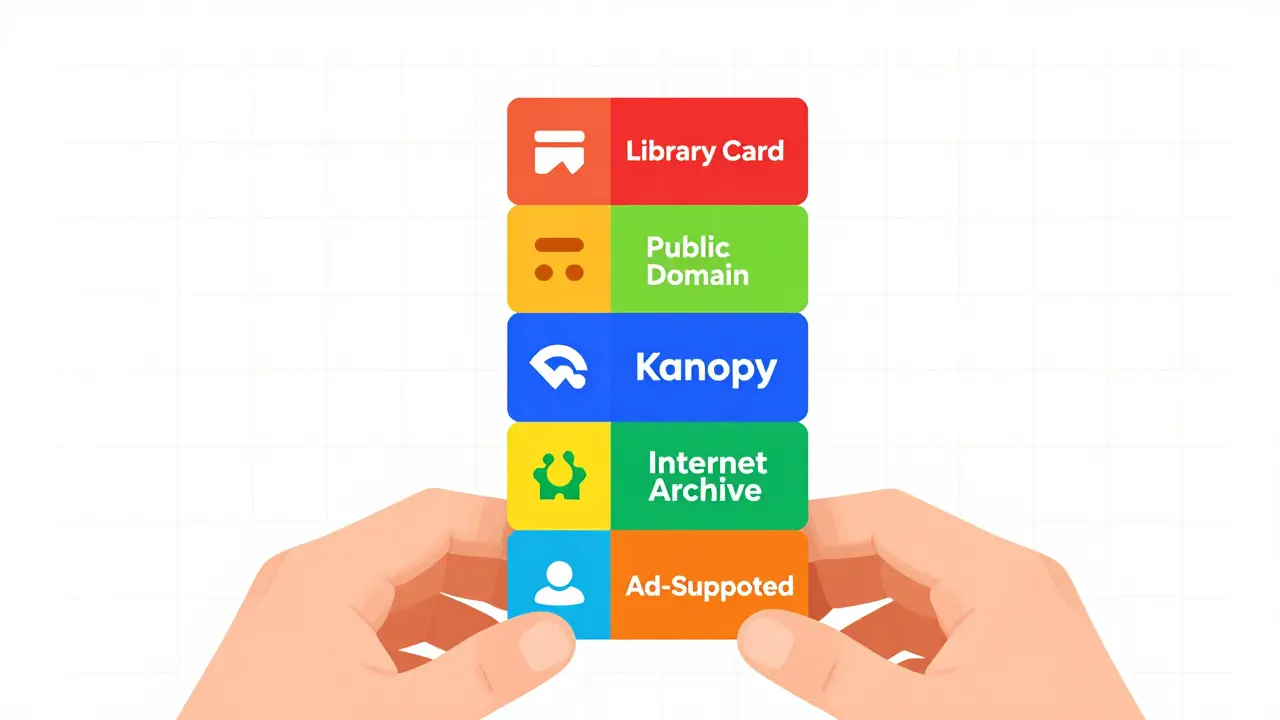
This table highlights the diversity of legal options. Each platform serves a different need. If you miss the channel-surfing experience, Pluto TV is ideal. If you want specific movies, Tubi offers a vast selection. For ad-free viewing, Kanopy is unmatched, provided you have a library card. Understanding these differences helps you curate a personalized streaming setup that maximizes variety without breaking the bank.
Building Your Legal Streaming Routine
Start by auditing your current habits. What types of content do you watch most? If it is news, check out your local broadcaster’s app. If it is classic cinema, explore the Internet Archive. Create accounts on two or three FAST platforms to diversify your sources. Rotate between them to see which content library resonates with you.
Use browser extensions like JustWatch to search across multiple legal platforms simultaneously. This tool tells you where a specific title is available for free, rental, or purchase. It saves time and prevents frustration from searching each site individually. Bookmark your favorite channels for quick access.
Finally, educate yourself about copyright laws in your region. Understanding why piracy harms creators reinforces the value of supporting legal alternatives. By choosing legitimate sources, you contribute to an ecosystem that rewards innovation and creativity. The next time you feel the urge to click a shady link, remember the safe, high-quality alternatives waiting for you.
Is free streaming really legal?
Yes, if you use platforms that have proper licensing agreements. Services like Tubi, Pluto TV, and Kanopy pay for the rights to show content. They monetize through ads or partnerships with libraries. Illegal sites do not have these agreements and violate copyright laws.
Do I need to pay for anything to use these services?
No, the core content is free. However, some platforms may offer optional premium tiers for additional features or fewer ads. For example, Tubi and Pluto TV are entirely free with ads. Kanopy requires a library card, which is usually free to obtain.
Can I get viruses from legal streaming sites?
It is highly unlikely. Legitimate platforms undergo regular security audits and use secure HTTPS connections. The risk comes primarily from illegal sites that embed malicious code in their ads or download buttons. Stick to well-known brands to stay safe.
Why do some free sites have better quality than others?
Legal sites invest heavily in infrastructure to ensure smooth playback. They use Content Delivery Networks (CDNs) to reduce latency and buffer times. Pirate sites often rely on unstable servers that struggle with high traffic, leading to poor video quality and frequent interruptions.
Are there free streaming options for kids?
Yes. Platforms like PBS Kids, Pluto TV Kids, and the YouTube Kids app offer curated, ad-safe content for children. These services comply with COPPA regulations in the US, ensuring that data collection is minimized and content is appropriate for young audiences.