27
Space Operas Ranked: Star Wars, Dune, and the Rise of Galactic Mythmaking
What Makes a Space Opera Stick With You?
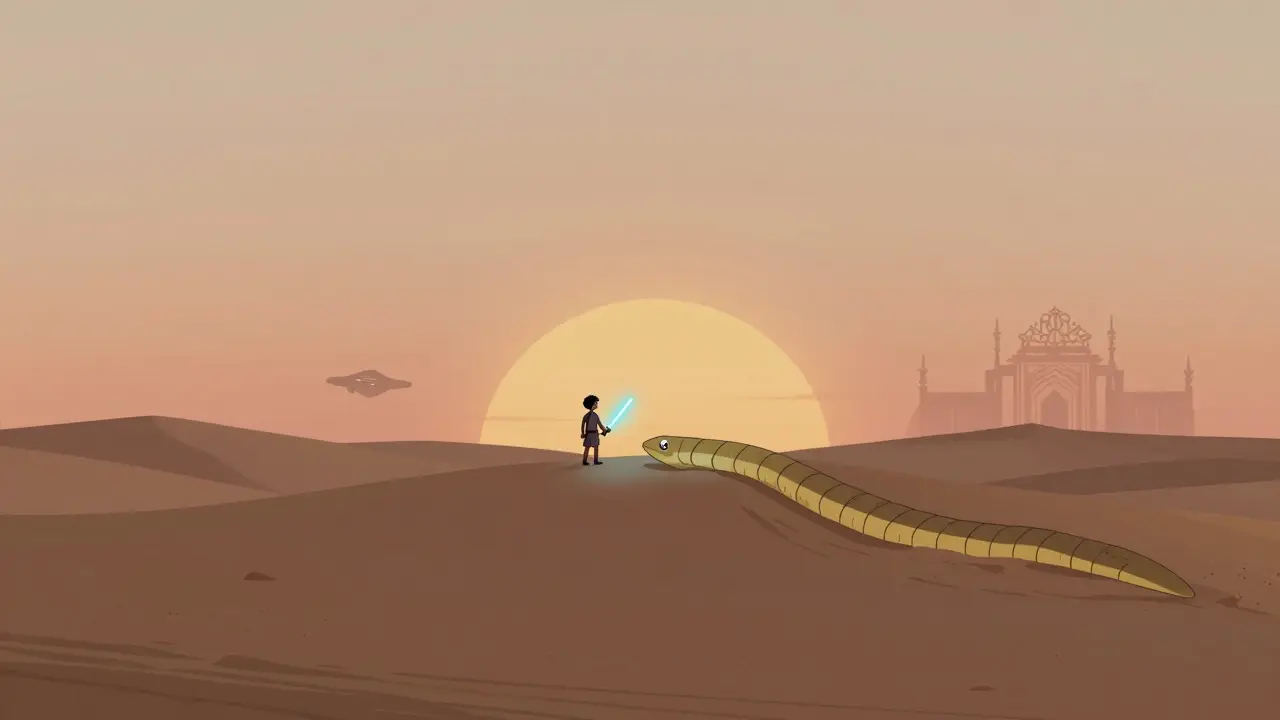
Not all space stories are the same. Some feel like action movies with lasers and aliens. Others feel like ancient myths floating in zero gravity. The best space operas don’t just show spaceships blowing up-they make you believe in empires, prophecies, and destiny. They turn stars into symbols and galaxies into stages for human drama.
Star Wars and Dune are the two giants of the genre. One was born in a garage with a toy lightsaber and a dream. The other came from a desert philosopher’s notebook. Both changed how we see the future. But why do they still matter? And how do they stack up against each other?
Star Wars: The Myth Made Real
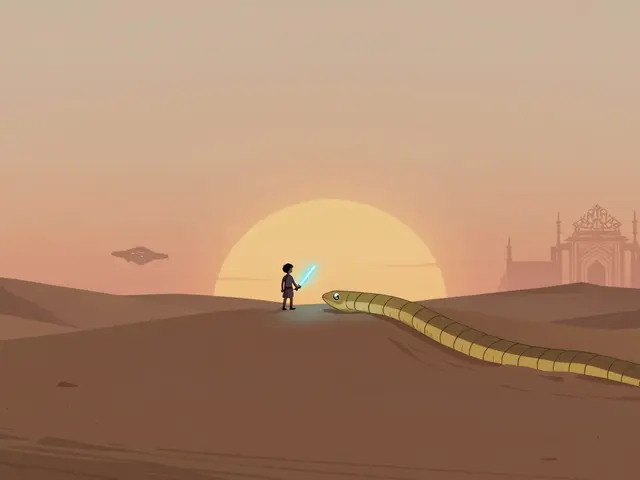
Star Wars didn’t invent space opera. It took the old tales-kingdoms falling, chosen ones rising, dark lords whispering in the shadows-and made them feel real. George Lucas didn’t just build a universe. He rebuilt the hero’s journey for the TV generation.
The original trilogy (1977-1983) worked because it was simple. Luke Skywalker wasn’t a genius. He was a farm kid who got lucky. Darth Vader wasn’t evil because he was born that way. He was broken. And the Force? It wasn’t magic. It was spirituality dressed in sci-fi clothing. People didn’t just watch it-they believed in it.
By 1983, Star Wars had made $1.2 billion (adjusted for inflation). More than that, it gave us phrases like "May the Force be with you" and made lightsabers the most iconic weapon in pop culture. It didn’t need sequels to be legendary. But it got them anyway-and that’s where things got messy.
Dune: The Empire That Feels Like History
Frank Herbert’s Dune, published in 1965, was never meant to be a popcorn movie. It was a warning. A political treatise wrapped in sandworms and spice. The story of Paul Atreides isn’t about good vs. evil. It’s about how power corrupts, even when it’s meant to save you.
Where Star Wars gives you a clear hero, Dune gives you a reluctant prophet. Paul doesn’t want to be the Messiah. But the Fremen turn him into one anyway. The spice melange doesn’t just let people fold space-it controls economies, religions, and empires. In Dune, the future isn’t shiny. It’s dusty, brutal, and full of people who’ve forgotten how to think for themselves.
The 2021 and 2024 film adaptations finally got it right. No laser swords. No talking droids. Just vast deserts, silent warriors, and a boy who becomes something he never asked to be. Denis Villeneuve didn’t adapt Dune-he resurrected it. And audiences responded. Dune: Part One made $400 million. Part Two made $715 million. People didn’t just watch. They studied it.
The Battle of the Believers: Star Wars vs. Dune
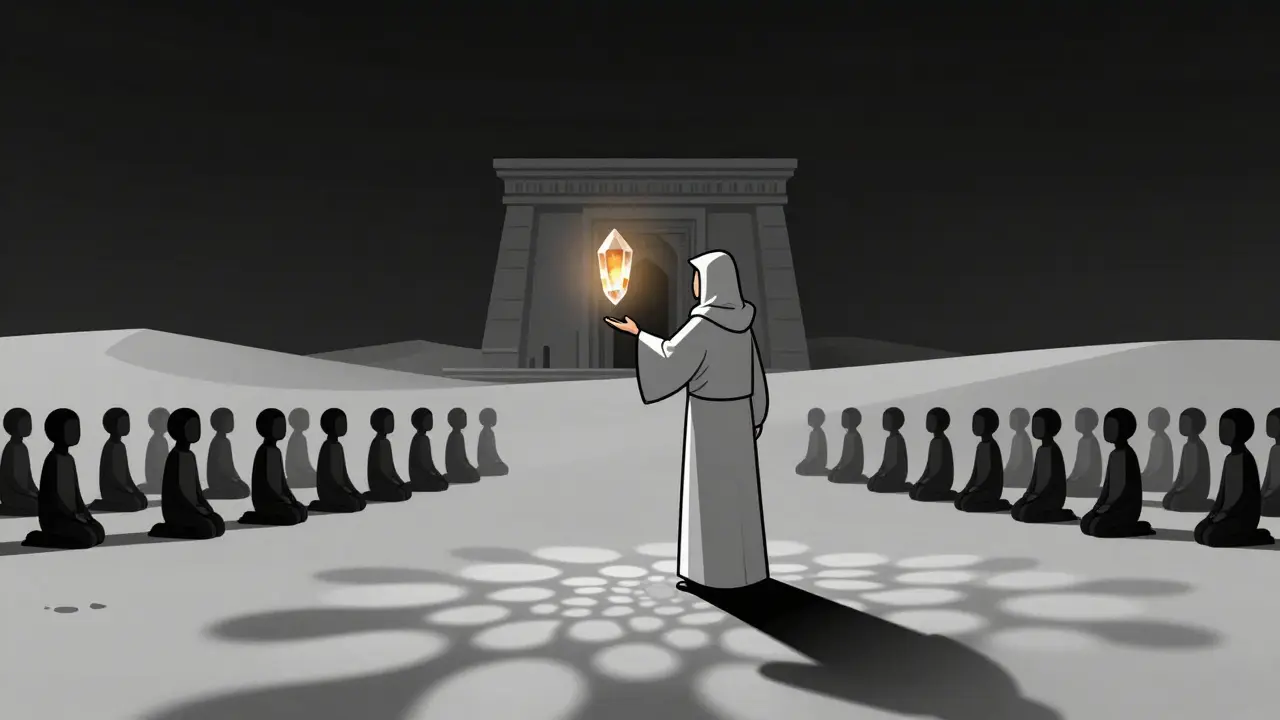
Here’s the real question: Which one does mythmaking better?
Star Wars is about hope. It’s about redemption. It’s about a kid picking up a lightsaber and choosing to fight for something bigger. Its strength is emotional simplicity. You don’t need to read a 500-page novel to understand it. You just need to feel it.
Dune is about consequence. It’s about how myths are made, not just told. It asks: What happens when a savior becomes a tyrant? What if the prophecy was written by the wrong people? Its strength is intellectual depth. You walk away thinking, not just feeling.
Star Wars has a bigger fanbase. Dune has a more obsessive one. Star Wars has merchandising deals with LEGO and McDonald’s. Dune has university courses and PhD theses written about its ecology and economics.
Galactic Mythmaking: Why We Need These Stories Now
Why do we keep coming back to these stories in 2026?
Because we’re living through our own kind of collapse. Governments feel broken. Technology moves too fast. Trust is fading. We’re looking for stories that explain chaos-not with facts, but with meaning.
Star Wars gives us a way to believe in goodness again. Dune gives us a way to fear what we’ve become. Together, they cover the full spectrum of human fear and hope.
Look at the rise of AI. Look at climate collapse. Look at the way people worship influencers like gods. Dune’s prophecy machine feels more real today than it did in 1965. And Star Wars’ message-that even the broken can rise-feels like the only thing keeping some of us going.
Other Space Operas Worth Your Time
Star Wars and Dune aren’t the only ones. But they’re the ones that set the bar.
- Foundation by Isaac Asimov-A galactic empire falls, and a scientist tries to shorten the dark age that follows. It’s Dune before Dune, but colder, more mathematical.
- The Expanse-A gritty, political space drama where the real villain isn’t a Sith Lord. It’s bureaucracy. And greed. And the way we treat people on Mars like second-class citizens.
- Neon Genesis Evangelion-Not a traditional space opera, but it uses the same mythic structure: a boy, a giant robot, and a cosmic trauma he can’t escape.
- Battlestar Galactica (2004)-A surviving fleet runs from robots. But the real story is about religion, identity, and whether humanity deserves to survive.
These aren’t just shows. They’re mirrors. And they’re all descendants of Star Wars and Dune.
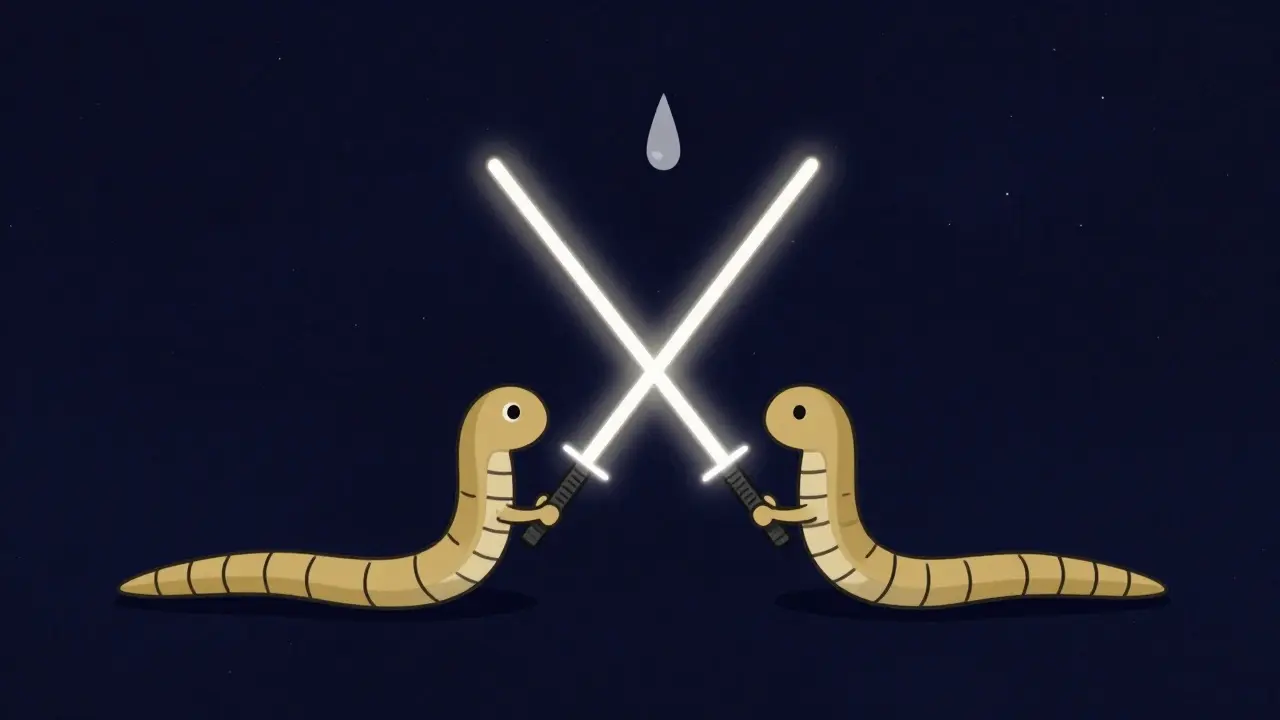
What’s Next for Space Opera?
Star Wars is stuck in reboot mode. Dune is building a trilogy. Neither feels like it’s pushing forward anymore.
The next great space opera won’t be about empires or chosen ones. It’ll be about what comes after. What happens when the myth dies? When the prophecy is proven false? When the Force turns out to be just a neural network?
That’s the next frontier. And someone’s writing it right now.
Final Ranking: Where Do They Stand?
Let’s cut through the noise.
- Dune-Because it dares to ask hard questions. Because it doesn’t offer easy answers. Because it feels like a warning from the future.
- Star Wars-Because it made the impossible feel personal. Because it gave millions a language for hope.
- The Expanse-The most realistic, human, and politically sharp space opera alive today.
- Foundation-Brilliant, but cold. A masterpiece of ideas, not emotion.
- Battlestar Galactica-A near-perfect adaptation. But it’s a limited run. No sequels.
There’s no winner here. Just two giants who taught us that space isn’t empty. It’s full of stories we’ve been telling since the first fire was lit.
Is Star Wars really a space opera?
Yes. Star Wars is the most famous example of a space opera. It fits all the classic traits: epic scale, interstellar conflict, heroic characters, and mythic themes like destiny and redemption. It uses space as a backdrop for human drama, not just action.
Is Dune a space opera or just sci-fi?
Dune is a space opera, but it’s also something deeper. It’s political, religious, and ecological. While it has spaceships and interstellar empires, it uses those elements to explore power, control, and prophecy. It’s sci-fi with the soul of an ancient epic.
Why do people compare Star Wars and Dune so often?
Because they’re the two pillars of modern mythmaking in space. Star Wars is about hope and redemption. Dune is about the danger of worship and the cost of power. One feels like a fairy tale. The other feels like a history book written by a prophet. Together, they cover the full emotional range of the genre.
Which came first, Star Wars or Dune?
Dune came first. Frank Herbert published the novel in 1965. Star Wars hit theaters in 1977. George Lucas has admitted he was inspired by Dune’s worldbuilding, even if he took a much more action-driven approach.
Are there any new space operas worth watching in 2026?
Yes. The Expanse is still going strong with its final season. A new adaptation of Isaac Asimov’s Foundation is in development. And a little-known series called "The Last Star"-a low-budget indie project-has gained a cult following for its raw take on post-myth space society. It’s not flashy, but it’s the most honest space opera in years.
Where Do You Stand?
Do you side with the Jedi? Or the Fremen? Do you believe in destiny-or do you think we make our own paths?
There’s no right answer. But the fact that you’re asking means these stories still work. They’re not just entertainment. They’re the myths we’re using to make sense of a world that feels like it’s falling apart.
Keep watching. Keep reading. Keep asking.