31
Chargebacks vs. Refunds: Best Way to Resolve Streaming Billing Disputes
The Morning After a Surprise Charge
You wake up on a Tuesday morning, grab your coffee, and open your banking app. There it is: a $14.99 transaction from Streaming Service digital media platforms that require monthly subscriptions for access to video, music, or reading content. You didn't renew. Or did you? Maybe you forgot to cancel three months ago, or perhaps a trial period sneaked past into a paid month. Now you have a decision to make. Do you ask the company for your money back, or do you hit the big button at the bank and demand a reversal?
This isn't just about getting twelve bucks back. It is about understanding the difference between a friendly negotiation and a formal battle. Most people treat these options as interchangeable, but they are worlds apart in how they affect your future relationship with that service.
Understanding the Mechanics of Reversals
Before you pick a weapon, you need to know what you are holding. A Refund a voluntary return of funds initiated by the merchant or agreed upon during a customer inquiry is essentially a polite agreement between you and the provider. You call them, explain the error, and they send the cash back through the same channel it left. It is cooperative. Your account stays open, and the history remains clean.
A Chargeback a mandatory reversal of a transaction initiated by the cardholder through their financial institution works differently. Here, you bypass the streamer entirely. You tell your bank, "This purchase was fraudulent or incorrect," and the bank forces the merchant to give the money back. If the merchant refuses, the bank takes it anyway. This is adversarial.
Why does this distinction matter? In 2026, streaming platforms track payment health rigorously. A single chargeback can flag your profile. Multiple chargebacks often lead to an immediate ban. That means you lose access not just to the library of movies, but potentially to any other account held under your email or device ID within that ecosystem. A refund keeps the door open; a chargeback slams it shut.
Timeline: Speed Matters
Time is your biggest constraint in billing disputes. Refunds are generally faster when approved. If you call support within seven days of the charge, many companies have authority to reverse it instantly. Some providers even automate this. If you accidentally subscribe, their system might see a duplicate login or usage drop-off and flag it automatically.
Chargebacks move at the speed of bureaucracy. Filing a dispute can take ten working days just to get acknowledged. Then comes the investigation phase, which can stretch into thirty or forty-five days. During this freeze, the funds are often unavailable in your account. For a streaming sub, this doesn't hurt much, but it creates a paper trail that banks review later. High-frequency chargebacks on one account look suspicious. Banks may lower your credit limit or lock your card if they suspect you are gaming the system.
When a Refund Is the Only Option
Sometimes the answer feels obvious, but you need proof. If you received the service, even for one day, asking for a full refund becomes harder. Companies argue you consumed value. However, if you never logged in, never downloaded an app, and never streamed a minute of content, your leverage is high. This is the "cooling off" period logic. Many digital goods laws allow returns within a short window if the product wasn't accessed.
Check your receipt. Look for the cancellation date versus the charge date. If you cancelled on the 1st of March and got charged on the 2nd of April, that is a clear administrative error. In this scenario, contact the Customer Support the department responsible for assisting users with account, billing, and technical issues team directly. Email is usually better than chat. It creates a timestamped record. If a chat agent gives you bad advice, you have no proof. An email trail is admissible if you escalate later.

The Case for Filing a Dispute
There are rare moments where going straight to the bank is the right call. These are not mistakes; these are violations. If you subscribed to a premium tier but were locked out of that premium content, that is fraud. If the company changed the price mid-cycle without notice, that is a breach of contract. In these cases, talking to support often gets you a looped response: "You agreed to our Terms of Service. They allow us to raise prices annually."
In 2025 and 2026, Terms of Service the legal agreement between a user and a software platform regarding usage rights and obligations clauses regarding price hikes have become aggressive. While legally binding, they are not immune to banking arbitration. If you can prove non-consent-like a hidden checkbox during checkout or an auto-renewal that wasn't flagged-you have grounds for a Payment Dispute formal disagreement between a cardholder and a merchant regarding a transaction amount or validity.
Strategic Guide: Picking Your Path
Here is the truth you won't hear in automated emails: never file a chargeback before attempting a refund. It ruins your reputation as a customer. Think of it as escalating a complaint. First, try to solve it with the person who made the mistake. If they fail, bring in the authorities.
| Feature | Refund Request | Chargeback |
|---|---|---|
| Speed | 1-5 Days | 15-45 Days |
| Account Status | Usually Kept | Risk of Ban |
| Evidence Required | Low | High (Screenshots) |
| Success Rate | Variable | High (if valid) |
| Cost | Free | Potential Bank Fee |
Notice the risk column. Losing access to a service you use daily just to save twenty dollars is a poor trade. But losing money twice is worse. You want your funds returned while maintaining the ability to use the service legitimately in the future.
Navigating the Support Maze
If you decide to seek a refund, do not simply click "Contact Us." Use a structured approach. Start by locating the order confirmation email. This contains the Transaction ID. When you message support, paste this ID at the very top of your text. It cuts navigation time significantly.
Script your argument. Instead of saying "I want my money back," say: "I cancelled my subscription on [Date] via the settings menu, screenshot attached. I notice a charge appeared on [Date] despite the cancellation. Please reconcile this discrepancy." Being precise makes it sound like an audit rather than a plea. Auditors get taken seriously.
Also, check for a dedicated billing portal. Larger platforms now offer self-service tools specifically for disputing invoices. Using the official tool is often safer than opening a general ticket. It logs directly into the finance database rather than waiting for a queue agent.
Preventing Future Friction
The best way to handle disputes is to prevent them. Set calendar reminders for every annual renewal. Many services switch from monthly to yearly billing automatically, claiming you saved money. These notifications often land in spam folders. Move these alerts to a dedicated label or secondary email inbox.
Consider the payment method itself. Using a virtual card for subscriptions limits your exposure. Virtual cards allow you to set spending caps and expiration dates. If the service auto-renews after the cap hits, the transaction fails gracefully instead of draining your balance. Major banks now offer this feature freely.
Dealing with Denials
Say you tried the refund route and got rejected. The agent tells you that the terms state payments are non-refundable after twenty-four hours. You are outside the window, so you cannot appeal internally. This is the trigger point for a chargeback. But wait before you press submit on the bank portal.
Request a "Case Number" for your failed refund request. If you file a chargeback, the bank will ask the merchant for proof of the sale. The merchant will send your case number as evidence that you tried to resolve it. If you skipped this step, you might look like you ignored the communication channels. Documentation of failure proves exhaustion of remedies.
Impact on Credit Health
One myth persists: chargebacks ruin your credit score. Directly, they do not appear on your FICO report. Indirectly, they can hurt. If you file a dispute, the creditor reports the delinquency status until resolved. If that drags out for two months, the late payment marks linger. Furthermore, some banks monitor chargeback ratios. Excessive activity suggests you are living beyond your means or engaging in shopping arbitrage. Keep this strictly to genuine errors or failures in delivery.
Summary of Action Steps
You have the power here, but it must be wielded carefully. Follow this hierarchy to protect both your wallet and your accounts:
- Verify the charge against your cancellation date.
- Submit a formal refund request with evidence (screenshots).
- Wait for the standard processing window (usually five business days).
- Only if denied, file a dispute with your issuer.
- Monitor your account access during the dispute period.
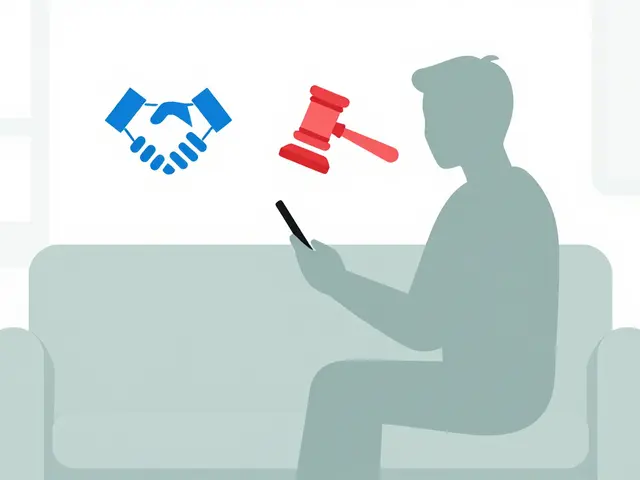
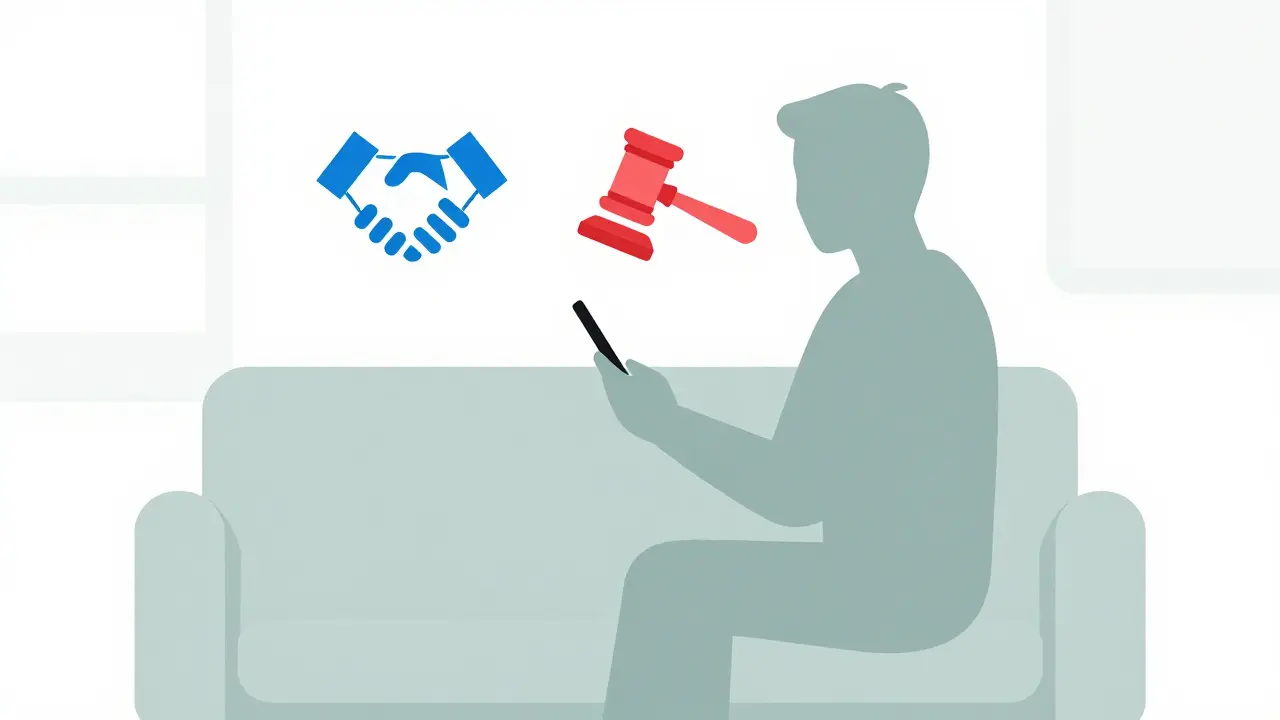
Remember, a refund is a partnership with the vendor, whereas a chargeback is a legal action backed by the bank. Treat it like choosing between mediation and court. Mediation is cheaper, faster, and less damaging to relationships. Save the courtroom drama for when mediation fails completely.