17
Close-Up Camera Shots Tutorial: Connecting Audiences to Characters
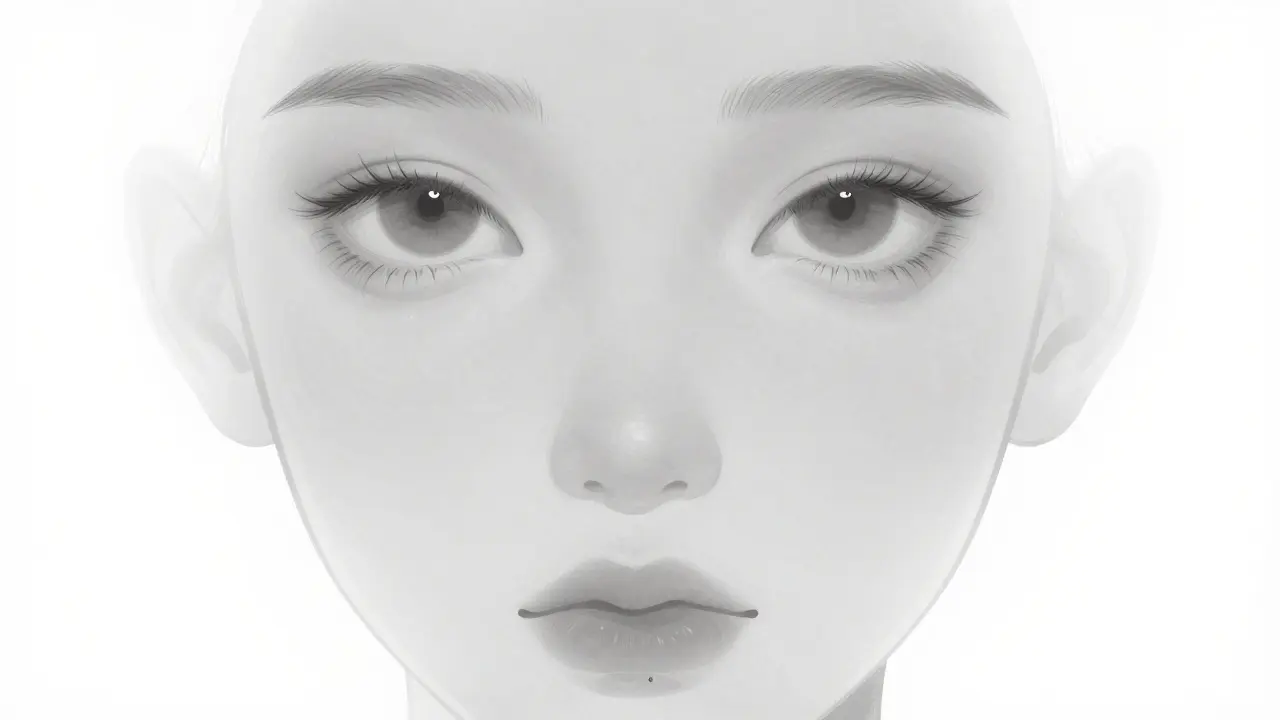
Ever watch a movie and feel like you’re inside the character’s head? That’s not magic. It’s a close-up camera shot working exactly how it should. A well-placed close-up doesn’t just show a face-it reveals fear, hope, guilt, joy-all without a single word. In film, nothing cuts deeper than a close-up when it’s done right. And yet, so many filmmakers miss the point. They think it’s just about zooming in. It’s not. It’s about intention.
Why Close-Ups Work So Well
Your brain is wired to read faces. Studies in neuroscience show we process emotional expressions in under 100 milliseconds. That’s faster than you can blink. A close-up shot hijacks that instinct. It forces the audience to lock onto the eyes, the lips, the tiny twitch of a jaw. When a character holds back tears, the camera doesn’t need to tell you they’re sad. The shot does it for you.
Think of the scene in The Dark Knight when Harvey Dent’s face burns. The camera doesn’t pull back. It stays locked on his eyes as the fire spreads. You don’t see the whole room. You don’t hear the screams. You only see his reaction. That’s why it haunts you. That’s the power of the close-up: it removes distraction and amplifies truth.
When to Use a Close-Up
Not every emotional moment needs a close-up. Use them like punctuation. Too many, and they lose meaning. Too few, and you miss the chance to connect.
- After a big reveal - When a character learns something life-changing, give them a close-up. Let the audience sit with the shock.
- Before a decision - The moment before someone chooses to lie, confess, or walk away. That’s where tension lives.
- During silence - When dialogue stops, the face speaks. A close-up turns quiet into drama.
- For physical detail - A trembling hand, a bitten lip, a tear hitting a photo. These small actions carry big weight.
Don’t use a close-up just because the actor is good. Use it because the story demands it. A close-up on a character eating soup? Unless that soup is the last thing they’ll ever eat, skip it.
Technical Setup for the Perfect Close-Up
Close-ups aren’t just about getting closer. They’re about control. You need the right lens, lighting, and framing.
Lens choice matters. A 50mm lens on a full-frame camera gives you a natural perspective-close enough to feel intimate, wide enough to keep some context. A 85mm? That’s the classic portrait lens. It compresses the background, blurs distractions, and makes skin look smooth. It’s the go-to for emotional scenes. Avoid wide lenses like 24mm or 35mm. They distort the face, especially if you’re too close. Your character’s nose will look huge. No one wants that.
Lighting is everything. A close-up exposes every bump, shadow, and pore. Soft light is your friend. Use a large diffuser or bounce light off a white board. Avoid harsh overhead lights-they turn eyes into dark sockets. A single key light from the side, slightly above eye level, creates dimension. Add a reflector on the opposite side to lift shadows under the eyes. That’s how you make someone look real, not washed out.
Focus is non-negotiable. Your lens must lock onto the actor’s nearest eye. Not the nose. Not the mouth. The eye. If you’re shooting with a shallow depth of field (f/1.8 or f/2.0), even a half-inch shift ruins the shot. Use focus pullers if you can. If you’re solo, mark the spot on the floor with tape. Test it. Shoot it. Watch it back. If the eye is blurry, start over.
Composition Rules That Actually Help
Rule of thirds? Use it. But don’t be rigid.
Place the character’s eyes along the top horizontal line. If they’re looking off-screen, leave space in that direction. It feels natural. If they’re staring straight into the lens, center them. That’s confrontation. That’s intimacy. That’s when the audience feels like they’re being spoken to directly.
Watch how Manchester by the Sea frames Casey Affleck. Almost every close-up has him slightly off-center, with empty space beside him. It’s not just composition-it’s loneliness made visible.
Don’t cut off the top of the head. Let a little space above the hair. It feels more natural. And never crop at joints. Don’t cut at the neck. Don’t cut at the wrists. Cut above the shoulders or below the collarbone. That’s where the eye expects to see a human form.
What to Avoid
Close-ups are powerful. But they’re also fragile. One wrong move, and they feel cheap.
- No shaky cam. A handheld close-up looks amateur. If you need movement, use a dolly or a gimbal. Smooth motion adds emotion. Jerky motion breaks immersion.
- No distracting backgrounds. A busy wall, a flickering light, a poster with text-it all pulls attention away from the face. Keep backgrounds simple. Blurry is fine. Blank is better.
- No overacting. A close-up shows every micro-expression. If an actor overdoes a sob, it looks fake. Subtlety wins. A slight lip tremble, a slow blink-those are the moments that stick.
- No cutting too fast. Hold the shot. Let the silence breathe. Audiences need time to feel what the character feels. If you cut away after two seconds, you’re not telling a story. You’re just showing a face.
Real Examples That Changed the Game
Look at the final close-up in Whiplash. Andrew’s eyes, drenched in sweat, filled with exhaustion and triumph. The camera doesn’t move. The music stops. You hear his breathing. That shot lasts 17 seconds. No dialogue. No cut. Just him. And you leave the theater feeling like you just finished a marathon.
Or in Marriage Story, when Nicole’s character sits alone in her lawyer’s office after the custody hearing. She doesn’t cry. She doesn’t speak. She just stares. The camera holds on her face for nearly a minute. That’s not a shot. That’s a confession.
These scenes don’t rely on editing or music. They rely on one thing: the ability to make silence speak.
Practice Your Own Close-Ups
Grab your phone. Find a friend. Set up a simple scene: someone receives bad news. No script. Just react. Film five close-ups:
- One with the eyes centered.
- One with the eyes on the top third.
- One with a soft background.
- One with harsh lighting.
- One where you hold the shot for 10 seconds without cutting.
Watch them back. Which one makes you feel something? Which one feels forced? That’s your learning. That’s your edge.
Close-ups aren’t about equipment. They’re about patience. About listening. About letting a moment breathe. The best camera in the world won’t save a shot that’s empty. But a simple lens, held steady, focused on truth-that’s what connects audiences to characters. Not technique. Not gear. Just humanity.
What’s the best lens for close-up shots in film?
An 85mm lens on a full-frame camera is the industry standard for close-ups. It provides natural facial proportions, soft background blur, and enough working distance to avoid crowding the actor. A 50mm works well too if you need more context, but avoid wide lenses like 35mm or below-they distort features.
How long should a close-up shot last?
There’s no fixed rule, but aim for at least 6-10 seconds. This gives the audience time to absorb emotion. In dramatic scenes, holding for 15-20 seconds can be powerful. Cutting too soon makes the moment feel rushed. If you’re unsure, hold it 2 seconds longer than you think you should.
Can you use close-ups in documentary filmmaking?
Absolutely. In fact, documentaries thrive on close-ups. Think of interviews where the subject pauses, looks away, or swallows hard. Those moments reveal truth more than any interview answer. Close-ups in documentaries aren’t about style-they’re about authenticity. They turn personal stories into shared experiences.
Why do close-ups sometimes look unnatural?
They usually look unnatural because of poor lighting or focus. Harsh light creates deep shadows under the eyes and nose. Out-of-focus eyes break the connection. Also, if the actor is overacting, the camera catches it. The best close-ups feel quiet, not forced. Practice subtlety. Less is more.
Do I need a professional camera to shoot good close-ups?
No. Many award-winning short films were shot on smartphones. What matters is lighting, focus, and framing. A phone with manual focus and a steady tripod can outperform a high-end camera if the shot is poorly composed. Invest in good lighting and a clamp for your phone. Those matter more than the gear.