7
Permits and Insurance: Legal Basics for Location Filming
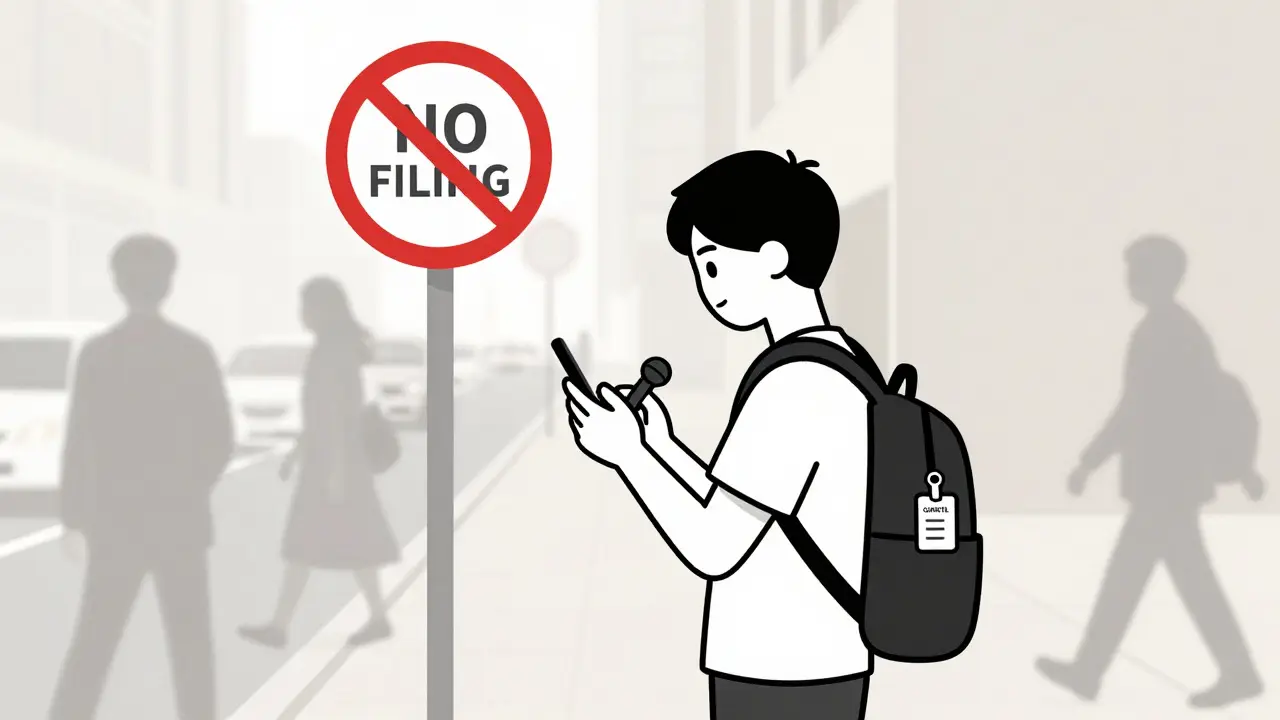
Want to film on a public street, in a park, or outside a café? You can’t just show up with a camera and start rolling. Even if you’re shooting a short video on your phone, the law doesn’t care how small your setup is. Location filming permits and insurance aren’t just red tape-they’re what keep you from getting shut down, fined, or sued.
Back in 2023, a Brisbane indie filmmaker got a $3,200 fine after shooting a scene at South Bank without a permit. The crew thought they were fine because they weren’t blocking traffic. They were wrong. Local councils don’t care if you’re a student, a YouTuber, or a pro. If you’re filming on public land, you need permission. And if you’re using equipment that could fall, trip someone, or damage property? You need insurance.
Why You Need a Permit for Location Filming
Permits aren’t about controlling creativity. They’re about managing impact. When you film on public land, you’re using shared space. That means noise, foot traffic, equipment setup, power use, and sometimes even road closures. Councils issue permits so they can plan around it.
In Queensland, you need a permit if you’re using:
- Any camera or lighting equipment larger than a handheld DSLR
- Tripods, booms, or rigs that require ground stakes
- Generators or power sources
- Props or set pieces that alter the environment
- More than three people on site
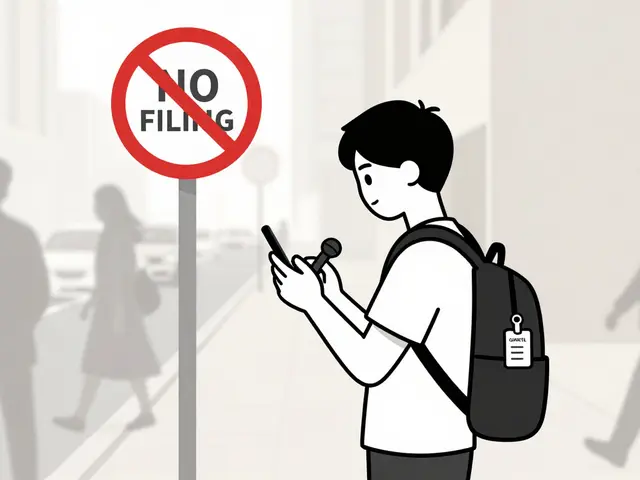
Even if you’re just holding a phone and a mic, if you’re filming for longer than 30 minutes in a busy area like Fortitude Valley or the Brisbane CBD, you still need to check with the local council. Some places, like the Story Bridge or Roma Street Parkland, require permits even for solo shooters.
Permits also protect you. If someone slips on a cable you laid down, or a light falls on a passerby, having a permit shows you followed the rules. That matters in court.
Types of Permits You Might Need
Not all permits are the same. What you need depends on where and how you’re filming.
- Public Land Permit - Required for parks, footpaths, beaches, and council-owned spaces. Brisbane City Council handles these. You apply online through their website. Processing time: 5-10 business days.
- Street Closure Permit - Needed if you’re blocking traffic, parking, or sidewalks. This requires police coordination and public notices. Costs can hit $1,500+ depending on duration and location.
- State Property Permit - For filming on government buildings, train stations, or state parks. You’ll deal with Queensland Government’s Film Office. This one takes longer-up to three weeks.
- Private Property Release - Not a permit, but just as important. You need written permission from the owner of any private building, shop, or home you film on. A verbal “yeah, go ahead” isn’t enough.
Don’t assume a permit covers everything. Some locations require multiple permits. For example, filming outside a café on a footpath might need both a public land permit and a noise exemption if you’re using a boom mic.
What Film Insurance Actually Covers
Permits protect the public. Insurance protects you.
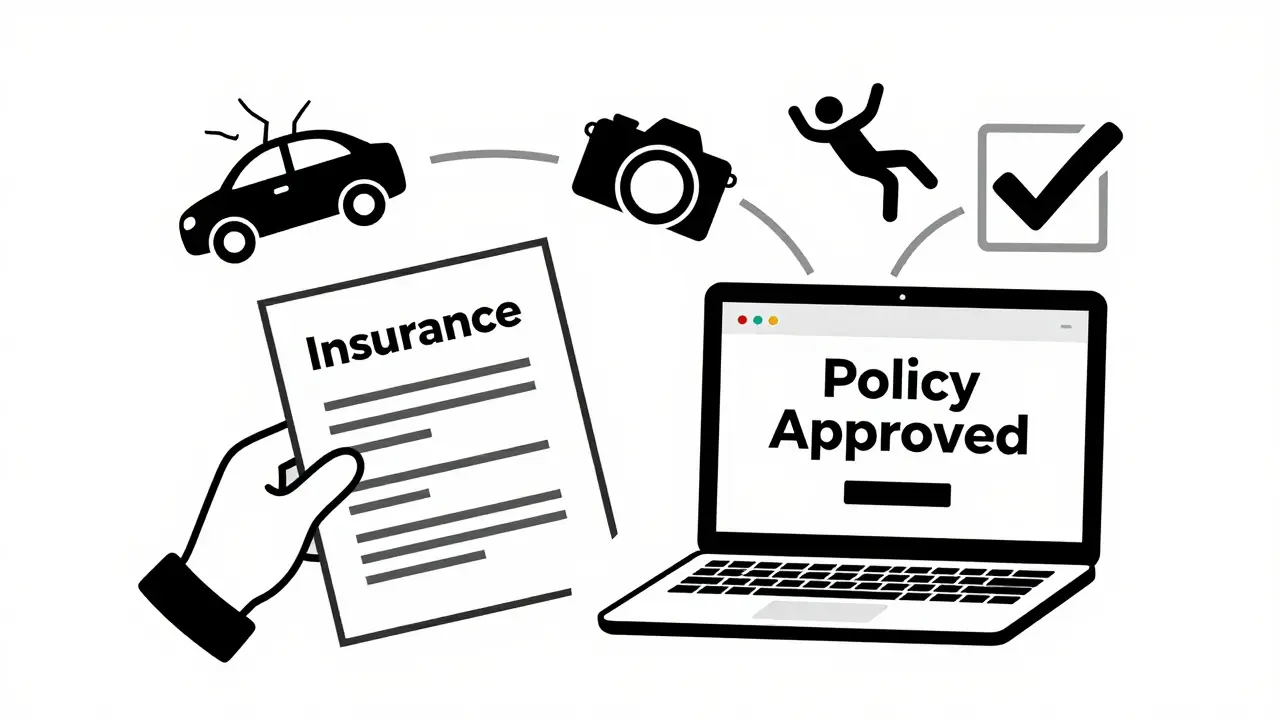
Basic film insurance isn’t just about equipment. It’s about liability. If your camera falls and cracks someone’s windshield, or your grip trips and breaks their leg, you’re on the hook. Without insurance, you pay out of pocket. That could be $10,000-or more.
Most film insurance policies cover:
- Third-party property damage (cars, buildings, signs)
- Third-party bodily injury (passersby, crew, bystanders)
- Equipment loss or damage (cameras, lights, sound gear)
- Cast and crew accidents (if you have them on payroll)
Some policies even cover delays caused by weather or permit issues. That’s rare, but worth asking for if you’re on a tight schedule.
In Australia, you can get basic location filming insurance for under $200 for a single day. Companies like Screen Queensland, Media Insurance Australia, and even some photography insurers offer short-term policies. Don’t wait until the day before to buy it. Most require 48 hours’ notice.
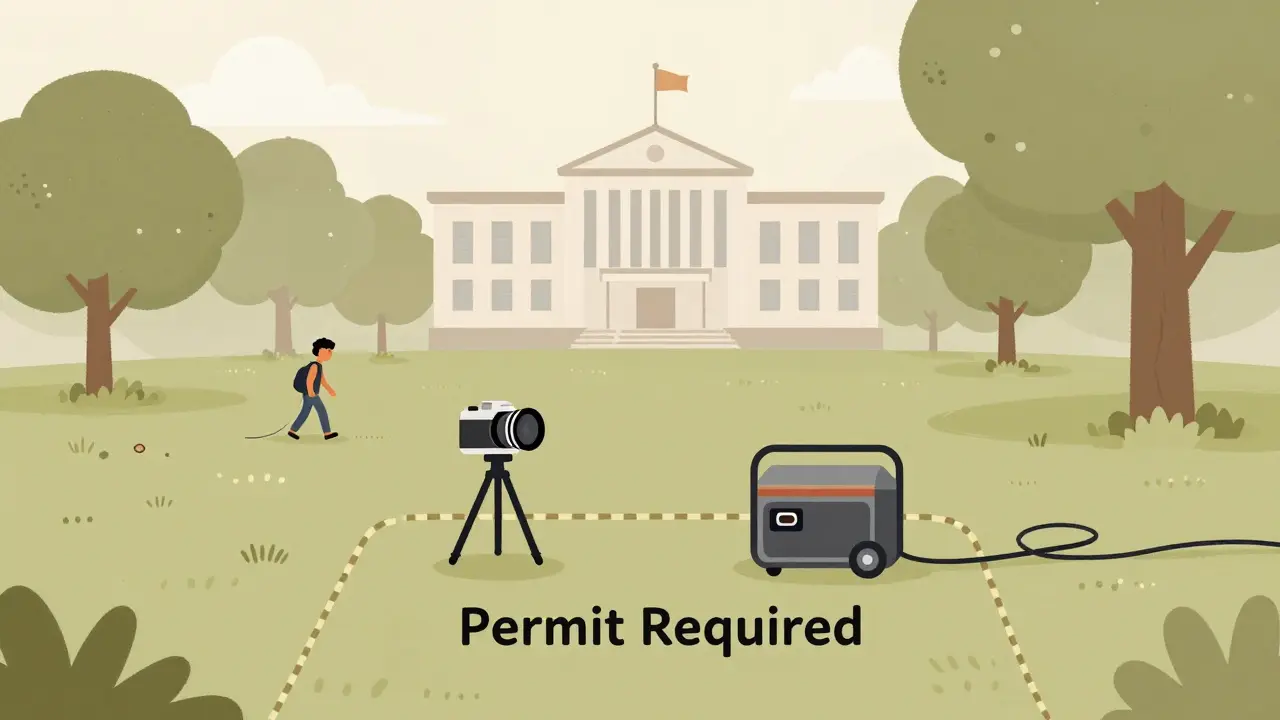
How to Get a Permit (Step by Step)
Here’s how to actually get a permit without wasting time.
- Identify the location - Is it council land, state land, or private? Use Google Maps and local council boundaries to be sure.
- Check local council rules - Brisbane City Council’s filming page lists requirements, fees, and application forms. Other councils like Gold Coast or Sunshine Coast have their own portals.
- Fill out the application - You’ll need: exact filming dates/times, equipment list, crew count, risk assessment, and a map of your shooting area.
- Pay the fee - Fees range from $50 to $800. Some councils waive fees for students or non-profits if you submit proof.
- Wait for approval - Don’t assume you’re approved until you get the email or PDF. Even if you’re told “yes” over the phone, get it in writing.
- Carry proof - Print it. Save it on your phone. Show it to police or council officers if they stop by.
Pro tip: Apply at least two weeks ahead. If you’re filming during festivals, holidays, or major events, book four to six weeks out. Permits fill up fast.
Insurance That Actually Works
Not all insurance is created equal. Some policies sound good but have huge loopholes.
Watch out for these red flags:
- Exclusions for “professional use” - If you’re posting the video online, even for free, some insurers say that’s “commercial.” Make sure your policy covers online distribution.
- Equipment limits - If you’re using a RED camera worth $20,000, make sure your policy covers its full value. Most basic policies cap at $5,000.
- No coverage for drones - If you’re flying a drone, you need a separate UAV policy. Standard film insurance won’t touch it.
- Only covers “crew” - If you’re filming with friends who aren’t paid, some policies won’t cover them. Check if “volunteers” are included.
Best option for indie filmmakers: get a policy from a provider that specializes in film. Ask for “Location Filming Liability + Equipment” coverage. Get at least $5 million in liability. That’s the standard most councils require.
Common Mistakes That Get You Shut Down
Here’s what goes wrong-every time.
- Thinking “it’s just a quick shot” - Councils don’t care how long you’re there. If you’re using gear, you need a permit.
- Using a friend’s insurance - Their policy won’t cover your shoot. Insurance is location- and project-specific.
- Not telling the council about your drone - Even if you’re not flying it over people, they need to know. Drones require separate approval.
- Assuming a permit covers noise - Most don’t. You need a separate noise exemption if you’re using generators or loud audio.
- Forgetting the release for private property - A café owner says yes, but you don’t get it in writing. Later, they change their mind and sue you for “trespassing.”
The biggest mistake? Waiting until the day of shoot to check. You don’t want to be the person who spent two weeks editing a perfect scene… only to be told you can’t use it because you didn’t file a form.
What Happens If You Don’t Get a Permit or Insurance?
Here’s the reality.
- You’ll be asked to stop filming. Police or council officers can shut you down on the spot.
- You could be fined-up to $5,000 in some areas.
- Your footage might be confiscated or deleted.
- You could be sued for damages if someone gets hurt.
- Your future permit applications will be denied.
And yes, it happens to small crews all the time. Last year, a student film group in Toowoomba lost $8,000 in equipment after their insurance claim was denied because they didn’t have a permit. The insurer said: “You broke the rules. We don’t cover illegal activity.”
Permits and insurance aren’t optional. They’re the foundation of professional filming-even if you’re not a pro.
Where to Start
If you’re new to this, here’s your checklist:
- Find your filming location on a council map
- Go to that council’s website and search “filming permit”
- Download the application form
- Get insurance from a film-specific provider
- Print both documents and carry them with you
- Call the council 48 hours before shooting to confirm
There’s no shortcut. But once you’ve done it once, it gets easier. Most councils have help desks for filmmakers. Call them. Ask questions. They’d rather help you get it right than fine you later.
Filming isn’t just about lighting and framing. It’s about responsibility. Do the paperwork. Get the insurance. Protect your work-and your future.
Do I need a permit if I’m filming with just my phone?
It depends on where and how. If you’re filming alone on a quiet footpath for under 30 minutes with no gear, you usually don’t need one. But if you’re using a tripod, mic, or lighting-even a small one-or filming for longer than 30 minutes in a busy area, most councils require a permit. When in doubt, check with your local council.
Can I use my home insurance for location filming?
Almost never. Home insurance covers personal property and liability in your own home. It doesn’t cover commercial activity, equipment used outside your property, or third-party injuries during filming. Using it for location work will void your claim if something goes wrong.
Do I need insurance if I’m not getting paid?
Yes. Insurance isn’t about payment-it’s about risk. If your camera falls and breaks a window, or a cable trips someone, you’re still liable. Even student films and passion projects need coverage. Most councils require proof of insurance regardless of budget or intent.
How much does film insurance cost in Australia?
Basic location filming insurance starts at around $150 for a single day, covering up to $5 million in liability and $10,000 in equipment. For longer shoots or higher-value gear, expect $300-$600. Some providers offer weekly or monthly plans. Always confirm coverage limits before buying.
What if I’m filming in multiple locations?
You need a separate permit for each council area you film in. For example, filming in Brisbane CBD and then in Redland City requires two permits. Insurance can often cover multiple locations under one policy-just make sure the locations are listed on the policy schedule.