27
Common Review Writing Mistakes and How to Avoid Them
You know that feeling when you buy something based on a glowing five-star rating, only to realize the product is garbage? Or maybe you left a detailed complaint about a terrible service, but nobody responded because your review was too vague or angry to be taken seriously. Review writing is an art form that sits right at the intersection of personal experience and public utility. It’s not just about venting; it’s about providing data that helps strangers make decisions. Yet, most people treat it like a quick text message to a friend. They miss the mark entirely.
If you want your words to actually matter-whether you’re trying to help other shoppers or get a company to fix their mistake-you need to avoid the traps that turn helpful insights into noise. Let’s break down the most common pitfalls and how to sidestep them with ease.
The "I Hate Everything" Syndrome
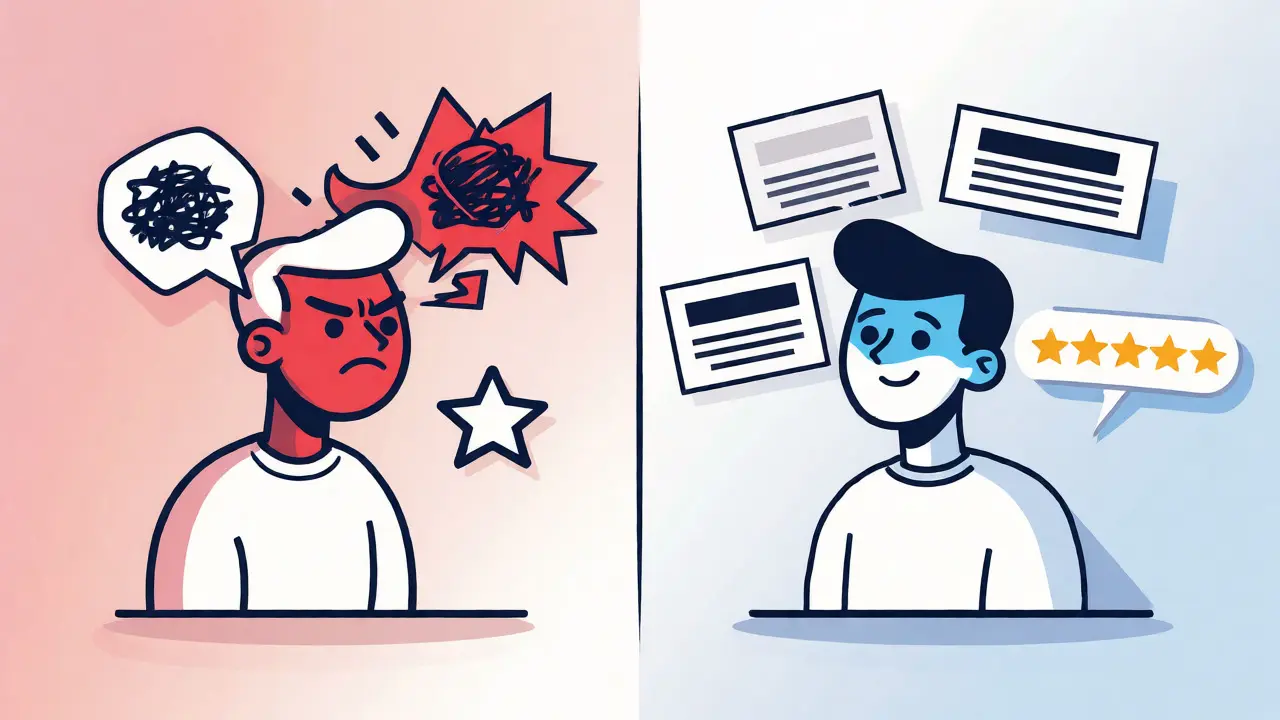
We’ve all been there. You had a bad day, the delivery was late, and now you’re ready to give one star to a perfectly good blender. The biggest mistake in online reviews is letting raw emotion hijack your judgment. When you write while furious, you tend to focus exclusively on what went wrong, ignoring any redeeming qualities. This creates a skewed perspective that feels less like a review and more like a rant.
Consider this: if you rate a restaurant one star because the waiter dropped your fork, but the food was Michelin-quality, future diners are misled. They might skip a great meal because they think the kitchen is bad. To fix this, wait twenty-four hours before hitting submit. Cool off. Then ask yourself: "Did everything fail, or did just one thing fail?" If it was just one thing, mention it clearly but acknowledge the positives. Balanced reviews carry way more weight with both readers and algorithms than emotional outbursts.
Vagueness Kills Credibility
"It was good." "Not great." "Meh." These phrases are useless. Imagine reading a book summary that just says, "The story was interesting." Would you buy the book? Probably not. You’d want to know *why* it was interesting. Was the plot twist shocking? Were the characters relatable? Vague adjectives are the enemy of helpfulness.
Be specific. Instead of saying "the camera is bad," say "the autofocus struggles in low light, resulting in blurry photos indoors." Instead of "the staff was rude," try "the barista ignored my order for ten minutes despite having no customers ahead of me." Specificity provides context. It allows another user to determine if the issue matters to them. Maybe you hate slow Wi-Fi, but if the reviewer specifies it’s only slow during peak evening hours, a remote worker might still consider the place for morning meetings.
Ignoring the Context of Use
A running shoe that’s perfect for a marathon runner might be terrible for someone who walks their dog once a week. One of the most overlooked aspects of effective product reviews is failing to state who you are and how you used the item. Without this context, your opinion lacks a frame of reference.
Start your review by defining your use case. Are you a beginner or a pro? Did you use the software for personal projects or enterprise-level data analysis? Did you cook the meal for two people or a family of six? For example, a laptop review from a video editor will highlight different specs (like GPU performance) than one from a student writing essays (who cares more about battery life and keyboard comfort). By stating your persona, you help similar users find relevant information quickly.
Forgetting the "Why" Behind the Rating
Numbers don’t tell the whole story. A three-star rating can mean anything from "this is mediocre" to "it broke after a week but I liked it otherwise." Readers often look at the star count first, then skim the text. If your text doesn’t explain the score, they’ll guess-and they might guess wrong.
Always justify your rating. If you gave four stars, explain why it wasn’t five. What was missing? If you gave two stars, explain why it wasn’t one. Was it functional but ugly? Did it work but cost too much? Connecting the quantitative score with qualitative reasoning bridges the gap between your experience and the reader’s expectations. It shows you thought critically about the product rather than just reacting impulsively.

Neglecting the Update Factor
Products change. Software gets patched. Restaurants change chefs. A review written six months ago might be completely irrelevant today. Many platforms allow you to edit or update reviews, but few people do it. If the company fixed the bug you complained about, or if the product improved after a firmware update, go back and note it.
This isn’t just nice for the seller; it’s crucial for accuracy. An outdated negative review can unfairly penalize a product that has since improved. Conversely, an old positive review might miss new issues introduced by a recent update. Treat your review as a living document. If you notice significant changes, add a small postscript or edit the original text. It demonstrates integrity and keeps the information ecosystem healthy.
Comparison Table: Weak vs. Strong Reviews
| Element | Weak Review Example | Strong Review Example |
|---|---|---|
| Specificity | "The phone is slow." | "The app takes 5 seconds to load, which is frustrating when checking emails on the go." |
| Context | "Great for gaming." | "Handles high-end games like Genshin Impact well, but heats up after 30 minutes." |
| Balanced Tone | "Worst purchase ever! Total junk!" | "The build quality feels cheap, but the sound quality is surprisingly crisp for the price." |
| Actionable Advice | "Buy it." | "Buy it if you prioritize battery life over camera features." |
How to Structure a Killer Review
You don’t need a degree in journalism to write a great review. You just need a simple structure. Think of it as a mini-report. Here’s a checklist to keep handy:
- Headline: Summarize your main takeaway in one sentence. E.g., "Good value, but poor customer support."
- Introduction: Briefly state what you bought and why. Mention your experience level.
- Pros: List 2-3 things you genuinely liked. Be specific about features.
- Cons: List 1-2 things that disappointed you. Explain the impact.
- Verdict: Who should buy this? Who should avoid it?
This format is easy to scan. Busy readers love bullet points and clear headings. It also forces you to organize your thoughts, preventing the rambling that plagues many long-form complaints.

The Power of Photos and Proof
In the age of AI-generated content, authenticity is currency. Text-only reviews are fine, but adding a photo sets you apart. Did the box arrive crushed? Take a picture. Is the color different from the website? Snap a shot next to a known object for scale. Visual evidence builds trust instantly.
Don’t worry about professional photography skills. A shaky iPhone photo of the actual product in your home is more valuable than a stock image. It proves you actually own and used the item. Plus, seeing the real-world size or condition helps others visualize ownership better than any adjective could.
Understanding Platform Nuances
Not all review sites are created equal. Amazon rewards verified purchases and detailed text. Yelp values community engagement and photos. TripAdvisor looks for trip-specific details. Tailor your approach slightly depending on where you’re posting.
On e-commerce sites, focus on functionality and durability. On service platforms, emphasize interaction and outcome. Reading a few top-rated reviews on the specific platform before writing yours gives you a sense of the expected tone and depth. Mimic the style that resonates with that community.
Frequently Asked Questions
Do companies read reviews even if they have thousands?
Yes, especially newer brands or those with active social media teams. While large corporations may not read every single comment, they often use automated tools to track sentiment trends. A detailed, constructive review is more likely to be flagged and reviewed by human moderators than a short, angry one.
Is it better to write a long or short review?
Length isn't the goal; clarity is. A concise, well-structured 100-word review is often more helpful than a rambling 500-word essay. Aim for enough detail to justify your rating and provide context, but cut out filler words. Most readers skim, so front-load your most important points.
Should I mention competitors in my review?
Absolutely. Comparing the product to alternatives helps readers understand its position in the market. For example, saying "This vacuum is quieter than the Dyson V11 but has less suction power" gives buyers a clear trade-off scenario. Just ensure the comparison is fair and factual.
What if I regret my purchase after writing a positive review?
Update it. Honesty is key. Add a follow-up note explaining that the product failed after two weeks. This adds credibility to your initial review and warns future buyers about potential longevity issues. It shows you’re committed to accuracy, not just being nice.
Does grammar really matter in online reviews?
Perfect grammar isn't required, but readability is. Typos can make a review seem rushed or insincere. However, a deeply insightful review with minor errors is usually valued higher than a grammatically perfect but shallow one. Focus on clear communication over stylistic perfection.
Final Thoughts on Being a Better Reviewer
Writing reviews is a civic duty in the digital economy. Every time you take thirty seconds to be specific, balanced, and honest, you improve the shopping experience for everyone else. You help filter out the hype and highlight the truth. So next time you’re tempted to type "bad" and hit enter, pause. Ask yourself what specifically made it bad, and who needs to know that. Your voice matters, but only if you speak clearly.