31
COPPA and Kids Privacy: How Streaming Apps Handle Children’s Data

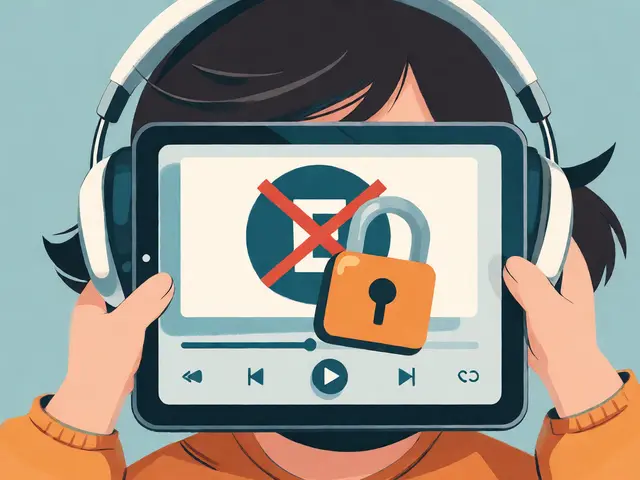
When your child watches cartoons on a tablet, they’re not just enjoying a show-they’re leaving a digital trail. Streaming apps collect everything: what they watch, when they watch it, how long they pause, even the device they use. And under U.S. law, that data is supposed to be protected. But how well are apps actually following the rules? The COPPA law exists to shield kids under 13 from invasive data collection, yet many streaming platforms still find ways around it-or ignore it entirely.
What COPPA Actually Requires
COPPA, or the Children’s Online Privacy Protection Act, was passed in 1998 and updated in 2013. It doesn’t just say "be nice" to kids online-it lays out hard rules. If a website or app knows it’s targeting children under 13, or if it has actual knowledge that a child under 13 is using it, then it must:
- Get verifiable parental consent before collecting any personal information
- Clearly explain what data is collected and how it’s used
- Give parents control over their child’s data-like the right to delete it
- Keep data secure and not keep it longer than necessary
- Not condition a child’s access to a service on collecting more data than needed
Personal information? That’s not just name and email. It includes IP addresses, device identifiers, geolocation, cookies, audio and video files, and even persistent identifiers that track behavior across apps. So if a streaming app records what your 7-year-old watches every night and uses that to serve ads later-even if the ad is for cereal-it’s breaking COPPA.
How Streaming Apps Try to Get Around COPPA
Many apps claim they’re "family-friendly" or "for all ages," but that’s not enough. COPPA doesn’t care if the content is safe-it cares if the app collects data from kids. Some apps use clever workarounds:
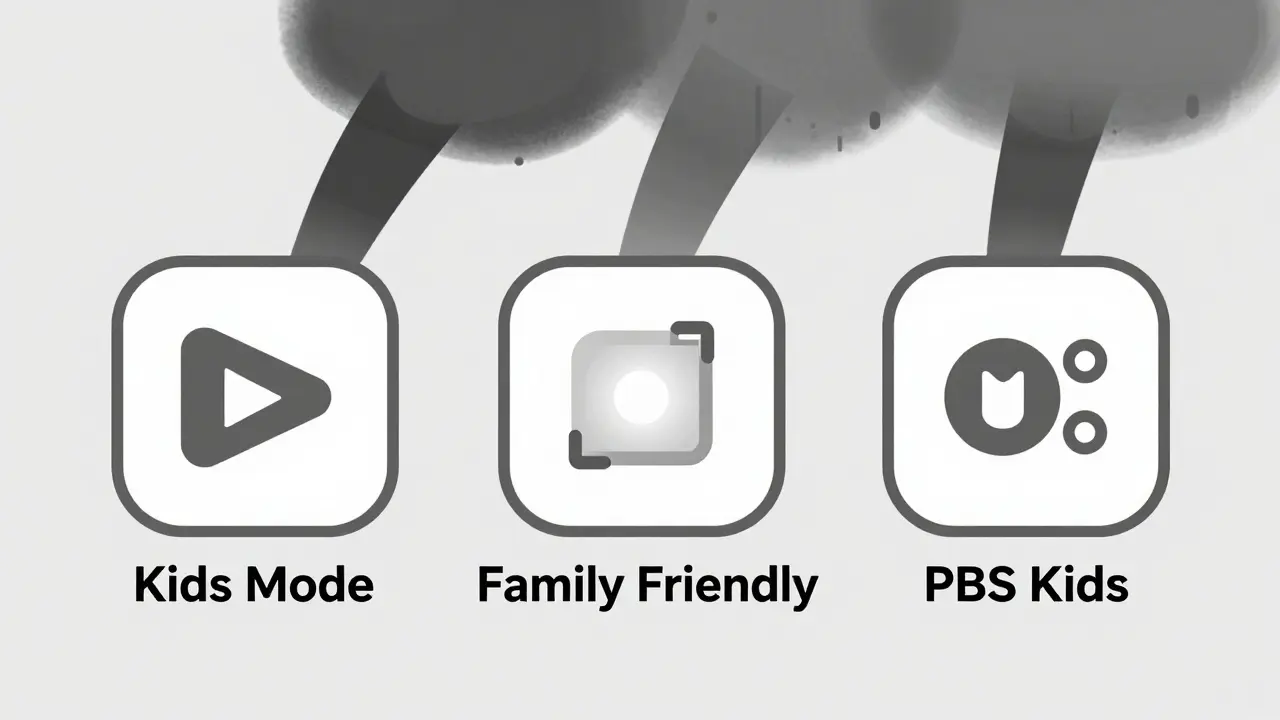
- They create a "kid mode" that looks like a safe space but still tracks viewing habits through device IDs
- They rely on age-gating, where users self-report their age-easy for kids to fake
- They say they don’t "know" a child is using the app, even when the app is filled with cartoons, nursery rhymes, and animated pets
In 2023, the FTC fined a major streaming platform $20 million for collecting data from children under 13 without consent-even though the app had a "Kids" tab. The FTC found that 85% of the users of that tab were under 13, and the app’s algorithms were designed to recommend content based on viewing patterns. That’s not accidental. That’s design.
What Data Streaming Apps Actually Collect from Kids
It’s not just what they watch. Here’s what’s really being gathered:
- Device fingerprints: Unique combinations of hardware, OS version, screen size, and installed apps that can identify a child’s tablet even without a login
- Viewing history: Every episode, every pause, every rewinds-used to build behavioral profiles
- Interaction data: How long they stare at a character, whether they tap the screen, if they skip ads
- Location data: Even if turned off, some apps infer location from Wi-Fi networks or IP addresses
- Audio recordings: Some apps use microphones to detect ambient noise-like if a parent is nearby-and adjust content or ads accordingly
One 2024 study by the Center for Digital Democracy found that 7 out of 10 top children’s streaming apps shared data with third-party ad networks. Some of those networks then sold that data to marketers who specialize in targeting families. That means your child’s favorite cartoon character might be used to sell you cereal, diapers, or vacation packages-based on how often your kid watched it.
Parental Controls Aren’t Enough
You might think turning on parental controls or using a kid profile solves the problem. It doesn’t. Most parental controls only block content or limit screen time. They don’t stop data collection. Even if you disable personalized ads in the app settings, the app can still track your child’s behavior and sell that data under the guise of "analytics" or "improving user experience."
Some apps, like YouTube Kids, claim to be COPPA-compliant. But they still collect device IDs and viewing patterns. And while they don’t serve targeted ads, they still serve ads-just generic ones. That’s not privacy. That’s reduced tracking. The FTC has repeatedly warned that "limited ads" isn’t the same as "no data collection."
Which Streaming Apps Are Actually Doing It Right
A few apps are trying harder. Here’s what they do differently:
- Apple TV+ Kids Profile: No tracking. No ads. No data collection beyond what’s needed to stream the video. Parental consent is required to even create a kid profile.
- Disney+ Kids Profile: Requires a parent to set up the profile with a verified account. No third-party trackers. No behavioral targeting. Data is deleted after 30 days.
- PBS Kids Video: Operated by a nonprofit. Doesn’t collect any personal data. No ads at all. No login required.
These apps don’t just comply with COPPA-they design for it from the start. They treat children’s data like a sacred trust, not a commodity. And they’re proof that you don’t need to track kids to make a great streaming experience.
What You Can Do Right Now
You don’t need to be a tech expert to protect your child’s privacy. Here’s what works:
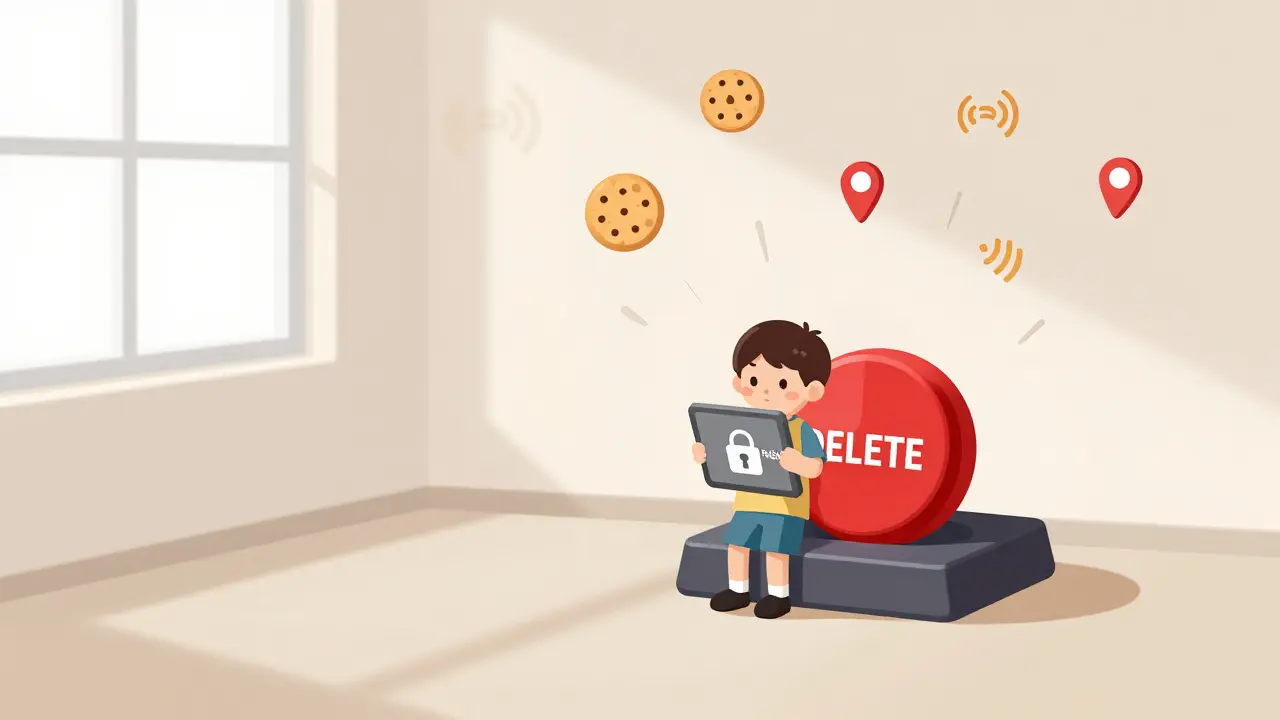
- Check the app’s privacy policy-not the summary, the full document. Look for phrases like "we collect device identifiers" or "we use cookies to personalize content." If you see those, be wary.
- Turn off personalized ads in the app settings, even if you think it’s already "kids mode."
- Use a separate device or tablet just for your child’s apps. Don’t let them use your phone or tablet with your login.
- Disable location services for kids’ apps in your device’s settings.
- Use browser-based versions instead of apps when possible. Websites are more likely to be COPPA-compliant than apps.
- Report suspicious apps to the FTC at reportfraud.ftc.gov. Even one report can trigger an investigation.
And if you’re really serious? Delete the apps. Use physical DVDs or streaming through a TV with a verified parental account. Less convenience, more control.
Why This Matters Beyond Privacy
It’s not just about ads. When kids are tracked from birth, they grow up believing their behavior is always being watched, analyzed, and monetized. That shapes how they see themselves and the world. A child who learns early that their attention is a product may struggle to form healthy relationships with media later on.
And legally? Companies that ignore COPPA risk massive fines. In 2024, the FTC collected over $150 million in penalties from apps that violated children’s privacy rules. But fines come after the damage is done. The real cost is what’s lost: childhood freedom from surveillance.
Does COPPA apply to apps outside the U.S.?
COPPA only applies to companies operating in the U.S. or targeting U.S. children. But if a streaming app like Netflix or YouTube has a U.S. user base, even if it’s based overseas, it still has to follow COPPA rules when serving content to kids under 13 in the U.S. Many global apps now apply COPPA-style protections worldwide because it’s easier than managing different rules per country.
Can I delete my child’s data from a streaming app?
Yes, under COPPA, parents have the right to request deletion of their child’s personal data. But many apps make it hard. Look for a "Privacy Settings" or "Data Request" option in the app’s account menu. If you can’t find it, email the company directly using the contact info in their privacy policy. Keep a record of your request. If they don’t respond within 30 days, file a complaint with the FTC.
Are kid profiles on Netflix or Hulu really safe?
Netflix and Hulu claim their kid profiles don’t collect personal data for advertising. But they still collect viewing history and device info to improve recommendations. They don’t sell that data to third parties, which is good. But they do use it internally to tailor content-meaning your child’s preferences are still being tracked. For true privacy, use a separate device and disable personalized recommendations.
What if my child uses an app without my permission?
If your child downloaded an app on your device without your knowledge, you still have rights under COPPA. The app is responsible for knowing it’s collecting data from a child under 13. If the app is clearly designed for kids (cartoons, simple games, nursery rhymes), then it’s legally required to get your consent-even if your child bypassed parental controls. You can still demand deletion of the data and report the app.
Do smart TVs with kids’ apps follow COPPA?
Yes. Smart TVs with built-in kids’ apps are treated the same as mobile apps under COPPA. If the TV’s app collects device IDs, viewing habits, or location, it must get parental consent. Many TV manufacturers skip this step, assuming the TV is just a display. That’s a legal gray area-and one the FTC is starting to crack down on. Always check the privacy settings on your TV’s app store and disable data sharing for kids’ apps.
Final Thought: Privacy Isn’t a Feature-It’s a Right
Streaming apps don’t need to know what your child watches to show them a good show. They don’t need to track their pauses, their taps, or their laughter. The technology exists to deliver content without surveillance. The question isn’t whether they can collect data-it’s whether they should. And for kids? The answer should always be no.