16
David Fincher Filmography Ranked: From Zodiac to The Killer
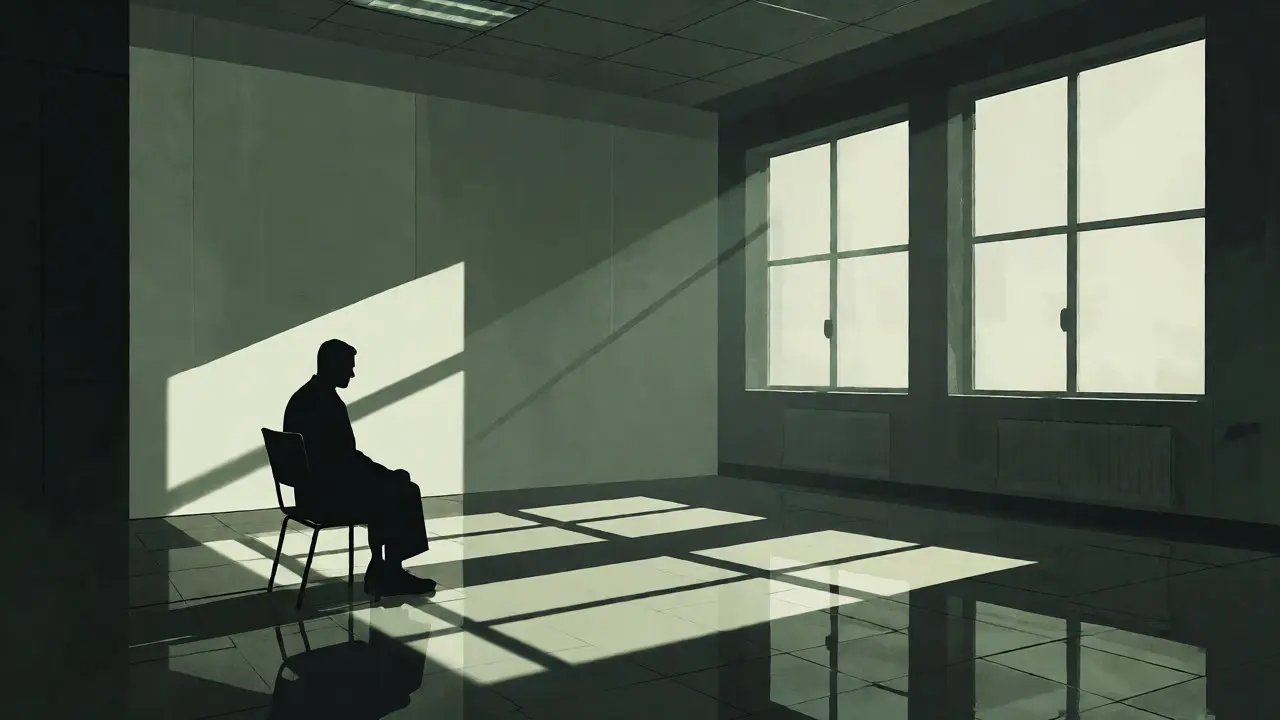
There is a specific kind of dread that only David Fincher can manufacture. It’s not the jump-scare dread of a haunted house, nor the gore-drenched panic of a slasher flick. It’s the cold, sterile dread of knowing you are being watched by something intelligent, patient, and utterly indifferent to your suffering. If you’ve ever sat in a dark theater, feeling the air conditioning hum louder than the dialogue, wondering if the protagonist’s paranoia was justified or just another symptom of their unraveling mind, you’ve experienced the Fincher effect.
Ranking his work isn’t just about picking favorites; it’s about understanding how he has refined his obsession with control, order, and the chaos lurking beneath suburban lawns. From the neon-soaked nihilism of Fight Club to the clinical precision of The Killer, Fincher has built a body of work that acts as a mirror for our own anxieties about technology, identity, and mortality. But which films hit the mark, and which ones miss? Let’s break down the filmography, from the masterpieces to the misfires.
The Cold Precision of The Killer (2023)
The Killer is a neo-noir action thriller that deconstructs the genre through the lens of obsessive professionalism. Starring Michael Fassbender as an unnamed assassin who narrates his own meticulous routines, the film strips away the glamour of hitman movies. There are no car chases for the sake of spectacle here. Instead, we get hours of waiting, cleaning, and planning.
This film is pure Fincher DNA. It’s about systems failing. When the protagonist misses his target because of a sneeze-a biological glitch in his otherwise perfect machine-the entire structure collapses. The pacing is deliberate, almost glacial, forcing you to sit with the boredom of violence. It’s not for everyone. If you want explosions, you’ll hate it. But if you appreciate the sound design of a suppressed rifle echoing in a concrete room, this is cinema at its most hypnotic. It ranks high because it refuses to compromise its vision for mass appeal.
Zodiac: The Detective Who Couldn’t Quit
If The Killer is about the professional, Zodiac is a procedural crime drama focused on the toll of unsolved mysteries on journalists and police. Released in 2007, it initially received mixed reviews but has since ascended to cult classic status, often cited by critics as one of the best films of the 21st century.
What makes Zodiac so potent is its refusal to give you closure. In most thrillers, the detective catches the killer. Here, the mystery remains open. The real horror isn’t the murders; it’s the bureaucracy, the dead ends, and the way the case consumes every waking hour of Robert Graysmith’s life. Jake Gyllenhaal and Robert Downey Jr. deliver performances grounded in exhaustion rather than heroics. The film argues that some truths are too heavy to carry alone. It’s a masterpiece of atmosphere, where the foggy San Francisco streets feel like characters themselves.
Mindhunter: Not a Film, But Essential Viewing
While technically a series, Mindhunter belongs in any serious discussion of Fincher’s visual language. It shares the same cerebral DNA as his feature films, focusing on the early days of criminal profiling.
The show explores how FBI agents interviewed serial killers to understand their psychology. It’s dialogue-driven, tense, and deeply unsettling without showing much blood. Ed Kemper, played with chilling politeness by Cameron Britton, is more terrifying than any monster because he explains exactly why he did what he did. This project showcases Fincher’s ability to sustain tension over long periods, proving his skills translate perfectly to television.
Gone Girl: The Marriage as Horror Movie
Gone Girl is a psychological thriller adapted from Gillian Flynn’s novel, exploring the performative nature of modern relationships. Released in 2014, it became a cultural phenomenon, largely thanks to Rosamund Pike’s Oscar-nominated performance as Amy Dunne.
The twist in the middle of the movie changes everything. You think you’re watching a missing person mystery, but you’re actually watching a war between two narcissists. Fincher directs the domestic scenes with the same detached eye he uses for murder investigations. The camera lingers on faces, catching micro-expressions that betray lies. It’s cynical, sharp, and brutally funny. While some critics found the ending bleak, it’s arguably the most accurate depiction of toxic marriage ever put on screen. It ranks highly for its narrative audacity and commercial success.
Se7en: The Rain-Soaked Nightmare
No list is complete without Se7en. This 1995 thriller established Fincher’s reputation for dark, gritty aesthetics. Brad Pitt and Morgan Freeman play detectives hunting a killer who punishes victims based on the seven deadly sins.
The cinematography by Darius Khondji is legendary. The city is perpetually raining, dirty, and claustrophobic. But the true power of Se7en lies in its ending. Without spoiling it for those who haven’t seen it, let’s just say it subverted every expectation audiences had for a Hollywood blockbuster. It wasn’t triumphant; it was devastating. The film captures the mid-90s anxiety about urban decay and moral collapse. It’s a cornerstone of the neo-noir revival, influencing countless imitators who never captured its grim poetry.
Fight Club: The Cultural Phenomenon
Fight Club is a satire of consumer culture and masculinity, released in 1999. Initially polarizing, it became a defining film of the late 90s, spawning a massive fanbase and endless merchandise.
Edward Norton’s narrator suffers from insomnia and works a soul-crushing job until he meets Tyler Durden, played with chaotic charisma by Brad Pitt. The film critiques how we define ourselves through what we buy. Its editing style-rapid cuts, subliminal frames-was revolutionary for its time. However, upon rewatching, some cracks appear. The third act devolves into generic action-movie territory, losing the philosophical bite of the first two hours. Still, its impact on pop culture is undeniable. It taught a generation to question authority, even if they missed the irony.
Panic Room: The Technical Exercise
Panic Room is a home invasion thriller starring Jodie Foster and Kristen Stewart. Released in 2002, it was Fincher’s attempt to make a straightforward studio thriller after the controversial reception of Fight Club.
Technically, it’s impressive. The use of CGI cameras moving through walls and floors set new standards for visual effects. But narratively, it feels safe. The stakes are personal, but the script lacks the depth of his other works. It’s a well-crafted B-movie elevated by top-tier direction. It’s entertaining, but forgettable compared to the psychological weight of Se7en or Zodiac.
The Curious Case of Benjamin Button: Ambition Over Heart
The Curious Case of Benjamin Button is a fantasy romance about a man born old who ages backward. Despite receiving numerous Academy Award nominations, including Best Picture, many fans consider it Fincher’s weakest effort.
The problem isn’t the concept-it’s fascinating. The issue is the execution. The film stretches a short story into nearly three hours, resulting in a bloated runtime that tests patience. The digital aging effects were groundbreaking for 2008, but today they look dated. More importantly, the emotional core feels manufactured. Fincher’s cold detachment clashes with the sentimental tone required for a tearjerker. It’s a beautiful failure, ambitious but lacking the visceral punch of his thrillers.
The Social Network: Dialogue as Weapon
The Social Network is a biographical drama about the founding of Facebook, written by Aaron Sorkin. Released in 2010, it proved Fincher could handle fast-paced, dialogue-heavy scripts better than anyone else.
Sorkin’s rapid-fire dialogue usually feels theatrical, but under Fincher’s direction, it becomes kinetic energy. Jesse Eisenberg plays Mark Zuckerberg as socially awkward but intellectually arrogant. The scene where Zuckerberg sues Winklevoss twins while typing code is iconic. It captures the birth of the internet age-the shift from physical presence to digital identity. It’s smart, witty, and surprisingly tragic. For many, this is the peak of Fincher’s career because it combines technical mastery with relevant social commentary.
Alien 3: The Compromised Vision
We have to address the elephant in the room: Alien 3 is the third installment in the Alien franchise, directed by David Fincher in his feature debut. Released in 1992, it was plagued by production hell, with Fincher having little creative control.
While the “Assembly Cut” improves the narrative significantly, the theatrical version remains messy. Sigourney Weaver carries the film, but the plot holes are glaring. It’s important to include because it shows where Fincher started-and how far he came. He hated the experience, vowing never to make a sequel again unless he had final cut rights. That lesson shaped his entire career, leading to the uncompromising visions of Se7en and Fight Club.
| Rank | Film Title | Year | Primary Theme | Key Strength |
|---|---|---|---|---|
| 1 | Zodiac | 2007 | Obsession & Truth | Atmosphere & Pacing |
| 2 | Se7en | 1995 | Moral Decay | Narrative Twist |
| 3 | The Social Network | 2010 | Ambition & Isolation | Dialogue & Editing |
| 4 | Gone Girl | 2014 | Deception & Performance | Acting & Structure |
| 5 | The Killer | 2023 | Control & Failure | Sound Design & Tone |
| 6 | Fight Club | 1999 | Identity & Consumerism | Cultural Impact |
| 7 | Mank | 2020 | Hollywood History | Production Design |
| 8 | Panic Room | 2002 | Survival | Technical Innovation |
| 9 | Benjamin Button | 2008 | Time & Love | Visual Effects |
| 10 | Alien 3 | 1992 | Horror | Set Design |
Why Mank Deserves More Credit
Often overlooked, Mank is a black-and-white biopic about screenwriter Herman J. Mankiewicz and his work on Citizen Kane. Released in 2020, it’s a love letter to Old Hollywood.
Fincher spent decades trying to make this film, originally envisioned by his father. The monochrome aesthetic isn’t just nostalgia; it emphasizes the artificiality of the studio system. Gary Oldman delivers a nuanced performance as the alcoholic, brilliant writer. It’s a film about writing itself-how stories are constructed, sold, and forgotten. It’s slow, dense, and requires attention, but rewards viewers with a deep dive into the mechanics of storytelling.
Common Threads Across the Filmography
Look closely, and you’ll see patterns. Fincher loves closed spaces: apartments, offices, newsrooms, submarines (Alien 3). These environments trap his characters, forcing them to confront internal demons. He also favors protagonists who are obsessed with order. Whether it’s the assassin in The Killer or the journalist in Zodiac, they try to impose logic on a chaotic world. They always fail.
His color palette is another signature. Greens, grays, and muted blues dominate. Even when there’s sunlight, it feels filtered, distant. This visual consistency creates a cohesive universe, even when genres shift from sci-fi to romance. It’s a testament to his discipline as a director. He doesn’t chase trends; he refines his own style until it becomes unmistakable.
Is David Fincher still making movies?
Yes, although his output is slow. His most recent major release was The Killer in 2023. He is known for taking years between projects to ensure perfection, often involving extensive reshoots and post-production tweaks.
Which David Fincher film is best for beginners?
Gone Girl or The Social Network are good entry points. They are accessible, fast-paced, and showcase his strengths in acting and dialogue without requiring the patience needed for Zodiac or The Killer.
Why is Zodiac considered a masterpiece?
Critics praise Zodiac for its realistic portrayal of police work and journalism. Unlike typical thrillers, it focuses on the process rather than the payoff, creating a unique sense of dread and authenticity that resonates with adult audiences.
Did David Fincher direct all episodes of Mindhunter?
No, but he directed several key episodes and served as executive producer. His influence on the show’s visual style and tone is pervasive, making it feel like an extension of his film work.
What is the theme of Fight Club?
The central theme is the crisis of masculinity and the emptiness of consumer culture. It suggests that men are defined by their jobs and possessions, leading to an existential void that drives them toward self-destruction.
Final Thoughts on Watching Order
If you’re new to Fincher, don’t start with Alien 3. Start with Se7en to understand his roots in darkness, then move to Fight Club for the stylistic flair. Follow up with Zodiac to appreciate his maturity. Save The Killer for last-it’s the culmination of his career, stripping away everything unnecessary to leave only the essential tension. Each film builds on the last, creating a comprehensive study of human behavior under pressure. It’s not just entertainment; it’s a diagnostic tool for the modern condition.