22
Fast & Furious Franchise Analysis: Evolution from Street Racing to Space
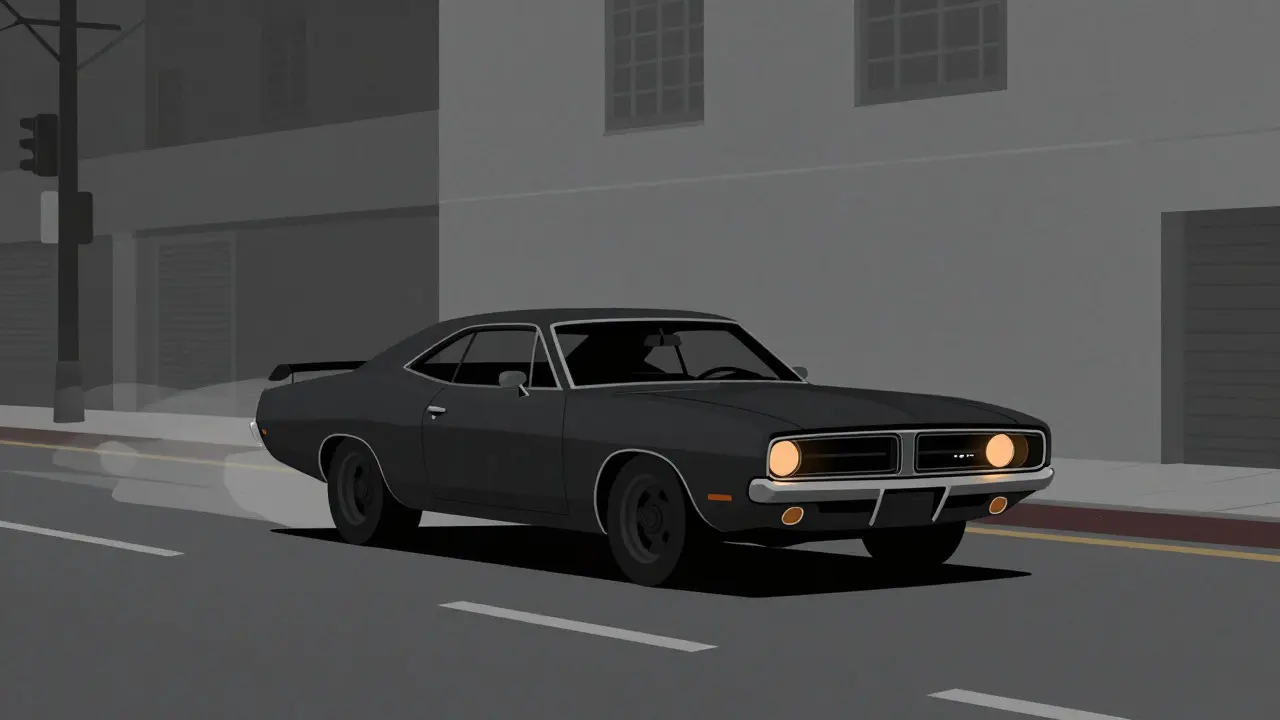
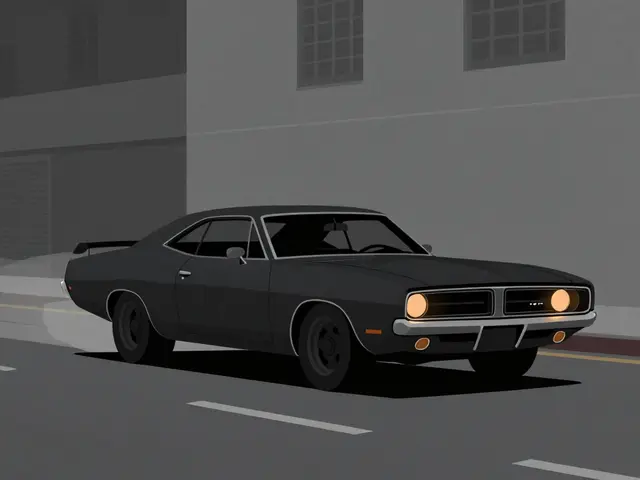
Remember when Dominic Toretto was just a guy who loved his 1970 Dodge Charger and believed that "family is everything"? That was 2001. Today, he's punching aliens on an asteroid while driving a car through the vacuum of space. The Fast & Furious franchise has undergone one of the most radical transformations in modern action cinema. It started as a gritty, low-budget street racing movie and ended up becoming a global blockbuster machine that defies physics, logic, and sometimes common sense. But how did it get there? And why does it still work for millions of fans worldwide?
The Origins: Gritty Realism and Street Culture
The first film, released in 2001, was a sleeper hit. It wasn't polished. It wasn't flashy. It focused on the underground racing scene in Los Angeles. The core appeal was authenticity. Fans connected with the cars, the slang, and the tension between law enforcement and racers. Vin Diesel played Dom Toretto, a character defined by his love for family and his refusal to give up. The antagonist, Brian O'Conner (Paul Walker), was an undercover cop trying to catch the best racer in the city. This setup created immediate conflict and emotional stakes.
At this stage, the franchise was rooted in realism. Cars were modified but functional. Stunts were impressive but grounded in what was physically possible. The budget was modest, around $38 million, yet it grossed over $200 million globally. This financial success signaled to studios that there was a massive appetite for this specific blend of high-octane driving and character-driven drama.
The Expansion: From Local Gangs to Global Threats
By the third installment, The Fast and the Furious: Tokyo Drift (2006), the series had expanded geographically but kept its roots. However, the fourth film, Fast & Furious (2009), marked a turning point. Directed by Justin Lin, this entry brought back the original cast after a hiatus. The plot shifted from local street races to international drug smuggling. The scale increased significantly. Cars were no longer just for racing; they were weapons, transport, and tools for escape.
This shift introduced a new dynamic: the team became more like a special ops unit. They weren't just drivers; they were problem solvers. The introduction of characters like Letty Ortiz (Michelle Rodriguez) and Roman Pearce (Tyrese Gibson) added depth and humor. The tone began to lighten, allowing for comedic relief amidst the action. This balance of seriousness and fun helped broaden the audience beyond hardcore car enthusiasts.
The Escalation: Physics Take a Back Seat
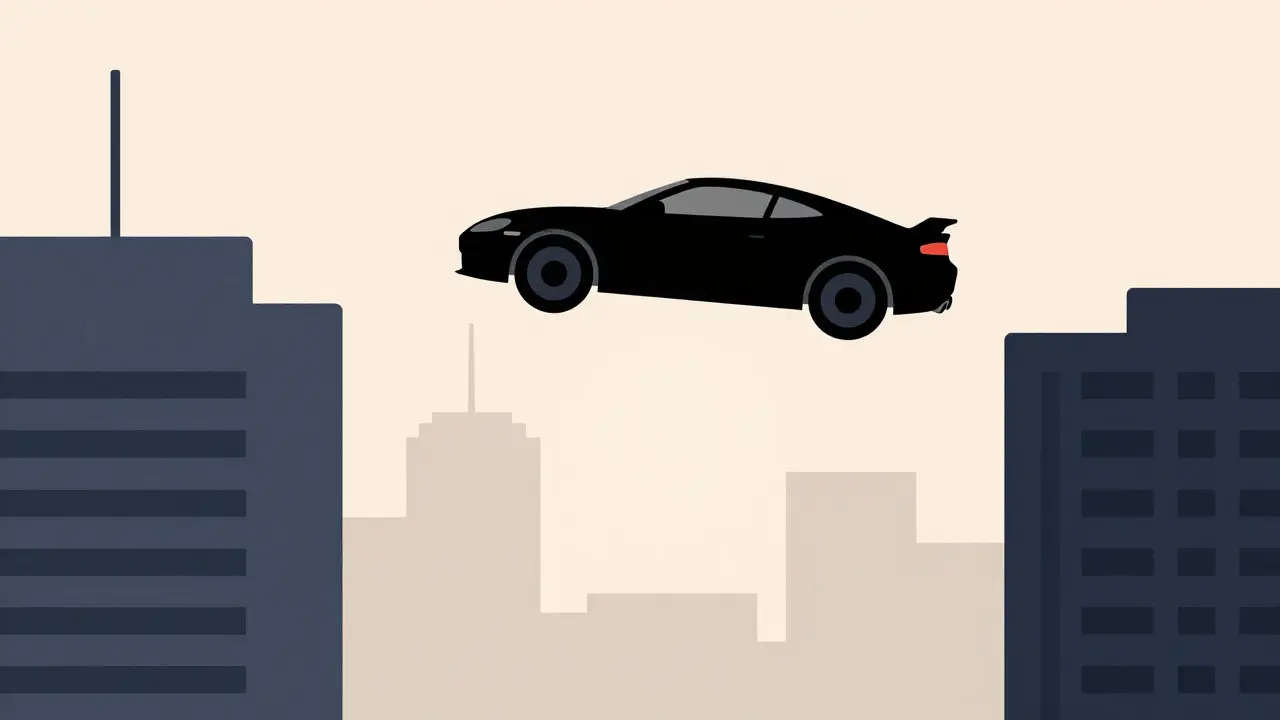
Furious 7 (2015) is often cited as the peak of the franchise's escalation. Released shortly after Paul Walker's tragic death, the film served as both a continuation and a tribute. The action sequences became larger than life. We saw cars jumping across skyscrapers, trucks flying through the air, and explosions that rivaled any superhero movie. The budget soared to $165 million, reflecting the growing ambition of the production.
At this point, realism was no longer the goal. Spectacle was. The franchise embraced absurdity. If it looked cool on screen, it happened. This approach resonated with audiences who wanted pure entertainment without worrying about plausibility. The film grossed over $650 million worldwide, cementing its status as a cultural phenomenon. The tagline "Family" took on a deeper meaning, not just for the characters, but for the fans who felt connected to the journey.
Crossing Over: Into Space and Beyond
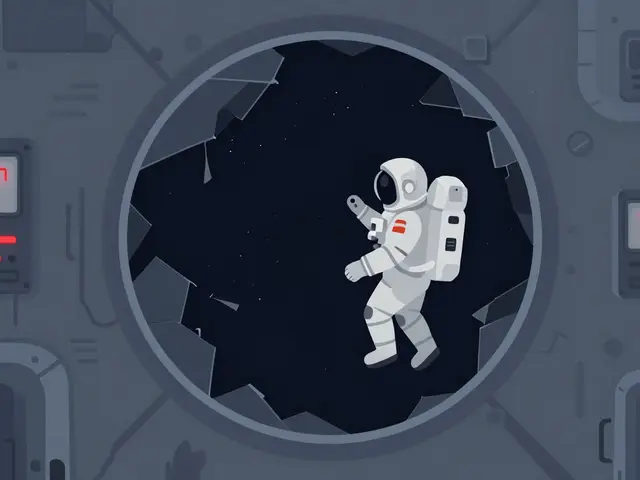
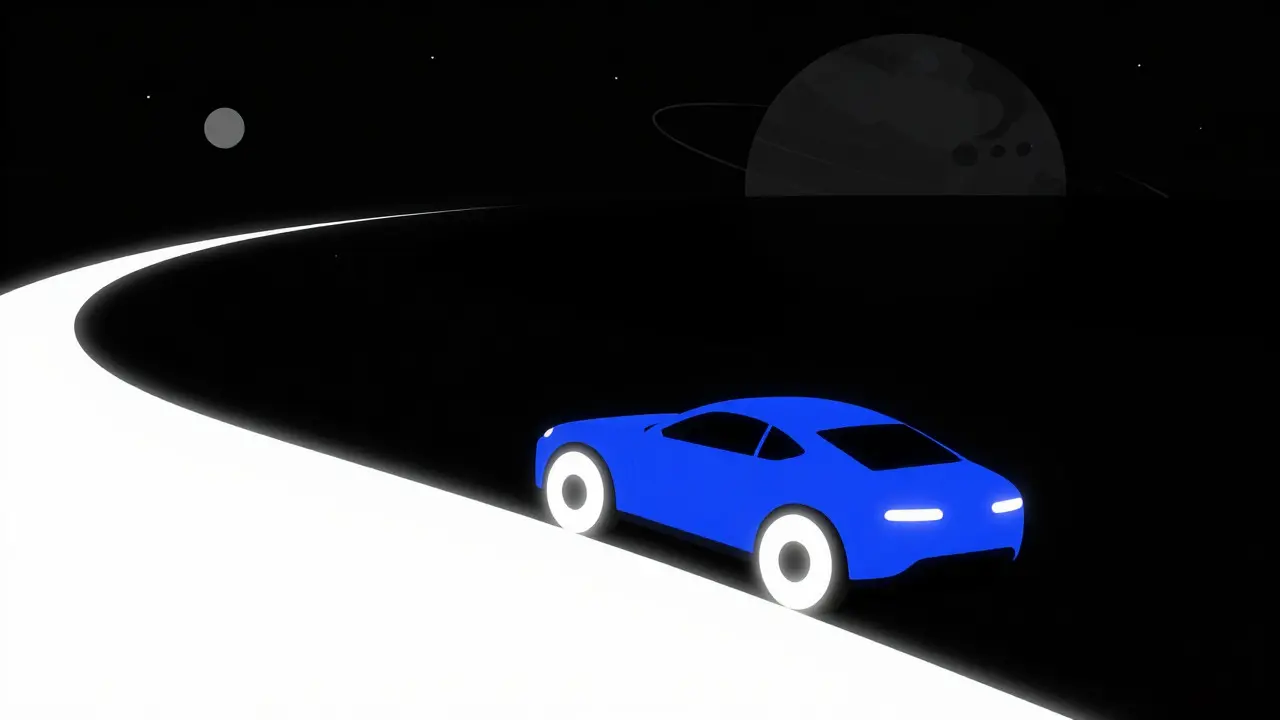
F9 (2021) pushed the boundaries even further. With the introduction of Jakob Toretto, Dom's brother, the story moved from Earth to space. Yes, you read that right. A car driven through the vacuum of space. This moment symbolized the complete departure from reality. The franchise was no longer bound by the laws of physics or even basic science. It was a celebration of imagination and excess.
Despite critical skepticism, F9 performed well at the box office, especially considering the pandemic context. It proved that audiences were willing to suspend disbelief if the emotional core remained strong. The family dynamic, the music, and the sheer spectacle kept viewers engaged. The film also introduced younger actors, signaling a transition for the next generation of fans.
Why It Works: Emotional Core and Spectacle
So, why does a franchise that starts with street racing end up in space? The answer lies in its ability to maintain an emotional core while escalating the spectacle. At its heart, Fast & Furious is about loyalty, trust, and found family. These themes are universal. Whether the threat is a local gang or an alien invader, the resolution always comes down to the team sticking together.
The franchise also benefits from a consistent formula. Each film introduces a new threat, raises the stakes, and delivers a climactic battle. The music plays a crucial role, blending rock, hip-hop, and electronic tracks to create an energetic atmosphere. The cars remain central, serving as extensions of the characters' personalities. This consistency provides comfort to long-time fans while the escalating action keeps things fresh for newcomers.
Comparative Analysis: Franchise Evolution
| Film | Year | Budget (USD) | Global Box Office (USD) | Primary Setting | Action Style |
|---|---|---|---|---|---|
| The Fast and the Furious | 2001 | $38M | $207M | Los Angeles | Realistic Street Racing |
| Furious 7 | 2015 | $165M | $651M | Global/International | High-Octane Spectacle |
| F9 | 2021 | $140M | $714M | Earth/Space | Absurd/Superhero-Style |
This table highlights the dramatic increase in budget and box office performance over time. The shift from realistic street racing to absurd spectacle is evident in the changing settings and action styles. The franchise has successfully adapted to market trends, moving from niche appeal to mass-market dominance.
Challenges and Future Directions
Despite its success, the franchise faces challenges. Audience fatigue is a real concern. When every stunt is bigger than the last, it becomes harder to impress. Critics have noted that the plots have become increasingly convoluted, relying on twist after twist rather than coherent storytelling. Additionally, the absence of Paul Walker has left a void that subsequent films have struggled to fill completely.
Looking ahead, the franchise must balance nostalgia with innovation. New directors and writers will need to find fresh ways to engage audiences without losing the core identity of the series. Potential directions include exploring new genres, such as sci-fi or fantasy, or focusing on character-driven stories that delve deeper into the personal lives of the main cast. The key will be maintaining the emotional connection that has defined the franchise since 2001.
FAQ
How many Fast & Furious movies are there?
As of 2026, there are ten main feature films in the Fast & Furious franchise. There are also several spin-offs, including the Hobbs & Shaw films and the upcoming F10 sequel projects.
Who is the director of the recent Fast & Furious films?
Justin Lin directed the majority of the main series films, from the fourth installment through F9. For the latest entries, other directors have taken the helm, continuing the franchise's momentum with new creative perspectives.
Why did the franchise move from street racing to space?
The move to space in F9 represented a deliberate choice to escalate the spectacle beyond physical limits. By removing constraints of gravity and environment, the filmmakers could create stunts that were purely visual and imaginative, appealing to audiences seeking extreme entertainment.
Is the Fast & Furious franchise still popular?
Yes, the franchise remains highly popular globally. Recent films have continued to perform strongly at the box office, particularly in international markets. The brand's association with high-energy action and family themes ensures a loyal fan base.
What role does music play in the movies?
Music is integral to the Fast & Furious experience. Each film features a soundtrack that blends contemporary hits with classic rock and hip-hop. The songs enhance the energy of the action sequences and contribute to the overall vibe of the franchise.