21
Christopher Nolan’s Action: Spectacle Through a Cerebral Lens
Most directors treat explosions as punctuation marks-loud, bright, and over before you can think about them. Christopher Nolan is a British-American filmmaker known for complex narratives and large-scale practical effects. Also known as Chris Nolan, he has directed films like The Dark Knight, Inception, and Oppenheimer. His approach to action cinema is different. He doesn't just want you to feel the boom; he wants you to understand the physics of it.
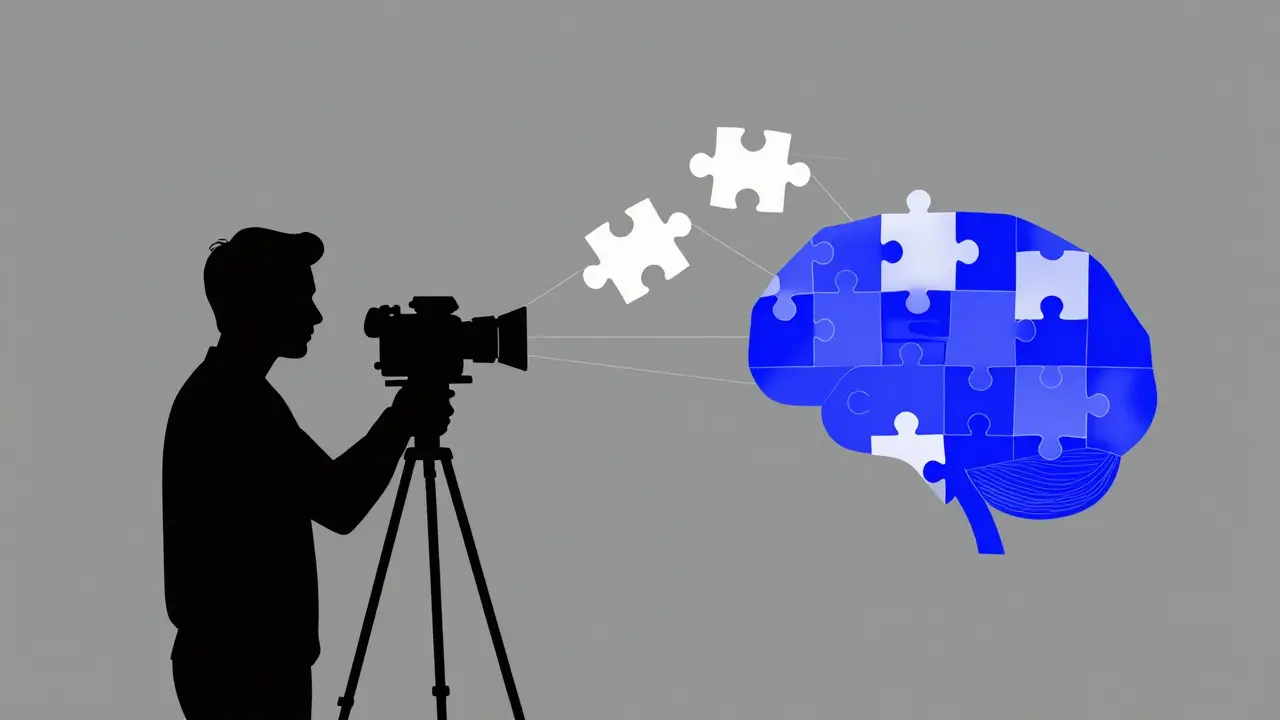
When you watch a Nolan movie, the action isn't just happening to the characters. It's happening to your brain. He uses spectacle not to distract you from weak writing, but to prove his intellectual points. This creates a unique tension in his films. You are watching a car chase, but you are also solving a puzzle. That combination of high-octane thrills and heavy thinking is what makes his work stand out in Hollywood today.
The Physics of Practical Effects
Nolan is famous for hating green screens. While most modern blockbusters rely on computer-generated imagery (CGI) for their big moments, Nolan insists on filming real events. In The Dark Knight Rises, he didn't animate a truck flipping over digitally. He actually flipped a full-size semi-truck down a street in Detroit. The debris, the sound, and the weight of that moment come from reality, not a render farm.
This commitment to practical effects changes how actors perform. When Tom Hardy or Christian Bale is running from an explosion, they are reacting to actual heat and shockwaves. Their fear looks real because it is real. For the audience, this creates a visceral connection. You believe the danger because the camera captured it. This technique grounds the spectacle in physical truth, making the impossible feel tangible.
- Real locations: Filming in actual cities adds texture and authenticity that sets cannot replicate.
- Miniatures: Using detailed scale models for destruction provides realistic lighting and physics.
- In-camera tricks: Rotating hallways in Inception were built physically, allowing actors to move naturally against gravity.
Nonlinear Storytelling as Action
Action movies usually follow a straight line: problem arises, hero fights, problem solved. Nolan breaks this timeline. In Memento, the story moves backward. In Interstellar, time dilates based on gravity. Even in The Prestige, the narrative structure mirrors the magic trick itself, with layers hidden until the end.
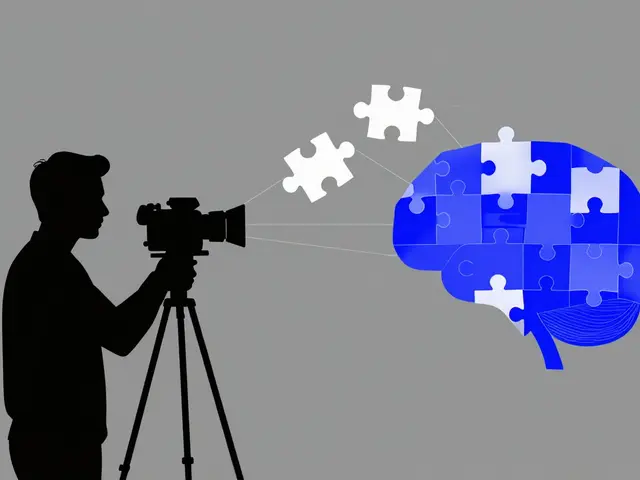
This nonlinearity turns the plot into an active participant. You aren't just watching a fight scene; you're trying to piece together why the fight is happening. The suspense comes from information gaps. In Tenet, the concept of "inversion" means objects and people move backward through time while others move forward. A gunfight becomes a chess match where bullets travel both ways. The action is cerebral because understanding the rules is part of the thrill.
By forcing the viewer to engage intellectually, Nolan raises the stakes. If you miss a detail, you might lose the emotional payoff later. This keeps audiences alert. It transforms passive viewing into an active mental workout, blending the adrenaline of action with the satisfaction of solving a riddle.
IMAX Film and Visual Immersion
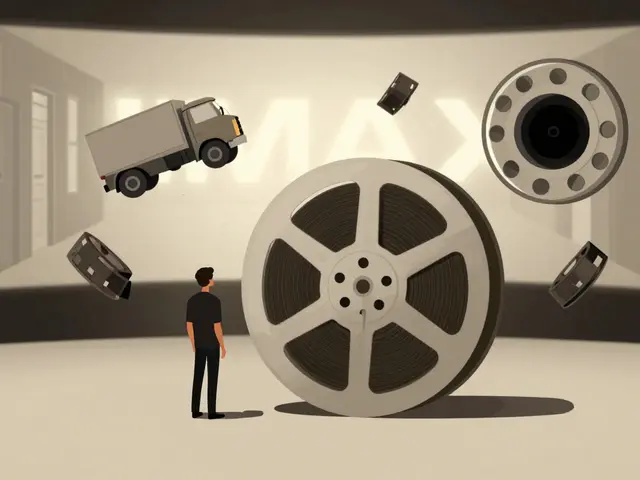
Nolan is one of the biggest advocates for IMAX film technology. He argues that digital cameras lack the dynamic range and resolution needed for true cinematic immersion. IMAX film stock captures more light and detail, creating images that feel larger than life. When he shoots sequences in IMAX format, the aspect ratio expands, filling more of your peripheral vision.
This technical choice supports his thematic goals. In Dunkirk, the entire film feels like a single, continuous panic attack. The IMAX shots of Spitfires diving toward the camera make you feel the speed and noise without needing dialogue. The size of the image conveys the scale of war. It’s not just about looking good; it’s about feeling present. The format forces the audience to confront the magnitude of the events on screen.
| Feature | Christopher Nolan Approach | Typical Blockbuster Approach |
|---|---|---|
| Camera Format | 65mm IMAX Film & 35mm | Digital 4K/8K Sensors |
| Special Effects | Practical/In-Camera | CGI/Green Screen |
| Sound Design | Imax Sound Systems | Dolby Atmos/DTS:X |
| Narrative Structure | Nonlinear/Complex | Linear/Straightforward |
Sound Design as Narrative Tool
Silence is rare in Nolan’s films, but when it appears, it hits hard. More often, he uses sound to disorient. In Inception, Hans Zimmer’s score slows down and deepens during dream layers, mimicking the distorted perception of time. The iconic "BRAAAM" horn sound became a meme, but its purpose was psychological pressure. It signaled impending doom and structural collapse.
In Dunkirk, the ticking clock motif runs throughout the soundtrack. It creates a constant sense of urgency, even in quiet scenes. The sound design isn't background noise; it’s a character. It tells you how much time is left. By syncing audio cues with visual pacing, Nolan manipulates your heartbeat. You lean forward because the sound pulls you there.
Themes of Time and Memory
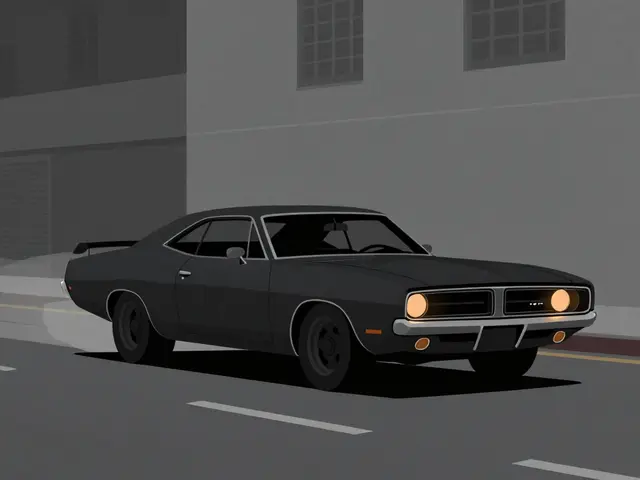
Underneath the explosions and chases, Nolan is obsessed with time. Whether it’s the relativity in Interstellar, the loop in Tenet, or the fragmented memory in Memento, time is always the antagonist. Action sequences serve these themes. A car chase in The Dark Knight isn’t just about catching the Joker; it’s about the chaos of unpredictable human behavior versus rigid plans.
Memory plays a similar role. Characters often struggle with what they remember versus what happened. This uncertainty adds tension to action scenes. If a character doubts their own past, their current decisions become risky. The audience shares this doubt. We question whether we saw what we thought we saw. This layer of psychological depth prevents the action from feeling hollow.
Impact on Modern Cinema
Nolan’s success has pushed studios to take risks on original ideas. Before him, franchises dominated. Now, we see more directors experimenting with non-linear plots and practical stunts. His insistence on theatrical exhibition has kept cinemas relevant in the streaming age. People still go to theaters to see things they can’t see at home.
His influence extends beyond filmmaking techniques. He proved that smart movies can be profitable. Studios now believe that audiences want to be challenged, not just entertained. This shift has opened doors for other auteurs who blend intellect with spectacle. The bar for blockbuster quality has risen because of his standards.
Why does Christopher Nolan prefer practical effects over CGI?
Nolan believes practical effects provide greater realism and emotional impact. Real explosions and physical stunts create authentic reactions from actors and capture natural lighting and physics that are difficult to replicate digitally. This grounds the spectacle in reality, making the audience believe in the danger.
How does nonlinear storytelling affect action scenes in Nolan's films?
Nonlinear storytelling turns action into a puzzle. Instead of just watching events unfold chronologically, viewers must piece together the context and consequences. This adds intellectual engagement to the physical excitement, keeping the audience alert and invested in the outcome.
What role does IMAX film play in Nolan's directing style?
IMAX film offers higher resolution and wider aspect ratios, enhancing visual immersion. Nolan uses it to emphasize scale and intensity, particularly in action sequences. The expanded field of view draws viewers deeper into the scene, making them feel present within the action rather than just observing it.
Is Christopher Nolan's style accessible to casual moviegoers?
While his films require attention, they remain accessible due to strong emotional cores and clear visual storytelling. The complexity serves the narrative rather than obscuring it. Audiences may need to focus, but the rewards are high, offering both entertainment and intellectual stimulation.
How has Nolan influenced the broader film industry?
Nolan demonstrated that intelligent, original blockbusters can succeed commercially. This encouraged studios to invest in diverse voices and innovative techniques. His advocacy for theatrical experiences and practical craftsmanship has raised industry standards for production quality and audience expectations.