16
Folk Horror Guide: From The Wicker Man to Midsommar
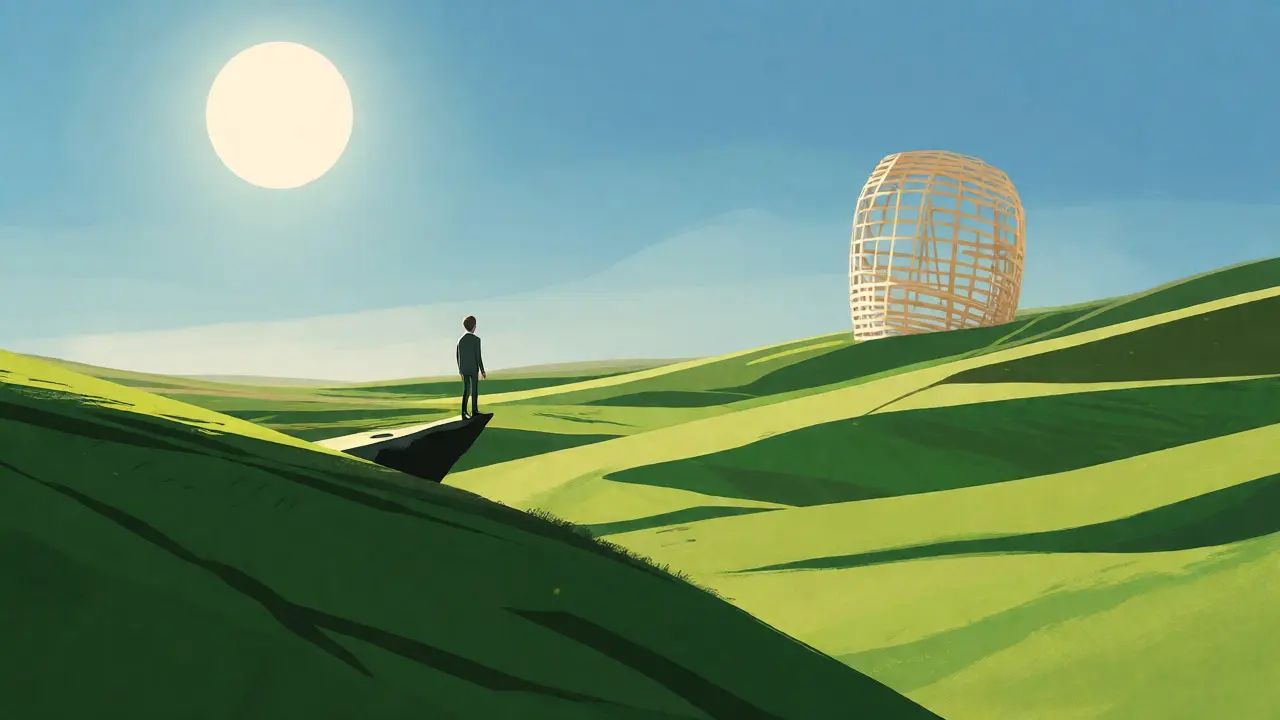
You think you know what scares you. Maybe it’s a masked killer in a cabin, or a demon attached to your spine at 3 AM. But there is a specific type of dread that creeps up on you when the sun is high, the grass is green, and everyone is smiling too much. This is Folk Horror, a subgenre of horror fiction characterized by isolation, ancient rituals, and the terrifying indifference of nature and tradition. It doesn’t rely on jump scares. It relies on the feeling that you are an outsider in a place where the rules haven’t changed for a thousand years-and those rules might require your blood.
If you’ve watched The Witch or Midsommar and felt unsettled not because of gore, but because of the slow, inevitable slide into madness, you’re already familiar with the genre. Folk horror is less about monsters under the bed and more about the monster in the village square. It’s about the land itself being alive, hungry, and older than your moral compass. Let’s break down why this genre works, how it evolved from 1970s Britain to modern global cinema, and which films you need to watch to truly understand the fear of the harvest.
What Actually Defines Folk Horror?
It’s easy to confuse folk horror with general supernatural horror. But there’s a line. In standard haunted house movies, the ghost is usually tied to a person or a past trauma. In folk horror, the threat is systemic. It’s cultural. The community isn’t possessed; they are committed. They believe in their rituals because their survival depends on them, or so they think.
Three core elements usually define the genre:
- Isolation: The protagonist is physically cut off from mainstream society. Think remote islands, deep forests, or villages accessible only by one road.
- Paganism and Ancient Traditions: The conflict stems from pre-Christian beliefs. Sacrifices, fertility rites, and seasonal cycles drive the plot.
- The Land as Antagonist: Nature isn’t just a backdrop; it’s an active participant. The landscape is often beautiful, which makes the violence more jarring.
This isn’t just about spooky old women stirring cauldrons. It’s about the clash between modern rationality and ancient superstition. When a city slicker arrives in a rural village, they bring logic. The village brings tradition. Tradition usually wins, and it usually eats logic alive.
The Holy Trinity: Roots of the Genre
To understand where we are, you have to look at where we started. Critics often refer to the "Unholy Trinity" of British folk horror. These three films set the template for everything that followed.
| Film | Release Year | Key Element | Why It Matters |
|---|---|---|---|
| Witchfinder General | 1968 | Historical Brutality | Showed that humans, not demons, were the real monsters during the English Civil War. |
| Blood on Satan's Claw | 1971 | Corruption of Youth | Introduced the idea that evil spreads through a community like a virus, starting with children. |
| The Wicker Man | 1973 | Rational vs. Pagan | The definitive masterpiece. A police officer investigates a missing girl on a pagan island, only to realize he is the sacrifice. |
The Wicker Man is the big one. Edward Woodward plays Sergeant Howie, a devout Christian who travels to Summerisle. He expects to find a cult hiding behind a veneer of normalcy. Instead, he finds a society that has openly embraced paganism. The horror isn’t that they are hiding something; it’s that they are perfectly happy. The ending, where Howie burns inside a giant wicker statue while the villagers sing, remains one of the most iconic images in cinema history. It taught filmmakers that you don’t need darkness to be scary. You can burn someone alive in broad daylight, and it’s still terrifying if the context is right.
American Folk Horror: The New World Takes Over
For decades, folk horror was seen as distinctly British. Why? Because Britain has visible layers of history. Stone circles, medieval villages, and centuries of recorded folklore. America, being younger, seemed to lack that deep-rooted pagan mystique. But American filmmakers found their own version. They looked at the frontier, the Puritans, and the isolation of the wilderness.
The Witch (2015) is a psychological folk horror film directed by Robert Eggers that blends period-accurate dialogue with surreal nightmare logic. It’s set in 1630s New England. A family is banished from their colony and settles near a dark forest. The horror here is subtle. Is it witchcraft, or is it mass hysteria? Eggers uses authentic 17th-century language and lighting techniques borrowed from Caravaggio paintings to create a sense of unease that never lets up. It proves that folk horror works without any explicit magic until the very end. The fear comes from the breakdown of the family unit under pressure.
Then there’s Harvest Home (also known as Cult of the Damned) or more recently, Knock at the Cabin. While some debate whether these fit the strict definition, they share the DNA: outsiders encountering a local group with strange, non-negotiable beliefs. American folk horror often leans harder into religious extremism than its British counterpart. The "devil" isn’t always a horned beast; sometimes it’s just a neighbor who believes God wants you dead.
The Modern Renaissance: Ari Aster and Beyond
In the last decade, folk horror exploded. Directors like Ari Aster took the classic tropes and injected them with modern anxiety. His film Midsommar is arguably the most important folk horror movie since The Wicker Man.
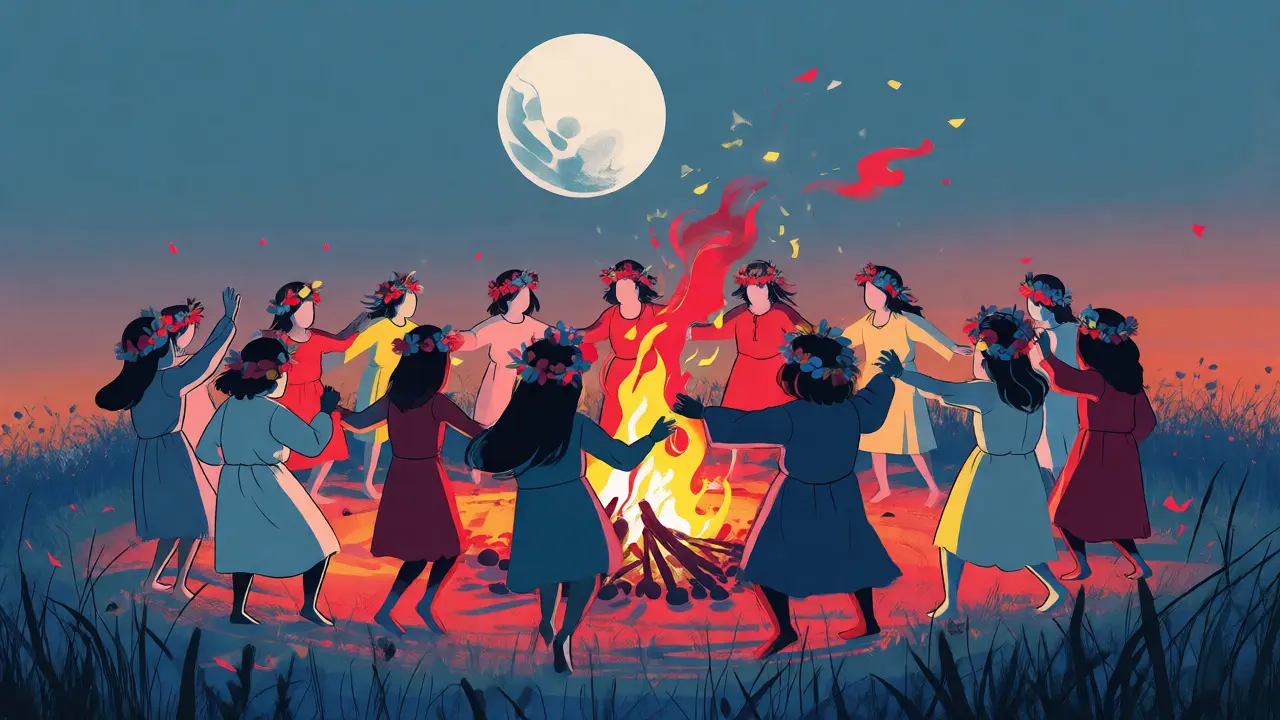
Unlike traditional horror, Midsommar takes place almost entirely in bright sunlight. The Hårga commune in Sweden welcomes visitors with open arms, colorful flowers, and elaborate costumes. There are no shadows to hide in. The horror is exposed. You see every smile, every dance step, and every ritual. The terror comes from realizing that kindness can be a trap. Dani, the protagonist, is grieving and vulnerable. The commune offers her a sense of belonging that she lacks in her broken relationship. That emotional manipulation is scarier than any monster.
Other notable modern entries include:
- Annihilation (2018): While sci-fi leaning, it deals with an ecosystem that absorbs and changes everything within it. The "Shimmer" acts like a folk myth made physical.
- Lords of Chaos (2018): Not strictly folk horror, but captures the atmosphere of Norwegian black metal culture, which is deeply rooted in Norse mythology and anti-Christian sentiment.
- The Ritual (2017): Four friends hike through Scandinavian woods and encounter Jörmungandr, a creature from Norse myth. It’s a great example of how ancient gods can manifest in modern settings.
Why Does Folk Horror Resonate Today?
We live in a hyper-connected world. We can call anyone instantly. We have GPS. We have science explaining everything. So why do we still crave stories about isolated villages and ancient curses?
Because folk horror taps into a primal fear of irrelevance. In these stories, your modern identity means nothing. Your job title, your credit score, your smartphone-they don’t matter to the soil. If the land demands a sacrifice, it doesn’t care if you’re a CEO or a janitor. It just wants the blood.
There’s also a growing anxiety about climate change and environmental collapse. Folk horror often portrays nature as indifferent or hostile. We thought we had tamed the wild. Folk horror reminds us that we haven’t. The trees are still watching. The seasons still turn regardless of our protests. This ecological dread gives the genre a new layer of relevance. It’s not just about ghosts anymore; it’s about the planet fighting back against human arrogance.
How to Watch Folk Horror Without Getting Burned Out
Folk horror is slow. It requires patience. If you go in expecting constant action, you’ll get bored. Here’s how to approach it:
- Start with the Classics: Watch The Wicker Man (the 1973 original, not the Nicolas Cage remake). It sets the baseline.
- Move to Atmosphere: Try The Witch or Apostle (2018). These focus on mood and sound design rather than plot twists.
- Experience the Modern Take: Watch Midsommar. It deconstructs the genre and shows how far it has come.
- Explore International Variants: Look at Let the Right One In (Swedish vampire/folk blend) or The Orphanage (Spanish Gothic).
Pay attention to the soundscape. Folk horror relies heavily on diegetic sound-birds chirping, wind rustling leaves, distant chanting. These sounds build tension better than any musical score. Also, notice the costumes and settings. The details matter. A red ribbon on a tree might mean safety, or it might mean you’ve been marked.
Beyond Film: Folk Horror in Literature and Games
The genre isn’t limited to screens. In literature, authors like Adam Nevill write novels that feel like nightmares. His book Last Days mixes true crime with occult mystery. For gamers, titles like Silent Hill (specifically the first game) draw heavily from folk symbolism, though they lean into psychological horror. More recently, indie games like Dreadout or Iron Lung capture the isolation aspect, even if they aren’t strictly "folk." However, board games like Eldritch Horror or video games like Dark Souls incorporate the cyclical, ritualistic nature of folk myths.
If you want to dive deeper into the theory, check out the essay collection British Fantasy Film by David Pirie, which originally coined many of the terms used to describe this subgenre. Understanding the academic roots helps you appreciate the craft behind the scare.
Is The Wicker Man really considered the best folk horror movie?
While subjective, The Wicker Man is widely regarded as the definitive folk horror film. It established the core tropes: the outsider protagonist, the isolated setting, and the clash between Christianity and Paganism. Its ending is iconic, and its influence on subsequent films like Midsommar and The Witch is undeniable. However, fans of slower, more atmospheric horror might prefer The Witch, while those who prefer visual spectacle might prefer Midsommar.
What is the difference between folk horror and cosmic horror?
Cosmic horror, popularized by H.P. Lovecraft, focuses on the insignificance of humanity in the face of incomprehensible, alien entities. The fear is existential and abstract. Folk horror, on the other hand, is grounded in human culture and local traditions. The threats are often tangible (rituals, sacrifices) and tied to specific communities and landscapes. Cosmic horror says the universe doesn't care about you; folk horror says your neighbors might care too much, in a bad way.
Does folk horror always involve witches or pagans?
Not necessarily. While witches and pagans are common, the core element is the adherence to ancient, localized traditions that conflict with modern norms. This could include fundamentalist religious sects, superstitious farming communities, or groups following obscure historical codes. The key is that the belief system is internal to the community and predates the protagonist's arrival.
Why is folk horror so popular now?
Modern audiences are experiencing "tech fatigue" and a sense of disconnection from nature. Folk horror offers a return to primal fears and the natural world. Additionally, there is a growing interest in decolonizing narratives and exploring indigenous or pre-modern perspectives. Films like Midsommar and The Witch resonate because they reflect anxieties about community, belonging, and the fragility of social contracts.
Are there good folk horror TV shows?
Yes. Channel Zero has episodes that fit the vibe, particularly the "Butcher's Block" season. True Detective Season 1 has strong folk horror elements in Louisiana. Midnight Mass explores religious fervor and supernatural events in an isolated island community. Yellowjackets combines survival drama with tribal rituals and flashbacks, fitting the genre's themes of regression and primitive behavior.