26
10 Essential Tips for Writing a Film Review with Impact
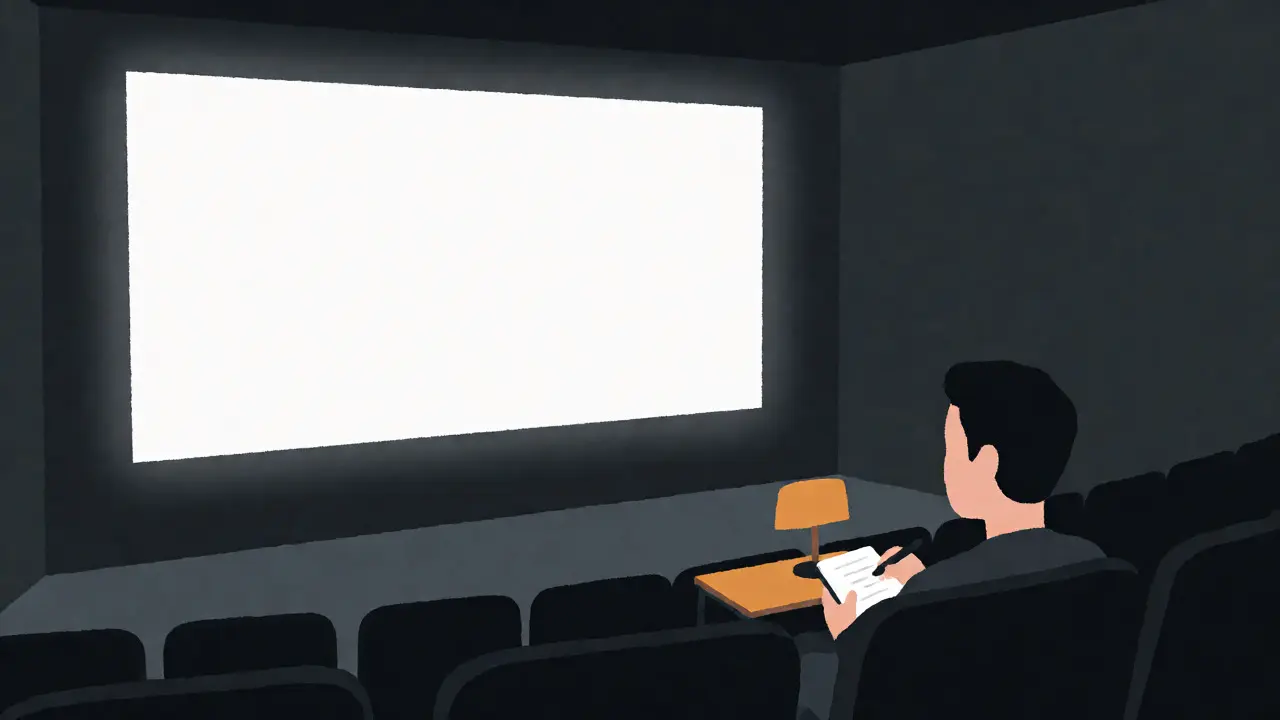
You’ve just walked out of the cinema. Your brain is buzzing with images, your heart is racing from the score, and you have ten opinions about that one plot hole in act three. You sit down to write, but two hours later, you’re staring at a blank screen or a paragraph that reads like a high school book report. Sound familiar?
Writing a film review isn’t just about saying "thumbs up" or "thumbs down." It’s an art form that bridges the gap between the director’s vision and the audience’s experience. Whether you’re blogging for fun, aiming for a publication, or just trying to sound smart at dinner parties, the goal is the same: give readers something they didn’t see while watching. Here is how to cut through the noise and write reviews that actually stick.
Watch With Intent, Not Just Eyes
Most people watch movies passively. They eat popcorn, check their phones, and let the story wash over them. To write a good review, you need to switch modes. Treat the first viewing as data collection. If possible, take notes. Not every second, but jot down timestamps when something surprises you, confuses you, or delights you. Did the lighting shift when the protagonist lied? Did the music drop out right before the jump scare?
This active observation gives you concrete evidence for your claims. Instead of saying "the acting was bad," you can say, "the lead actor’s stiff delivery undermined the emotional weight of the final scene." Specificity builds credibility. If you can’t remember what happened five minutes ago, rewind. Professional critics often watch films twice; once for emotion, once for mechanics. You don’t always have that luxury, but try to be present.
Skip The Plot Summary Trap
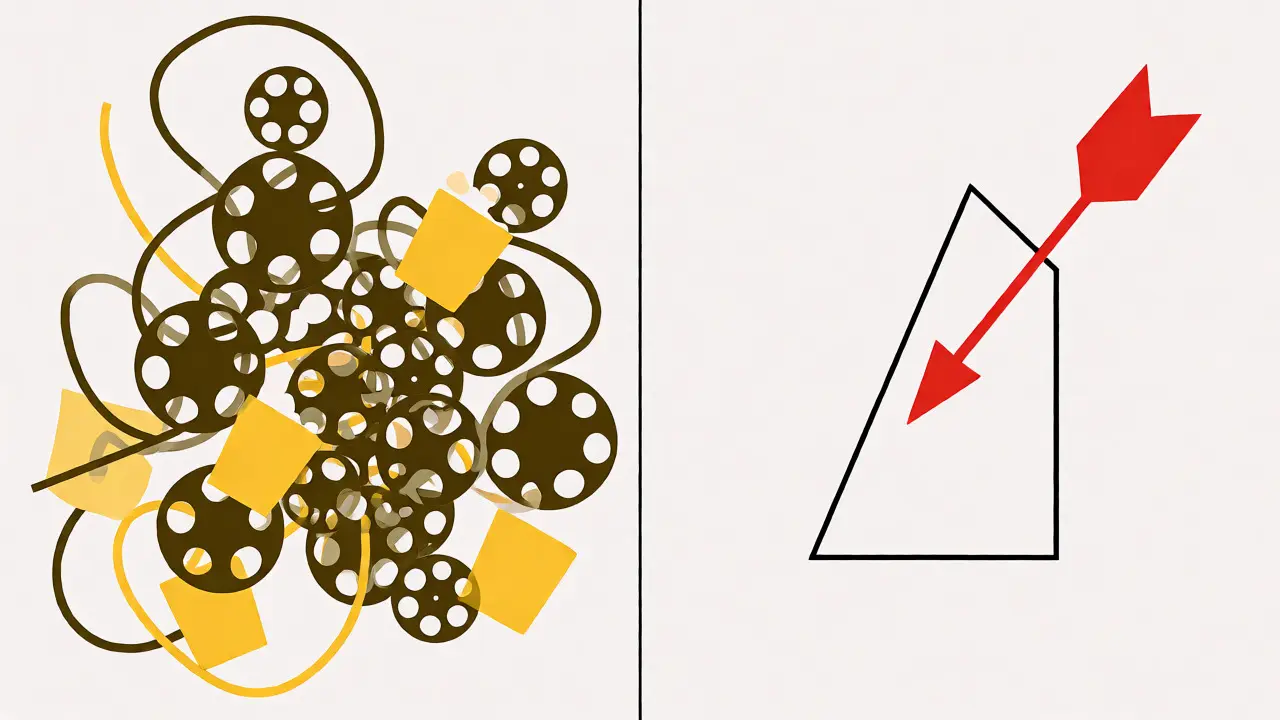
Here is the biggest mistake amateur reviewers make: retelling the whole movie. Your reader has either seen it or doesn’t want spoilers. They are reading your review to decide if they should spend $15 on a ticket, not to get a recap. Assume your audience knows the basic premise. Start your summary with just enough context to orient them-genre, setting, main conflict-and then pivot immediately to your analysis.
A good rule of thumb: keep the summary under 15% of your total word count. If you find yourself describing every twist, you’re doing the writer’s job, not yours. Focus on the experience of the plot rather than the sequence of events. Did the pacing drag? Was the climax earned? Those are the questions that matter.
Identify Your Core Argument Early
A review without a thesis is just a list of complaints or praises. Before you type a single word, ask yourself: What is the one thing I need to tell the reader about this film? Maybe it’s that the visual effects couldn’t save a broken script. Maybe it’s that a small indie gem deserves mainstream attention despite its low budget.
This core argument becomes your hook. Place it near the top. Don’t bury the lede. If you hated the movie, say so early, then explain why. If you loved it, show us the magic. A strong stance invites engagement. Readers might disagree, but they won’t scroll past. Indecision kills interest faster than controversy.
Analyze More Than Just Acting and Story
Cinema is a collaborative medium. Focusing only on the actors and the screenplay ignores half the craft. Think about the other entities involved in creating the illusion:
- Cinematography: How did the camera move? Were the shots wide and isolating, or tight and claustrophobic? Lighting sets mood; composition guides the eye.
- Sound Design and Score: Music manipulates emotion. Silence can be louder than noise. Did the audio mix drown out dialogue? Did the score feel manipulative or supportive?
- Editing: This is the invisible art. Bad editing makes scenes feel choppy or confusing. Good editing creates rhythm and flow. Notice transitions between scenes-were they smooth or jarring?
- Production Design: Do the sets feel lived-in or sterile? Costume choices reveal character status and personality without a word spoken.
Mentioning these elements shows you understand film as a technical craft, not just a narrative vehicle. It elevates your review from casual chatter to informed critique.
Contextualize Within the Genre and Director’s Work
No film exists in a vacuum. A horror movie should be judged by different standards than a romantic comedy. Compare it to other entries in its genre. Is this new superhero film better than the last three? Does it refresh the formula or repeat it lazily?
Also, consider the director’s track record. If Christopher Nolan releases a film, we expect complex timelines and practical effects. If he delivers a simple linear drama, that deviation is worth noting. Context helps readers gauge expectations. A mediocre action movie might still be great if it exceeds the usual lows of the franchise. A brilliant documentary might feel disappointing if the director previously set impossibly high bars.
Use Vivid, Sensory Language
Film is a sensory experience. Your writing should reflect that. Avoid vague adjectives like "good," "bad," "interesting," or "boring." These words mean nothing. Instead, describe the sensation.
Don’t say "the visuals were cool." Say "the neon-drenched cityscapes pulsed with a hypnotic, cyberpunk energy." Don’t say "the villain was scary." Say "his quiet, deliberate movements created a dread that lingered long after he left the frame." Use metaphors and similes carefully-they should illuminate, not obscure. Paint a picture with words so the reader can almost smell the popcorn and feel the bass in their chest.
Balanced Critique: Praise Strengths, Pinpoint Weaknesses
Nobody likes a hater who sees flaws everywhere, nor a fanboy who ignores obvious errors. Aim for balance. Even a terrible movie usually has one redeeming quality-a standout performance, a clever line of dialogue, or impressive stunts. Acknowledge it. Conversely, even a masterpiece has minor issues. Pointing them out shows objectivity.
Structure your body paragraphs around specific themes or elements rather than chronological order. For example, dedicate one section to the script’s dialogue strengths, another to the cinematography’s weaknesses. This thematic approach keeps the review organized and analytical, preventing it from becoming a rambling diary entry.

Avoid Spoilers, But Don’t Be Vague
The fear of spoilers often leads reviewers to use frustratingly vague language. "The ending changes everything" tells me nothing. "The third act takes a sharp turn into supernatural territory" gives me a hint without ruining the surprise.
If you must discuss a major plot point, warn the reader. Put a spoiler alert in bold. Better yet, structure your review so that deep analysis comes after the general recommendation. Most readers will skim the end if they haven’t seen the film. Respect their curiosity while rewarding those who have watched it.
Know Your Audience and Tone
Who are you writing for? A review for a hardcore cinephile blog differs vastly from a quick recommendation for busy parents. Adjust your vocabulary and depth accordingly. If you’re writing for general audiences, avoid excessive jargon. Explain terms like "diegetic sound" or "mise-en-scène" if you use them, or skip them entirely.
Tone matters too. Are you being witty, serious, sarcastic, or heartfelt? Match the tone to the film. A dark thriller demands a more somber or intense voice; a lighthearted rom-com allows for playfulness. Consistency in voice makes your writing enjoyable to read. Let your personality shine through-readers follow writers, not just facts.
Edit Ruthlessly and Read Aloud
Your first draft is never your best. Cut the fluff. Remove redundant sentences. Tighten your prose. Film reviews should be punchy and efficient. If a sentence doesn’t advance your argument or entertain, delete it.
Then, read your review aloud. This trick catches awkward phrasing, run-on sentences, and repetitive words instantly. Hearing your own voice reveals rhythm issues that silent reading misses. If you stumble over a sentence, your reader will too. Fix it until it flows naturally. Finally, proofread for typos. Nothing undermines authority like misspelling "cinematography" or mixing up "their" and "there."
| Element | What to Analyze | Common Pitfall |
|---|---|---|
| Narrative | Pacing, logic, character arcs | Retelling the entire plot |
| Performance | Chemistry, believability, range | Only praising the lead actor |
| Visuals | Lighting, color palette, framing | Ignoring technical craft |
| Audio | Score, sound effects, dialogue clarity | Overlooking silence or mix issues |
| Verdict | Clear recommendation, target audience | Being indecisive or vague |
Next Steps: Building Your Voice
Writing impactful reviews takes practice. Start by watching films outside your comfort zone. Challenge your biases. Write short reviews for social media to test hooks. Then expand to longer formats. Keep a journal of phrases you love from other critics. Steal their structures, not their words.
Remember, your perspective is unique. Two people can watch the same movie and have completely valid, opposing reactions. Trust your gut, back it up with evidence, and write with confidence. The next time you leave the theater, don’t just go home. Sit down, open your laptop, and capture that buzz before it fades.
How long should a film review be?
It depends on the platform. For blogs or magazines, 600-1,000 words is standard. This allows enough space for analysis without losing reader attention. Social media reviews (Instagram, Letterboxd) should be under 300 words, focusing on a quick verdict and key highlights. Academic critiques can be much longer, diving deep into theory and historical context.
Do I need to watch a movie twice to write a good review?
Not necessarily, but it helps. Watching once lets you experience the film as an audience member. A second viewing lets you analyze the craft-editing cuts, lighting choices, background details. If you can only watch once, take detailed notes during the film. Pause and rewind if possible. Many professional critics watch multiple times, especially for complex films.
Should I include a rating system in my review?
Ratings are helpful for quick decision-making but can oversimplify. If you use stars or numbers, ensure they align with your written analysis. Some writers prefer a clear textual verdict (e.g., "Skip," "See it," "Wait for streaming") instead of numerical scores. Ratings work well for commercial investigations where users compare many options quickly.
How do I handle spoilers?
Always warn readers before revealing major plot twists or endings. Use bold text or separate sections labeled "Spoiler Zone." Discuss general themes and setups without giving away the resolution. If your review is primarily for people who have already seen the film, you can dive deeper into spoilers, but clarify this upfront in the introduction.
What if I didn't enjoy the movie?
That’s fine! Honest criticism is valuable. Explain why it didn’t work for you. Was it the pacing? The tone? The characters? Avoid personal attacks on the cast or crew. Focus on the product. Even negative reviews should highlight what worked (e.g., "Despite the weak script, the costumes were stunning") to remain balanced and fair.