28
Max International Release Windows: When New Titles Hit Abroad
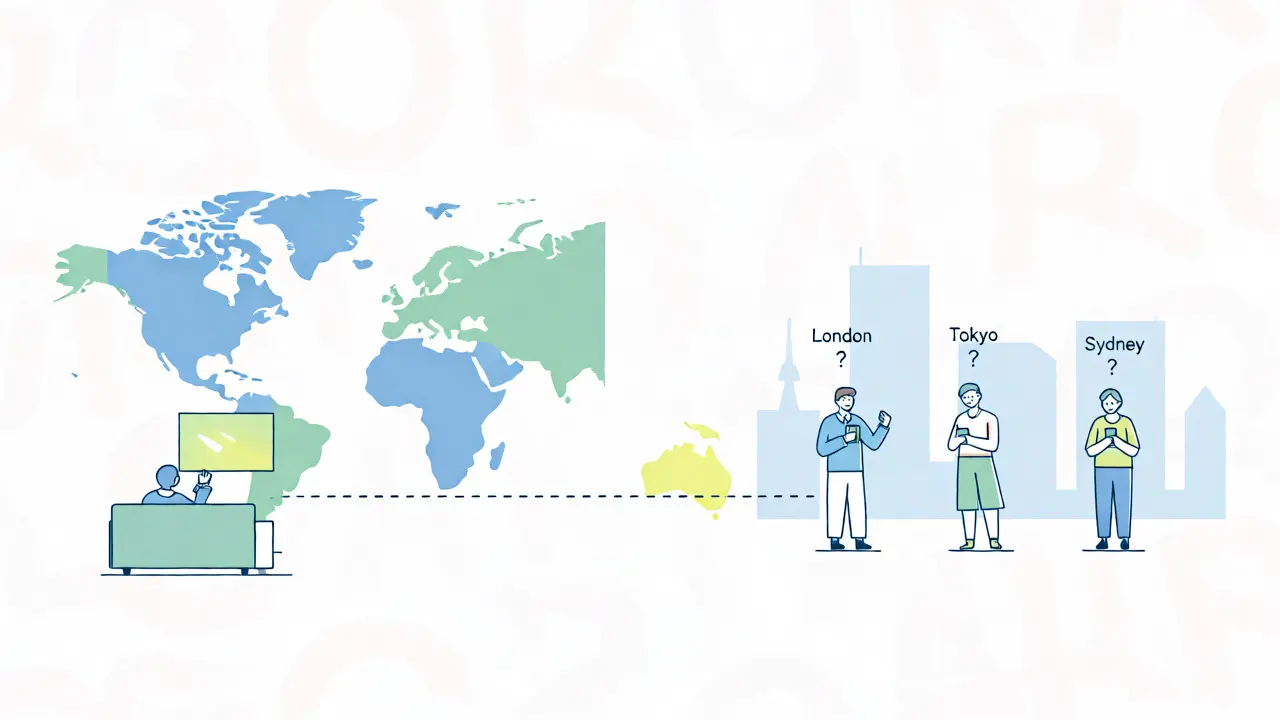
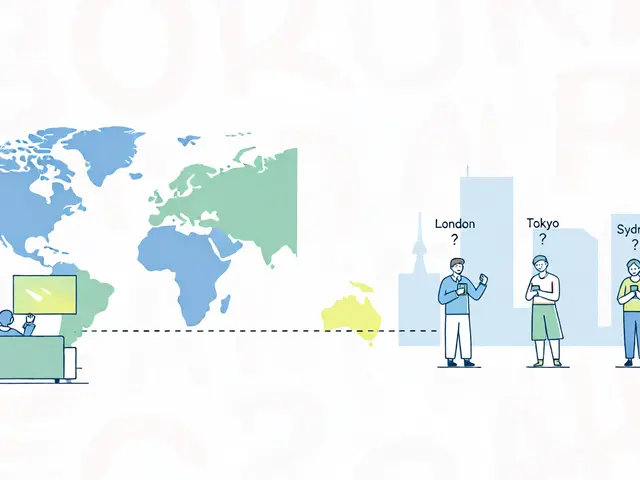
You’re in London, Tokyo, or Sydney, and your friend in New York just texted you a spoiler about the latest Max streaming service original. You hit play on the app, but it’s not there. Or worse, it is there, but it looks different, has fewer episodes, or arrived three months late. This isn’t a glitch; it’s a deliberate strategy known as staggered international release windows.
Warner Bros. Discovery (WBD) doesn’t drop every title globally at the same second anymore. The days of true simultaneous worldwide launches are mostly gone for their premium content, replaced by a complex patchwork of regional licensing deals, local production mandates, and platform consolidation efforts. If you live outside the United States, understanding these windows saves you from subscription fatigue and accidental spoilers.
The Shift from Simultaneous to Staggered Launches
A few years ago, if you wanted to watch a major HBO series, you might have waited weeks or even months depending on where you lived. Then came the push for global consistency. However, reality intervened. By 2026, we’ve settled into a hybrid model. While some tentpole events like the final season of a massive franchise might get closer to day-and-date releases, most standard originals follow a tiered schedule.
This shift happens because WBD operates differently in each market. In Europe, they still navigate legacy contracts with local broadcasters. In Asia, partnerships with regional telecom providers dictate when content can air. In Latin America, local dubbing and subtitling requirements add logistical layers that simply don’t exist for English-first markets. Consequently, the "global" launch date is often just the US premiere date, while the rest of the world waits.
How Regional Licensing Delays Your Watch Party
Licensing is the biggest invisible hand shaping your viewing schedule. Before Max launched globally, many titles had pre-existing agreements with local channels. For example, a show premiering on Max in the US might still be exclusive to Sky in Germany or Foxtel in Australia for its first six months due to old contracts signed before the merger with Discovery+.
These delays aren't random. They are contractual obligations. If you try to force a global stream, you risk breaching those agreements. This is why you’ll see titles appear on Max in Canada one week after the US, but two months later in France. It’s less about technical capability and more about legal clearance. As these older contracts expire, the gap narrows, but it hasn’t closed completely.

Local Content Mandates and Production Hubs
Another factor slowing down international arrivals is the demand for local content. Streaming platforms face regulatory pressure in countries like France, Italy, and South Korea to produce or license domestic shows. To meet these quotas, WBD invests heavily in local production hubs. These projects take time to shoot, edit, and localize.
When a new Korean drama or Italian thriller is added to Max, it often debuts locally first to satisfy regulators and attract regional subscribers. Only after this initial run does it get pushed to the broader international library. This creates a reverse-delay effect where non-US users actually get access to certain high-quality local productions faster than American viewers do.
| Region | US Premiere Lag | Primary Reason for Delay | Common Exception |
|---|---|---|---|
| Canada | 0-7 Days | Shared infrastructure, minimal licensing barriers | Simultaneous for all originals |
| UK & Ireland | 1-3 Months | Legacy broadcaster contracts (Sky/BT) | HBO Originals often faster |
| Europe (FR/DE/IT) | 2-6 Months | Local quota compliance, dubbing quality control | Reality TV formats may sync |
| Asia-Pacific | Variable (Weeks-Years) | Partner exclusivity (e.g., local telcos) | Korean/Japanese co-productions |
| Latin America | 1-4 Months | Portuguese/Spanish localization costs | Sports documentaries often sync |
Platform Consolidation and Library Mergers
Since the merger of HBO Max and Discovery+, the backend architecture has been messy. Integrating libraries from two distinct services means content migration takes time. A documentary that was available on Discovery+ in Brazil might not instantly appear on the unified Max interface in the same region. Engineers and legal teams have to map metadata, ensure rights alignment, and update user interfaces.
This technical friction causes sporadic gaps. You might log in and find half the catalog updated, while the other half lags behind. This is particularly noticeable in regions where the transition happened recently. Patience is required here; once the merge stabilizes in a specific country, future updates become smoother and faster.

Strategies for International Viewers
So, how do you keep up without losing your mind? First, stop assuming the US release date applies to you. Check the official Max social media accounts for your specific country. They usually post localized calendars that reflect actual availability, not just global announcements.
Second, consider the value of multi-platform subscriptions. In some regions, keeping a secondary service active for three months might be cheaper than paying for Max during a period when it lacks the specific content you want. Third, look into digital rental options. Sometimes, a movie hits VOD platforms internationally before it lands on the streaming library, allowing you to watch sooner for a small fee.
The Future of Global Streaming Synchronization
Will everything eventually go day-and-date? Probably not entirely. The economic model favors regional flexibility. WBD earns revenue through local advertising, partner fees, and subscriber growth tailored to cultural preferences. Forcing a global lockstep would ignore these nuances. However, we are seeing a trend toward tighter windows for flagship scripted dramas. Expect the gap to shrink for big names, but remain wide for niche genres and reality content.
Why is my favorite show not on Max in my country yet?
This is usually due to existing licensing agreements with local television broadcasters or competing streaming services. Until those contracts expire, the content cannot legally move to Max in your region, regardless of its availability in the US.
Do Max originals release globally at the same time?
Not always. While major tentpole series often aim for near-simultaneous releases in key markets, many originals follow a staggered schedule. Factors like local dubbing requirements, regulatory quotas, and partner exclusivity can delay international launches by weeks or months.
Is the Max library the same everywhere?
No, the catalog varies significantly by region. Each country has unique copyright laws and business partnerships, leading to different selections of movies, TV shows, and documentaries. Some regions may have exclusive local content that isn't available elsewhere.
Can I use a VPN to watch US Max content?
Technically yes, but it's against terms of service and increasingly difficult. Max actively detects and blocks many VPN IP addresses. Additionally, using a VPN might result in lower video quality or buffering issues due to server distance.
When will the merger between HBO Max and Discovery+ finish in my country?
The timeline varies by market. Major European and Asian markets completed the transition earlier, while others are still migrating content. Check your local Max support page for specific status updates regarding library integration in your region.