4
Jean-Luc Godard’s Experiments: Language, Jumps, and Protest
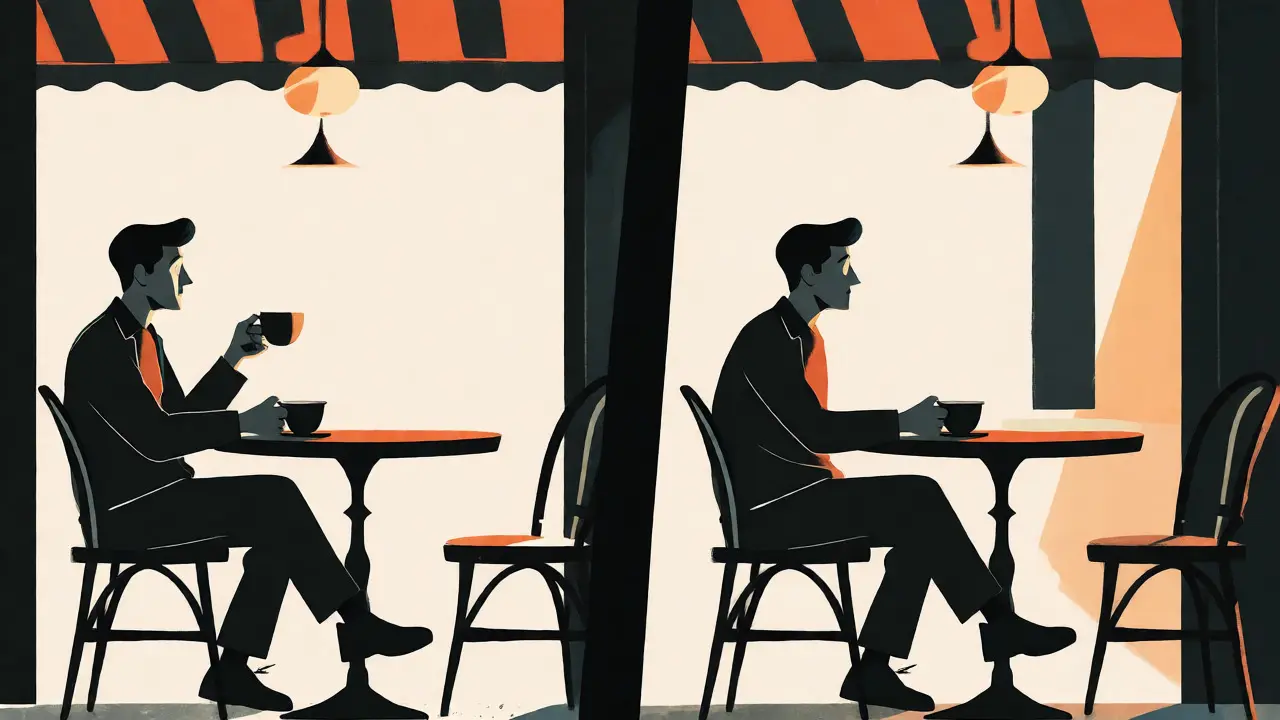
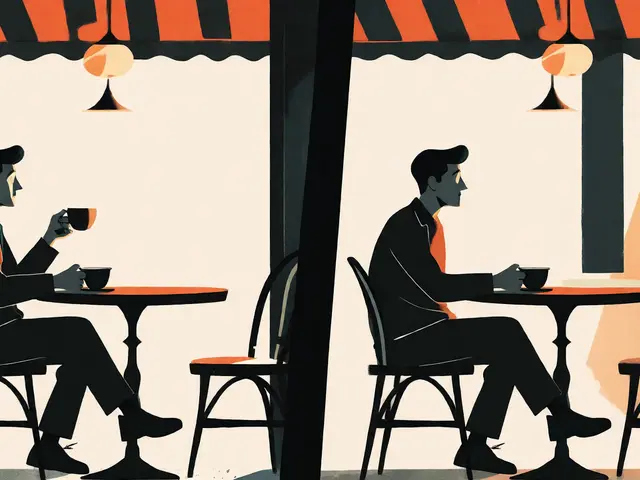
You watch a movie. The hero is talking to his girlfriend in a Paris café. Suddenly, the angle changes. He’s mid-sentence, but now he’s facing left instead of right. The coffee cup moves. You blink. Did you miss something? No. That was Jean-Luc Godard, and he did it on purpose. For decades, audiences were trained to believe that editing should be invisible. If you noticed the cuts, the director failed. Godard flipped this rule upside down. He made you see the machinery of filmmaking. He broke the timeline, scrambled the audio, and used film as a weapon against bourgeois comfort. This isn't just about old black-and-white movies. It's about how we process information today.
| Technique | Description | Purpose |
|---|---|---|
| Jump Cut | Removing segments from a single continuous shot, causing abrupt visual discontinuity. | To disrupt narrative flow and force viewer awareness of time passing. |
| Brechtian Alienation | Actors looking at the camera or addressing the audience directly. | To prevent emotional immersion and encourage critical thinking. |
| Synthetic Dialogue | Scripted, literary, or philosophical lines rather than naturalistic speech. | To elevate dialogue to an intellectual exercise rather than realistic conversation. |
| Political Montage | Juxtaposing unrelated images (newsreels, ads, films) with voiceover. | To create new meanings through collision and critique consumer culture. |
The Death of Invisible Editing
Before Godard, Hollywood editing followed strict continuity rules. Match-on-action meant a character reaching for a door handle in one shot would complete the motion in the next. It felt seamless. Godard hated this seamlessness. He argued it lied to the audience. In his debut feature, Breathless (1960), he introduced the world to the aggressive use of the jump cut. He literally took scissors to the film reel, cutting out seconds of footage where nothing "important" happened. The result was jarring. Michel Poiccard sits in a car, looks at Patricia, then suddenly the background has shifted, and he’s further along the road. There is no dissolve. There is no fade. Just a hard edit.
Why do this? Because life doesn't have dissolves. We experience time in fragments. By removing the boring parts, Godard didn't just speed up the plot; he changed your relationship with the screen. You stop watching passively. You start asking questions. Where did the time go? Why is he angry now when he was calm before? This technique influenced everything from music videos to TikTok edits. Every time a creator snaps between poses in a transition, they are borrowing from Godard's toolkit.
Language as a Weapon, Not a Mirror
Most films treat dialogue as a tool for realism. Characters speak like real people do: hesitantly, repetitively, with filler words. Godard rejected this. His characters don't talk; they perform philosophy. In Contempt (1963), Paul and Camille discuss their failing marriage using precise, almost academic language. They quote Homer. They debate aesthetics. It feels artificial because it is. Godard wanted to expose the artifice of relationships and cinema simultaneously.
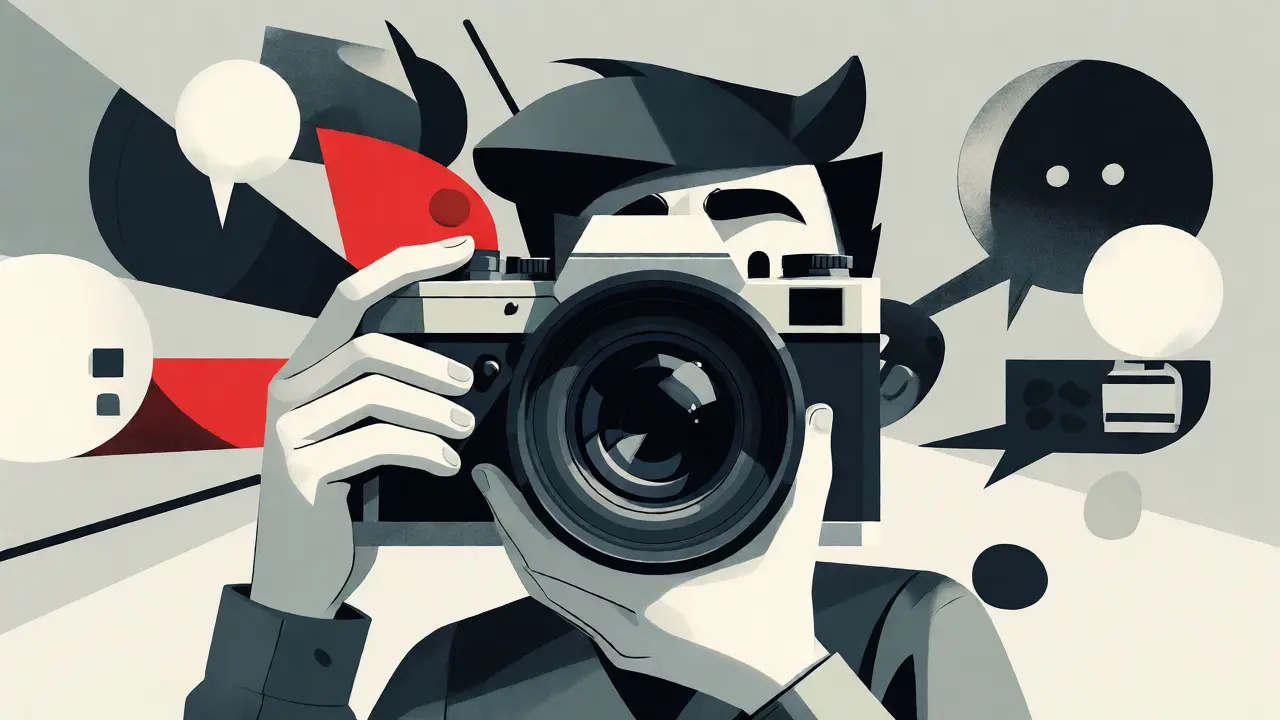
This approach aligns with the theories of Bertolt Brecht, the German playwright who believed theater should make the audience think, not just feel. Brecht called this the "alienation effect." Godard applied it to film. When Jean-Paul Belmondo looks into the lens in Breathless, he breaks the fourth wall. He acknowledges you, the viewer. This shatters the illusion that you are peeking into someone else's life. Instead, you are confronted by a constructed image. Godard once said, "A story should have a beginning, a middle, and an end, but not necessarily in that order." But more importantly, he showed that the way a story is told matters more than the story itself.
Consider the sound design. In many Godard films, the audio and video don't match perfectly. A character might speak off-screen while we see a landscape. Or the music might change abruptly, signaling a tonal shift that the visuals haven't caught up to yet. This dissonance keeps your brain active. You can't just drift away. You have to work to connect the dots. It’s exhausting for some viewers, but for others, it’s liberating. It treats the audience as intelligent collaborators rather than passive consumers.
Cinema as Political Protest
If the early 1960s were about breaking form, the late 1960s were about breaking ideology. After the May 1968 protests in France, Godard stopped making traditional narratives. He co-founded the Dziga Vertov Group with Jean-Pierre Gorin. Their goal? To destroy the myth of the auteur and make cinema explicitly political. Films like Weekend (1967) and Everything Is Fine (1972) are less stories and more essays projected onto a screen.
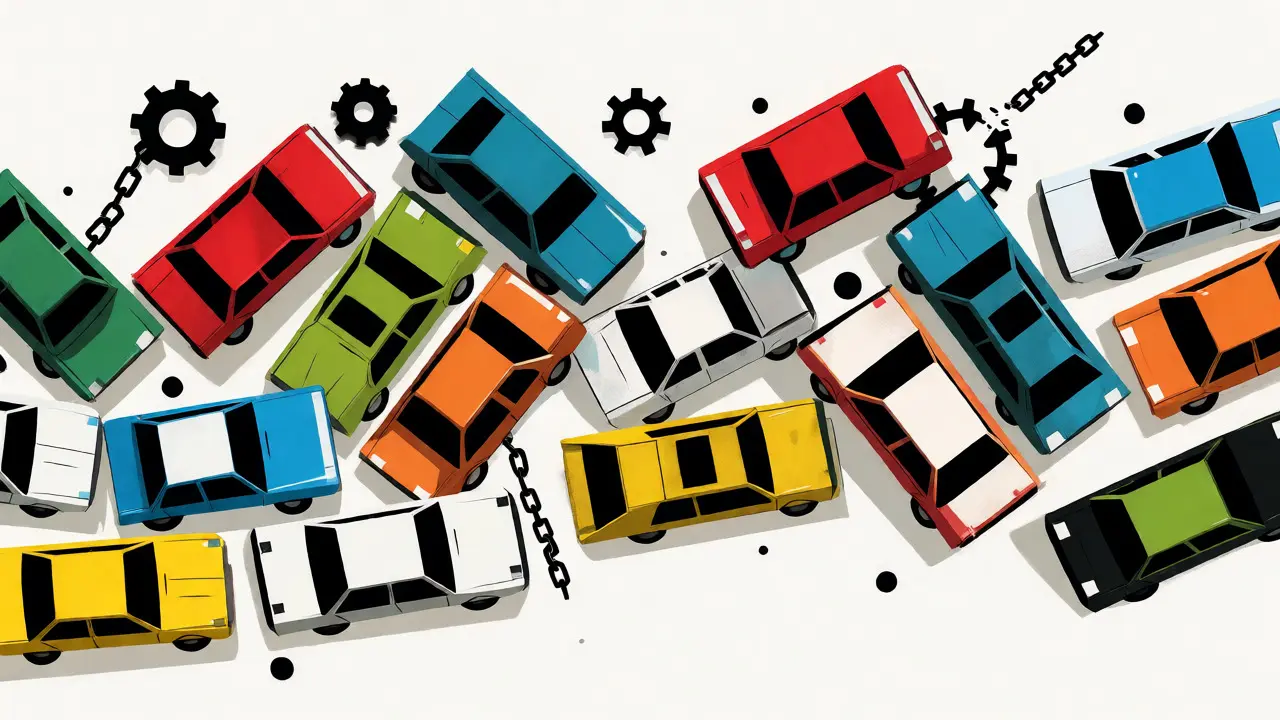
In Weekend, there is a famous seven-minute tracking shot of a traffic jam. It’s chaotic, violent, and absurd. Cars crash. People scream. Cannibals appear. It’s a metaphor for capitalism eating itself. But Godard doesn't let you enjoy the spectacle. He interrupts the shot with title cards that read "Quotation from Marx" or "End of Cinema." He forces you to confront the politics behind the entertainment. He argues that every shot is a political act. Choosing what to show, and what to leave out, is a choice about power.
This phase of his career alienated many fans. Critics called him pretentious. Audiences walked out. But Godard wasn't interested in pleasing them. He wanted to provoke them. He used text on screen - quotes from Lenin, Mao, or Nietzsche - alongside fragmented imagery. It was difficult viewing. But it challenged the notion that art should be separate from life. For Godard, the camera was a gun. And he was shooting at the status quo.
The Evolution of Image and Text
As technology changed, so did Godard's experiments. In his later works, such as Histoire(s) du cinéma (1988-1998), he moved beyond standard film stock. He began using video, digital manipulation, and layered screens. He placed paintings next to news clips next to movie scenes. He overlaid text over faces. The screen became a collage. This wasn't just aesthetic; it was epistemological. He was trying to map how we know what we know.
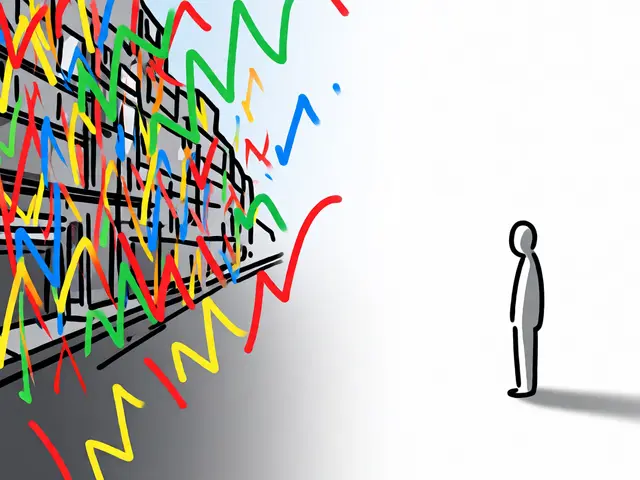
Think about how we consume media today. We scroll through feeds mixing selfies, news headlines, memes, and ads. Godard predicted this sensory overload. He saw that meaning isn't found in a single linear narrative but in the juxtaposition of disparate elements. In Goodbye to Language (2014), his final major feature, he embraced 3D technology not for spectacle, but for fragmentation. Images split. Colors bleed. Dialogue overlaps. It’s a meditation on the breakdown of communication in the digital age. Even in his nineties, he remained relevant by adapting his core principle: make the medium visible.
Godard’s influence extends far beyond arthouse cinema. Directors like Quentin Tarantino, Martin Scorsese, and Jim Jarmusch cite him as a primary inspiration. Tarantino’s non-linear timelines owe a debt to Breathless. The self-reflexive humor in Wes Anderson’s films echoes Godard’s playfulness. But perhaps the most significant legacy is the idea that you can break the rules if you have a reason. You don't need a big budget. You need a point of view.
Practical Takeaways for Creators
You don't have to shoot on 35mm film to apply Godard’s lessons. Here is how you can use his experimental spirit in modern content creation:
- Embrace Discontinuity: Don't be afraid of jump cuts in vlogs or interviews. They save time and add energy. Just ensure the jump serves a purpose, like emphasizing a pause or a thought.
- Break the Fourth Wall: Look at the camera. Address the viewer directly. It builds trust and reminds them that this is a curated message, not raw reality.
- Mix Media Types: Combine static images, video clips, and text overlays. Create visual collisions that force the viewer to synthesize new meaning.
- Question Your Narrative: Ask yourself why you are telling the story this way. Are you following convention just because it's safe? Try reversing the structure or starting at the end.
Godard teaches us that comfort is the enemy of art. If your audience feels completely at ease, you might not be challenging them enough. Experimentation requires risk. You might fail. Your edits might look messy. Your dialogue might feel stiff. But if you stay true to your vision, you create something memorable. Something that sticks in the mind long after the credits roll.
What exactly is a jump cut?
A jump cut is an editing technique where two sequential shots of the same subject are taken from camera positions that vary only slightly. This creates a sudden, jerky movement in the subject within the frame. Unlike smooth transitions, a jump cut draws attention to the editing process itself, disrupting the illusion of continuous time.
Why did Jean-Luc Godard use jump cuts in Breathless?
Godard used jump cuts to eliminate boring moments and accelerate the pacing of the film. More importantly, he wanted to break the conventions of classical Hollywood cinema, which prioritized seamless continuity. By making the edits visible, he forced the audience to engage actively with the film rather than passively consuming a polished illusion.
How does Godard’s style differ from traditional Hollywood films?
Traditional Hollywood films aim for invisibility in editing and naturalism in acting. Godard emphasized visibility and artifice. He used direct address to the camera, disjointed narratives, and philosophical dialogue. While Hollywood seeks to immerse the viewer in a dreamlike state, Godard sought to wake them up to the reality of the medium and its social implications.
What is the Brechtian influence on Godard’s films?
Bertolt Brecht advocated for "epic theater," which prevented audiences from emotionally identifying with characters so they could critically analyze the social messages. Godard adopted this "alienation effect" in cinema. By reminding viewers they were watching a film (through titles, direct address, or jarring edits), he encouraged intellectual engagement over emotional escapism.
Is Godard’s work still relevant to modern filmmakers?
Yes, absolutely. His techniques are ubiquitous in modern media. Music videos, commercials, and social media content frequently use jump cuts, mixed media, and direct address. His insistence on questioning the nature of representation resonates in an era dominated by digital manipulation and information overload. He remains a key reference point for anyone exploring the boundaries of visual storytelling.