7
Watch Local Sports Without Cable: RSNs and Streaming Workarounds
Imagine this: It’s playoff time. Your team is on the court, the score is tied, and you reach for the remote-only to realize you canceled cable three months ago to save money. You open your streaming apps, scroll through Netflix, Hulu, and Disney+, but there’s no live game. Just a black screen or a generic "blackout" message. This is the nightmare scenario for every cord-cutter who loves their local team.
The problem isn’t that sports have disappeared; it’s that they’ve fragmented. While national games (like Sunday Night Football) are easy to find, local games remain trapped behind Regional Sports Networks (RSNs). These networks-names like Bally Sports, YES Network, or NESN-hold exclusive rights to broadcast your hometown team’s regular-season games. If you don’t have a traditional cable or satellite subscription, accessing these channels feels impossible. But it’s not. The landscape has shifted dramatically in 2026, with new partnerships and tech workarounds emerging.
The Death of Traditional RSNs and What Replaced Them
To understand why watching local sports is so hard now, you need to know what happened to the old guard. For decades, companies like Fox Sports and ESPN owned most RSNs. Then, Sinclair Broadcast Group bought them all and rebranded them as Bally Sports. They promised better access, but financial troubles led to bankruptcy filings and chaotic ownership changes throughout 2024 and 2025.
Today, the RSN landscape is messy. Some teams moved their broadcasts to over-the-air channels. Others partnered with Amazon Prime Video for direct-to-consumer streams. Still others rely on newer services like FanDuel Sports Network or local independent stations. This fragmentation means there is no single "sports channel" package anymore. You have to hunt for each team individually.
Why does this matter? Because blackout rules still apply. Even if you buy MLB.TV or NBA League Pass, you often can’t watch your local team’s games because the RSN has exclusive rights in your zip code. The system was designed to protect cable subscribers, leaving streamers out in the cold.
Direct-to-Consumer Team Packages: The Best Bet
If you follow one specific team, your best option is often the team’s own streaming service. Many major league franchises realized they were losing fans to blackouts and launched direct-to-consumer (DTC) options. These services bypass the RSN entirely and stream directly to your device.
For example, the Los Angeles Dodgers offer Dodgers.tv, which lets you watch every home game live without any cable provider. Similarly, some NBA teams offer similar packages. Check your team’s official website under "Watch Games." Look for phrases like "Team Pass," "Local Stream," or "In-Market Streaming."
- Cost: Usually between $15 and $30 per month.
- Pros: No blackouts for your team, high-quality streams, often includes pre-game shows.
- Cons: You only get your team. If you want to watch rival teams, you need separate subscriptions.
This model works best for die-hard fans of a single franchise. If you’re a casual fan who watches multiple teams, this approach gets expensive fast. But for many, it’s worth paying $20/month to guarantee you never miss a game.
Livestreaming Services That Carry RSNs
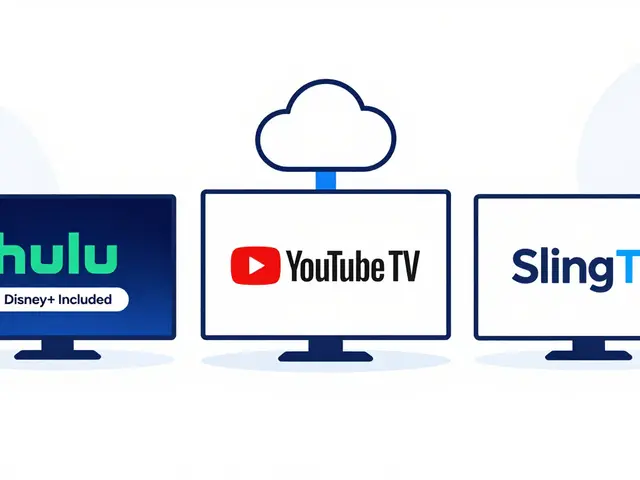
If you want a broader selection of local games, you need a virtual MVPD (Multichannel Video Programming Distributor). These are essentially cable replacements delivered via internet. Not all of them carry RSNs, though. Availability depends heavily on your location and the specific network agreements.
| Service | Base Price (Monthly) | RSN Availability | Best For |
|---|---|---|---|
| YouTube TV | $72.99 | High (Carries most Bally Sports, NBCS, etc.) | Fans wanting full cable replacement |
| Hulu + Live TV | $76.99 | Medium (Varies by region) | Bundle seekers (Hulu/Disney+ included) |
| Fubo | $74.99+ | High (Sports-focused, add-ons available) | Pure sports fans |
| Sling Orange/Blue | $40-$55 | Low (Only select regional channels) | Budget-conscious viewers |
Here’s the catch: YouTube TV and Hulu + Live TV prices have skyrocketed. In 2026, they’re nearly as expensive as basic cable. However, they offer the most reliable access to RSNs. Fubo is another strong contender, specifically built for sports. It often carries niche regional networks that other services skip. Always check the "Channel Lineup" tool on their websites before signing up. Enter your zip code, and it will tell you exactly which local channels are available in your area.
The Antenna Hack: Free Over-the-Air Broadcasts
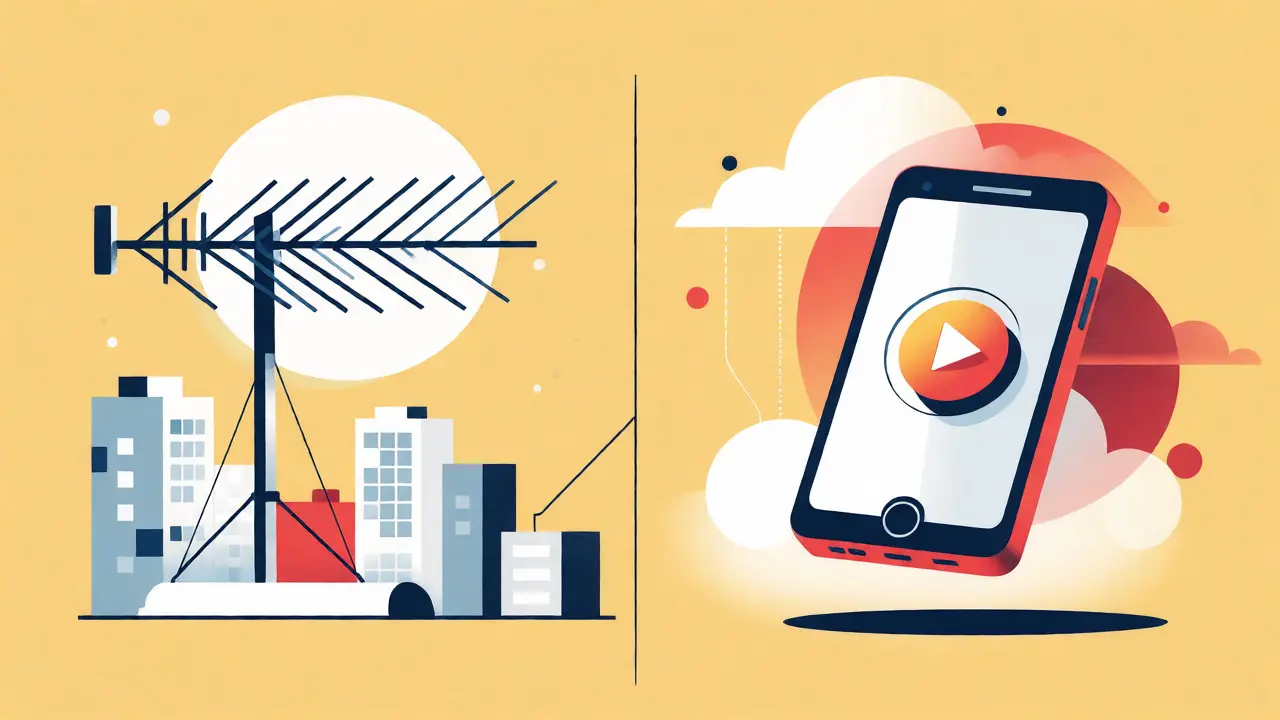
Don’t underestimate the power of an antenna. Many local games, especially for popular teams, are simulcast on over-the-air (OTA) channels. This is particularly common for NFL games (which are broadcast nationally anyway), but also happens with NBA and MLB games during playoffs or marquee matchups.
In recent years, leagues have pushed more games to free broadcast partners like ABC, CBS, NBC, and FOX. Sometimes, even local RSN content spills over to independent local stations. For instance, a game might air on a local CW affiliate instead of the paid RSN.
A good indoor antenna costs less than $30. A rooftop model runs about $80-$100. Once installed, you pick up all free HD channels in your area. This is a zero-subscription solution. Pair it with a DVR box (like Tablo or HDHomeRun) to record games while you’re at work. It’s not a complete solution for every night of the week, but it covers a surprising number of games for free.
Using VPNs to Bypass Blackouts
Let’s talk about the gray area: Virtual Private Networks (VPNs). Blackout restrictions are based on your IP address, which reveals your physical location. If you use a VPN to mask your location, you can sometimes trick streaming services into thinking you’re outside the blackout zone.
For example, if your local MLB game is blacked out on MLB.TV, you could connect to a server in a different country (or a distant US state) and watch the national feed. However, this method has limitations. Major leagues are cracking down harder on VPN usage. They detect traffic patterns and block known VPN server IPs. You’ll need a premium VPN service (like ExpressVPN or NordVPN) that rotates servers frequently to stay ahead of blocks.
Also, remember that using a VPN to bypass blackouts technically violates the Terms of Service of most streaming platforms. It’s low risk for individual users, but streams may buffer or drop unexpectedly. Use this as a backup, not your primary strategy.
Bar Hopping and Social Viewing Apps
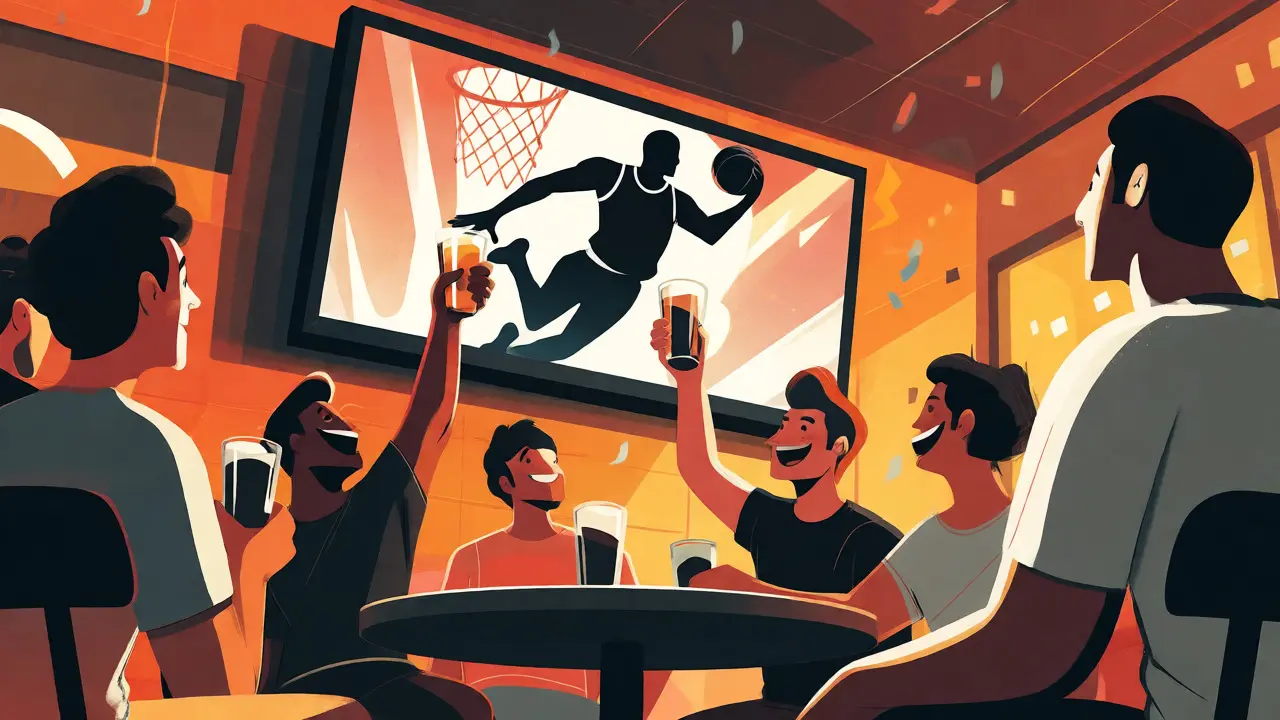
If you’re social, consider the "third place" strategy. Many sports bars subscribe to commercial cable packages that include all RSNs. Buying a drink or appetizer gives you access to the big screens. This is great for atmosphere, but bad for control-you can’t pause, change angles, or hear commentary clearly.
Alternatively, look into social viewing apps like WatchParty or Discord-based streaming rooms. Some communities organize unofficial watch parties where someone shares their screen. Quality varies wildly, from crisp HD to pixelated messes. It’s hit-or-miss, but often free or very cheap.
Practical Checklist for Cord-Cutters
Before you cancel your cable bill, do this homework:
- Identify your team’s broadcaster: Search "[Team Name] TV rights 2026." Find out if they are on an RSN, OTA, or DTC service.
- Check blackout maps: Visit MLB.com, NBA.com, or NHL.com and enter your zip code to see which games are blacked out on league-wide passes.
- Test antenna reception: Use an app like RabbitEats.info to see if you can pick up local broadcast channels.
- Compare livestream lineups: Use the zip code tools on YouTube TV, Hulu, and Fubo sites to confirm RSN availability.
- Calculate total cost: Add up potential subscriptions. Example: $20 Team Pass + $10 MLB.TV + $5 Antenna = $35/month. Compare this to your current cable bill.
Most people end up with a hybrid setup. Maybe you keep YouTube TV for the broad selection, add a specific Team Pass for your favorite club, and use an antenna for free NFL games. There is no one-size-fits-all answer, but you have more options than ever before.
Can I watch local NBA games on NBA League Pass?
Generally, no. NBA League Pass has strict blackout rules for in-market games. If you live in the team's home market, you cannot watch their games live on League Pass. You must use an RSN carrier (like YouTube TV or Hulu + Live TV) or a direct-to-consumer team package if available.
Are Bally Sports channels still available on streaming services?
Yes, but availability varies. YouTube TV, Hulu + Live TV, and FuboTV typically carry Bally Sports networks in regions where they operate. However, due to ongoing corporate restructuring, some markets may have lost access or switched providers. Always verify with the streaming service's channel lookup tool for your specific zip code.
What is the cheapest way to watch local sports?
The cheapest method is usually an over-the-air antenna for broadcast games combined with a free ad-supported streaming tier (like Tubi or Pluto TV) for replays. For live local games not on OTA, Sling TV offers lower-cost bundles, but its RSN coverage is limited compared to pricier options like YouTube TV.
Do I need a VPN to watch sports online?
You don't need a VPN if you use legitimate services like YouTube TV or team-specific apps that respect your location. A VPN is useful primarily for bypassing blackouts on league-wide passes (like MLB.TV) when you are in-market, or for accessing geo-restricted international feeds. Be aware that leagues actively block many VPN servers.
Will Amazon Prime Video show my local team's games?
It depends on your team. Amazon has signed deals with several NBA and WNBA teams to stream their games exclusively or partially. Check your specific team's schedule on the Prime Video app. If your team is part of the "Prime Video NBA" initiative, you can watch them without an RSN subscription.