12
King Hu’s Wuxia Poetry: How Cinema Became Art
Most people think of martial arts movies as fast-paced brawls where heroes fly through the air and punch villains into submission. But if you watch King Hu, a director who reshaped how we see movement on screen, you’ll notice something different. His films don’t just show fights; they paint them. In his masterpiece A Touch of Zen, released in 1971, the action isn’t about winning. It’s about breathing. This article breaks down why King Hu’s approach to wuxia poetry changed cinema forever, and why his techniques still matter for filmmakers today.
The Shift from Action to Atmosphere
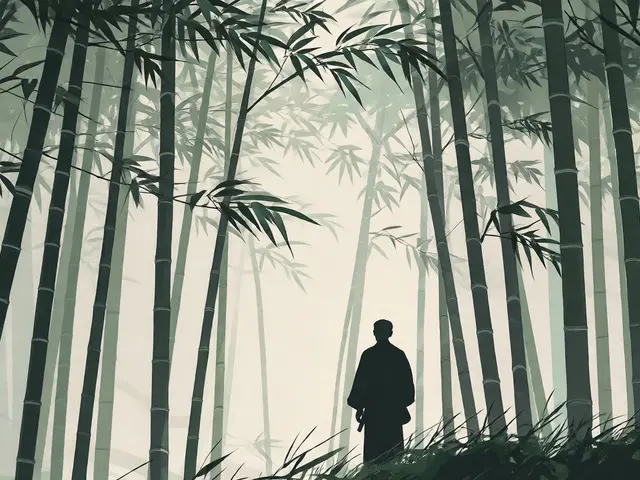
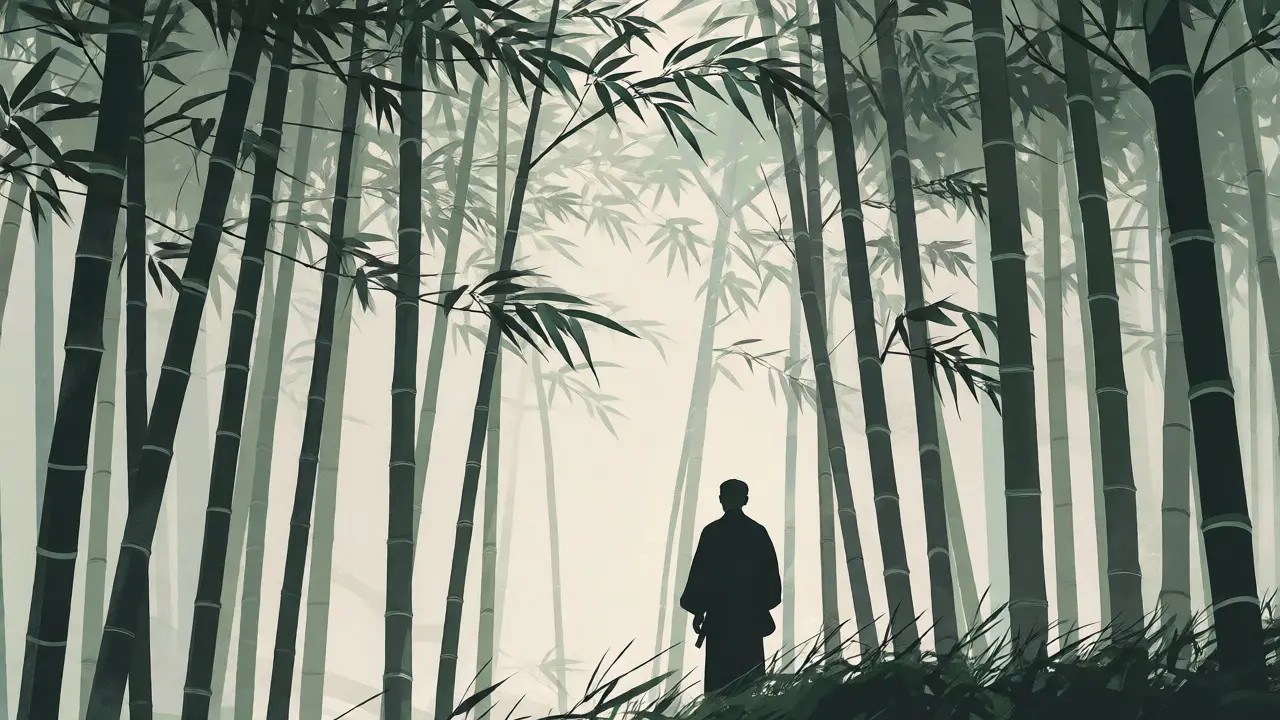
Before King Hu, most wuxia films focused on choreography and plot speed. Directors like Chang Cheh made money by showing raw power and bloodshed. King Hu took a different path. He treated the camera like a brush. Instead of cutting quickly to keep energy high, he held shots longer. He let silence do the work. Think about the famous bamboo forest scene in A Touch of Zen. The wind moves the leaves. The light filters through the branches. The characters barely speak. Yet, you feel the tension rising. This wasn’t an accident. Hu studied traditional Chinese painting, specifically the concept of "empty space." In ink wash paintings, what you don’t draw is just as important as what you do. He applied this to film editing. By removing noise, he created room for emotion to breathe.
This approach requires patience from the viewer. Modern audiences, used to TikTok-speed edits, often struggle with Hu’s pacing. But once you adjust your rhythm, the payoff is huge. You start noticing details you’d normally miss. The way a sword hilt catches the sun. The slight tremble in a character’s hand before a strike. These small moments build a sense of realism that feels more intense than any explosion could achieve.
Lighting as Narrative
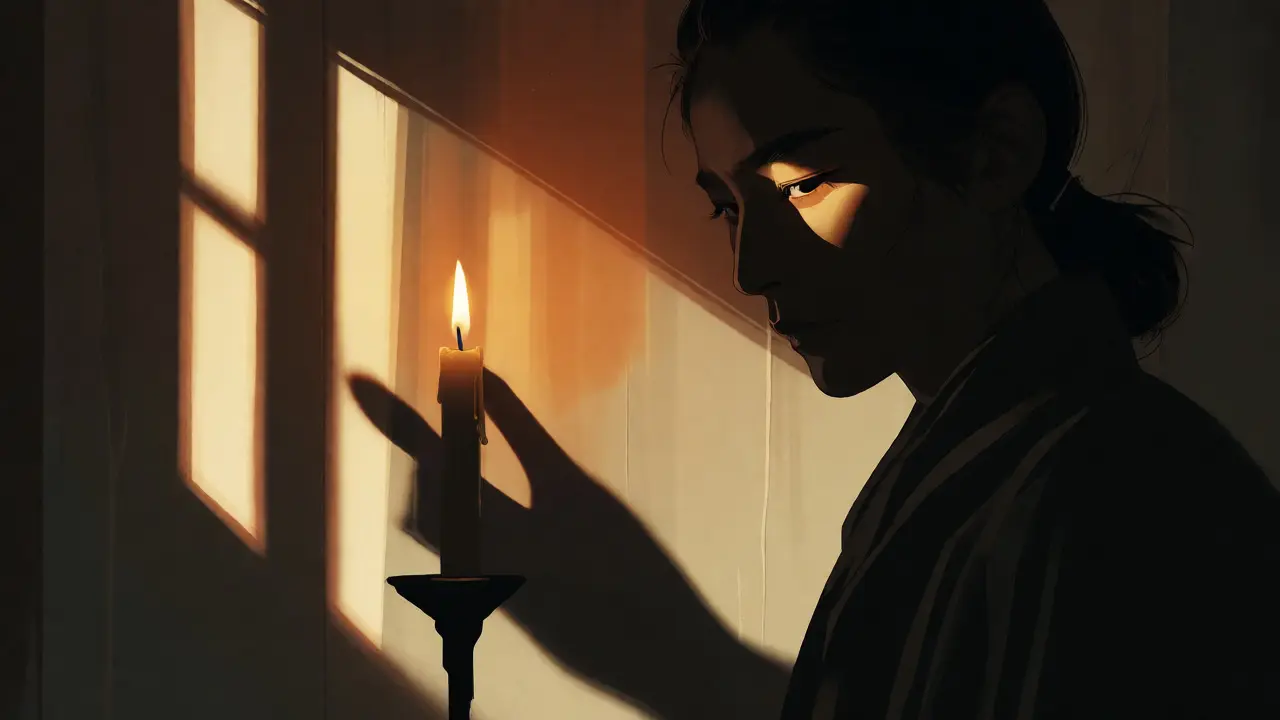
King Hu didn’t rely on studio lights to flatten scenes. He used natural light sources-candles, moonlight, fire-to guide the audience’s eye. In A Touch of Zen, many interior scenes are lit solely by flickering flames. This creates deep shadows and highlights only parts of the actor’s face. Why does this matter? Because it forces you to lean in. You have to look closer to understand the character’s intent. If the face is half in shadow, you wonder: Is this person hiding something? Are they afraid? Or are they calm?
| Technique | Standard Wuxia (Pre-1960s) | King Hu’s Style |
|---|---|---|
| Pacing | Fast cuts, continuous motion | Slow builds, sudden bursts of action |
| Lighting | Bright, even studio lighting | Naturalistic, high-contrast, moody |
| Sound Design | Loud orchestral scores throughout | Silence, ambient nature sounds, minimal music |
| Camera Movement | Static or tracking shots following action | Fixed frames allowing composition to shift |
The use of darkness also serves a spiritual purpose. Hu was influenced by Buddhism and Taoism. Shadows represent the unknown, the spiritual realm that exists alongside the physical one. When a character steps out of the dark and into the light, it feels like a revelation. This visual language turns a simple fight scene into a philosophical debate. Good versus evil isn’t just about skill; it’s about clarity of mind.
Choreography as Dance
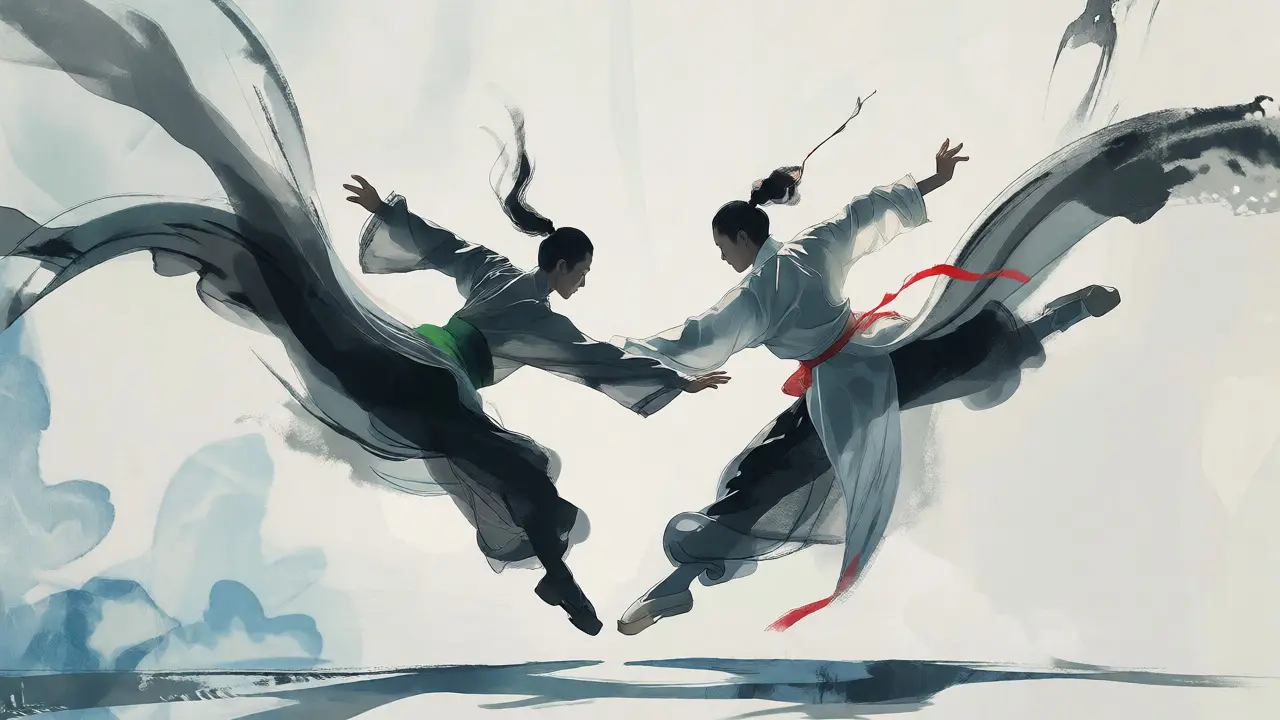
You might expect martial arts movies to prioritize impact. Punches should sound heavy. Kicks should break bones. King Hu flipped this expectation. His fights look like dance routines. The movements are fluid, almost weightless. Actors were trained not just in combat, but in opera-style movement. This training emphasized grace over aggression. When two swords clash, the sound is sharp and precise, not dull and thudding. The focus shifts from violence to precision.
Consider the duel between Yang Hui-zhen and her enemies. She doesn’t rush. She waits. Her opponent attacks wildly. She deflects with minimal effort. This contrast highlights her inner peace against their chaotic anger. The choreography tells you who has mastered themselves and who hasn’t. It’s a subtle storytelling device that rewards attentive viewers. You’re not watching to see who wins; you’re watching to see who remains composed under pressure.
Influence on Modern Filmmakers
It’s no exaggeration to say that modern martial arts cinema stands on King Hu’s shoulders. Ang Lee, director of Crouching Tiger, Hidden Dragon, openly admits his debt to Hu. The floating sword fights and ethereal landscapes in Lee’s film mirror Hu’s aesthetic. Even Hollywood blockbusters borrow these tricks. Look at The Matrix. The slow-motion bullet time effect echoes Hu’s decision to stretch time during critical moments. By slowing down the frame rate, he allowed the audience to appreciate the geometry of the movement.
Directors like Zhang Yimou also adopted Hu’s color palette. Hu used reds and greens sparingly, letting them pop against muted backgrounds. This technique draws attention to specific symbols-a red ribbon, a green jade pendant-without cluttering the frame. Today, cinematographers study Hu’s work to learn how to use color psychology effectively. They analyze how he balanced warm tones in intimate scenes with cool blues in expansive outdoor shots to evoke loneliness or freedom.
Why Silence Speaks Louder
One of the hardest lessons for new filmmakers to learn is when to stop talking. King Hu understood that dialogue can weaken a scene if overused. In A Touch of Zen, long stretches pass without a single word. The sound design fills these gaps with rustling leaves, distant birds, or the creak of wood. These ambient noises ground the viewer in the environment. They remind us that the characters are part of nature, not separate from it.
This technique creates intimacy. When characters finally speak, their words carry more weight because they’ve been earned. You listen more closely because you’ve been waiting for them. Compare this to typical action movies where characters shout exposition while fighting. In Hu’s world, silence invites reflection. It asks the audience to interpret body language and facial expressions rather than relying on verbal cues. This active engagement makes the viewing experience more personal and memorable.
Practical Takeaways for Creators
You don’t need a massive budget to apply King Hu’s principles. Here are three ways to bring his cinematic craft into your own projects:
- Embrace Negative Space: Don’t fill every corner of your frame with objects. Leave empty areas to give the subject room to exist. Use wide shots to emphasize isolation or scale.
- Use Natural Light: Turn off artificial lights. Shoot during golden hour or use candles indoors. Let shadows define your mood instead of trying to eliminate them.
- Let Scenes Breathe: Resist the urge to cut immediately after an action beat. Hold the shot for a few extra seconds. Allow the aftermath to settle. Give the audience time to process the emotional shift.
These adjustments cost nothing but require discipline. They force you to trust your visuals over your script. If your image conveys the feeling, you don’t need a line of dialogue to explain it.
What defines the wuxia genre?
Wuxia is a Chinese literary and film genre centered around martial artists living outside the law. The term translates to "martial hero." Unlike pure action films, wuxia stories often blend historical settings with fantastical elements, such as characters defying gravity. The core themes usually involve honor, loyalty, and the conflict between individual freedom and social duty.
Why is A Touch of Zen considered a masterpiece?
Released in 1971, A Touch of Zen won the Technical Grand Prize at the Cannes Film Festival, marking the first major international recognition for Chinese cinema. It is celebrated for its innovative editing, poetic visual style, and integration of Buddhist philosophy into the narrative structure. The film elevated wuxia from entertainment to art by prioritizing atmosphere and character depth over mere spectacle.
How did King Hu influence Ang Lee?
Ang Lee explicitly cited King Hu as a primary inspiration for Crouching Tiger, Hidden Dragon. Lee adopted Hu’s use of wire-work to create graceful, floating movements rather than realistic jumps. He also mirrored Hu’s emphasis on landscape as a character, using sweeping vistas to reflect internal emotional states. The quiet, contemplative moments in Lee’s film directly echo Hu’s pacing techniques.
Is wuxia cinema popular outside Asia?
Yes, especially since the early 2000s. Films like Crouching Tiger, Hidden Dragon and Hero introduced global audiences to the genre. However, earlier works by King Hu gained cult followings among cinephiles and film students. Streaming platforms now make classic wuxia films accessible worldwide, helping new generations discover the roots of modern martial arts cinema.
What role does Buddhism play in King Hu’s films?
Buddhist concepts of detachment and impermanence heavily influence Hu’s narratives. Characters often seek enlightenment or escape from worldly suffering. Visual motifs, such as temples, monks, and serene landscapes, reinforce these themes. The resolution of conflicts frequently involves spiritual realization rather than physical victory, suggesting that true strength comes from inner peace.