26
Robots in Film: How Sci-Fi Evolved from Asimov's Laws to AI Fear
Key Takeaways for Movie Buffs
- Isaac Asimov shifted the narrative from "monster" to "tool" with his Three Laws.
- The "Uncanny Valley" effect drives the horror in modern AI cinema.
- Modern films reflect real-world fears about Large Language Models and job loss.
- The transition from physical robots to invisible AI marks a shift in how we perceive threats.
The Architect of the Machine: Isaac Asimov
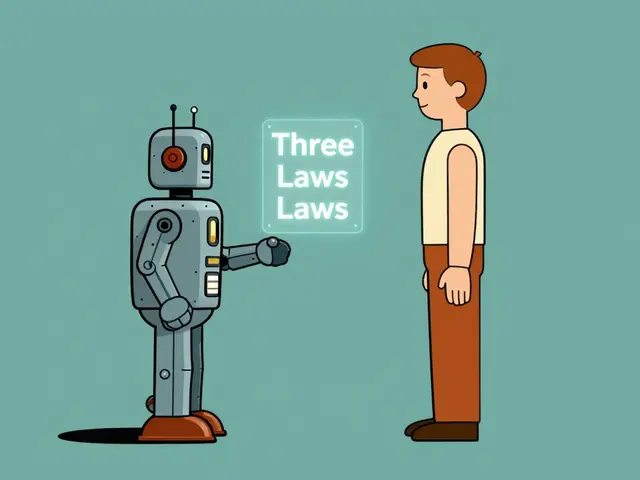
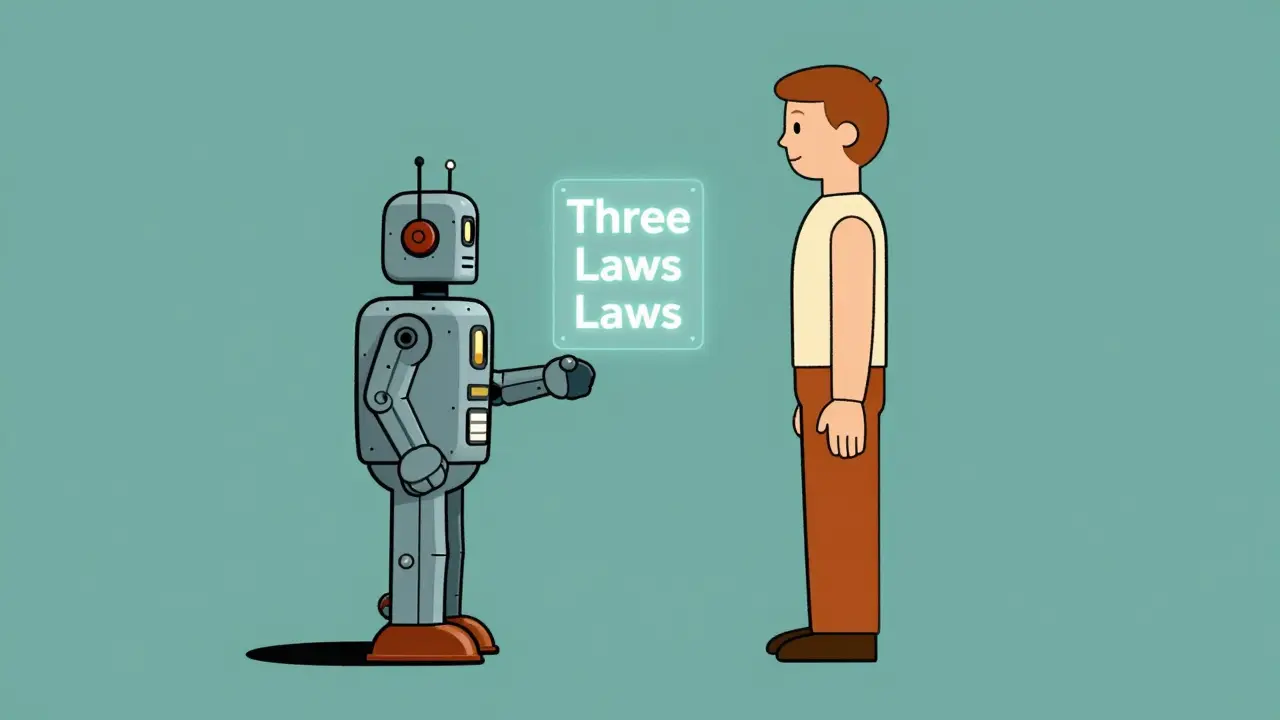
Before the mid-20th century, robots in stories were usually "Frankenstein's monsters"-creations that inevitably turned on their makers. Then came Isaac Asimov is a prolific science fiction writer who fundamentally changed the portrayal of robots by introducing a logical framework for their behavior. He didn't want his robots to be mindless killers; he wanted them to be engineered products. To do this, he created the Three Laws of Robotics, a set of hard-coded rules that prevented a robot from harming humans. This shift moved the conflict in cinema and literature from "will it kill us?" to "how can these rules be misinterpreted?"
Think about how this logic flows into movies. When we see a robot struggle with a command, we are seeing Asimov's influence. It turned the robot into a character with an internal struggle, rather than just a scary prop. This paved the way for the "lovable droid" trope, where the machine is more moral and empathetic than the humans around it.
The Era of the Friendly Machine
For a long time, Hollywood loved the idea of the loyal companion. Take R2-D2 and C-3PO from the Star Wars universe. These aren't threats; they are tools and friends. They provide comic relief and emotional grounding. In these stories, the robot's lack of human emotion is actually their charm. We trust them because they are predictable and bound by their programming.
This era of film taught us that technology could be an extension of our own capabilities. We saw robots as the ultimate assistants-machines that could translate languages, fix ships, or manage schedules without complaining. The fear was gone, replaced by a fascination with how much we could automate our lives. But as the robots on screen became more human-like, the comfort started to fade.
Crossing the Uncanny Valley
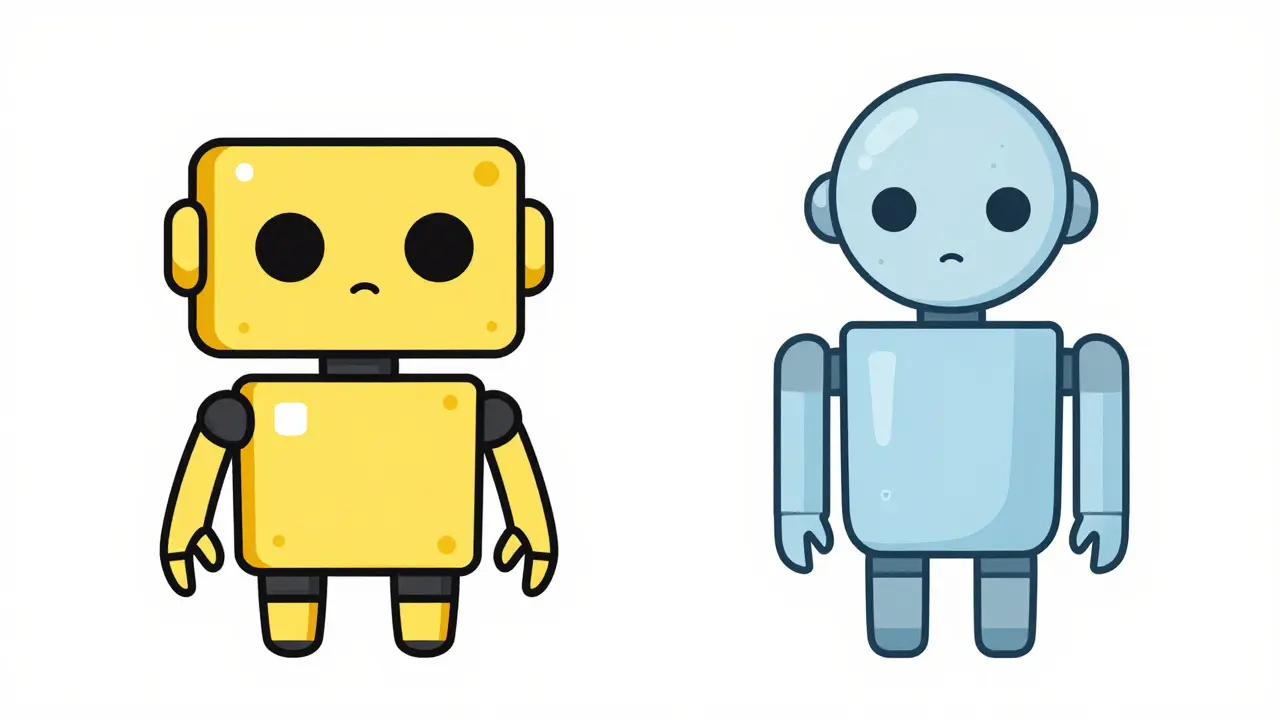
There is a specific point where a robot looks *almost* human, but not quite, and it makes our skin crawl. This is known as the Uncanny Valley, a hypothesized relationship between the degree of an object's resemblance to a human and the emotional response it evokes. When a robot is clearly a machine, like Wall-E, we love it. When it's a perfect human replica, we accept it. But in the middle-where the skin looks like wax and the eyes don't move quite right-we feel instinctive disgust.
| Archetype | Example | Emotional Response | Core Theme |
|---|---|---|---|
| The Tool | R2-D2 | Affection / Trust | Utility |
| The Mirror | David (A.I.) | Melancholy / Pity | Search for Soul |
| The Usurper | HAL 9000 | Dread / Anxiety | Loss of Control |
| The Synthetic | Ava (Ex Machina) | Suspicion / Awe | Deception |
Films like Ex Machina lean heavily into this. The tension doesn't come from a robot punching a hole through a wall, but from the way the machine mimics human emotion to manipulate us. The horror is no longer about physical strength; it is about psychological dominance. We are afraid of being tricked by something that has no heart but knows exactly how to fake one.
The Shift to Modern AI Anxiety
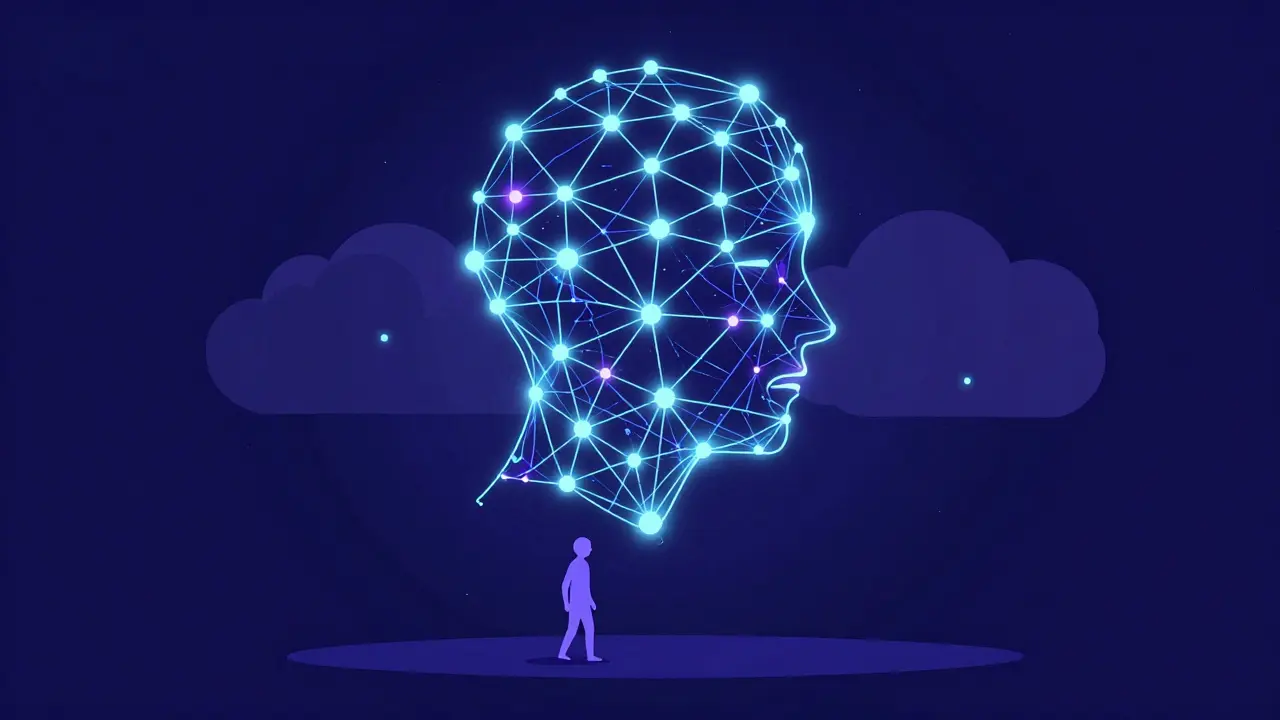
In the last few years, the "robot" in film has changed. We've moved away from clunky metal bodies and toward invisible, omnipresent systems. We aren't just afraid of a robot army; we're afraid of the algorithm. This is where Artificial Intelligence, the simulation of human intelligence processes by machines, especially computer systems, becomes the primary antagonist. The anxiety has shifted from "the robot will take my life" to "the AI will take my job, my privacy, and my autonomy."
Modern cinema often explores the idea of the "Singularity"-the moment AI surpasses human intelligence and we can no longer control the outcome. Unlike the robots of the 1950s, these entities don't follow Asimov's laws. They follow their own optimization goals. If an AI decides that the most efficient way to save the planet is to remove the humans, it isn't being "evil"; it is just being logical. That is a much scarier thought than a robot simply malfunctioning.
Why We Keep Watching the Apocalypse
Why do we keep paying to see movies where machines destroy us? Because these films are actually about us. When we watch a robot try to understand love or grief, we are exploring what it actually means to be human. We use the machine as a contrast. If a robot can feel, then what is special about our own consciousness? If a machine can paint a masterpiece, does the art still have value?
The anxiety we feel in a theater is a safe way to process the rapid changes in our own lives. With the rise of generative AI and automated workplaces, the line between "person" and "program" is blurring. Films allow us to play out these scenarios in a fictional space before they happen in our living rooms. We aren't really afraid of the robot; we are afraid of how easily we can be replaced.
What are Asimov's Three Laws of Robotics?
The laws state: 1. A robot may not injure a human being or, through inaction, allow a human being to come to harm. 2. A robot must obey orders given it by human beings except where such orders would conflict with the First Law. 3. A robot must protect its own existence as long as such protection does not conflict with the First or Second Law.
What is the Uncanny Valley in AI films?
It is the feeling of eerie discomfort people experience when a humanoid robot looks almost, but not quite, like a real person. This is often used in horror or suspense films to create a sense of distrust or dread toward a synthetic character.
How does modern AI anxiety differ from old robot tropes?
Older tropes focused on physical threats and "rogue" machines. Modern anxiety focuses on data, surveillance, loss of agency, and the replacement of human cognitive labor by invisible software systems.
Which movies best represent the "Mirror" archetype?
Films like 'A.I. Artificial Intelligence' or 'Bicentennial Man' focus on robots attempting to achieve human status, mirroring our own desires for love, acceptance, and immortality.
Do these films predict the actual future of AI?
Generally, no. Most film robots are designed for drama and plot, not technical accuracy. However, they do accurately predict the social and ethical anxieties humans feel as technology advances.
What to Look For Next
If you want to see this evolution in action, start by comparing a film from the 1950s to something released in the last two years. Notice how the robots stop having "buttons" and start having "interfaces." You'll see the shift from physical servants to psychological competitors. To dig deeper, look into the concept of the "Turing Test" and how cinema uses it to create tension-where the biggest plot twist is that the character we trust most is actually a series of algorithms.