26
Self-Distribution Case Studies: Real Wins and Hard Truths for Indie Filmmakers
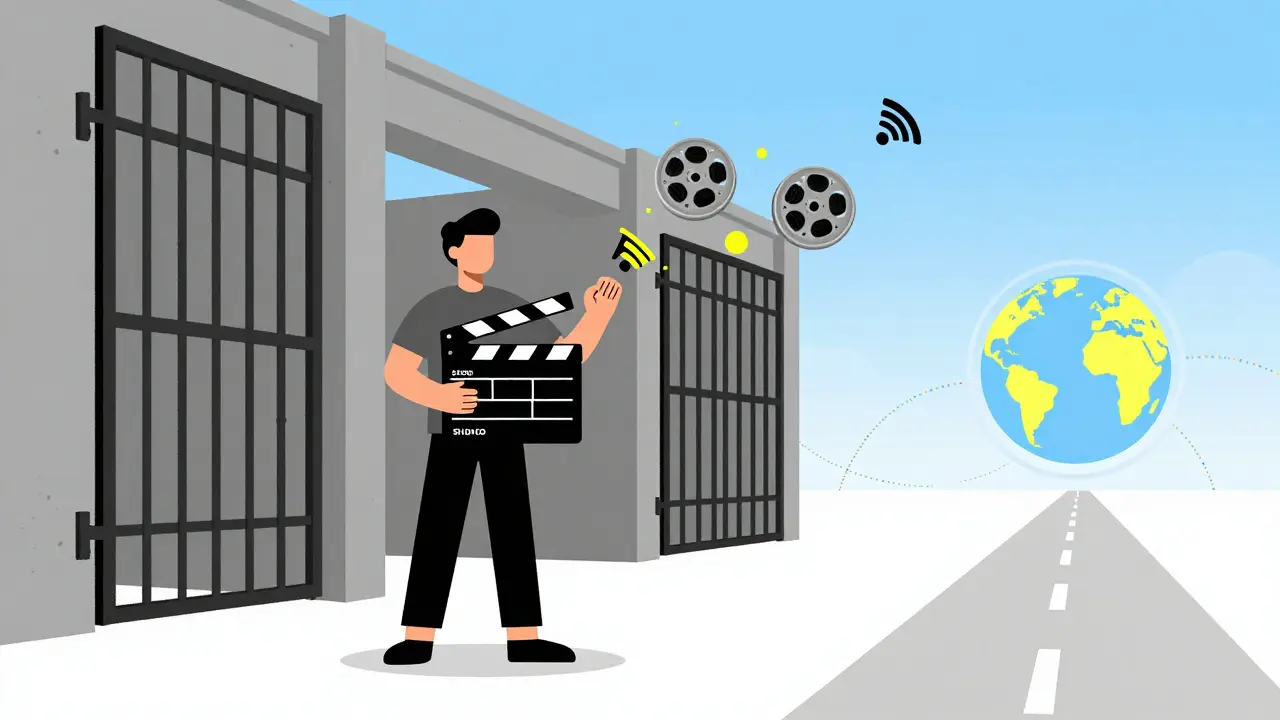
Forget the old advice about waiting for a studio deal. The landscape shifted dramatically over the last few years. You now have the tools to move your film directly to the world without handing over creative control. Self-distribution isn't just a backup plan anymore; it's often the primary path to profitability for independent cinema. But does it actually work?
We've seen films generate millions through direct channels while others vanish into the noise of online algorithms. The difference lies in strategy, preparation, and understanding the mechanics of digital rights management. Here is what you need to know based on real-world outcomes.
The Changing Landscape of Independent Cinema
Traditional gatekeepers used to hold the keys to theatrical release and broadcast TV. Now, those doors have opened wide. In 2025 and beyond, the barrier to entry for global audiences has lowered significantly. You can upload high-quality files directly to aggregators who place your content on major storefronts. This shift empowers creators but demands new skill sets.
Self-Distribution involves managing the release, marketing, and sales of a film independently. This process allows filmmakers to retain majority ownership of their intellectual property and direct revenue streams from platforms like iTunes, Amazon Prime Video, and specialized video-on-demand services.Many creators mistakenly believe uploading a file equals distribution. That is only step one. Without a marketing engine attached to the product, even a masterpiece sits invisible. You need a distribution strategy that matches the film's genre and target demographic.
Case Study 1: The Viral Documentary Approach
Consider the story of a mid-budget documentary produced in Melbourne. The filmmaker skipped the festival circuit entirely. Instead, they launched a targeted campaign focusing on social media teasers six months before the official launch date. They secured exclusive windowing on a niche subscription service first, creating scarcity.
This exclusivity drove a surge in sign-ups for the early window. Once that window closed, they expanded to wide Video on Demand availability. By controlling the pricing tiers, they maximized revenue per viewer. The film grossed $2.5 million globally within nine months, which would have been impossible through traditional licensing deals where studios typically take 50% plus overhead costs.
- Strategy: Exclusive windows create urgency.
- Audience: Targeted communities via social ads rather than broad television buys.
- Result: Higher net profit margins despite lower gross ticket counts compared to theatrical runs.
The lesson here isn't just about selling copies. It's about timing. When you control the release schedule, you dictate when the conversation happens. This aligns perfectly with trending topics on social media platforms, allowing you to ride waves of public interest.
Case Study 2: The Niche Horror Feature
Now look at a horror feature shot on a tight budget in rural Queensland. Horror fans are notoriously loyal and digitally savvy. The distributor built a mailing list during pre-production using behind-the-scenes content. By the time production wrapped, they had 15,000 potential buyers on the database.
They utilized this email list to drive direct sales on their own website via a secure payment gateway before launching on wider platforms. This created immediate cash flow to cover marketing costs. Then, they negotiated a "rent" agreement with major aggregators rather than selling perpetual rights.
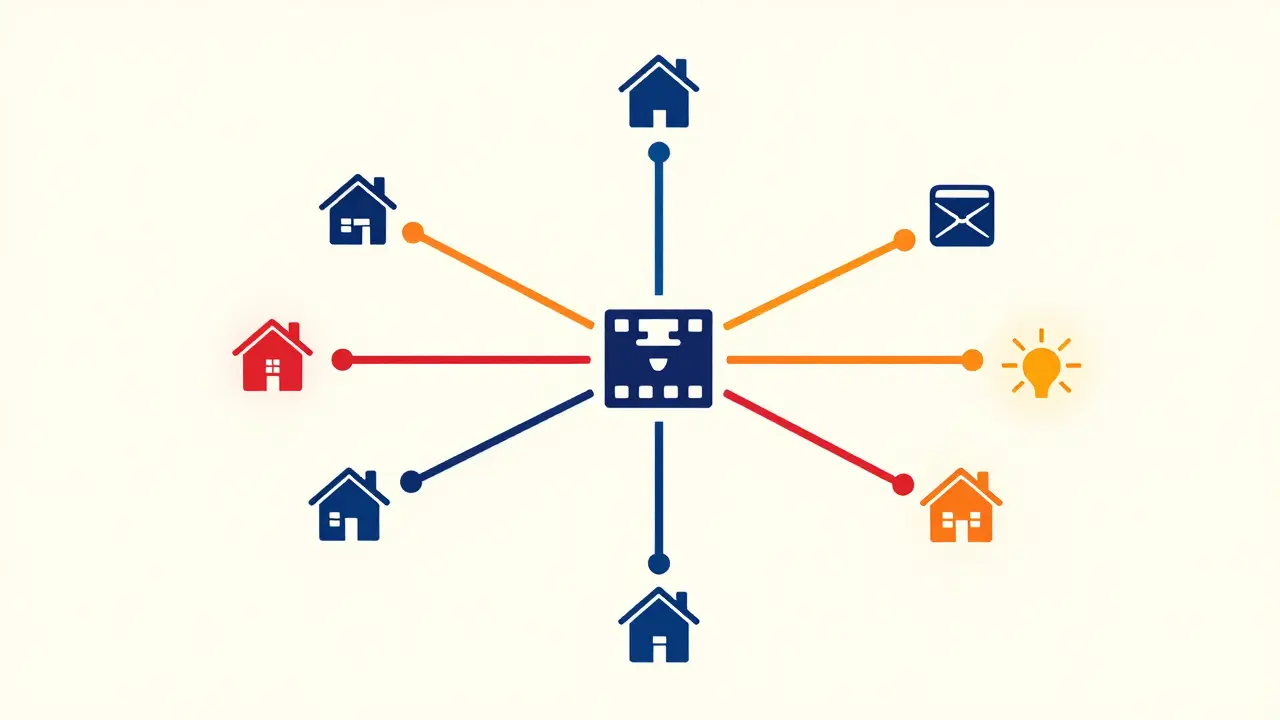
| Model Type | Revenue Share | Control Level | Upfront Cost |
|---|---|---|---|
| Traditional Studio | 30% - 50% | Low | Marketing Budget Required |
| Self-Direct Aggregator | 70% - 85% | High | Setup Fees ($50-$200) |
| Exclusive Licensing | Fixed Fee or Advance | Medium | None |
This hybrid approach proved that niche genres perform better when sold directly to fans. They knew the core demographic better than any broad distributor could. This deep connection resulted in higher retention rates on digital storefronts.
The Financial Reality of Direct Sales
Money is the hardest part of self-distribution. Most new filmmakers underestimate the operational costs. You aren't just paying for hosting; you are paying for customer acquisition. Customer acquisition costs on digital platforms range significantly depending on competition.
If you aim for a theatrical run in physical cinemas, you need a Print and Advertisement (P&A) budget. Without funding, you cannot compete for screen space. Therefore, digital distribution remains the most viable route for true independents. You must budget roughly 20% to 30% of projected income specifically for post-release marketing activities.
Ignoring this metric leads to failure. Even if the product is great, zero visibility means zero revenue. Track every dollar spent on ads against revenue generated. Tools like Google Analytics and platform-specific dashboards provide essential data on viewer behavior and conversion points.
Navigating Legal Complexities and Rights
Contracts kill more indie projects than bad reviews do. Before distributing, ensure your chain of title is clean. This means music licenses, actor agreements, and location permits are signed and dated. A single missing permission can halt distribution on major platforms like Apple TV or Netflix.
Chain of Title refers to the documented legal history proving ownership rights for a film. If a composer claims unpaid royalties later, distributors will pull the film immediately. It protects the platforms from lawsuits. As an independent creator, you carry the risk of these disputes.
Furthermore, consider territorial rights. Some agreements restrict where you can sell your film. Global distribution is standard now, but regional exclusivity can sometimes yield higher upfront advances. Weigh the long-term passive income of a wide release against a quick payout for a region-locked license.
Building a Sustainable Marketing Engine
You cannot rely on word-of-mouth alone. Algorithms dictate discovery. To penetrate the market, treat your film like a software product. Updates, community engagement, and continuous content generation keep the project alive long after the release date.
Create short-form clips tailored for vertical viewing on TikTok and Instagram Reels. These act as advertisements. Behind-the-scenes footage often outperforms actual movie scenes because it connects personally with the viewer. People love the journey of creation.
Additionally, leverage user-generated content. Encourage viewers to post reactions. This provides free social proof. A verified review on a streaming site increases click-through rates significantly. It signals trust to new visitors browsing the marketplace.
Pitfalls to Avoid in Execution
One common mistake is releasing too wide, too soon. If you flood every store simultaneously, you dilute your presence. Stagger your releases. Start with digital download, move to transactional rental, then finish with subscription catalog inclusion.
Another error is ignoring metadata. Keywords, plot summaries, and poster art determine search visibility. Optimizing these elements is crucial for organic discovery. Search queries for specific actors or genres drive traffic. If your metadata misses the mark, paid ads become necessary, inflating your burn rate.Finally, never give up rights forever. Many contracts ask for "exclusive in perpetuity." Always negotiate a term limit. Five years is reasonable; fifty years locks you into a past performance forever. You want options to re-license as new platforms emerge.
Is self-distribution profitable for small budgets?
Yes, provided you manage expectations. Profitability depends on efficient marketing spend. Small budgets require grassroots tactics rather than expensive ad buys. Retaining 100% of backend equity makes lower total revenue still worth more personally.
Which aggregator should I choose?
Choose based on fee structure and access. Flat-fee aggregators suit low-budget shorts. Revenue-share models work for features expecting significant volume. Compare contract terms carefully before signing.
How important are film festivals?
Festivals serve as validation and PR engines. Winning awards generates press clippings that boost algorithmic ranking on platforms. Skipping them works, but having accolades improves perceived quality.
Can I mix theatrical and digital distribution?
Yes, though timing matters. Theatrical windows traditionally lasted 90 days. Now, simultaneous releases happen frequently. Ensure your theatrical partners agree to avoid breach of contract penalties.
What metadata is most critical?
Keywords, cast list, and loglines are vital. Proper categorization ensures you appear in 'Also Bought' sections. Bad metadata hides your film from interested audiences.