12
Streaming Service Cancellation Fees: Do They Exist and Are They Legal?
The Difference Between Monthly Plans and Annual Contracts
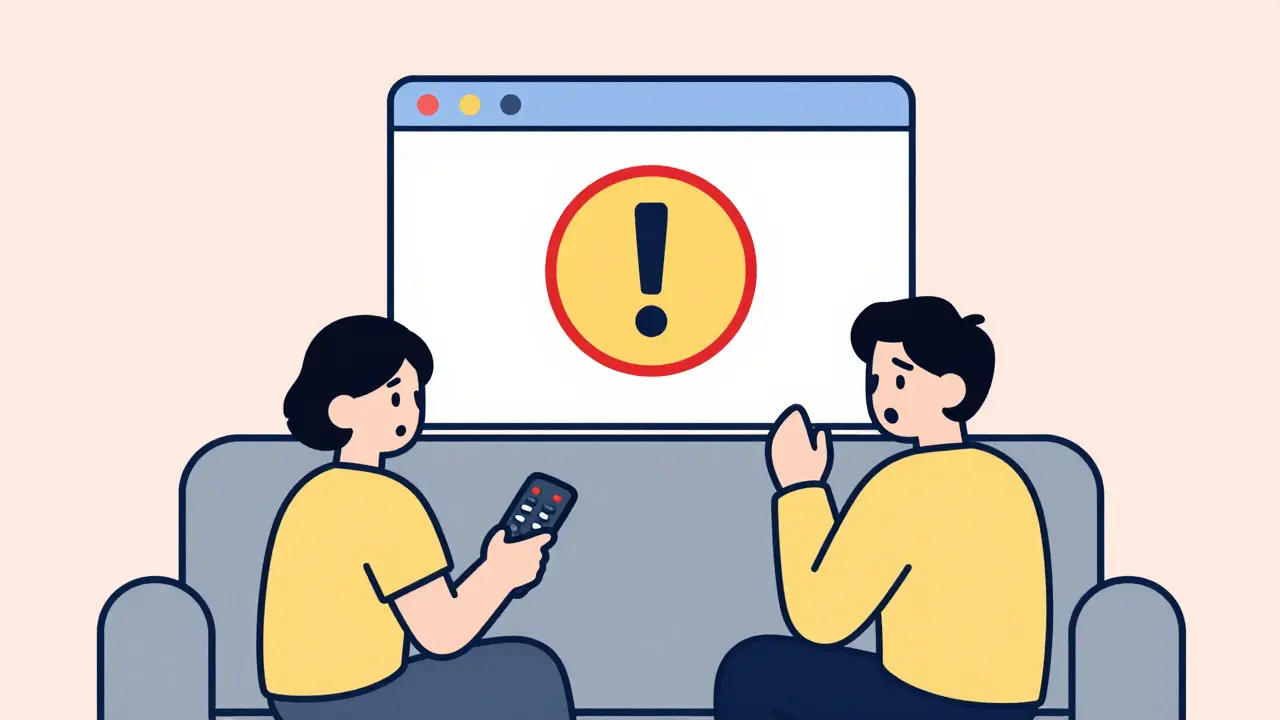
Most people confuse a "subscription" with a "contract." If you pay a service like Netflix or Disney+ every 30 days, you are generally on a month-to-month agreement. In these cases, you are paying for a service in advance. Since there is no long-term commitment, there is no legal basis for a cancellation fee. You simply stop paying, and your access ends at the end of the current billing cycle. However, things change when you opt for a discounted annual plan. Some services offer a lower rate if you commit to a full year. If that agreement is structured as a fixed-term contract rather than a prepaid annual membership, the company might include an Early Termination Fee (ETF). An ETF is a penalty charge applied when a customer ends a contract before the agreed-upon expiration date. This is much more common in cable TV or high-speed internet bundles than in pure streaming apps, but the logic is starting to bleed over into the digital world.Common "Hidden" Charges That Feel Like Cancellation Fees
Even if a service doesn't have a formal exit fee, you might see charges that feel like a penalty. One of the most frustrating is the "non-refundable" nature of prepaid plans. If you pay $120 for a year upfront and cancel after three months, most services won't give you the remaining $90 back. They aren't charging you to leave; they are simply refusing to refund the unused portion of the term. Then there are the "administrative fees." Some smaller, niche streaming platforms-especially those tied to fitness or specialized education-might hide a processing fee in their fine print. They claim this covers the cost of closing the account and removing your data from their servers. While rare for giants, these are often used by smaller companies to recoup the cost of a customer acquisition (like a free trial that turned into a paid plan).| Plan Type | Commitment | Cancellation Cost | Common Example |
|---|---|---|---|
| Month-to-Month | None | $0 (Free) | Standard Netflix/Hulu |
| Prepaid Annual | 1 Year | Loss of remaining balance | Annual Disney+ plan |
| Fixed-Term Contract | 12-24 Months | Possible Early Termination Fee | Bundled Cable/Internet |
| Trial-to-Paid | Variable | Immediate charge of first month | Free trials with CC capture |
Are These Fees Legal? Understanding Consumer Protection
Whether a cancellation fee is legal usually comes down to "clear and conspicuous disclosure." In the United States, the Federal Trade Commission (FTC) has been cracking down on what they call "dark patterns." These are user interface designs intended to trick users into doing things they didn't intend, like signing up for a subscription that is nearly impossible to cancel. If a company hides a cancellation fee in a 50-page document that you have to scroll through, a court or a regulatory body may find it unenforceable. For a fee to be legal, the company generally must:- Clearly state the fee at the point of purchase.
- Ensure the user affirmatively agrees to the term (not just a pre-checked box).
- Provide a reasonable way to cancel that doesn't require a phone call to a representative in a different time zone.
How to Spot "Subscription Traps" Before You Sign Up
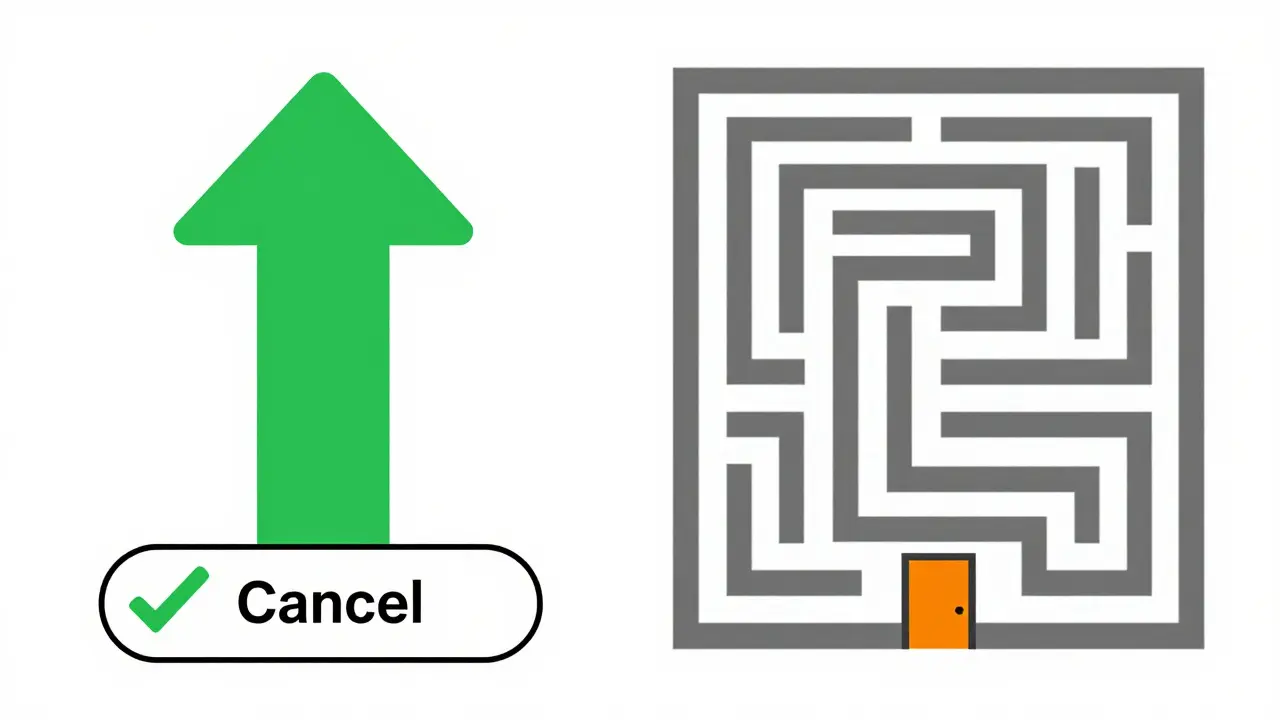
To avoid paying unexpected fees, you need to look past the "Start Your Free Trial" button. The most dangerous phrase in a terms-of-service agreement is "automatic renewal." When a service uses Automatic Renewal, they are essentially creating a rolling contract. If the terms state that the renewal period is yearly and that cancellations must be made 30 days prior to the date, you could find yourself locked into another year of payments if you miss that window by a single day. Another red flag is the "difficulty of exit." If the sign-up process takes two clicks but the cancellation process requires you to send a certified letter or call a specific number during limited business hours, you are dealing with a company that wants to make leaving as painful as possible. This isn't a fee in dollars, but it's a fee in time and stress.Practical Steps to Manage Your Digital Spend
If you find yourself fighting a streaming service over a cancellation charge, don't just accept the hit. Start by documenting everything. Take a screenshot of the page where you attempted to cancel and save the confirmation email. If the service is insisting on a fee that wasn't clearly disclosed, your best tool is the Chargeback process through your credit card provider. Most banks are very supportive of consumers fighting "unauthorized" or "misleading" subscription charges. If you can prove the company used dark patterns to hide the fee, the bank will often reverse the transaction. However, use this as a last resort, as some companies may blacklist your account or email address after a chargeback.
The Future of the Subscription Economy
We are moving toward a world of "micro-subscriptions" and "aggregation." Services like Apple One or Amazon Prime bundle multiple streams into one price. While this simplifies billing, it makes cancellation more complex. If you cancel the bundle, you lose everything. This creates a different kind of lock-in-not a financial penalty, but a loss of utility. Companies are also experimenting with "pause" features. Instead of canceling, you can freeze your account for 3 months. This is a strategic move by providers to stop the "churn rate" (the percentage of subscribers who leave) without actually letting you go. While it seems helpful, it keeps your payment method on file, making it easier for them to restart the billing cycle automatically.Can a company charge me if I cancel during a free trial?
Generally, no. A free trial is an offer to use the service for a set period without cost. However, if you forget to cancel before the trial ends, the service will automatically charge you for the first full billing cycle. This isn't a cancellation fee, but a standard subscription charge. To avoid this, set a calendar reminder two days before the trial expires.
What should I do if a service refuses to let me cancel online?
If the company forces you to call a representative to cancel, document the call. If they still refuse or try to charge a hidden fee, contact your bank to stop future payments or request a chargeback for the unauthorized fee. In the US, you can also file a complaint with the FTC regarding "dark patterns" in their cancellation process.
Is a prepaid annual plan a contract?
Not usually. A prepaid plan is a purchase of a set amount of time. While you are committed for that year in terms of payment, you aren't usually signing a legal contract that allows the company to charge additional fees if you decide to stop using the service. The "penalty" is simply that you won't get your money back for the remaining months.
What are "dark patterns" in subscription services?
Dark patterns are deceptive design choices made by companies to trick users. Examples include making the "Cancel" button a pale gray color that blends into the background, using confusing double-negative language (e.g., "Click here to not keep my subscription"), or hiding the cancellation link deep within a sub-menu.
Do laws differ by country for digital cancellations?
Yes, significantly. The European Union has some of the strongest protections, including a 14-day cooling-off period for many digital services. In the US, protection is more focused on the transparency of the terms and the legality of the charging method (via the FTC), whereas Australian Consumer Law provides strong protections against unfair contract terms.
Next Steps for Subscription Safety
If you're worried about your current bills, start by auditing your bank statements for the last 90 days. Look for small, recurring amounts you've forgotten about. Use a dedicated email address for trials so your primary inbox isn't flooded with marketing, and consider using virtual credit cards (like those offered by some fintech apps) that allow you to set a spending limit or delete the card immediately after signing up for a trial. This removes the company's ability to charge you a surprise fee or an automatic renewal without your active consent.