25
Survival Horror in Film: How Isolation, Resourcefulness, and Tension Create Unforgettable Fear
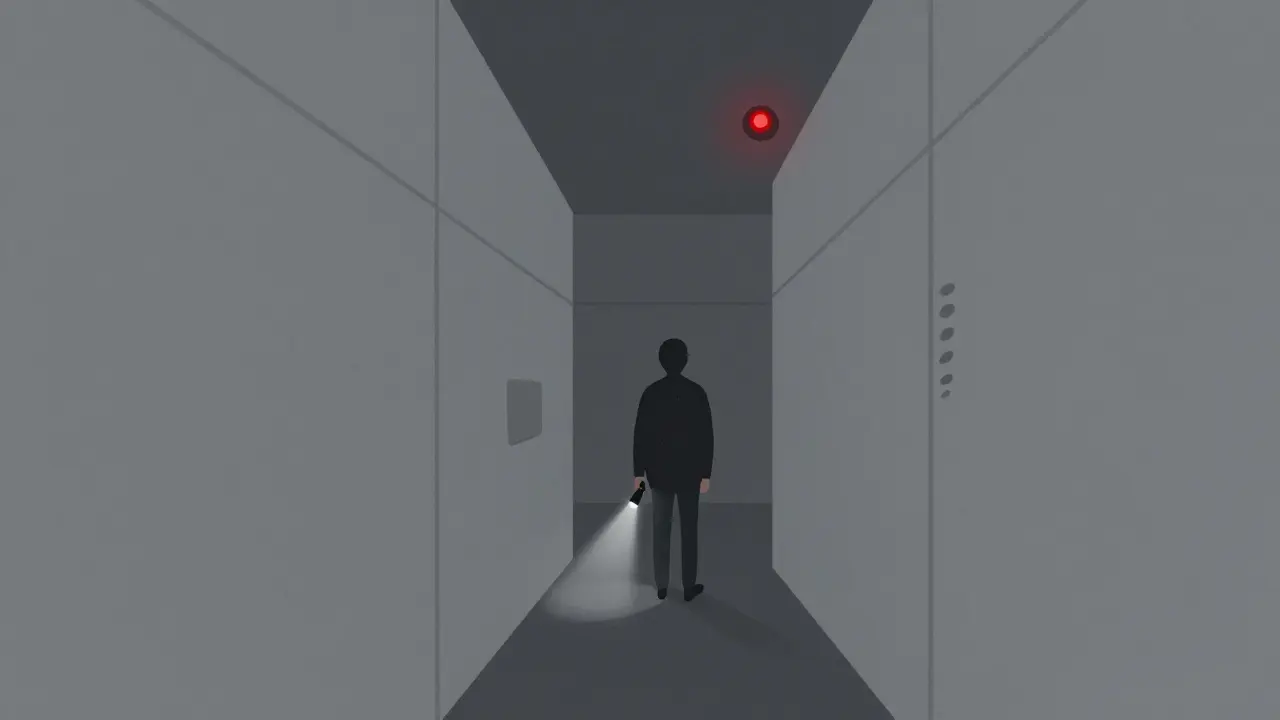
Survival horror in film isn’t about jump scares or blood-soaked monsters. It’s about the slow, creeping dread of being alone, with nothing but your wits-and maybe a rusty pipe-to keep you alive. Think of Ellen Ripley in Alien, trapped on a spaceship with a creature that knows every corridor better than she does. Or Jill Valentine, crawling through a decaying mansion, her ammo count ticking down with every step. These films don’t just scare you. They make you feel helpless. And that’s the point.
Isolation: When No One Can Hear You Scream
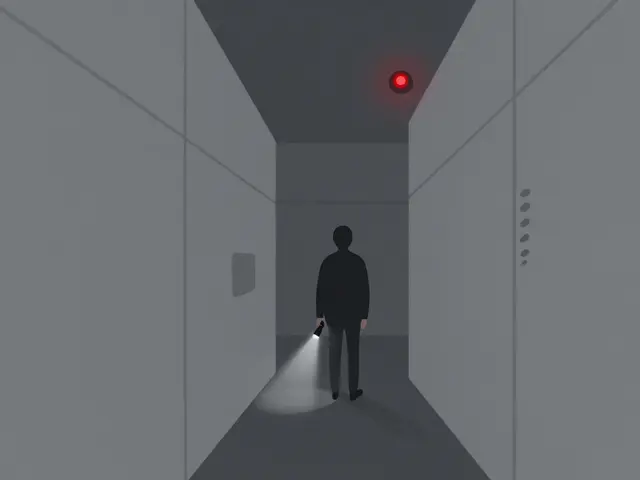
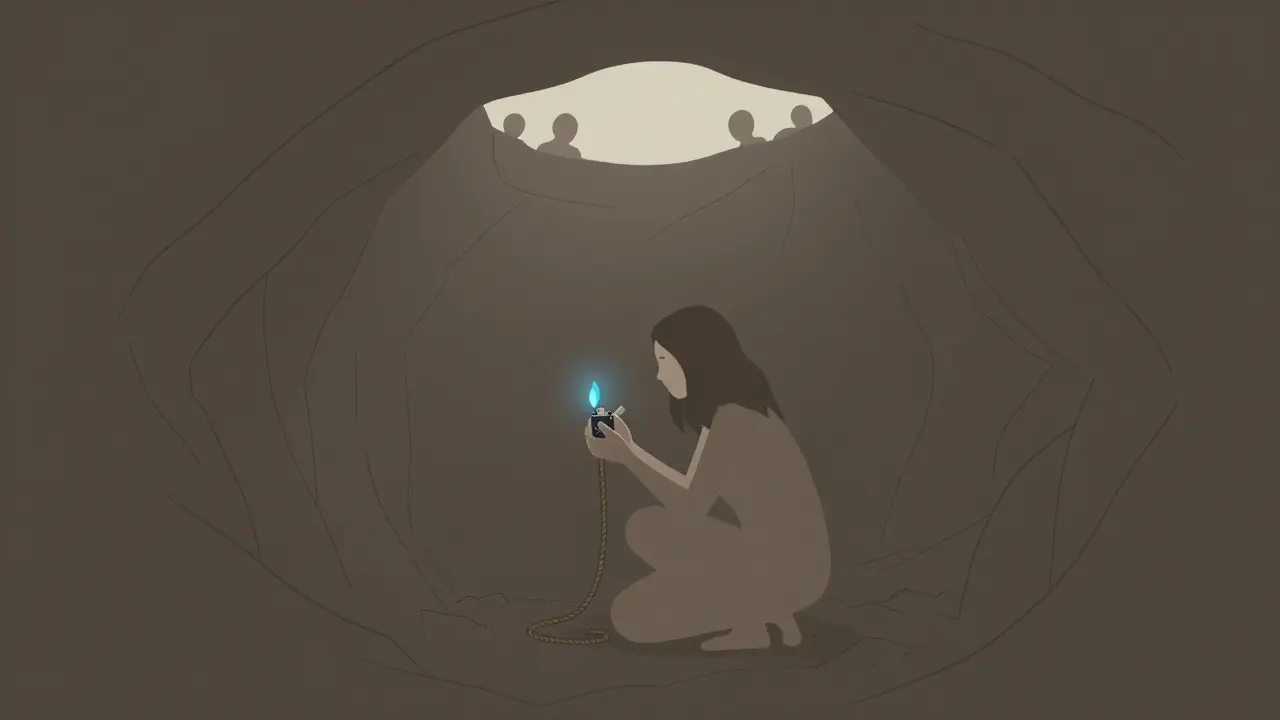
Isolation isn’t just a setting in survival horror-it’s the engine. The genre thrives on removing the safety net. No police. No backup. No cell signal. Just you, the dark, and something that doesn’t care if you live or die.In The Descent (2005), six women descend into an uncharted cave system. The moment the entrance collapses, the film becomes a claustrophobic nightmare. There’s no escape route. No one knows they’re down there. The creatures aren’t even the worst part. It’s the silence. The way the walls press in. The realization that if you die here, your body might never be found.
Compare that to a slasher film like Halloween. Michael Myers stalks a suburb. People live nearby. Cars pass on the street. The threat is real, but the world still exists outside the horror. Survival horror flips that. The world has already ended. Or maybe it never existed to begin with.
Modern films like It Follows (2014) use isolation differently. The threat isn’t locked in a building-it’s everywhere. But the protagonist, Jay, is emotionally isolated too. She’s alone with her guilt, her fear, her inability to trust anyone fully. The monster doesn’t need walls. It thrives in loneliness.
Resourcefulness: The Only Weapon You Have
In most horror movies, the hero grabs a knife, a baseball bat, or a shotgun and fights back. In survival horror, weapons are rare. Ammo is scarce. Tools are improvised.Take Resident Evil (2002). Jill Valentine doesn’t have a full arsenal. She finds a handgun with three bullets. A lighter. A keycard. A crowbar. Each item is a lifeline. The tension isn’t just about the zombies-it’s about the decision: Do you use your last bullet on the one coming from the hallway… or save it for the door you need to break open?
This is where resourcefulness becomes a character. The protagonist isn’t a soldier. They’re a nurse, a student, a mechanic. They survive because they think. They notice patterns. They use the environment. In Alien, Ripley doesn’t defeat the creature with force. She lures it into an airlock and ejects it into space. She uses the ship’s own systems as weapons.
That’s the rule: Survival horror rewards cleverness over strength. A character who runs out of bullets and just starts swinging wildly? They die. The ones who study the layout, conserve resources, and wait for the right moment? They might make it out.
Even in The Witch (2015), the family’s downfall isn’t caused by the witch-it’s caused by poor decisions born of desperation. They burn their crops. They eat their goat. They turn on each other. Their lack of resources doesn’t just limit their options-it erodes their sanity.
Tension: The Slow Burn That Breaks You
Jump scares are cheap. They’re a dopamine hit. But survival horror builds tension like a pressure cooker. It’s the creak of a floorboard. The flicker of a dying light. The sound of breathing that isn’t yours.Consider REC (2007). The entire film takes place in a quarantined apartment building, shot like a found-footage news report. The camera never leaves the protagonist’s hands. You don’t see the monster until it’s right in front of you. And when you do? It’s not a roar. It’s a wet, guttural groan. A hand grabbing your ankle from under the bed.
The horror isn’t in what you see-it’s in what you don’t. The silence between heartbeats. The moment you pause before opening a door. The way your own breath sounds too loud.
That’s the genius of Alien’s chestburster scene. The tension isn’t the monster bursting out. It’s the seconds before. The way Kane’s body twitches. The way the crew leans in, curious. The way the camera lingers on the table, the fork, the half-eaten meal. You know something’s wrong. You just don’t know how wrong.
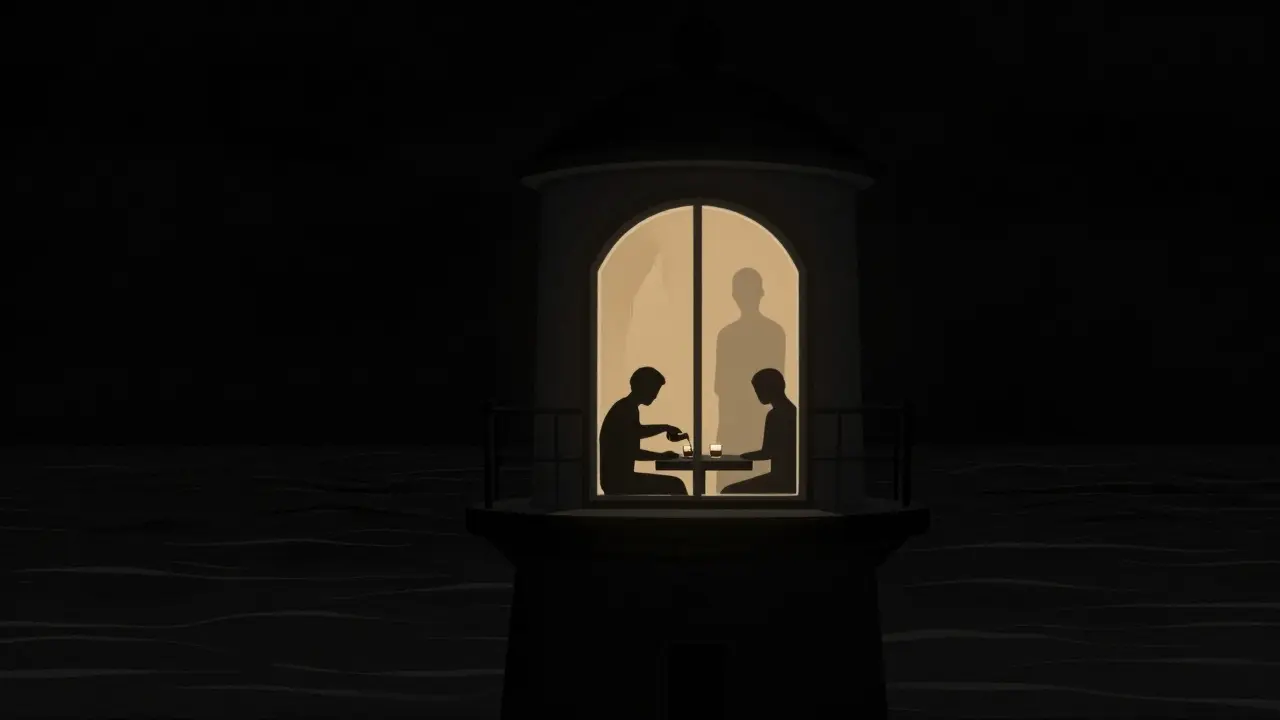
Modern films like The Lighthouse (2019) take this further. The horror isn’t supernatural-it’s psychological. The isolation, the rationed rum, the endless storm. The tension builds until the characters-and the audience-can’t tell what’s real anymore.
The Balance: Why Some Survival Horror Films Fail
Not every horror film with a dark hallway and a flashlight is survival horror. Too many try to copy the formula and miss the point.Take Resident Evil: Afterlife (2010). It’s got zombies. It’s got a confined space. But the protagonist has a machine gun, a tank, and a team of soldiers. The stakes are gone. The tension evaporates. It’s an action movie with a horror skin.
Same with Evil Dead (2013). The protagonist is battered, bleeding, and alone-but the film cuts to black every time the tension peaks. It’s all shock, no dread. The audience isn’t scared. They’re exhausted.
True survival horror doesn’t rush. It lets you sit with the fear. It makes you count your bullets. It makes you hesitate before turning the corner. It doesn’t tell you when the monster is coming. It lets you imagine it.
Why This Genre Still Matters
In a world of streaming binges and fast-paced thrillers, survival horror holds onto something rare: patience. It asks you to sit still. To feel the weight of silence. To question every shadow.It mirrors real fears-not monsters under the bed, but being forgotten. Running out of time. Being powerless. In a society that glorifies constant connection, survival horror reminds us what it feels like to be truly alone.
And maybe that’s why it sticks with us. Not because it shows us the worst monsters. But because it shows us what we’d become if we had to survive them.
What makes survival horror different from other horror genres?
Survival horror focuses on helplessness, limited resources, and psychological tension rather than gore or jump scares. Unlike slasher films where the killer is chased and fought, survival horror protagonists are often ordinary people trying to escape-not defeat-threats. The emphasis is on evasion, resource management, and atmosphere.
Is isolation necessary for survival horror?
Yes, isolation is core. Whether physical (trapped in a spaceship, basement, or forest) or emotional (abandoned by loved ones, distrusted by others), the feeling that no one is coming to help is what makes the fear real. Without isolation, the stakes drop. The protagonist becomes a hero, not a survivor.
Can survival horror work without monsters?
Absolutely. Films like The Witch and The Lighthouse prove that the real horror comes from isolation, madness, and desperation. The threat doesn’t need to be physical-it just needs to feel inescapable. Human behavior under pressure can be more terrifying than any creature.
Why do survival horror films use low-light visuals?
Low light forces the audience to rely on sound and implication. It limits what you can see, which makes your imagination fill in the gaps-often with something worse than what’s actually there. It also mirrors the protagonist’s limited vision, making you experience their fear firsthand.
What’s the most important element in a successful survival horror film?
Consistency in tone. If the film starts with slow, tense isolation but suddenly turns into an action sequence with explosions and gunfire, the emotional core collapses. The fear must feel real and earned. Every decision, every resource, every moment of silence must serve the feeling of being trapped with no way out.
What to Watch Next
If you want to feel that slow, gnawing dread, start with these: Alien (1979), The Descent (2005), REC (2007), The Witch (2015), and It Follows (2014). Avoid the sequels that turn into action flicks. Stick to the originals-they understand the rules.Survival horror doesn’t need big budgets. It just needs patience. And the courage to sit in the dark a little longer than you’re comfortable with.