Cinema Sound Design: How Audio Shapes Emotion and Story in Film
When you think about what makes a movie unforgettable, you probably picture the visuals—but the real magic often lives in the silence between dialogue and the rumble just before the explosion. cinema sound design, the art of crafting and arranging all non-musical audio elements in a film to support narrative and emotion. Also known as film audio design, it’s what turns a scene into a feeling—whether it’s the echo of footsteps in an empty hallway or the low hum of a spaceship engine that makes your chest vibrate. It’s not about volume. It’s about intention. Every creak, breath, and distant siren is chosen to pull you deeper into the story.
Sound design doesn’t work alone. It’s tied to sound editing, the process of selecting, cutting, and arranging recorded audio to match the visual timeline, and audio mixing, the final balancing of dialogue, music, and effects so nothing overpowers the other. Think of it like cooking: sound editing is chopping the ingredients, audio mixing is seasoning the dish. You can have perfect visuals, but if the sound is flat or mismatched, the whole thing falls apart. Look at films like Mad Max: Fury Road—the roar of engines isn’t just loud, it’s the heartbeat of the movie. Or Arrival, where silence becomes a character, making every alien tone feel alien and terrifying. These aren’t accidents. They’re designed.
And it’s not just big blockbusters. Even quiet dramas rely on sound to do the heavy lifting. A sigh, a door closing too hard, the rustle of a coat—these tiny details tell you what a character isn’t saying. In horror, a single high-pitched tone can make your skin crawl more than any jump scare. In documentaries, ambient room tone keeps the viewer grounded in reality. Cinema sound design is the invisible hand guiding your emotions, whether you notice it or not. The posts below show you how professionals build these moments—from the tools they use to the psychology behind why certain sounds stick with us long after the credits roll. You’ll see how sound turns footage into feeling, and why the best films don’t just show you a story—they make you live inside it.
27
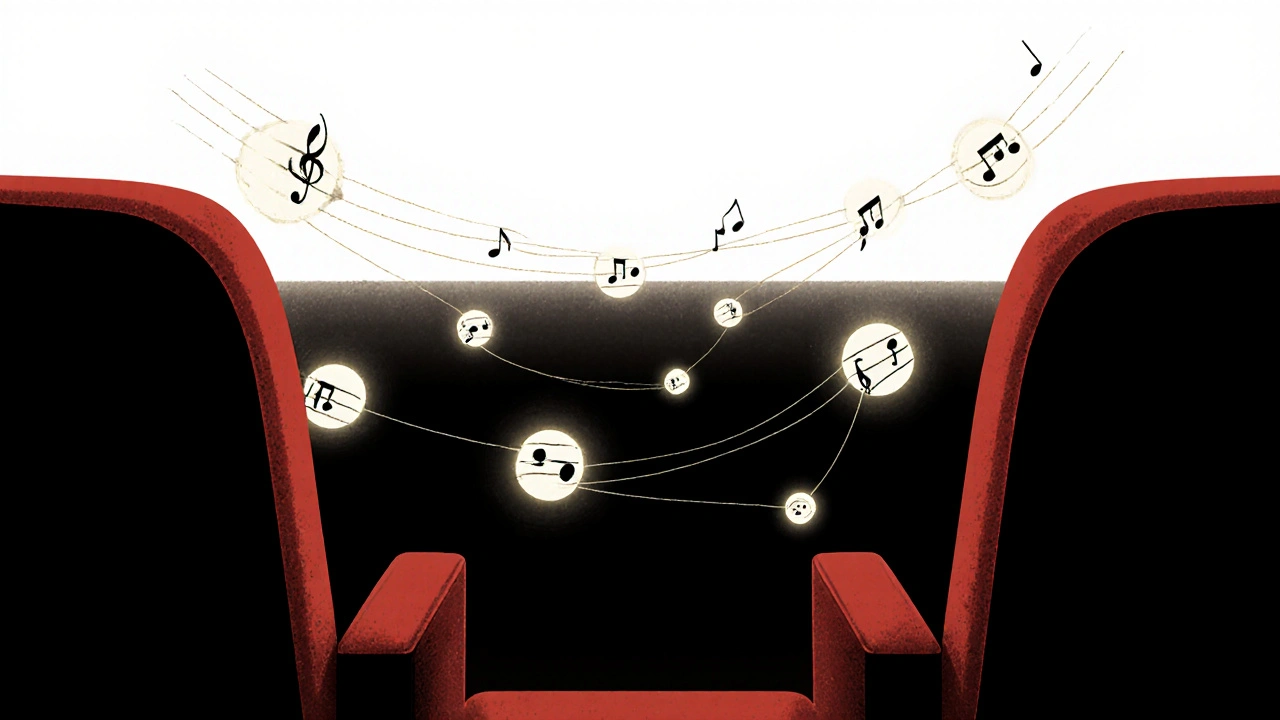
Score Mixing in Dolby Atmos: Spatial Music for Modern Cinemas
Score mixing in Dolby Atmos transforms film music by placing sounds in 3D space, creating emotional depth and movement that traditional surround can't match. Learn how modern composers use spatial audio to immerse audiences.
Latest Posts


Popular Posts
-
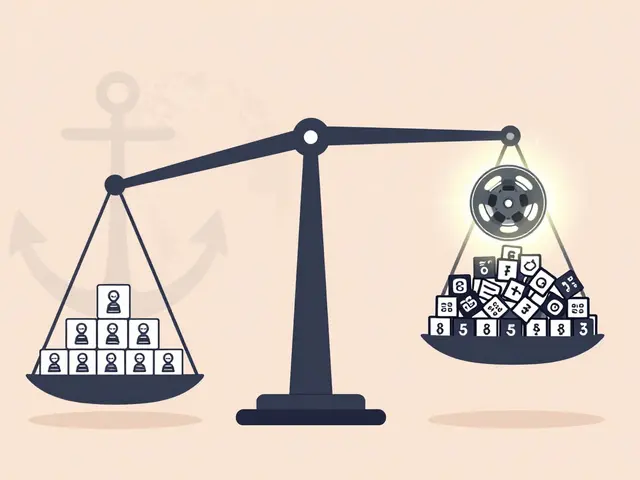 IMDb’s Weighted Rating Formula: The Math Behind Movie Scores
-
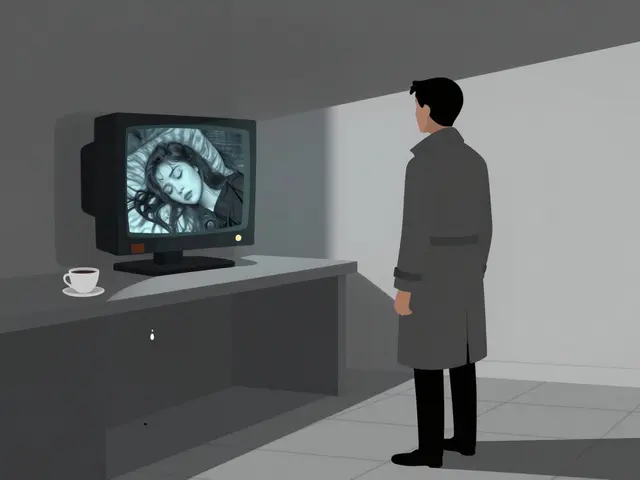 The Killer Review: David Fincher’s Precision Thriller for the Streaming Era
-
 Depeche Mode: M Review - Music as Documentary Experience
-
 Auteur Theory Explained: How Directors Shape Film as Personal Art
-
 Visual Examples in Text: How to Describe Shots and Edits Clearly