Spatial Audio: How Immersive Sound Is Changing Video and Streaming
When you put on headphones and hear a bird fly from left to right, or a car zoom past behind you, you’re experiencing spatial audio, a technology that creates 3D sound by simulating where sounds come from in space. Also known as immersive audio, it’s not just fancy—it’s becoming the new standard for movies, streaming shows, and even live sports. Unlike old-school stereo or basic surround sound, spatial audio tracks your head movement and adjusts the sound in real time, so the audio stays locked to the screen no matter how you sit or turn.
This isn’t just for high-end home theaters. Apple, Amazon, Netflix, and Disney+ all support spatial audio now, and you don’t need a $2,000 setup to use it. A pair of AirPods Pro, Sony WH-1000XM5, or even basic Bluetooth headphones with Dolby Atmos support can deliver it. The key is content that’s mixed for it—something studios are rushing to produce. You’ll find it in new Netflix originals, Disney+ Marvel films, and even YouTube videos tagged with Dolby Atmos. It’s not about louder bass or more channels—it’s about realism. A whisper in a thriller feels like it’s right next to your ear. Rain doesn’t just fall—it circles you.
Behind the scenes, Dolby Atmos, a spatial audio format that lets sound engineers place individual audio objects anywhere in a 3D space is the most common standard. It’s not the only one—DTS:X and Sony 360 Reality Audio exist too—but Atmos is what Netflix and Apple use by default. What makes it powerful is how it works with your device. Your phone or TV doesn’t just play a stereo mix—it calculates where each sound should be based on your speaker layout or headphone position. That’s why spatial audio sounds different on a soundbar versus headphones.
For creators, this changes everything. If you’re editing a documentary, a podcast, or even a TikTok, spatial audio adds depth. A quiet scene in a forest doesn’t just have birds—it has rustling leaves above, distant footsteps behind, and wind moving across the whole space. You don’t need a studio to start. Apps like Audition, DaVinci Resolve, and even GarageBand now let you add spatial metadata to your tracks. It’s not about buying expensive gear—it’s about thinking in three dimensions.
And it’s not just for entertainment. Spatial audio helps people with hearing loss by making speech clearer against background noise. It’s used in VR training, therapy apps, and even fitness programs where directional cues keep you on track. This isn’t a gimmick. It’s the next step in how we experience video.
Below, you’ll find real-world guides on how to set it up, which devices actually work, how to edit for it, and why some streaming services nail it while others fall short. No fluff. Just what you need to hear video the way it was meant to be heard.
17
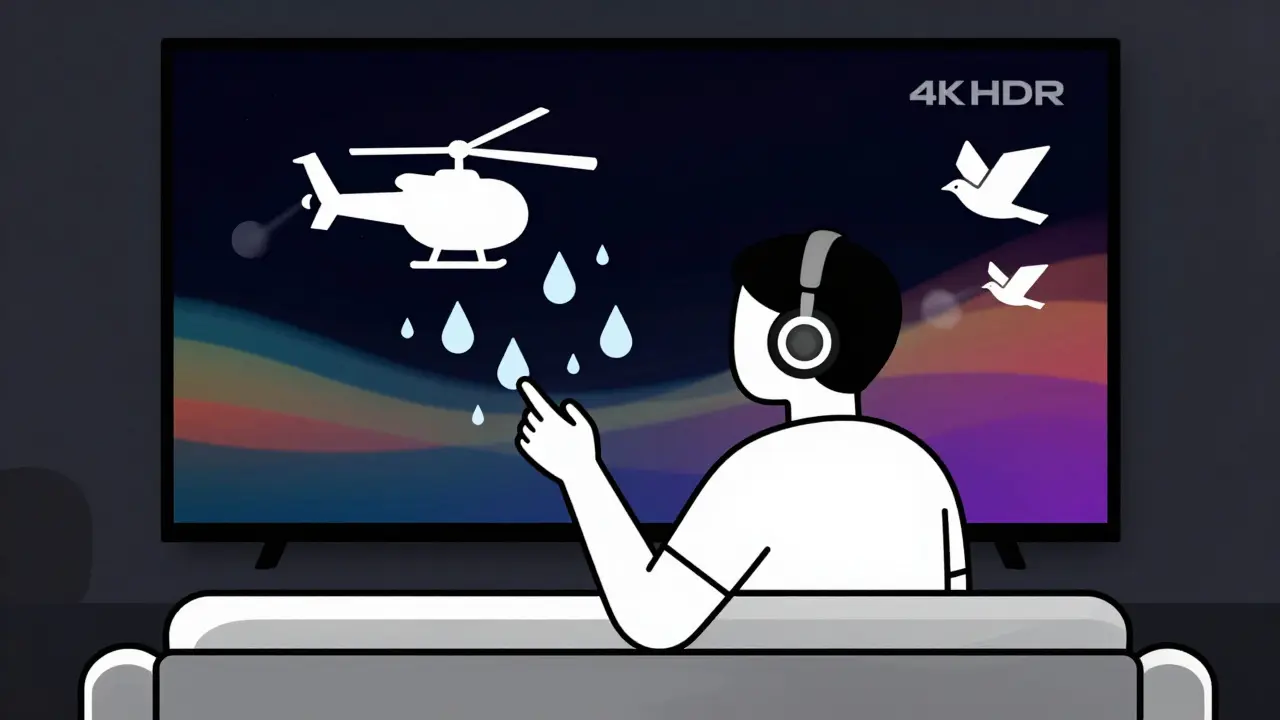
Spatial Audio and Immersive Sound Explained: How It Works and Why It Matters for 4K and HDR Content
Spatial audio transforms how you experience 4K and HDR content by placing sound in 3D space around you. Learn how Dolby Atmos works, what gear you need, and why it's essential for modern viewing.
27
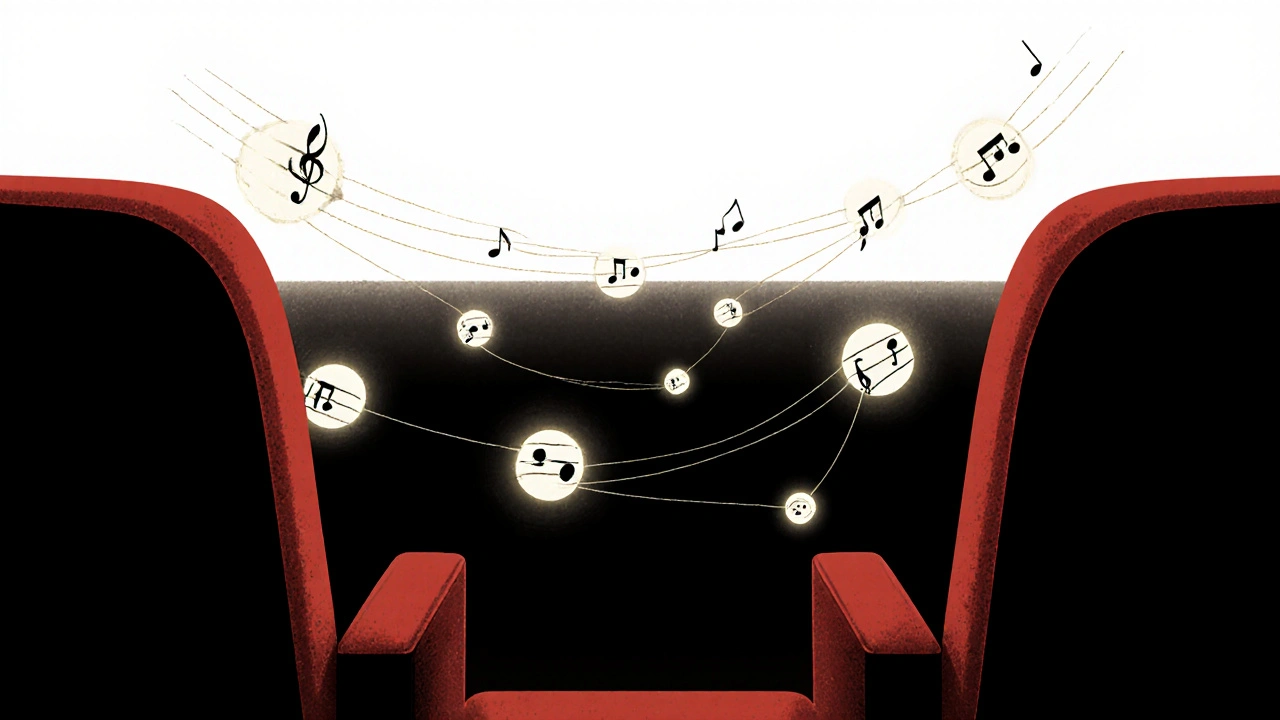
Score Mixing in Dolby Atmos: Spatial Music for Modern Cinemas
Score mixing in Dolby Atmos transforms film music by placing sounds in 3D space, creating emotional depth and movement that traditional surround can't match. Learn how modern composers use spatial audio to immerse audiences.
Latest Posts


Popular Posts
-
 Documentary Filmmaking Techniques: From Interview to Narration
-
 Crash Review: The Controversial Best Picture Winner Explained
-
 Visual Examples in Text: How to Describe Shots and Edits Clearly
-
 Self-Distribution Case Studies: Real Wins and Hard Truths for Indie Filmmakers
-
 Publicists for Indies: How to Get Critics, Press, and Film Festivals to Notice Your Movie