30
VOD Windows for Indies: TVOD, AVOD, and SVOD Playbooks
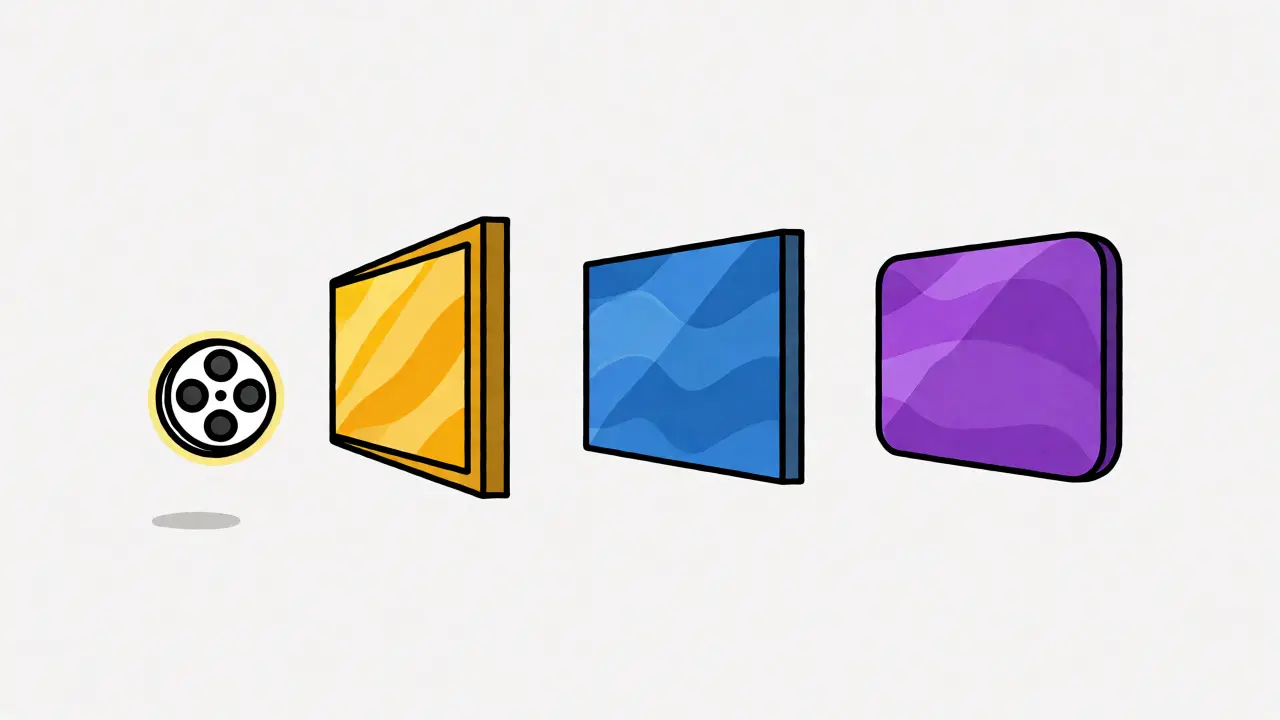
Most independent filmmakers spend years crafting a story, only to lose money on the release because they got the timing wrong. You have your festival premiere, maybe a distributor deal, or you are self-distributing through VOD platforms. The critical question isn't just "where" to release, but "when." This is where VOD windows come in. A VOD window is the specific period during which a movie is available on a particular type of platform before moving to the next one. For indies, getting this sequence right can mean the difference between breaking even and going home with a pocketful of exposure and no cash.
| Model | Revenue Source | Audience Expectation | Best For |
|---|---|---|---|
| TVOD | Direct payment (rental/purchase) | High intent, willing to pay | New releases, niche genres |
| AVOD | Advertising impressions | Casual viewing, ad-tolerant | Broad reach, long tail |
| SVOD | Subscription license fee | Library browsing, binge-watching | Established titles, prestige content |
The Traditional Window vs. The Indie Reality
Hollywood studios used to follow a rigid script: theatrical release first, then a 90-day gap, followed by premium video-on-demand (PVOD), and finally streaming. For an indie filmmaker, copying that model is often financial suicide. You likely don't have the marketing budget to sustain audience interest across three months. If you wait 90 days after your festival run to go digital, half your buzz will have evaporated. The modern indie playbook favors speed and simultaneous availability, but not all at once.
You need to think about scarcity. If your film is free to watch everywhere on day one, why would anyone pay $5.99 to rent it? Conversely, if you lock it behind a paywall forever, you limit its cultural footprint. The goal is to maximize revenue while it's hot, then maximize reach when the heat cools down. This requires understanding the three main players: TVOD, AVOD, and SVOD.
Mastering TVOD: Capturing Early Adopters
Transactional Video on Demand (TVOD) is where viewers pay to rent or buy your film. Think Apple TV, Amazon Prime Video Store, Vimeo On Demand, or Kanopy. This is your highest-revenue-per-viewer channel, but it demands the most from the audience. They have to actively choose to spend money on something they haven't seen.
For indies, the sweet spot for TVOD is usually the first 30 to 60 days post-premiere. During this window, your press coverage is active, social media chatter is high, and the novelty factor is intact. If you pair a limited theatrical run with a digital release, keep them close-ideally within two weeks. Any longer, and you risk cannibalizing ticket sales without gaining enough digital traction to compensate.
Here’s a pro tip: Use TVOD to test pricing elasticity. Start with a rental price of $4.99-$7.99. If sales are sluggish after two weeks, drop the rental price or offer a bundle (e.g., buy the film, get the soundtrack). Don’t be afraid to discount; a $1.99 sale can introduce your work to thousands who would never pay full price, potentially converting them into fans for your next project.
Leveraging AVOD: The Long Tail Strategy
Once the initial hype dies down, shift gears to Advertising-Based Video on Demand (AVOD). Platforms like Tubi, Pluto TV, Roku Channel, and Freevee generate revenue through ads shown before or during your film. You don't get paid per view directly from the viewer; instead, you earn a share of the ad revenue based on impressions.
Why switch to AVOD? Because it removes the barrier to entry. People love free stuff. An indie horror flick might sell 500 rentals on iTunes, but it could rack up 50,000 views on Tubi over six months. While the per-view payout is pennies compared to dollars, the volume makes up for it. More importantly, AVOD builds your library value. It keeps your film visible in search results and recommendation algorithms long after the premiere.
Timing matters here too. Do not launch AVOD simultaneously with TVOD unless you have a very specific strategy. Most aggregators prefer a "holdback" period-often 60 to 90 days after the TVOD release-so they aren't competing with your paid version. Check your contracts carefully. Some distributors require exclusive windows, meaning your film can't appear on any other platform during a set period. Non-exclusive deals allow you to list on multiple AVOD sites at once, increasing visibility.

Navigating SVOD: The Prestige Play
Subscription Video on Demand (SVOD) includes giants like Netflix, Hulu, Amazon Prime Video (included with subscription), and Shudder. Getting onto these platforms is tricky for indies. Netflix, for instance, rarely licenses single films from unknown creators anymore; they prefer series or massive originals. However, niche SVODs like Shudder (horror), MUBI (arthouse), or Criterion Channel are more accessible.
An SVOD deal usually involves a flat licensing fee rather than revenue sharing. You might get $10,000-$50,000 for a one-year non-exclusive license, depending on your film's genre and star power. This upfront cash is great for recouping production costs quickly. But there's a catch: exclusivity. If you sign an exclusive SVOD deal, your film disappears from TVOD and AVOD for the duration of the contract. You trade ongoing micro-payments for a lump sum and massive exposure.
Is it worth it? Only if the platform aligns with your target demographic. Putting a quirky comedy on a serious documentary-heavy SVOD might result in zero views despite the big name. Always analyze the platform's catalog. Does your film fit naturally among their existing titles? If yes, the algorithmic boost can be invaluable.
Building Your Custom Release Schedule
So, how do you combine these elements? There is no one-size-fits-all answer, but here are three common playbooks for independent films in 2026:
- The Festival Winner: Premiere at Sundance/Toronto -> Immediate limited theatrical + Simultaneous TVOD release (Day 0-30) -> Move to AVOD (Day 60+) -> Seek SVOD licensing after 12 months.
- The Niche Genre Film: No theatrical -> Direct-to-TVOD on specialized platforms (e.g., Shudder, Screambox) for 90 days -> Broad AVOD rollout (Tubi, Pluto) -> Long-tail SVOD rotation.
- The Micro-Budget Doc: Community screenings -> Educational SVOD licensing (Kanopy, Swank) -> General AVOD for public access -> Personal website purchase option.
Notice the pattern? Revenue comes first, reach comes second. You extract maximum value from engaged fans early, then cast a wide net later. Avoid the mistake of putting your film on every platform on day one. You dilute your marketing message and confuse potential buyers who wonder why they should pay when it's free elsewhere.
Pitfalls to Avoid in Distribution Agreements
Distribution deals are legal minefields. Watch out for these red flags:
- All-Rights Deals: Be wary of signing away all rights in perpetuity. Try to limit the term to 3-5 years so you can renegotiate if your career takes off.
- Holdbacks: Ensure holdback periods don't overlap unnecessarily. If you have a TVOD deal, make sure it doesn't block your AVOD aggregator from listing the film prematurely, causing compliance issues.
- Transparency: Insist on quarterly reporting. Many aggregators take a percentage of gross receipts. Without clear reports, you won't know if you're being underpaid.
Also, consider the geographic aspect. A US-only deal leaves international markets untouched. If you don't have a global distributor, use an aggregator that offers worldwide distribution. The rest of the world loves American indie cinema, especially horror and action. Ignoring international VOD windows is leaving money on the table.
Marketing Across Windows
Your marketing efforts must shift as the film moves through windows. During the TVOD phase, focus on conversion. Use email lists, targeted social ads, and reviews to drive people to the "Buy" button. Highlight urgency: "Available now," "Limited time," etc.
When transitioning to AVOD, change the narrative. Stop selling the purchase; start selling the experience. "Watch for free," "Add to your queue," "Perfect for Friday night." Engage influencers who review free-to-watch content. Create clips specifically designed for TikTok and Instagram Reels that tease the plot without giving away the ending, linking directly to the AVOD platform.
For SVOD, the marketing is largely handled by the platform's internal algorithms, but you can help by encouraging user reviews on the platform itself. High ratings boost visibility in curated collections. Send personalized notes to curators at niche SVOD services explaining why your film fits their brand.
Can I release my film on TVOD and AVOD at the same time?
Technically, yes, but it's rarely recommended for indies. If your film is free on AVOD, fewer people will pay for TVOD. Most successful strategies involve a TVOD-first approach for 30-90 days to capture early adopters, followed by an AVOD release to maximize reach once the paid demand slows down.
What is the typical holdback period for AVOD platforms?
Common holdback periods range from 60 to 90 days after the initial TVOD or theatrical release. This allows the paid versions to capitalize on the initial buzz. However, some newer platforms may accept shorter windows or negotiate terms based on the film's expected performance.
Do SVOD deals require exclusivity?
Not always. Major platforms like Netflix often seek exclusivity for original content, but many smaller SVOD services offer non-exclusive licensing. Non-exclusive deals allow your film to remain on other platforms, though the licensing fee might be lower compared to an exclusive arrangement.
How much revenue can I expect from AVOD?
AVOD revenue varies widely based on geography, ad rates, and viewer retention. In the US, effective CPM (cost per thousand impressions) can range from $10 to $20+. For an indie film, earning $100-$500 per month from AVOD is common initially, scaling up if the title gains traction in recommendation engines.
Should I hire an aggregator or distribute myself?
Self-distribution gives you control and higher margins but requires significant effort in metadata management, QC, and marketing. Aggregators charge a fee (upfront or revenue share) but handle platform relationships and technical delivery. For first-time indies, an aggregator often provides better access to major platforms like Apple and Amazon.