10
Best Nature and Science Documentaries on Streaming in 2026
It is June 2026, and the landscape of natural history filmmaking has shifted dramatically. The days of passive observation are over. Today’s top-tier nature documentaries combine visceral, high-stakes storytelling with cutting-edge scientific data visualization. Whether you are looking to understand the complexities of climate change or simply want to be mesmerized by the behavior of deep-sea creatures, the current streaming catalog offers unprecedented access to these stories.
Finding the right film can feel overwhelming given the sheer volume of content across platforms like Netflix, Disney+, Amazon Prime Video, and Apple TV+. This guide cuts through the noise to highlight the most impactful, visually stunning, and scientifically rigorous programs available right now. We break down what each platform does best, so you can spend less time scrolling and more time watching.
The New Standard: Immersive Storytelling in Nature Docs
Gone are the days when a nature documentary was just animals walking around while a narrator explained their habits. The modern standard, set by pioneers like BBC Earth and refined by streaming giants, treats wildlife as characters in a thriller. In 2026, we see a heavy emphasis on "empathy engineering"-using camera angles, sound design, and pacing to make you feel the hunger of a shark or the anxiety of a migrating bird.
This shift isn’t just for entertainment; it serves a crucial educational purpose. By creating an emotional connection, these films drive home the urgency of conservation efforts. When you watch a sequence filmed with thermal imaging or drone technology that reveals hidden ecosystems, you aren’t just seeing pretty pictures. You are witnessing evidence of environmental shifts that scientists have been tracking for decades.
Top Picks by Streaming Platform
Each major streaming service has carved out a distinct niche in the nature and science genre. Knowing which platform aligns with your interests saves you from subscription fatigue.
Disney+: The Home of Epic Scale
If you want grandeur, look no further than Disney+. Leveraging its partnership with National Geographic and BBC Studios, Disney+ offers the highest production values in the industry. Their strength lies in long-form series that explore entire biomes.
- Our Planet II: The sequel to the groundbreaking original continues to push boundaries with new footage of previously unseen species. It focuses heavily on the impact of human activity, offering a stark but necessary counterpoint to the beauty on screen.
- Prehistoric Planet: While technically paleontology, this series uses CGI indistinguishable from reality to bring dinosaurs back to life. It is a masterclass in behavioral science applied to extinct species, making it essential viewing for fans of evolutionary biology.
Netflix: Accessible and Narrative-Driven
Netflix tends to favor shorter, punchier narratives that appeal to a broader audience. Their documentaries often blend hard science with personal stories, making complex topics digestible for non-experts.
- The Sea Beyond: A recent hit that explores the mysteries of the ocean depths. Unlike traditional nature docs, it frames the ocean as an alien world, using submersible footage that feels like a sci-fi adventure.
- Down to Earth with Zac Efron: Though slightly older, this series remains relevant for its focus on sustainable living and practical solutions to environmental crises. It bridges the gap between awareness and action.
Apple TV+: Cinematic Quality and Originality
Apple TV+ takes a different approach. They invest heavily in original productions that often feature unique visual styles and lesser-known subjects. If you are tired of lions and elephants, start here.
- Earthshot Prize: This series highlights innovative solutions to global environmental challenges. It is optimistic, solution-oriented, and features interviews with leading scientists and entrepreneurs.
- Time Spun: A fascinating look at the history of timekeeping, blending physics, astronomy, and cultural history. It demonstrates how our understanding of time shapes our perception of the universe.
Amazon Prime Video: Deep Dives and Archival Treasures
Amazon’s library is vast and includes many exclusive acquisitions. They excel in providing deep dives into specific scientific phenomena and often partner with independent filmmakers.
- The Territory: A powerful documentary following Indigenous leaders in the Brazilian Amazon fighting against illegal loggers. It combines real-time drama with urgent environmental advocacy.
- Chimp Empire: A gripping saga of power struggles within a chimp community. It reads like a political thriller but is entirely based on observed animal behavior, highlighting the complexity of primate social structures.
| Platform | Best For | Key Strength | Notable Exclusive Series |
|---|---|---|---|
| Disney+ | Epic Wildlife | BBC/NatGeo Partnership | Our Planet II, Prehistoric Planet |
| Netflix | Narrative Storytelling | Broad Appeal | The Sea Beyond, Down to Earth |
| Apple TV+ | Innovation & Solutions | Cinematic Originals | Earthshot Prize, Time Spun |
| Amazon Prime | Advocacy & Drama | Independent Films | The Territory, Chimp Empire |
Why Science Documentaries Matter Now More Than Ever
In 2026, the line between entertainment and education has blurred. These documentaries serve as vital tools for public engagement with science. Climate change, biodiversity loss, and technological ethics are not abstract concepts anymore; they are daily realities. High-quality documentaries translate peer-reviewed research into compelling narratives that resonate emotionally.
Consider the rise of "citizen science" projects promoted by these shows. Many series now include QR codes or links that allow viewers to contribute data to real scientific studies. Watching a documentary about bird migration might inspire you to download an app and log sightings in your own backyard. This participatory element transforms passive viewers into active contributors to scientific knowledge.
What to Look for in a Quality Documentary
Not all nature content is created equal. Here is a quick checklist to help you identify high-quality productions:
- Scientific Advisory Board: Reputable documentaries list their scientific advisors. Check if recognized institutions or experts are involved.
- Visual Innovation: Look for mentions of new technologies like LiDAR scanning, microscopic photography, or AI-enhanced image processing.
- Conservation Message: The best docs don’t just show problems; they highlight solutions or call to action.
- Narrative Depth: Avoid shallow presentations. Good documentaries follow long-term arcs, showing cause and effect over seasons or years.
Trends Shaping the Genre in 2026
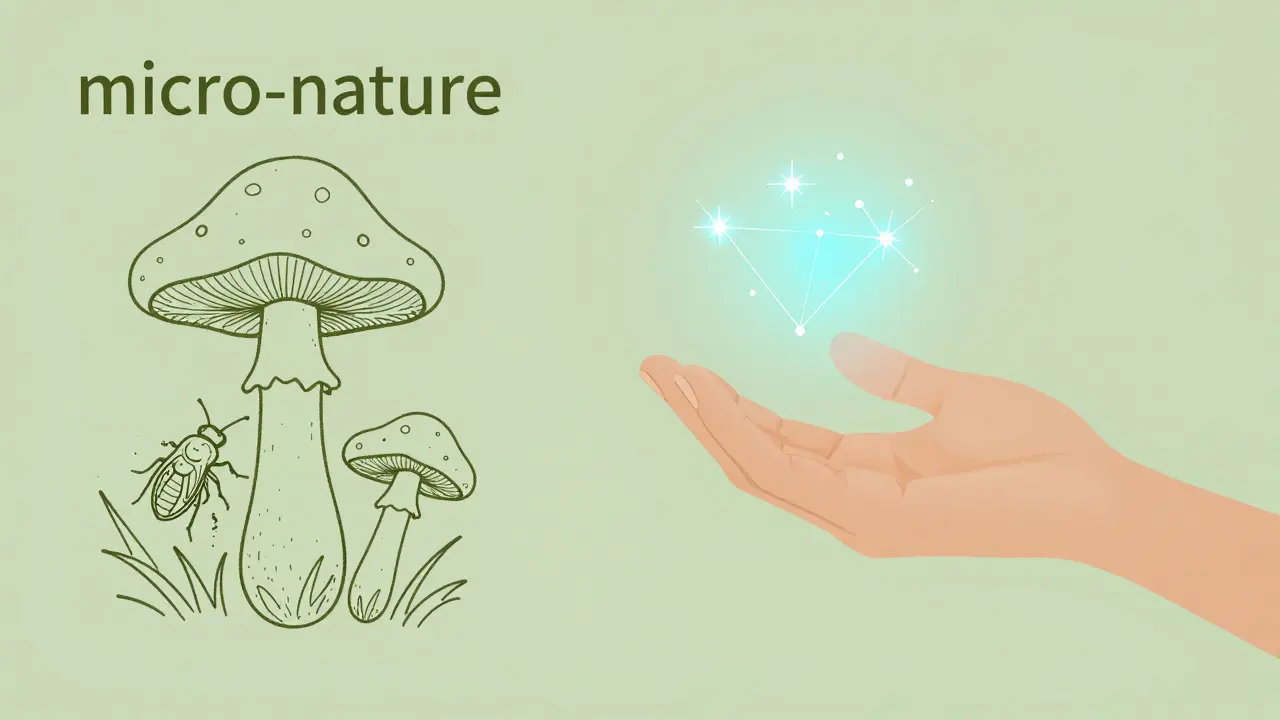
Several trends are defining the current era of nature and science filmmaking. First, there is a move towards "micro-nature." Instead of focusing only on charismatic megafauna, filmmakers are exploring the intricate worlds of insects, fungi, and bacteria. These tiny organisms play outsized roles in ecosystem health, yet they remain largely misunderstood by the general public.
Second, interactive elements are becoming more common. Some streaming platforms now offer branching narratives where viewers can choose which aspect of a scientific topic to explore deeper. This personalization keeps audiences engaged and allows for self-directed learning.
Finally, there is a growing emphasis on indigenous knowledge. Modern documentaries increasingly collaborate with indigenous communities, recognizing their centuries-old understanding of local ecosystems. This perspective adds depth and accuracy to the scientific narrative, challenging Western-centric views of nature management.
How to Maximize Your Viewing Experience
To get the most out of these documentaries, consider creating a dedicated viewing environment. Use headphones to appreciate the detailed soundscapes, which are often recorded with specialized binaural microphones. Watch in a dark room to enhance the visual impact of high-dynamic-range (HDR) footage.
Take notes or pause to research terms you don’t understand. Many documentaries introduce complex scientific jargon. Using a browser extension that provides instant definitions can keep you immersed without breaking your flow. Engage with online communities discussing the films; Reddit threads and Discord servers dedicated to specific series often feature expert commentary and additional resources.
Conclusion: A Window to Our World
Nature and science documentaries are more than just background noise. They are windows into the mechanisms that sustain life on Earth. By choosing high-quality content from platforms like Disney+, Netflix, Apple TV+, and Amazon Prime, you support the creation of media that educates, inspires, and motivates action. In 2026, the best way to connect with the natural world may well be through the screen.
Which streaming service has the best nature documentaries?
Disney+ currently leads with its extensive library from BBC Earth and National Geographic, including 'Our Planet II' and 'Prehistoric Planet.' However, Netflix excels in narrative-driven stories, while Apple TV+ offers unique, solution-focused originals.
Are nature documentaries still accurate in 2026?
Yes, top-tier documentaries employ scientific advisory boards and use cutting-edge technology to ensure accuracy. They often incorporate the latest research findings and peer-reviewed data into their narratives.
Can I watch free nature documentaries online?
Some platforms like PBS and YouTube channels such as Free Documentary offer free content, but the highest production value and exclusive series are typically behind paywalls on major streaming services.
What is the difference between a nature doc and a science doc?
Nature documentaries focus primarily on wildlife, ecosystems, and the physical world. Science documentaries cover a broader range, including physics, space, technology, and human innovation, though there is significant overlap.
Do these documentaries help with conservation efforts?
Absolutely. Many series partner with conservation organizations, directing viewer donations to specific causes. They also raise awareness about critical issues like deforestation and plastic pollution, driving public policy changes.