6
How to Learn a Language with Streaming: Subtitles, Dubs, and Shadowing Techniques
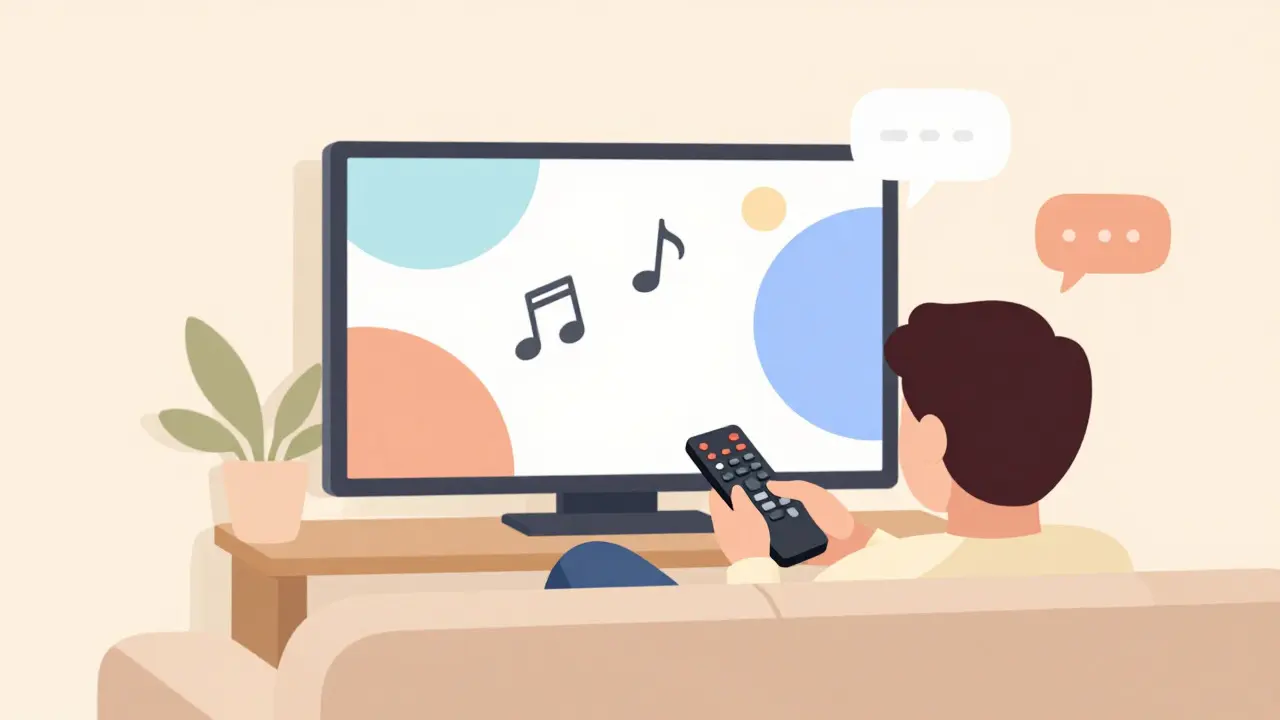
Watching your favorite series in a foreign language feels like cheating. You are relaxing on the couch, enjoying a story, and somehow picking up new vocabulary at the same time. But does it actually work? Or are you just recognizing words because they appear on screen repeatedly? The truth is that streaming services have become one of the most powerful tools for language learning, but only if you stop treating them as background noise.
Most people watch shows with their native language subtitles or no subtitles at all. This creates an illusion of progress. You understand the plot, so you assume you understand the language. In reality, your brain is lazy. It relies on the visual cues and the familiar text to fill in the gaps. To truly benefit from streaming content, you need to change how you interact with the audio and text layers. You need to turn passive consumption into active training.
The Science Behind Audio-Visual Learning
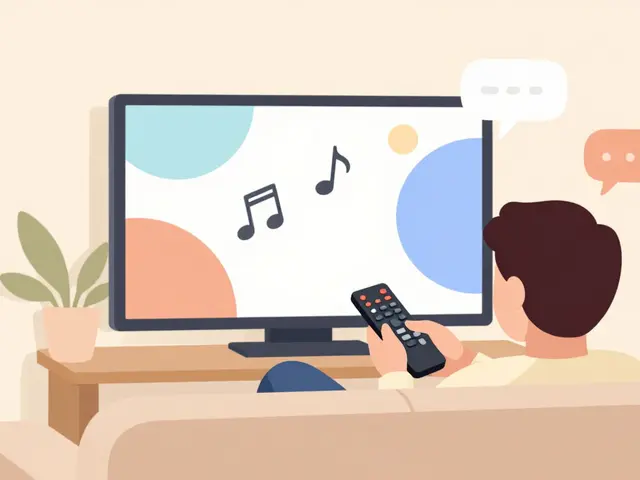
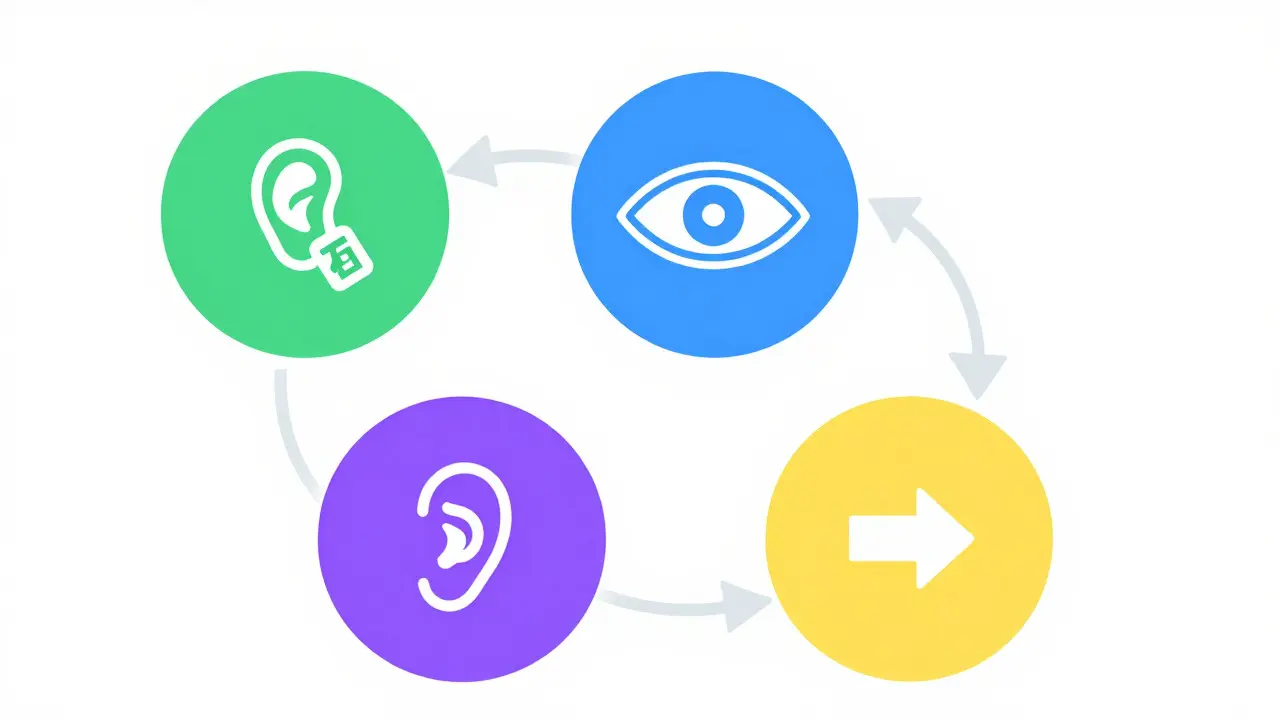
Why does watching a show help you learn better than reading a textbook? It comes down to context and emotional engagement. When you read a grammar rule about past tense verbs, it is abstract. When you hear a character scream "I broke it!" while holding a shattered vase, your brain links the sound, the word, and the emotion together. This is called multimodal learning. Your ears hear the pronunciation, your eyes see the mouth movements and facial expressions, and your mind processes the meaning through the action.
Research in second-language acquisition suggests that comprehensible input is key. This means the content should be slightly above your current level, but still understandable through context. If you watch a complex political thriller in Japanese when you know zero Japanese, you will get frustrated and quit. If you watch a children's cartoon in Spanish when you are fluent, you will learn nothing. The sweet spot is where you understand 70% to 80% of what is happening without relying entirely on subtitles.
Streaming platforms offer a massive library of this content. Unlike old DVDs, modern apps allow you to switch audio tracks and subtitle languages instantly. This flexibility lets you tailor the difficulty to your exact needs. You can start with native subtitles and gradually move toward target-language subtitles, and finally, no subtitles at all.
Choosing the Right Content for Your Level
Not all shows are created equal for language learners. A fast-paced sci-fi series with heavy jargon is terrible for beginners. A slow-burn drama with clear dialogue is perfect. You need to match the genre to your proficiency level.
| Level | Recommended Genre | Subtitle Strategy | Example Shows |
|---|---|---|---|
| Beginner (A1-A2) | Children's shows, Slice-of-life anime, Slow dramas | Native language subtitles first, then target language | Bluey, Sazae-san |
| Intermediate (B1-B2) | Comedies, Sitcoms, Teen dramas | Target language subtitles only | Friends, Extraordinary Attorney Woo |
| Advanced (C1-C2) | Political thrillers, Historical epics, Stand-up comedy | No subtitles or target language only | The Wire, Babylon Berlin |
For beginners, cartoons are gold mines. The animation provides strong visual context, the vocabulary is simple, and the speech is usually clear and exaggerated. As you improve, sitcoms are excellent because they deal with everyday situations. You learn how people greet each other, argue, order food, and make jokes. These are the phrases you actually use in real life. Avoid movies with dense historical dialogue or rapid-fire slang until you are ready for advanced challenges.
The Four Stages of Subtitle Mastery
Subtitles are not just a crutch; they are a scaffold. You build them high when you are weak and remove them as you get stronger. There are four distinct stages you should follow to maximize retention.
- Stage 1: Native Subtitles Only. Watch the show in the target language audio with subtitles in your mother tongue. This helps your brain connect the sounds of the new language with meanings you already know. Do not stay here too long, or you will just read along instead of listening.
- Stage 2: Target Language Subtitles. Switch the subtitles to the language you are learning. Now you are reading and listening simultaneously. This reinforces spelling, grammar structures, and vocabulary. If you miss a word, you see it written out. This is the most effective stage for building vocabulary.
- Stage 3: No Subtitles. Turn them off completely. Force yourself to listen. You will miss things. That is okay. Your brain will start to hunt for keywords and rely on tone and context. This builds true listening comprehension.
- Stage 4: Rewatch with Target Subtitles. Go back to Stage 2 for scenes you missed. Check which words you didn't catch. Were they connected speech? Slang? Fast talking? Note these down. This review step is critical for closing the gap between passive recognition and active understanding.
Many learners skip Stage 4. They think watching once is enough. It is not. The magic happens in the rewatch. The first time, you are guessing. The second time, you are confirming. This confirmation solidifies neural pathways in your brain.
Dubbing vs. Original Audio: Which Is Better?
This is a controversial topic. Some purists say dubs ruin the art. For language learners, however, dubbing can be a strategic tool, depending on your goal.
If you want to learn the natural rhythm, intonation, and cultural nuances of a language, always choose original audio. Dubbed versions often flatten the emotional range and use generic phrasing. They also lack the specific idioms and slang that define a region. Listening to original audio exposes you to the authentic voice of the culture.
However, dubbing has a place in early-stage learning. If you are struggling to keep up with native speed, a dubbed version in a slower, clearer accent might help you grasp the plot structure. More importantly, some streaming services now offer "learning dubs" where professional voice actors speak slowly and clearly. But generally, stick to original audio as soon as possible. Your ears need to adapt to the real speed of conversation, not the sanitized speed of a studio recording.
Active Techniques: Shadowing and Note-Taking
Watching passively is fine for immersion, but active practice accelerates results. Two techniques stand out: shadowing and selective note-taking.
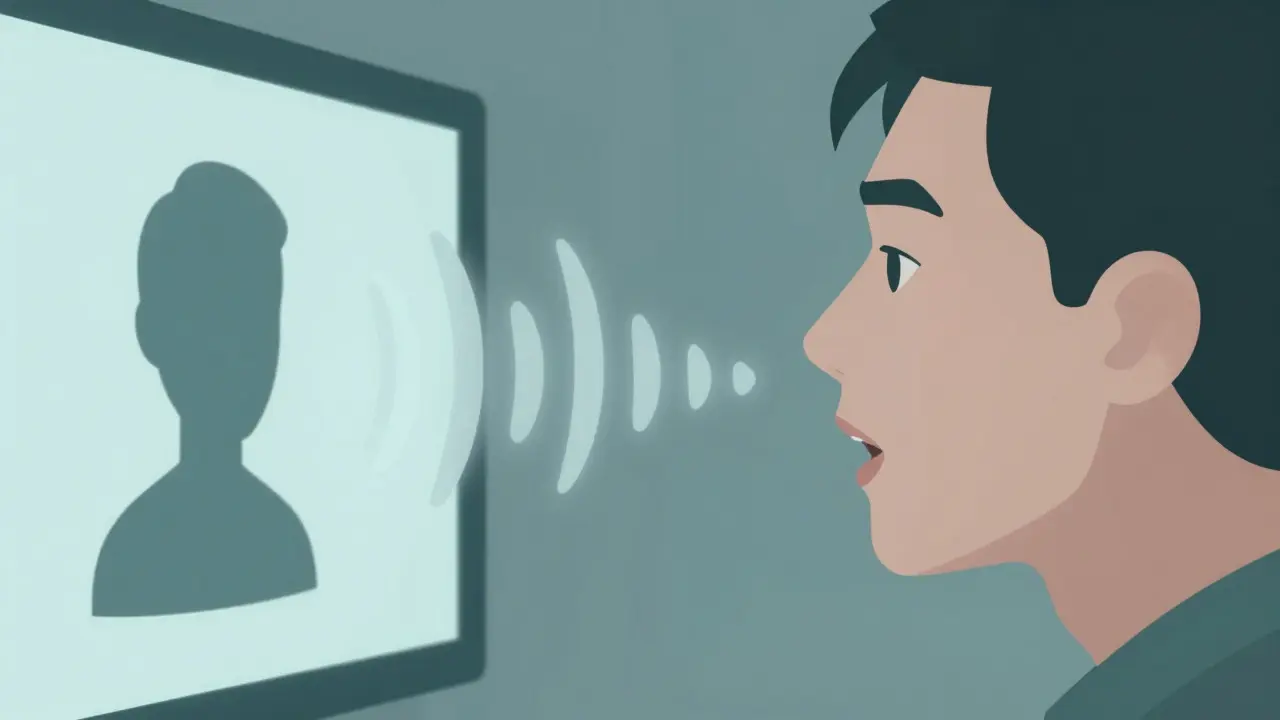
Shadowing involves repeating what the speaker says immediately after they say it. Try to mimic their speed, emotion, and pronunciation exactly. Do not worry about understanding every word. Focus on the physical act of speaking. Move your mouth muscles. Feel the rhythm. This bridges the gap between hearing a language and producing it. Start with short clips. Pause the video, repeat the line, then try to do it in real-time without pausing.
Selective note-taking prevents you from getting overwhelmed. Do not write down every new word. Instead, keep a small notebook or a digital doc open. Write down only words that repeat frequently or phrases that express a concept you don't know how to say. For example, if a character uses a specific idiom to describe being tired, write that down. Context makes these notes memorable. Later, create flashcards from these notes using spaced repetition software.
Overcoming Common Pitfalls
Even with the best strategy, you will hit walls. Here are the most common mistakes and how to fix them.
- The Reading Trap: You find yourself reading the subtitles faster than the actor speaks. Fix: Lower the font size of the subtitles if your player allows it, or cover the bottom part of the screen with your hand. Force your eyes to look at the actors' faces.
- The Boredom Barrier: Educational content is boring. If you hate the show, you will quit. Fix: Watch something you genuinely love. You already know the plot of Harry Potter or Stranger Things. Use that familiarity to focus on the language rather than the mystery of the story.
- Inconsistency: Watching for five hours once a week is less effective than thirty minutes every day. Fix: Integrate streaming into your daily routine. Watch one episode during lunch or before bed. Consistency builds habit.
Technology also helps. Many browsers have extensions that highlight unknown words in subtitles. Some apps allow you to click on a subtitle word to get a definition instantly. Use these tools sparingly. Constant checking breaks flow. Only look up words that block your understanding of the scene.
Building a Sustainable Routine
To make this work long-term, you need a system. Pick one show per month. Commit to finishing it. Do not jump between multiple series. Depth is better than breadth. Create a playlist of episodes that are easy to access. Remove friction. If you have to search for the next episode, you might give up.
Track your progress. After each episode, ask yourself: What three new phrases did I learn? Did I understand more than last time? Celebrate small wins. Understanding a joke in the target language is a huge milestone. It means you are grasping cultural context, not just vocabulary.
Streaming services are not just entertainment; they are interactive classrooms waiting to be unlocked. By shifting from passive viewer to active learner, you transform hours of leisure into valuable study time. The key is discipline in choosing content and persistence in applying techniques like shadowing and staged subtitle removal. Start today with a show you love, and let the stories teach you the language.
Is it better to watch with English subtitles or no subtitles?
It depends on your level. Beginners should start with native language subtitles to connect sound to meaning. Intermediate learners should switch to target language subtitles to reinforce reading and listening. Advanced learners should remove subtitles entirely to force active listening. Using English subtitles indefinitely keeps you dependent on translation rather than developing direct comprehension.
Can I really learn a language just by watching Netflix?
You can reach an intermediate level, but not fluency. Streaming provides excellent listening comprehension and vocabulary exposure. However, it lacks output practice. You need to speak and write to become fluent. Use streaming as a major component of your study, but combine it with conversation partners, language exchange apps, or tutoring to practice production.
What is the shadowing technique?
Shadowing is an active listening exercise where you repeat aloud what you hear in real-time, mimicking the speaker's intonation, speed, and emotion. It helps train your mouth muscles for new sounds and improves your accent. Start by pausing and repeating, then try to speak along without pausing.
Which streaming service is best for language learning?
Any service with a wide variety of international content works well. Netflix is popular due to its extensive library of non-English originals and reliable subtitle options. Amazon Prime Video and Disney+ also offer good regional content. The platform matters less than the content itself. Choose the service that has the shows you enjoy most in your target language.
Should I watch movies or TV series for language learning?
TV series are generally better for language learning. They provide repeated exposure to the same characters and vocabulary over many episodes. This repetition helps cement words in your memory. Movies are shorter and often have denser plots, making it harder to retain new information. Series allow you to build familiarity with specific accents and speaking styles.