14
Cinematography in Drama: Natural Light, Close-Ups, and Human Scale
Ever wonder why some drama films hit you right in the chest while others feel like watching strangers act? It’s rarely just the script. It’s how the camera looks at them. When we talk about Cinematography in Drama, we’re not just talking about pretty pictures. We’re talking about a visual language that dictates how much you trust the characters on screen. The secret sauce often comes down to three specific choices: using natural light to ground reality, relying on close-ups for emotional intimacy, and maintaining a human scale that keeps the audience connected.
Why Natural Light Changes Everything
Studio lights are safe. They are controlled. They are also, frankly, a bit fake when you’re trying to sell a gritty family drama or a raw romance. Natural light is unpredictable, messy, and beautiful. It shifts with the clouds and fades as the day ends. This unpredictability forces the director and the actors to stay present. You can’t rehearse a scene for six hours if the sun is going to set behind the neighbor’s tree in twenty minutes.
When you shoot with available light-sunlight through a window, streetlamps at night, or even the glow of a refrigerator-you strip away the artificial barrier between the viewer and the story. Think about the difference between a brightly lit sitcom kitchen and the dim, shadowy corners of a thriller. In drama, shadows aren’t just lack of light; they are information. They tell us what a character is hiding. Using natural sources means the highlights fall where physics says they should, not where a gaffer placed them for maximum flattery. This creates a texture that feels lived-in. It smells like rain and old wood. It feels real.
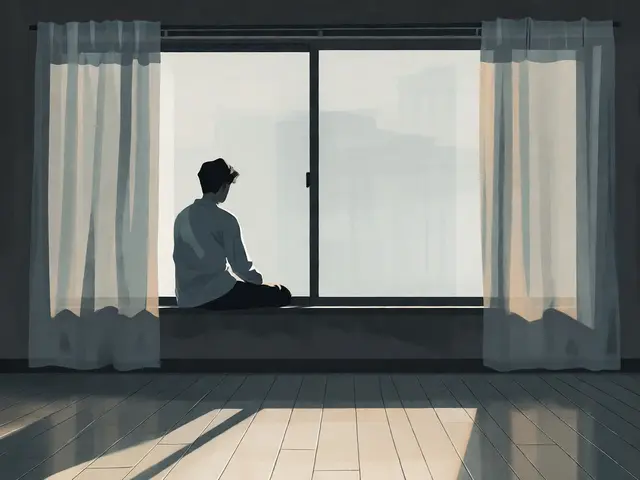
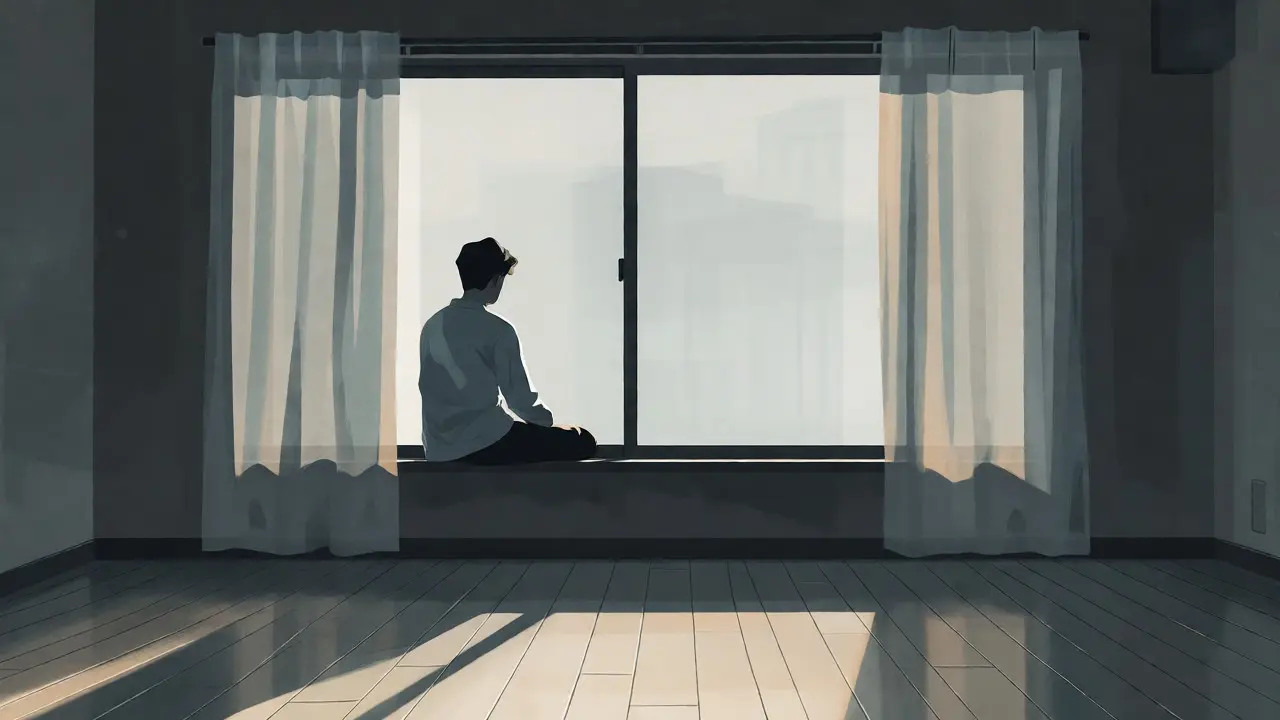
This approach isn’t just an aesthetic choice; it’s a narrative tool. If a character is depressed, the flat, gray light of an overcast day does more heavy lifting than any dialogue could. It’s passive storytelling. You don’t have to explain their mood; the environment reflects it. For filmmakers working on tight budgets, this is also a practical win. You save money on rigging time, which means you get more takes. More takes mean better performances. It’s a cycle that benefits everyone involved.
The Power of the Close-Up
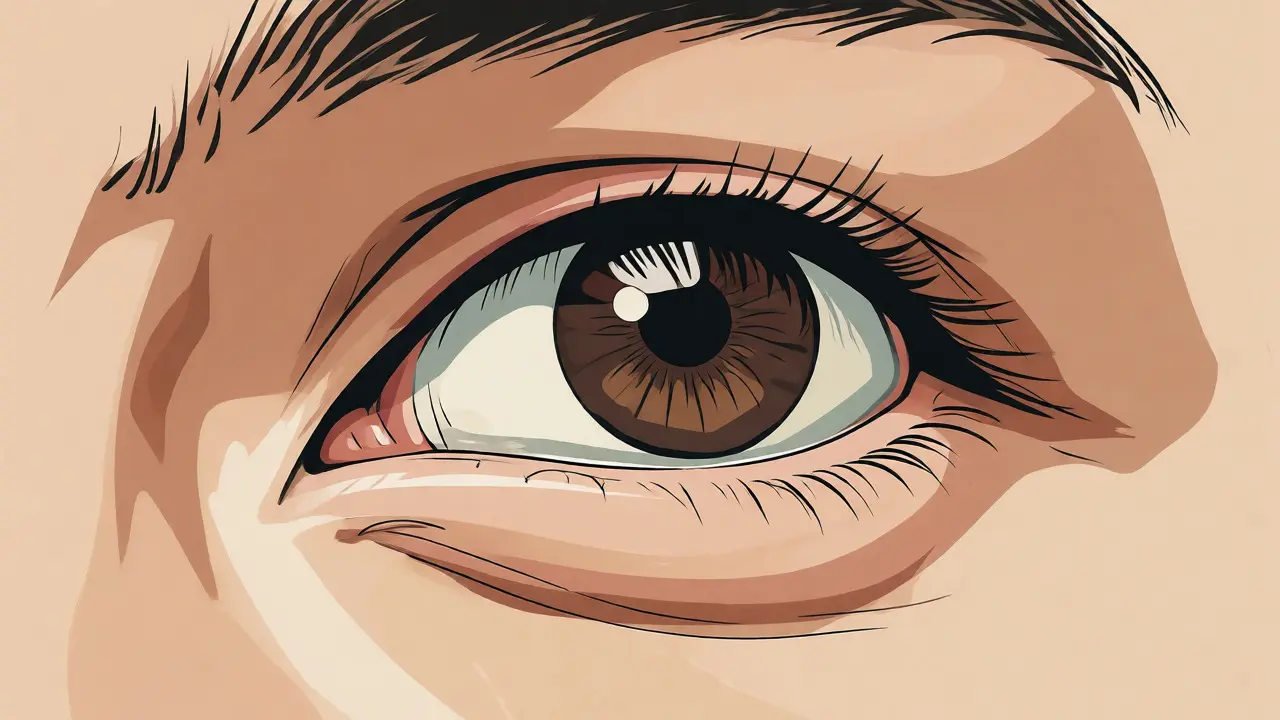
If natural light sets the stage, the close-up brings you into the room. In drama, the face is the landscape. A wide shot tells us where a character is. A medium shot tells us who they are with. But a close-up? That tells us what they are feeling. It’s the most intimate distance a camera can maintain. When you fill the frame with a person’s eyes, you force the audience to confront their humanity. There is nowhere to hide.
But here’s the trap: many beginners think every emotional beat needs a zoom. That’s wrong. Constant close-ups desensitize the viewer. If everyone is always screaming in extreme close-up, nothing feels urgent anymore. The power of the close-up lies in its rarity and its timing. It should be a reward for paying attention. Use it when a character realizes something profound, or when a lie cracks under pressure. The subtle twitch of a lip or the dilation of pupils becomes the plot point.
| Shot Type | Distance | Emotional Function | Best Used For |
|---|---|---|---|
| Extreme Wide | 50+ feet | Isolation, Context | Establishing loneliness or scale |
| Medium Shot | 3-6 feet | Conversation, Neutrality | Standard dialogue exchanges |
| Close-Up | 1-3 feet | Intimacy, Vulnerability | Revelations, internal conflict |
| Extreme Close-Up | <1 foot | Tension, Obsession | Fear, intense focus, physical pain |
Consider the technique used by directors like Andrea Arnold or Celine Sciamma. They hold the close-up longer than comfortable. They let the silence stretch. This discomfort is intentional. It makes the audience lean in. You start to read micro-expressions that you’d miss in a fast-cut action movie. In drama, time is a material. Slowing down the edit allows the emotion to breathe. Don’t cut away too soon. Let the moment land.
Maintaining Human Scale
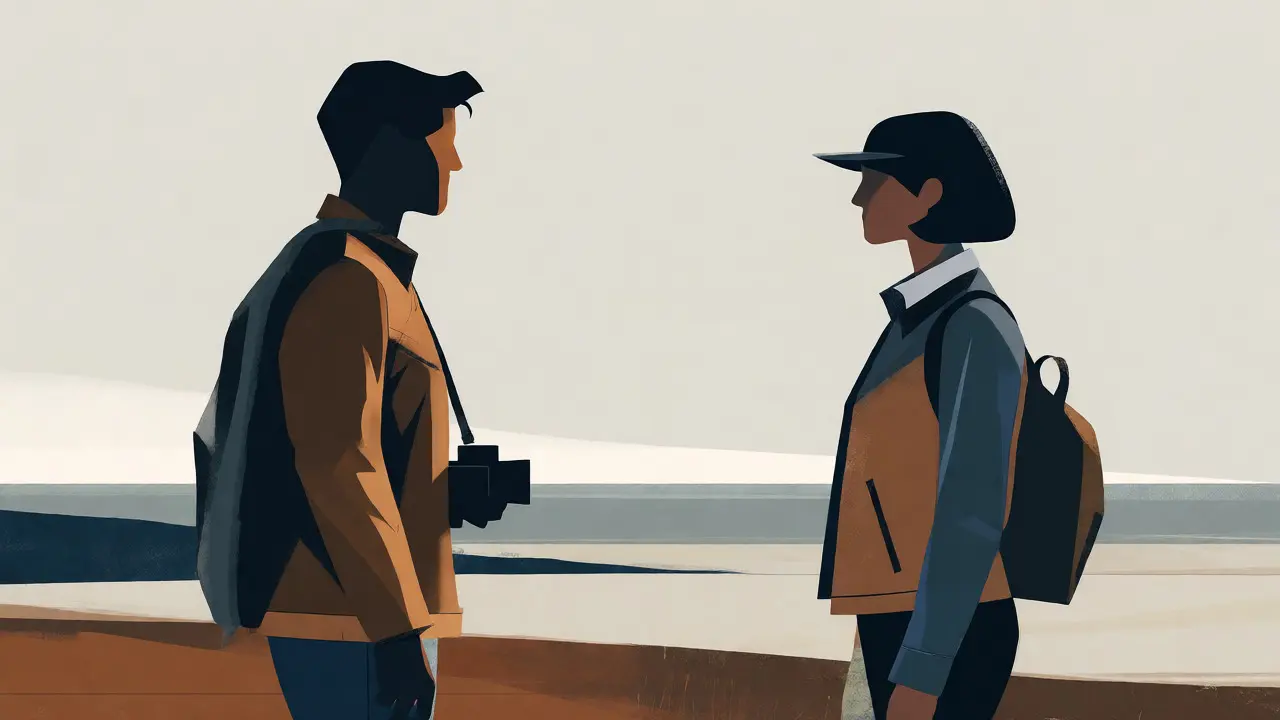
What do we mean by "human scale"? It’s about keeping the camera at eye level. It sounds simple, but it’s revolutionary in how it positions the viewer. High angles make characters look small, weak, or victimized. Low angles make them look powerful, dominant, or threatening. Eye-level shots treat the character as an equal. They invite empathy rather than judgment.
In modern cinema, there’s a trend toward grand, sweeping drone shots and massive CGI spectacles. While impressive, these can detach the audience from the human stakes. Drama thrives on connection. When the camera moves at the speed of a walking person, it mimics our own perception of the world. Handheld cameras add a slight instability that mirrors the uncertainty of life. It’s shaky because life is shaky. This kinetic energy keeps the viewer engaged on a visceral level.
Human scale also applies to the lens choice. Wide-angle lenses (like 24mm or 28mm) used in close proximity distort faces slightly, making features larger and more expressive. Long lenses compress space, flattening the background and isolating the subject. Both tools serve the "human" aspect. A wide lens might make a character feel overwhelmed by their surroundings, while a long lens might isolate them in a crowd, highlighting their loneliness. The key is consistency. Pick a visual grammar and stick to it so the audience learns the rules of your world.
Practical Tips for Achieving the Look
You don’t need a Hollywood budget to nail this aesthetic. You need patience and observation. Start by scouting locations at different times of day. Note where the light hits at 7 AM versus 5 PM. Plan your shooting schedule around these windows. If you’re shooting indoors, turn off the overhead lights. Use lamps, candles, or practical sources like TV screens. These create pools of light that guide the eye naturally.
- Scout for Windows: North-facing windows provide soft, consistent light throughout the day. East and West give dramatic sunrise/sunset effects.
- Use Reflectors: A simple white foam board can bounce sunlight into a shadowed face, reducing contrast without adding artificial gear.
- Shoot in RAW: This gives you flexibility in post-production to adjust exposure and color grading without losing detail in highlights or shadows.
- Keep the Camera Moving Slowly: Avoid rapid pans or tilts. Smooth, slow movements mimic the human head turning to look at something.
Post-production plays a huge role here too. Resist the urge to over-saturate colors. Drama often lives in muted palettes-grays, browns, deep blues. Desaturating slightly can enhance the realism. Sound design is equally critical. Natural visuals pair best with diegetic sound-the hum of a fridge, distant traffic, wind in trees. Silence is loud. Use it.
Common Pitfalls to Avoid
The biggest mistake is treating natural light as an afterthought. If you ignore the weather, you’ll end up with inconsistent continuity. One shot has bright sun; the next has cloudy gray. The audience notices this disconnect immediately. Always check the sky before rolling. Another pitfall is over-lighting. Beginners tend to bring in too many LEDs to "fix" dark scenes. Often, letting the scene go dark is more powerful. Trust the sensor of your camera. Modern digital sensors handle low light incredibly well. Grain is not noise; it’s texture.
Also, beware of "coverage anxiety." Directors often shoot everything from every angle just in case. In drama, less is more. Decide exactly which shots you need to tell the story emotionally, then shoot only those. This discipline saves editing time and keeps the final cut tight and impactful. If a shot doesn’t reveal character or advance the plot, cut it. Even if it looks pretty.
Next Steps for Filmmakers
Ready to try this? Grab your phone or a mirrorless camera. Go outside during golden hour-the hour after sunrise or before sunset. Film a friend sitting still. Watch how the light changes minute by minute. Try shooting a close-up of their hands, then their eyes. Notice how the context disappears when you zoom in. Experiment with handheld movement. Walk backward while filming someone walking forward. Feel the rhythm.
Analyze films that master this style. Watch *Moonlight* by Barry Jenkins. Notice the skin tones, the blue hues, the intimacy of the framing. Watch *Aftersun* by Charlotte Wells. Observe the use of camcorder footage mixed with cinematic shots to blur memory and reality. These films prove that technical perfection matters less than emotional truth. Your goal isn’t to make a perfect image. It’s to make a true one.
Does natural light require expensive equipment?
No. In fact, natural light often reduces the need for expensive lighting rigs. You might need a few inexpensive reflectors (white foam boards work great) and perhaps a scrim to diffuse harsh sunlight. The primary cost saving is in labor and setup time, allowing you to spend more resources on other production areas like sound or casting.
How do I handle changing light conditions during a scene?
Consistency is key. Schedule your shoot days around the sun's position. If you're shooting a continuous conversation, try to keep the sun in the same relative position to the actors. If the light changes drastically, you may need to break the scene into smaller chunks or accept slight variations as part of the passage of time. Using ND filters can help manage exposure changes without altering shutter speed.
What is the best lens for dramatic close-ups?
Prime lenses with wider apertures (like f/1.4 or f/1.8) are ideal. A 50mm or 85mm prime lens is popular for portraits and close-ups because it provides a flattering perspective and shallow depth of field, blurring the background to isolate the subject's expression. Wider lenses like 35mm can also be used for closer, more immersive perspectives that include more environmental context.
Why is eye-level camera positioning important in drama?
Eye-level positioning creates a sense of equality between the viewer and the character. It fosters empathy and immersion, making the audience feel like participants in the scene rather than observers judging from above or below. It removes subconscious power dynamics associated with high or low angles, allowing the emotional content of the performance to take center stage.
Can I achieve this look with a smartphone?
Absolutely. Modern smartphones have excellent dynamic range and stabilization. Apps like Blackmagic Camera or ProCamera allow manual control over ISO, shutter speed, and white balance, which is crucial for managing natural light. The small sensor size actually helps with depth of field issues, though you may need to get physically closer to subjects to achieve strong bokeh effects.