30
Comparing Film Scores: How Different Composers Approach Emotion
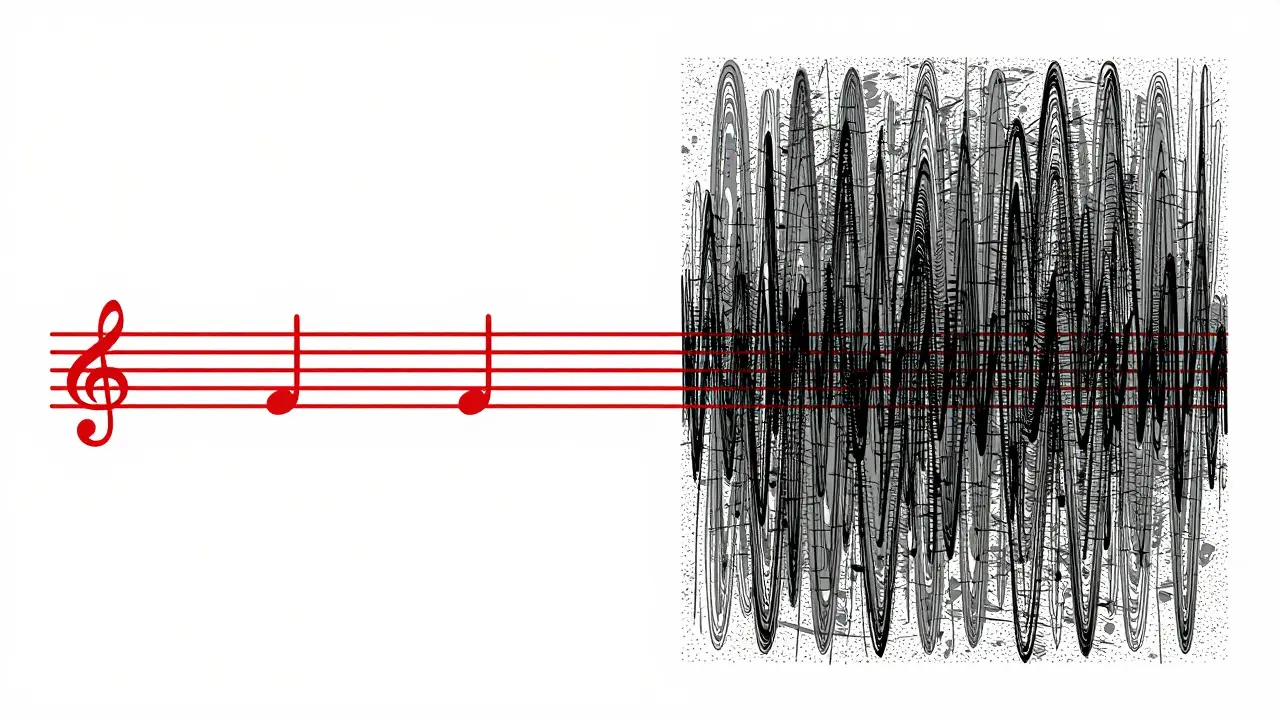
Think about the last time a movie made you cry, jump out of your seat, or feel a sudden swell of hope. Chances are, you didn't just see those emotions on screen-you heard them. A low cello hum can signal danger before a monster appears. A bright piano melody can make a breakup scene feel like new beginnings rather than an ending. This is the power of the film score, which is the instrumental music composed specifically to support the narrative and emotional arc of a motion picture. But not all scores work the same way. Some composers use silence as a weapon. Others drown the audience in sound. When we look at how different maestros handle human feeling, we find distinct philosophies. John Williams writes themes that stick in your head for decades. Hans Zimmer builds walls of sound that you physically feel in your chest. Hildur Guðnadóttir uses textures that blur the line between instrument and noise. Understanding these differences doesn't just make you a better viewer; it helps you understand why certain scenes hit harder than others.
The Melodic Anchor: John Williams and Leitmotifs
If you want to understand traditional emotional scoring, you have to start with John Williams. His approach relies heavily on the concept of the leitmotif, which is a recurring musical phrase associated with a particular character, idea, or situation. Think of it as a musical fingerprint. In Jaws, those two notes-E and F-are not just scary; they are the shark’s heartbeat. You don’t need to see the fish to know it is there because the music tells you.
Williams uses large orchestras, often featuring full brass sections and sweeping strings. Why? Because he believes in melody. He constructs tunes that are singable and memorable. When Darth Vader enters, the Imperial March plays. It is bold, rigid, and imposing. The emotion here is clear and direct. There is no ambiguity. The music tells you exactly who is in the room and what their intent is. This method works because it creates a subconscious link for the audience. Over time, you learn to trust the music. If you hear the gentle flute theme from E.T., you immediately feel warmth and innocence, even if E.T. is hiding under a table.
- Primary Instrumentation: Large symphony orchestra (strings, woodwinds, brass, percussion).
- Emotional Strategy: Direct, melodic association with characters.
- Key Technique: Variation of leitmotifs to reflect character growth or decay.
The Textural Wall: Hans Zimmer and Immersion
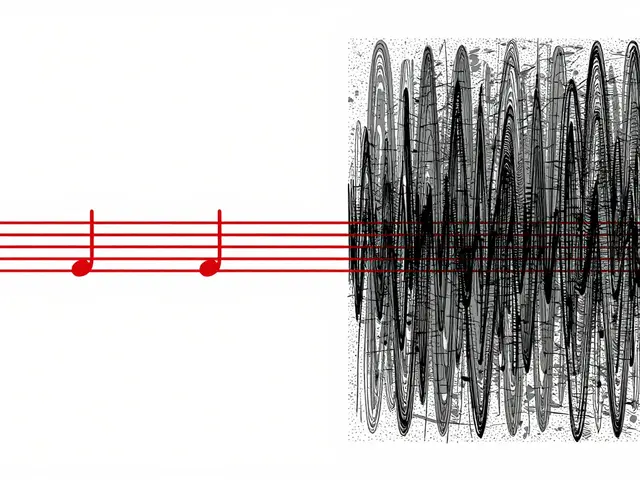
Move forward a few decades, and the landscape changes dramatically. Hans Zimmer represents a shift from melody to texture. Where Williams gives you a tune, Zimmer gives you a soundscape. His approach is less about writing a song and more about creating an atmosphere that surrounds the listener. In films like Inception or Dunkirk, the music is not something you listen to; it is something you inhabit.
Zimmer often blends traditional instruments with heavy synthesizers and distorted electronics. He treats the orchestra as a raw material source, processing violins through amplifiers until they sound like roaring engines. This technique mirrors the modern cinematic experience, which is louder and more visceral. The emotion in a Zimmer score is rarely subtle. It is overwhelming. In Interstellar, the organ swells are so massive they mimic the scale of space itself. The feeling isn't sadness or joy; it is awe and insignificance. By removing traditional melodies, he forces the audience to focus on the physical sensation of the sound. This approach is particularly effective in action sequences where clarity of plot matters less than the intensity of the moment.
| Feature | John Williams Style | Hans Zimmer Style |
|---|---|---|
| Core Focus | Melody and Theme | Texture and Atmosphere |
| Instrumentation | Traditional Orchestra | Hybrid (Orchestra + Synths) |
| Emotional Delivery | Direct and Clear | Subconscious and Physical |
| Memorability | Hum-able Themes | Sensory Impact |
The Unsettling Silence: Hildur Guðnadóttir and Minimalism
While Zimmer adds layers, Hildur Guðnadóttir often subtracts them. Her work on Joker and Chernobyl demonstrates how minimalism can create profound unease. Instead of filling every second with sound, she leaves gaps. These silences are not empty; they are tense. They force the audience to lean in, straining to hear what might come next.
Guðnadóttir frequently uses unconventional sources for her sounds. For Joker, she recorded the breathing of actor Joaquin Phoenix and processed it into a bass drone. This connects the music directly to the character's physical state. The emotion here is internal and psychological. It is not about external threats like sharks or aliens; it is about mental collapse. By using low-frequency drones and sparse piano notes, she mimics the feeling of anxiety or depression. The lack of resolution in her chords keeps the audience off-balance. You never feel safe because the music never settles into a comfortable key. This approach is powerful because it reflects the chaotic reality of the characters' minds.
The Narrative Mirror: Ennio Morricone and Dissonance
We cannot discuss emotional scoring without mentioning Ennio Morricone. Known for his work in spaghetti westerns, Morricone used dissonance to challenge the audience's expectations. Traditional scores often tell you how to feel. Morricone often told you how the world felt broken.
In The Good, the Bad and the Ugly, he combined whistling, gunshots, and electric guitars with orchestral strings. The result was jarring. The beauty of the melody clashed with the harshness of the percussion. This reflected the moral ambiguity of the characters. Was the hero good? Was the villain evil? The music refused to give a simple answer. Morricone also used silence and ambient sounds-wind, footsteps, distant birds-as part of the score. This blurred the line between diegetic sound (sound coming from the story world) and non-diegetic sound (the score). By doing so, he made the environment itself feel emotional. The emptiness of the desert became a character, and the music gave it a voice.
How Composers Manipulate Time and Tension
Beyond instrumentation and melody, composers manipulate time to control emotion. Tempo and rhythm are critical tools. A fast tempo increases heart rate and creates urgency. A slow tempo can induce melancholy or dread. But the most powerful tool is syncopation-the placement of accents on weak beats. This creates a sense of instability.
Consider horror movies. Composers like Bernard Herrmann in Psycho used high-pitched, screeching strings to simulate a scream. The speed of the notes mirrored the panic of the victim. In contrast, suspense often uses slow, rhythmic pulses. Think of the ticking clock motif. It reminds us of time running out. This technique is used extensively in thrillers. The composer knows that anticipation is often scarier than the event itself. By holding a note just slightly longer than expected, or delaying a resolution, they keep the audience on edge.
- Accelerando: Gradually increasing speed to build tension toward a climax.
- Ritardando: Slowing down to emphasize a tragic or significant moment.
- Polyrhythm: Layering conflicting rhythms to create cognitive dissonance and unease.

The Role of Silence in Emotional Impact
Silence is perhaps the most underrated tool in a composer's kit. In a medium saturated with visual and auditory stimuli, the absence of sound commands attention. When the music cuts out completely during a dramatic reveal, the shock is amplified. The audience fills the void with their own anxiety.
Alexandre Desplat, known for his delicate and intricate scores in films like The Shape of Water and The Grand Budapest Hotel, uses silence to highlight intimacy. His music is often quiet, featuring solo piano or small ensembles. When he drops the music entirely, it feels like a breath being held. This restraint allows the actors' performances to shine. It suggests that some emotions are too complex for music to express. In these moments, the silence speaks louder than any symphony could. It respects the audience's intelligence, inviting them to interpret the scene without guidance.
Choosing the Right Sound for the Story
Ultimately, the best film score is the one that serves the story. There is no single "correct" way to approach emotion. A war movie might benefit from Zimmer's immersive chaos, while a romance might require Williams' melodic sweetness. An indie drama might need Guðnadóttir's unsettling minimalism. The director and composer must collaborate to find the right sonic palette.
As audiences, we are becoming more attuned to these nuances. We notice when a score feels manipulative versus authentic. We appreciate when a composer takes risks, blending genres or breaking traditional rules. Whether it is the heroic brass of a superhero film or the eerie drones of a psychological thriller, the music shapes our memory of the film. It turns images into experiences. Next time you watch a movie, try turning off the subtitles and focusing only on the audio. You might be surprised by how much the music is telling you.
What is the difference between a film score and a soundtrack?
A film score consists of original instrumental music composed specifically for the film to enhance the narrative. A soundtrack includes the score but also features pre-existing songs, dialogue, and sound effects. Often, "soundtrack album" refers to the collection of popular songs featured in the movie, while the score is the background music.
Why do horror movies use high-pitched strings?
High-pitched strings, such as violins played with excessive pressure (sul ponticello), create a frequency that mimics human screaming or insect wings. This triggers a primal fear response in the audience. The sharp, piercing sound disrupts comfort and signals immediate danger or psychological distress.
How does Hans Zimmer create his unique sound?
Zimmer uses a hybrid approach, combining traditional orchestral instruments with digital synthesizers and electronic processing. He often records standard instruments like violins and then distorts them through amplifiers or loops them to create massive, textured walls of sound rather than distinct melodies.
What is a leitmotif in film music?
A leitmotif is a recurring musical theme associated with a specific character, place, or idea. As the story progresses, the composer may alter the melody, tempo, or instrumentation of the leitmotif to reflect changes in the character's journey or the narrative context.
Can silence be considered part of the film score?
Yes, strategic silence is a crucial compositional tool. By removing music at key moments, composers heighten tension, focus attention on dialogue or visual details, and allow the audience to process emotional weight without auditory guidance. It creates contrast that makes subsequent music more impactful.