17
Dolby Atmos Guide: How It Works and Best Atmos Movies to Stream
Quick Takeaways for Your Setup
- What it is: Sound that moves in a 3D space, including from above.
- Hardware: Works with Atmos-enabled soundbars, receivers, or headphones.
- Content: Look for the Atmos logo on Netflix, Disney+, or Apple TV+.
- Key Benefit: More precise sound placement and a deeper sense of immersion.
How the Tech Actually Works
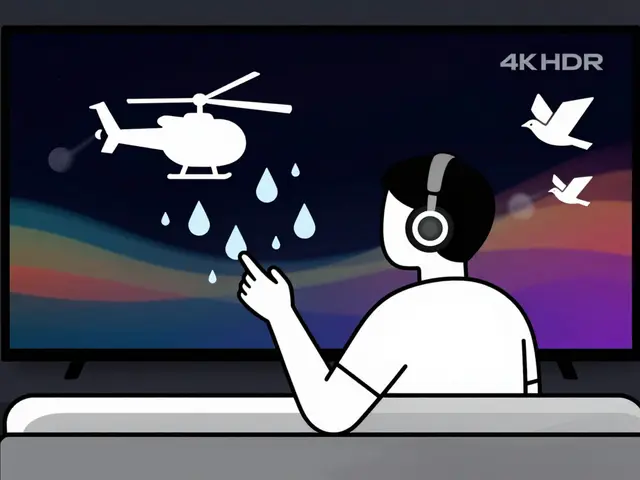
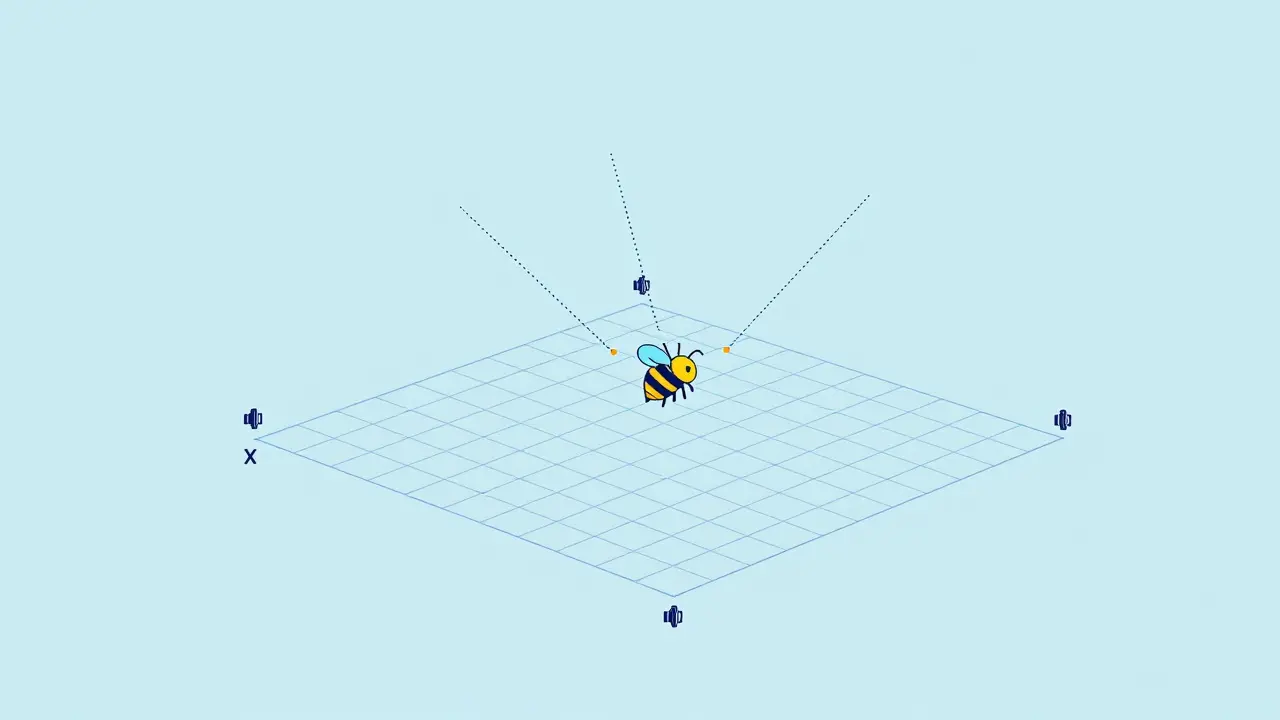
To understand Dolby Atmos , you have to forget about channels. In a traditional system, a sound engineer decides that a sound goes to the "Rear Left" speaker. In Atmos, the engineer creates a "sound object." They tell the system, "This bee should be at coordinates X, Y, and Z," and the processor figures out which speakers to fire to make it sound like it's in that exact spot.
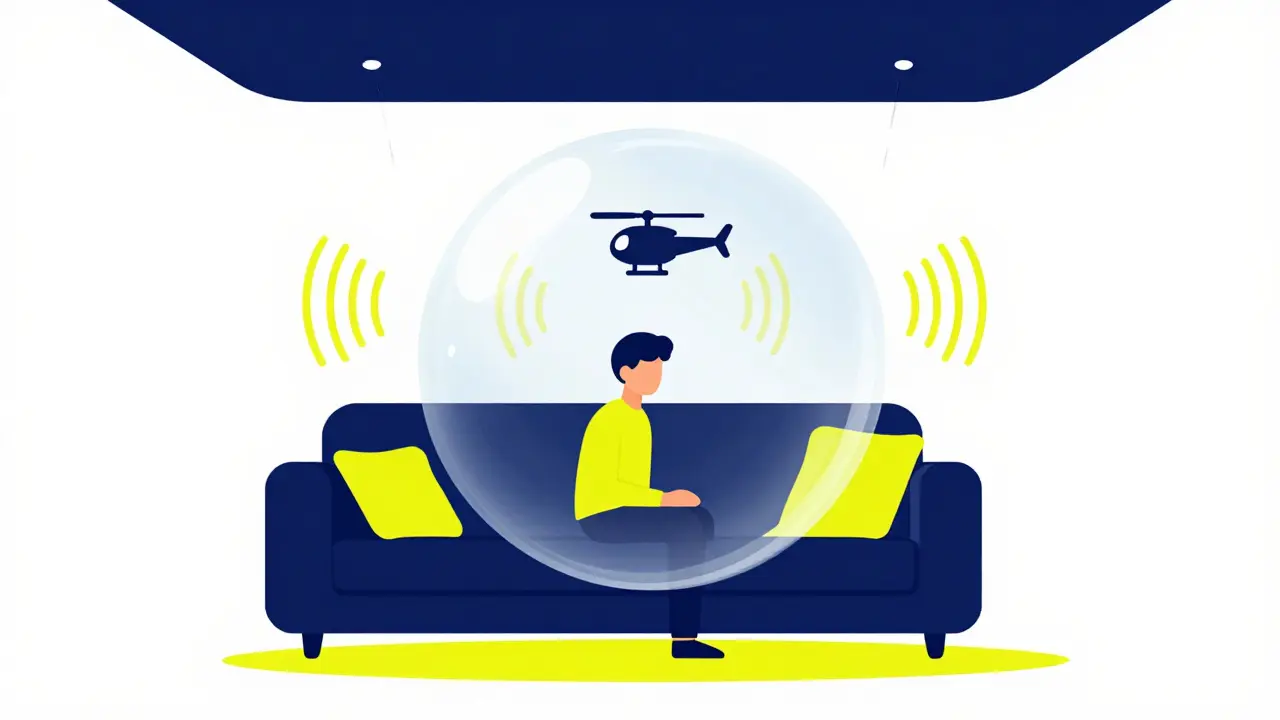
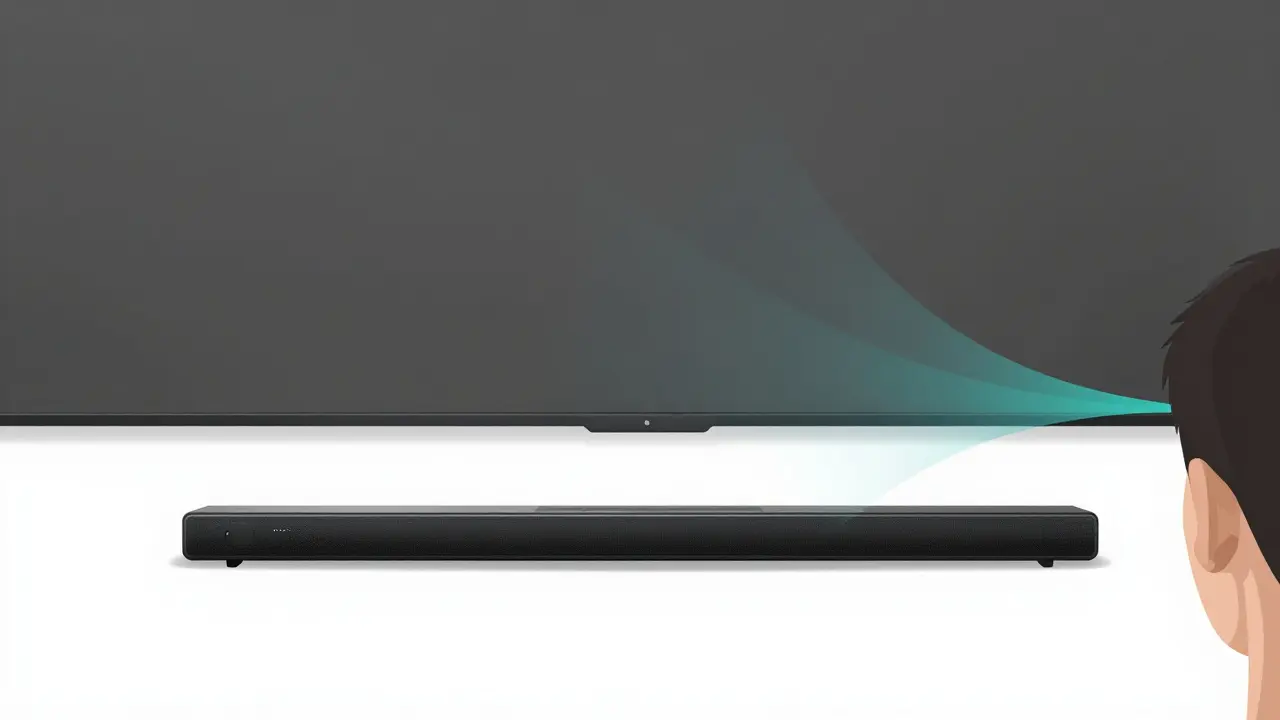
This is where Spatial Audio comes in. It's the broader concept of sound that has a specific location in a 3D space. While Atmos is a specific brand of technology, spatial audio is the goal. By using overhead speakers or "up-firing" drivers that bounce sound off your ceiling, Atmos tricks your brain into thinking the ceiling is actually a speaker.
If you don't have a full room of speakers, Virtualization does the heavy lifting. Many headphones and soundbars use digital signal processing (DSP) to mimic the way sound hits your ear in a real theater. It's not as perfect as having ten physical speakers, but for most of us sitting on a couch, it's a massive upgrade over standard stereo.
Hardware You Need for the Best Experience
You can't just plug in any speaker and expect 3D sound. You need hardware that can decode the Atmos signal. If your gear doesn't support it, your system will simply "downmix" the audio to standard surround or stereo, and you'll miss out on those height effects.
| Setup Type | How it Works | Best For | Immersion Level |
|---|---|---|---|
| Atmos Soundbar | Up-firing speakers bounce sound off ceiling | Small living rooms / Apartments | Medium |
| AV Receiver (Discrete) | Physical speakers installed in the ceiling | Dedicated home cinemas | High |
| Atmos Headphones | Binaural rendering (simulated 3D) | Private listening / Gaming | Medium-High |
A pro tip: If you're buying a soundbar, check if it has "true" height channels. Some brands claim Atmos support but only do it virtually. Look for the little angled speakers on the top of the unit-those are the ones that actually push sound toward your ceiling.
Best Movies and Shows to Test Your Atmos System
Not all Atmos tracks are created equal. Some movies just use it to make the bass louder, while others use it to create a complex soundscape. To really see if your Dolby Atmos setup is working, you need content that uses the vertical space aggressively.
The Blockbuster Heavy-Hitters
If you want to feel the room shake, start with Top Gun: Maverick. The way the jet engines roar from the front and then scream across the ceiling to the back of the room is a masterclass in spatial mixing. Similarly, Dune uses Atmos to create an oppressive atmosphere where the wind and sand seem to wrap around you, making the desert feel vast and terrifying.
The Subtle Atmospheric Gems
It's not all explosions. Shows like Stranger Things on Netflix use Atmos to create tension. When the monsters are lurking, the sound shifts subtly around the room, making you feel like something is standing right behind you. It's a psychological tool that standard stereo just can't replicate.
Animation and Precision
Animated films often have the cleanest Atmos mixes because every single sound is designed from scratch. Spider-Man: Across the Spider-Verse is a fantastic test. The chaotic energy of the multiverse is translated into sound that zips and zooms in every direction, which is perfect for testing how fast your speakers can "move" a sound object from one side of the room to the other.
Streaming Platforms and Compatibility
Getting Atmos into your living room depends on your streaming service. Not every plan includes it. For instance, Netflix only provides Atmos on their most expensive "Premium" tier. If you're on the standard plan, you're getting basic 5.1 sound regardless of your hardware.
Disney+ is generally more generous, offering Atmos on a wide range of Marvel and Star Wars titles. Apple TV+ is arguably the gold standard for audio quality; their lossless and Atmos implementations are often bit-for-bit closer to the cinema experience than other platforms.
One common pitfall: Check your TV settings. Many TVs have an "Auto" audio setting that actually blocks the Atmos signal from reaching your soundbar. You usually need to switch the digital output to "Pass-through" or "Bitstream." This tells the TV, "Don't touch the audio, just send it straight to the speakers," which allows the Atmos decoder in your hardware to do its job.
Common Pitfalls and Troubleshooting
The most frustrating thing about Atmos is when the logo appears on the screen, but you don't actually hear the 3D effect. Often, this is because of a cabling issue. You need an HDMI eARC (Enhanced Audio Return Channel) port. Standard ARC can handle some Atmos, but for the full, uncompressed experience, eARC is a must. If you're using an old HDMI cable from 2015, you might be bottlenecking your audio.
Another issue is room acoustics. If you have high, vaulted ceilings, the "up-firing" speakers in a soundbar won't work because the sound bounces too far away to be noticed. In that case, you're better off with a system that uses actual ceiling-mounted speakers or a high-end headphone setup.

The Future of Immersive Sound
We are moving toward a world where audio is as dynamic as video. With the rise of Object-Based Audio, we'll soon see more integration in gaming and VR. Imagine a game where you can pinpoint exactly where an enemy is based on the height and distance of their footsteps. We're already seeing this in consoles like the PlayStation 5 using the Tempest 3D AudioTech, which shares a similar philosophy with Atmos.
Do I need ceiling speakers for Dolby Atmos?
No, you don't. While ceiling speakers provide the most accurate experience, you can use Atmos-enabled soundbars with "up-firing" drivers that bounce sound off the ceiling, or you can use headphones that simulate the 3D effect through software.
Can I get Dolby Atmos on a standard stereo system?
You can play the content, but you won't get the 3D spatial effects. Your system will "downmix" the audio to 2.0 stereo. You need a device that specifically supports Atmos decoding to hear the height channels.
Why does my Netflix show say Atmos but I don't hear it?
This is usually due to one of three things: you aren't on the Premium Netflix plan, your TV audio output is set to "PCM" instead of "Pass-through," or your HDMI cable doesn't support eARC.
Is Dolby Atmos better than 7.1 surround sound?
Yes, because it adds the vertical dimension. 7.1 is great for sounds moving around you on a flat plane, but Atmos adds height, making the soundscape feel like a sphere rather than a circle.
Do headphones really provide a 3D experience?
Yes, through a process called binaural rendering. It mimics how human ears perceive sound in space, tricking your brain into thinking a sound is coming from above or behind you, even though the speakers are right against your ears.
Next Steps for Your Home Theater
If you're just starting, don't feel the need to rip open your ceiling to install speakers. Start with a mid-range Atmos soundbar and a streaming service like Apple TV+. Once you experience the difference between a flat soundstage and a 3D one, you'll know if you want to invest in a full AV receiver setup.
If you're already a pro with a full setup, try calibrating your room. Use the built-in room correction software that comes with your receiver to account for your furniture and wall reflections. A perfectly calibrated Atmos system is the difference between "good sound" and feeling like you're actually inside the movie.