29
French New Wave Guide: Godard, Truffaut, and Rivette Explained
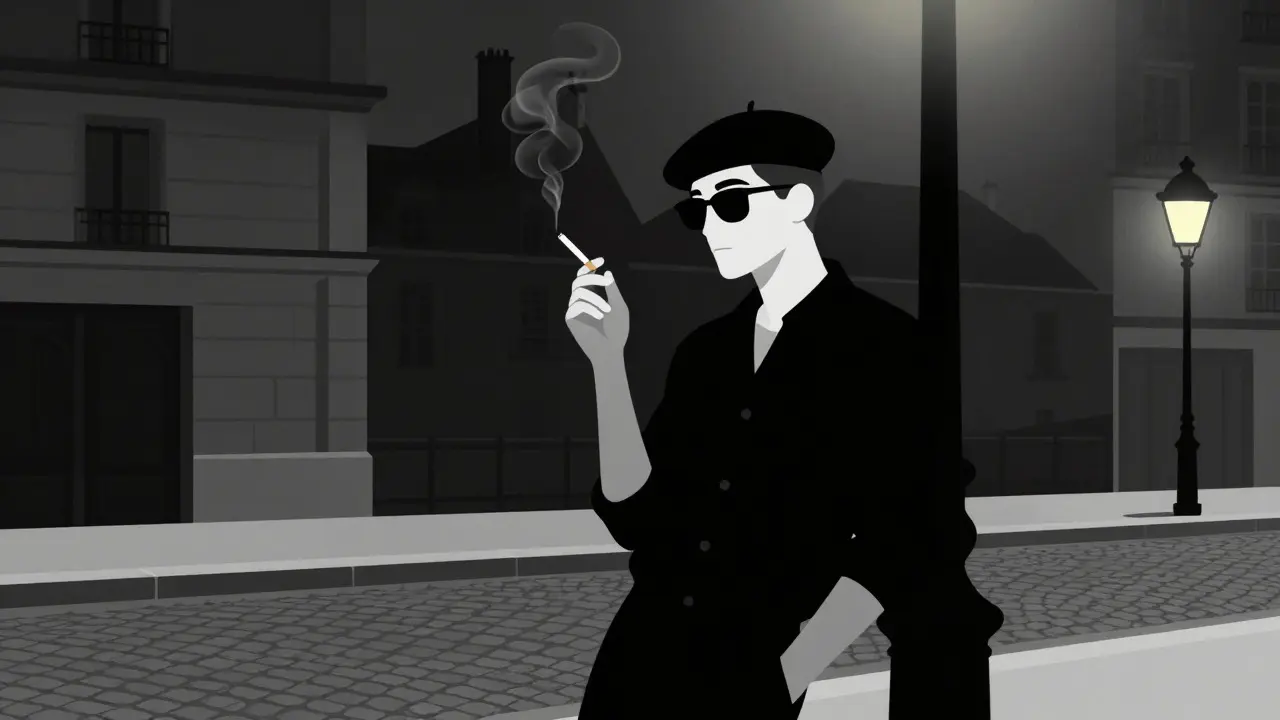
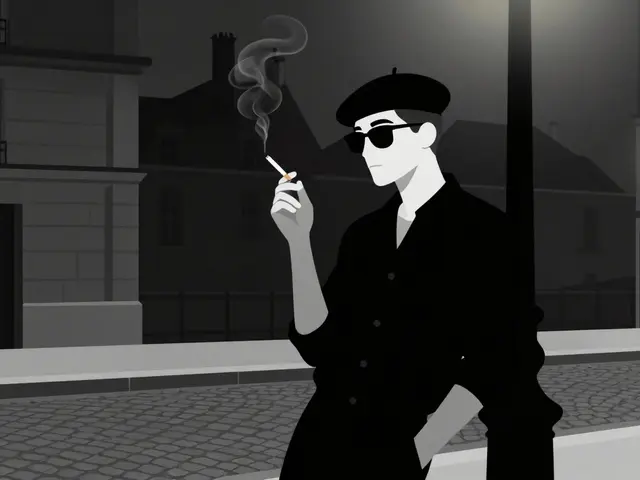
You’ve probably seen the clip. A guy in sunglasses smoking a cigarette, jumping cuts, breaking the fourth wall, looking bored by his own existence. That’s Jean-Luc Godard is a pioneering French filmmaker known for his radical editing techniques and political engagement, who became the face of a movement that broke every rule Hollywood had spent decades writing. But if you think the French New Wave was just one guy with a beret, you’re missing half the story. It was a chaotic, brilliant, argumentative trio-plus a few others-who decided movies didn’t have to look like expensive theater plays.
This guide isn’t an academic thesis. It’s a roadmap for anyone trying to understand why these three directors-Godard, François Truffaut is a key figure of the French New Wave whose debut film The 400 Blows launched the movement, brought emotional depth and autobiographical storytelling to the screen, and Jacques Rivette is a director associated with long-form improvisation and theatrical influences within the French New Wave, pushed the boundaries of narrative structure more than his peers-still matter today. Whether you’re a student, a casual viewer, or someone who just wants to sound smart at a dinner party, this breaks down who they were, what they did, and how to actually watch their work without falling asleep.
The Big Bang: Why the Movement Happened
To get why these guys mattered, you have to look at what came before. In the 1950s, French cinema was stuck. Directors like René Clair or Marcel Carné made polished, literary adaptations. They were beautiful, sure, but safe. Then came André Bazin, a critic who founded Cahiers du Cinéma. He argued that the camera should observe reality, not manipulate it. His young critics-Godard, Truffaut, Rivette, Eric Rohmer, and Claude Chabrol-started writing scathing reviews of established directors. They called them "quality tradition" hacks.
Then, they picked up cameras. They borrowed money from friends, shot on handheld equipment, and used natural light. They weren’t trying to make perfect films; they were trying to make honest ones. This wasn’t just an aesthetic choice; it was a financial necessity. They couldn’t afford studio lighting, so they used streetlights. They couldn’t afford actors’ union rates, so they cast friends. The constraints created the style. Jump cuts happened because they had too much footage and needed to trim the boring parts quickly. Handheld cameras shook because they were carrying them around Paris.
François Truffaut: The Emotional Architect
If Godard was the brain, Truffaut was the heart. His 1959 debut, The 400 Blows, is arguably the most important film of the movement. It’s semi-autobiographical, following Antoine Doinel, a boy who feels misunderstood by his parents and teachers. The famous ending-Antoine running to the sea and turning to look directly at the camera-isn’t just a freeze-frame; it’s a question. What happens next? We don’t know. Truffaut leaves it open.
Unlike Godard, who often alienated viewers with intellectual puzzles, Truffaut wanted you to feel something. He loved American genre films, especially Hitchcock and Nicholas Ray. You can see this influence in Jules and Jim (1962), which mixes comedy, tragedy, and romance into a single breathless package. Truffaut’s technique was smoother. He used tracking shots and careful framing, but he kept the spirit of the New Wave alive by refusing to resolve conflicts neatly. His characters are flawed, selfish, and deeply human. If you’re new to this era, start here. It’s accessible, emotionally resonant, and visually stunning without being pretentious.
Jean-Luc Godard: The Radical Disruptor
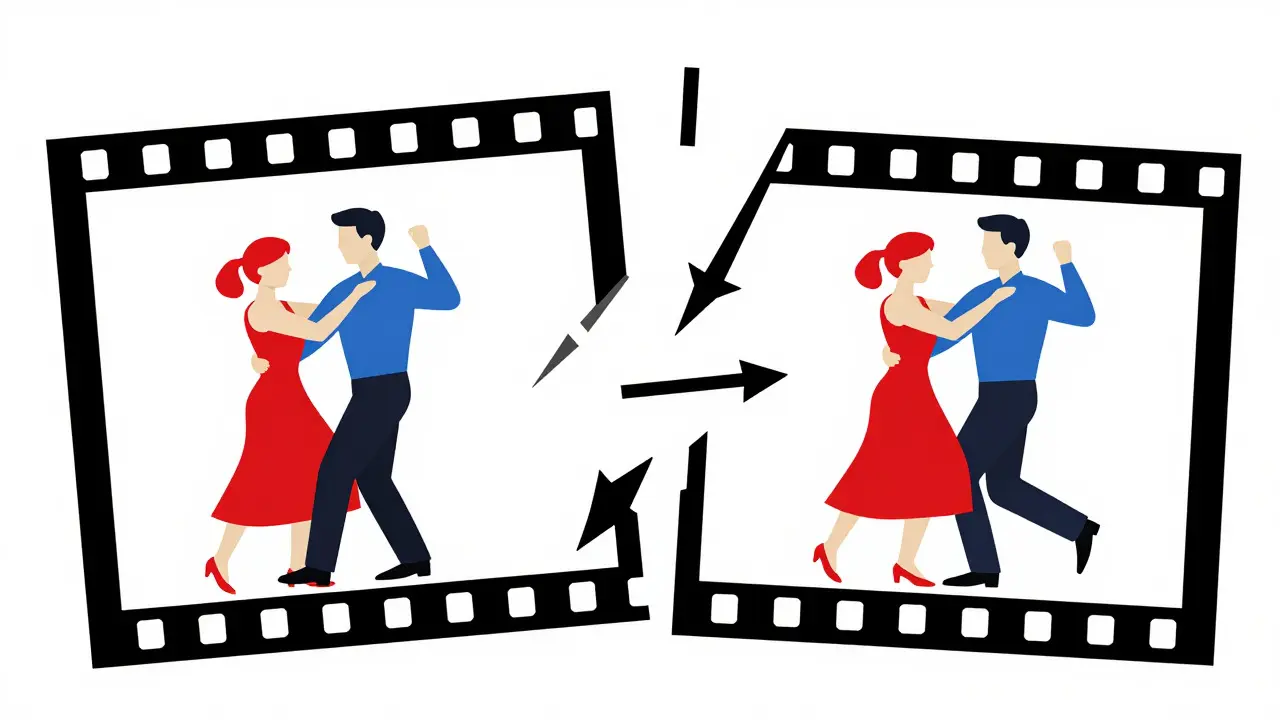
Godard is the one everyone talks about because he’s the hardest to pin down. His first feature, Breathless (1960), changed editing forever. Before this, editors tried to hide cuts. Godard highlighted them. He cut out frames mid-action, making scenes feel jagged and urgent. It wasn’t sloppy; it was rhythmic. He treated film like jazz-improvised, unpredictable, and full of sudden stops.
But Godard didn’t stay in the romantic zone. By the late 1960s, he got political. Films like Weekend (1967) attacked consumerism and bourgeois society. He stopped using traditional plots. Characters would stop talking to address the audience, or the film would break into unrelated segments. He famously said, "A story should be like a woman's skirt: long enough to cover the subject but short enough to create interest." For him, length was irrelevant if the point wasn’t sharp.
Watching Godard can be frustrating. He refuses to hold your hand. In Pierrot le Fou (1965), colors shift arbitrarily, and dialogue becomes abstract poetry. But that’s the point. He wanted to wake you up. If Truffaut invites you to empathize, Godard challenges you to think. Don’t try to follow the plot line-by-line. Look at the images, listen to the music, and notice how the text appears on screen. It’s an experience, not just a story.
Jacques Rivette: The Improviser
Rivette is the quiet storm of the group. While Godard was shouting politics and Truffaut was crying over love, Rivette was experimenting with time. His films are long. Like, really long. L’Amour fou (1969) runs for nearly four hours. Why? Because he believed real life doesn’t fit into 90 minutes. He let actors improvise entire scenes, building narratives through rehearsal rather than script.
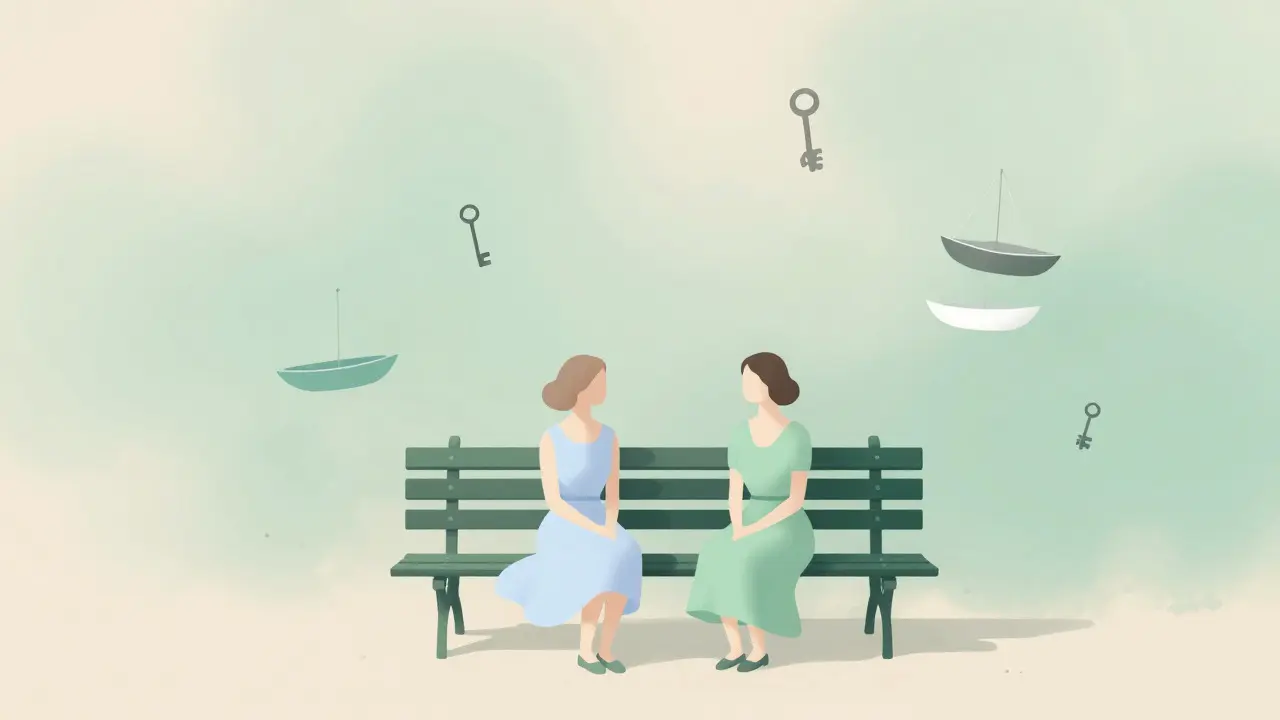
Rivette’s approach was theatrical. Many of his films revolve around rehearsals, backstage drama, or hidden secrets. Céline and Julie Go Boating (1974) is a mind-bending puzzle where two women swap identities and enter a mysterious house. It feels like a dream logic game. He uses repetition and variation, showing the same scene multiple times with slight changes. This forces the viewer to pay attention to details they might otherwise miss.
His relationship with the other two was complex. He co-founded Cahiers du Cinéma with them but often felt overshadowed. Yet, his influence on later filmmakers like Mike Leigh or Christopher Nolan is undeniable. If you like slow cinema or character-driven dramas that unfold naturally, Rivette is your guy. Just clear your schedule. You’ll need the time.
Comparing the Big Three
It helps to see them side-by-side. They shared origins but diverged wildly in execution. Here’s a quick breakdown to help you decide where to start.
| Director | Key Style | Signature Film | Best For Viewers Who... |
|---|---|---|---|
| François Truffaut | Emotional realism, autobiographical themes, smooth camerawork | The 400 Blows | Want connection and classic storytelling with a twist |
| Jean-Luc Godard | Jump cuts, political commentary, meta-cinema | Breathless | Like experimental art and challenging conventions |
| Jacques Rivette | Improvisation, long takes, theatrical structures | Céline and Julie Go Boating | Prefereat deep immersion and gradual narrative reveals |
How to Watch Without Getting Overwhelmed
Don’t try to binge all three at once. Pick one entry point based on your mood. If you want romance and sadness, watch Truffaut’s Jules and Jim. If you want energy and style, go with Godard’s Breathless. If you want a puzzle, try Rivette’s Céline and Julie Go Boating.
Also, ignore the pressure to understand everything. These films were controversial when released. Critics hated them. Audiences walked out. You don’t need to "get" every reference to B-movies or Marxist theory. Focus on the visual language. Notice how the camera moves. Listen to the silence between lines. The French New Wave wasn’t about telling a story perfectly; it was about showing that cinema could be free.
Finally, remember the context. These were young men with cheap cameras, reacting against a stuffy industry. Their rebellion feels fresh because it was genuine. Today’s filmmakers still borrow their tricks. When you see a jump cut in a TikTok or a handheld shot in a Marvel movie, you’re seeing the legacy of Godard, Truffaut, and Rivette. They didn’t just make movies; they changed how we see moving pictures.
What defines the French New Wave?
The French New Wave is defined by its rejection of traditional cinematic rules. Key characteristics include low-budget production, location shooting instead of studios, natural lighting, improvised dialogue, and innovative editing techniques like jump cuts. It emerged in the late 1950s as a reaction against the "quality tradition" of French cinema.
Which film should I watch first?
For most viewers, The 400 Blows by François Truffaut is the best starting point. It is emotionally accessible, visually beautiful, and clearly illustrates the movement's focus on youth and authenticity. If you prefer something faster-paced and stylish, try Godard's Breathless.
Why are jump cuts significant?
Jump cuts disrupt the flow of time by removing frames from a continuous shot. Before the French New Wave, editors tried to hide cuts to maintain continuity. Jean-Luc Godard used them prominently in Breathless to create urgency and draw attention to the fact that you are watching a constructed film, not reality.
Did Godard and Truffaut hate each other?
Not exactly hate, but they had a famous public feud. After Truffaut criticized Godard's later political films, Godard responded harshly. They represented different paths: Truffaut stayed closer to traditional narrative structures, while Godard moved toward avant-garde experimentation. Their rivalry reflected broader debates about the role of cinema in society.
Is Jacques Rivette worth watching?
Yes, if you enjoy patience and depth. Rivette's films are longer and less conventional than Godard's or Truffaut's. He focuses on actor improvisation and complex narrative structures. Céline and Julie Go Boating is a great entry point because it is playful and surreal, unlike some of his denser works.