31
How to Crowdfund Indie Films: Kickstarter vs Seed&Spark Strategy Guide
Picture this: you have a script that keeps you up at night. The vision is clear, the cast is ready, but your bank account says "no." You are not alone. Thousands of independent filmmakers face this exact wall every year. The old model of waiting for studio greenlights or selling your soul to investors is dead. In its place stands crowdfunding.
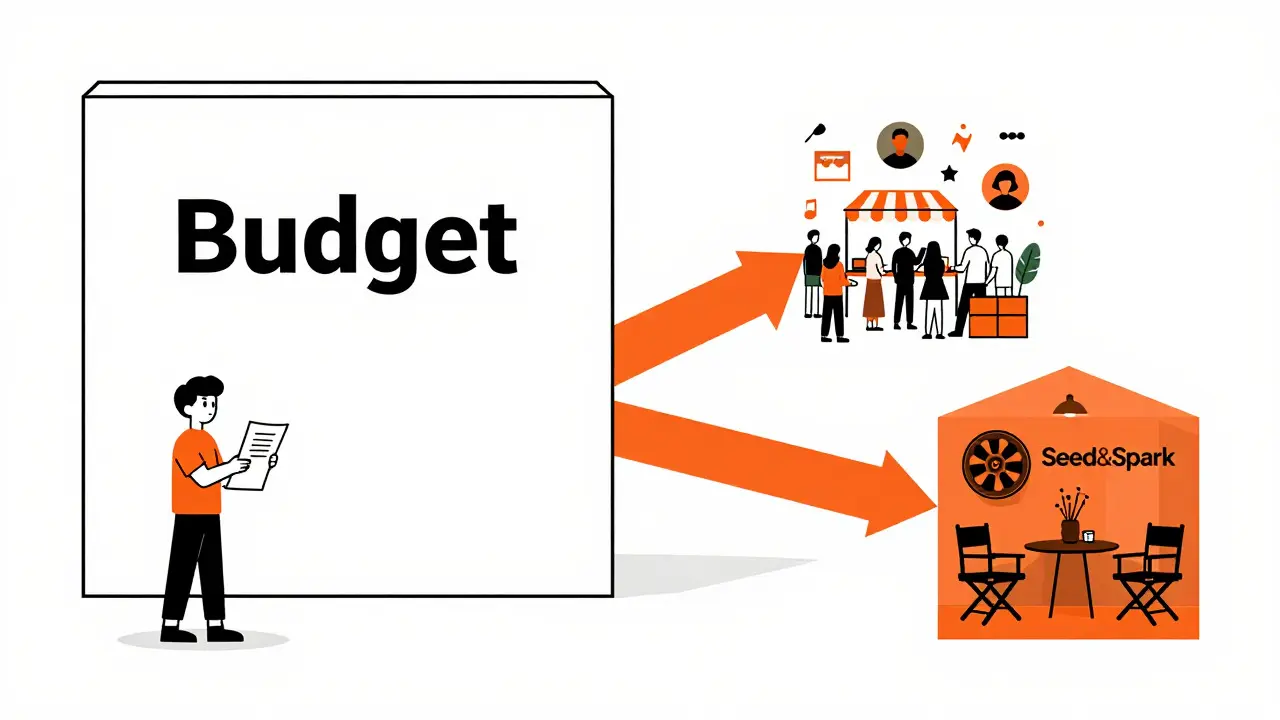
But here is the catch: throwing a link on social media and hoping for the best rarely works. Successful film crowdfunding is less about begging and more about building a community that believes in your story before you even shoot frame one. Whether you choose Kickstarter, the world's largest reward-based crowdfunding platform known for its all-or-nothing funding model or a niche player like Seed&Spark, a specialized crowdfunding platform designed specifically for filmmakers with integrated distribution tools, your strategy determines your success.
Choosing Your Battlefield: Platform Comparison
Not all crowdfunding platforms are created equal. Choosing the wrong one can cost you months of effort and damage your reputation. Let’s break down the two giants in the indie film space.
Kickstarter is the big fish. It has massive traffic, brand recognition, and a culture of generosity. However, it is also incredibly competitive. Your project sits alongside video games, tech gadgets, and cookbooks. To stand out, you need a pre-existing audience or a viral marketing hook. Kickstarter operates on an "all-or-nothing" basis. If you hit 98% of your goal, you get zero dollars. This creates urgency but also high risk.
Seed&Spark, on the other hand, is built by filmmakers, for filmmakers. It understands the specific needs of the industry. While its overall traffic is smaller than Kickstarter’s, its users are targeted-they are people who actually want to support film projects. Seed&Spark offers flexible funding options (you keep what you raise) and includes tools for distribution and festival submissions. It feels like joining a guild rather than shouting into a void.
| Feature | Kickstarter | Seed&Spark |
|---|---|---|
| Funding Model | All-or-Nothing | Flexible & All-or-Nothing |
| Platform Fee | 5% | 5-7% (varies by plan) |
| Payment Processing | 3-5% | 3-5% |
| Audience Type | General Public | Film Enthusiasts & Industry |
| Distribution Tools | None | Integrated VOD & Festival Access |
If you have a strong personal brand or a unique visual concept that appeals to non-film fans, Kickstarter might be your better bet. If you are making a traditional narrative feature or documentary and value industry connections over raw traffic, Seed&Spark often provides a smoother path.
The Pre-Launch Phase: Building Momentum
The biggest mistake I see filmmakers make is launching their campaign with zero preparation. They think the clock starts ticking when they go live. Wrong. The real work happens three to six months before that button is clicked.
Your primary asset is not your script; it is your email list. Social media algorithms change daily, hiding your posts from your friends. Email goes straight to the inbox. Start collecting emails now. Offer something valuable in exchange-a behind-the-scenes look, a character design sheet, or a free short film.
Next, build your "inner circle." Identify the first 30 people who will back you within the first hour of launch. These could be family, close friends, or loyal fans. Their early contributions create social proof. When strangers see your progress bar moving quickly, they trust the project more. Aim to secure 10-20% of your total goal from this group before you even open the doors to the public.
Create a landing page if you don’t have a website. It should include:
- A compelling logline (one sentence that hooks the reader).
- High-quality visuals (concept art, mood boards, or headshots).
- An opt-in form for updates.
- A clear statement of why this film matters.

Crafting Irresistible Rewards
Rewards are the currency of crowdfunding. But let’s be honest: most people do not buy a $5 credit in the end titles because they care about typography. They buy it because they want to feel part of something special. Your rewards need to balance cost, logistics, and emotional value.
Low-tier rewards ($5-$25) should be digital and easy to deliver. Think digital downloads, exclusive wallpapers, or shout-outs on social media. Keep these simple so you don’t drown in fulfillment tasks later.
Mid-tier rewards ($50-$200) are where you get creative. Offer signed posters, limited edition merchandise, or a virtual Q&A session with the cast. Avoid physical goods that require shipping internationally unless you have a reliable partner. Shipping costs can eat your budget alive.
High-tier rewards ($500+) are for super-fans. Here, exclusivity is key. Offer a private screening, a cameo role (if legally feasible), or a dinner with the director. Remember, these backers are investing in an experience, not just a product.
Avoid over-promising. If you promise a Blu-ray, ensure you have the manufacturing budget covered. Nothing kills a filmmaker’s reputation faster than failing to deliver rewards two years after the campaign ends.

Marketing During the Campaign
Once you launch, the pressure is on. You need consistent momentum. Silence is the enemy of crowdfunding. Update your backers weekly. Share behind-the-scenes photos, introduce crew members, or discuss challenges you are facing. Transparency builds trust.
Leverage press and influencers. Reach out to film blogs, local news outlets, and YouTube reviewers who cover indie cinema. Pitch them a human interest story-not just "help us raise money," but "here is why this story needs to be told now."
Run targeted ads if you have the budget. Facebook and Instagram ads allow you to target people interested in similar films, festivals, or directors. Even a small daily budget can drive significant traffic if your creative assets are strong.
Don’t forget the power of video. A well-made pitch video is crucial. It should be under two minutes, emotionally engaging, and clearly state what you are asking for. Show your passion. People fund people, not just projects.
Post-Campaign: Fulfillment and Beyond
Congratulations, you raised the money. Now the real work begins. Fulfilling rewards is often more stressful than shooting the film. Create a spreadsheet to track every backer, their reward tier, and delivery status. Communicate delays early. Backers forgive mistakes; they do not forgive silence.
Use your new community as a launchpad for distribution. Those same backers are your first viewers. Invite them to premiere events. Ask them to share trailers. Their engagement signals to algorithms and distributors that your film has an audience.
Finally, analyze your data. What worked? Which rewards were most popular? Where did your traffic come from? Use these insights for your next project. Crowdfunding is a skill that improves with practice.
How much does it cost to crowdfund a film?
You should budget approximately 10-15% of your total goal for fees and expenses. This includes the platform fee (usually 5%), payment processing fees (3-5%), and costs for rewards production and shipping. For example, if you aim to raise $50,000, set aside $5,000-$7,500 just for these operational costs.
Is Kickstarter or Seed&Spark better for documentaries?
Both platforms work well for documentaries. Kickstarter offers broader reach, which is helpful if your documentary addresses a widely recognized social issue. Seed&Spark provides deeper industry integration, which can help with festival submissions and distribution deals post-campaign. Choose based on whether you prioritize audience size (Kickstarter) or industry networking (Seed&Spark).
Can I crowdfund if I have no existing audience?
It is challenging but possible. You will need to invest heavily in pre-launch marketing to build an email list and social following. Partnering with influencers, leveraging local media, and creating viral-worthy content can help bridge the gap. Consider starting with a smaller micro-budget project to build credibility before attempting a larger campaign.
What are the tax implications of crowdfunding?
In many jurisdictions, including the US and Australia, crowdfunding funds may be considered taxable income unless structured as donations with no quid pro quo. If you offer rewards, those funds are generally treated as sales revenue. Consult a tax professional to understand how to deduct production expenses and manage VAT/GST obligations for international backers.
How long should a crowdfunding campaign last?
Most successful campaigns run between 30 to 45 days. Shorter campaigns (less than 30 days) may not give you enough time to build momentum. Longer campaigns (more than 60 days) often suffer from donor fatigue. A 30-day window creates urgency while allowing sufficient time for marketing pushes and mid-campaign updates.