30
Global Streaming Guide: Which Platforms Work in Your Region?
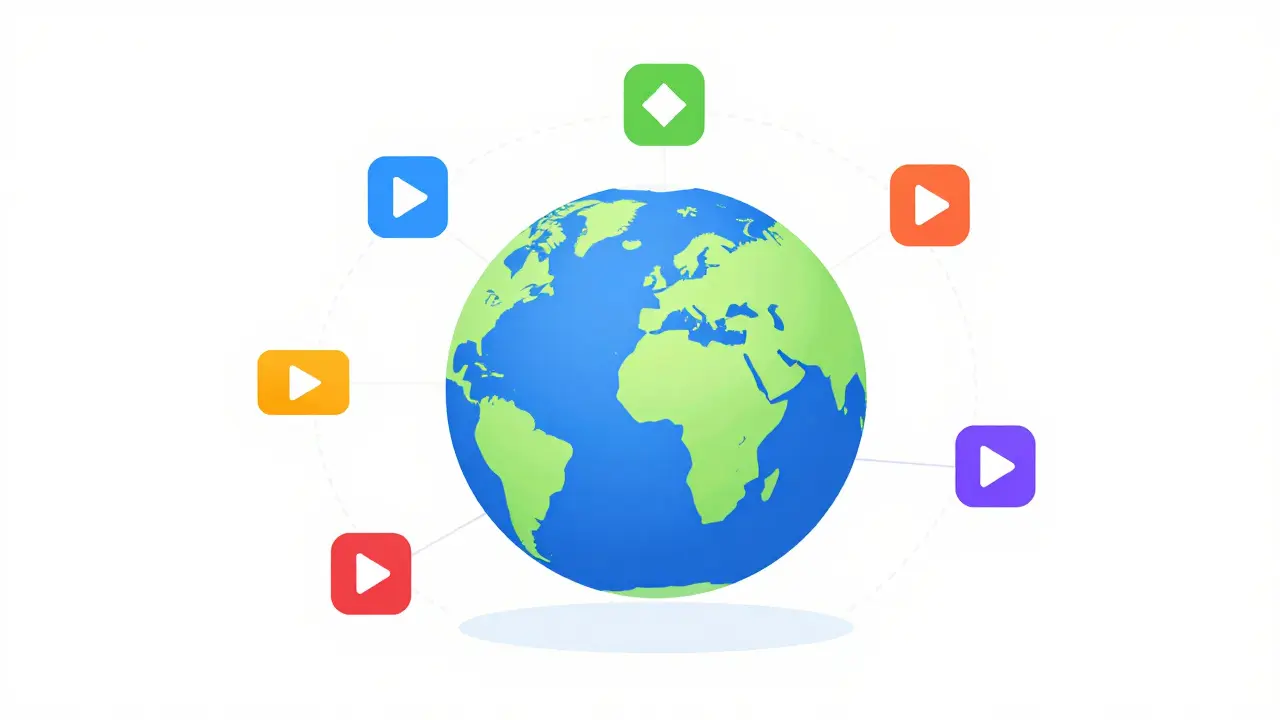
To get a handle on what you can actually watch, you need to understand how international streaming services decide who gets to see what. Most platforms don't own every piece of content they host. Instead, they buy the rights to show a movie or show in specific territories for a set amount of time. This is why a show might be on one service in the UK but on a completely different one in Canada, or not available at all in Australia.
The Heavy Hitters and Their Global Reach
Some platforms have a much easier time going global than others because they produce their own content. When a company owns the intellectual property, they don't have to negotiate with local TV stations or movie studios in every single country.
Netflix is a global subscription-based streaming service that operates in nearly every country worldwide, except for a few like China and North Korea. Because they invest billions into "Netflix Originals," they can launch a show simultaneously in 190 countries. However, their licensed library-like the older sitcoms or blockbuster movies-varies wildly. You might find a specific anime in Japan that is completely absent from the US library.
Disney+ has followed a similar path, though their rollout was more staggered. They leverage the massive libraries of Marvel Studios and Lucasfilm. In many regions, Disney+ is bundled with other services or launched as "Star" to include more adult-oriented content that wouldn't fit the main family brand.
Amazon Prime Video operates slightly differently. It's tied to an Amazon Prime membership, which means its availability is often linked to where Amazon has a physical logistics and shipping presence. If Amazon doesn't ship to your door, you're less likely to have a full-featured Prime Video account in that region.
| Platform | Global Presence | Content Strategy | Regional Variation |
|---|---|---|---|
| Netflix | Very High | Originals-first | High (Licensed content) |
| Disney+ | High | Franchise-driven | Medium (Bundling varies) |
| Prime Video | High | Hybrid (Rent/Buy/Sub) | Medium (Tied to Prime) |
| HBO Max / Max | Medium | Premium prestige | Very High (Limited markets) |
The Regional Specialists and Niche Players
While the giants try to cover the whole map, many platforms thrive by dominating a specific region or a particular genre. These are often the ones that leave users wondering, "Why can't I get this in my country?"
Crunchyroll is a prime example. As a leader in anime streaming, they have a massive footprint, but their content library changes based on who owns the broadcast rights for a specific series in your country. If a local TV network bought the exclusive rights to a new anime, Crunchyroll might be blocked from showing it in that region until the contract expires.
Then you have the homegrown champions. In India, services like Disney+ Hotstar have tailored their offering to include massive amounts of local sports content, like cricket, which isn't the primary focus of the global Disney+ app. In the UK, iPlayer by the BBC provides a gold standard for public service broadcasting, but it's strictly locked to UK residents to protect the taxpayers' investment.
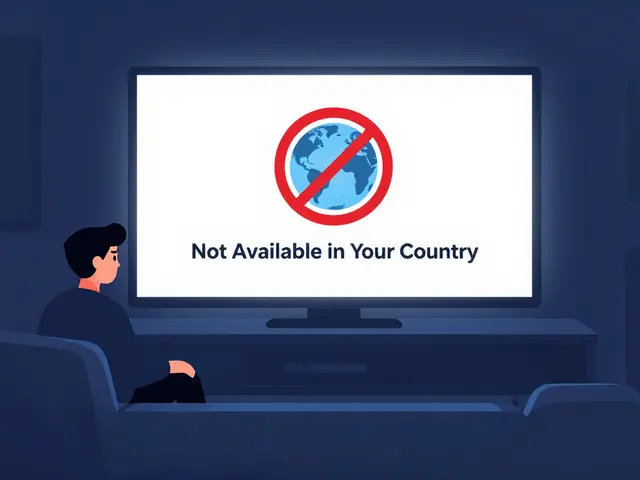
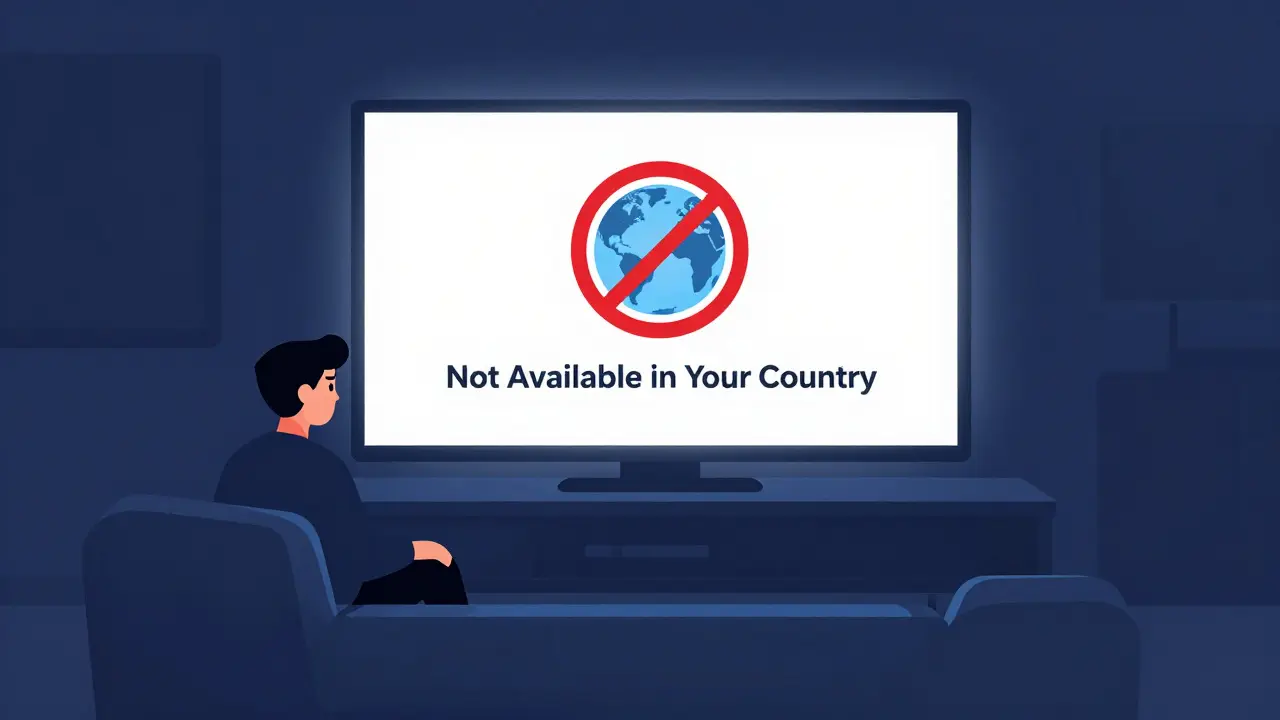
Why You Get the "Not Available in Your Country" Message
It all comes down to Geo-blocking is the practice of restricting access to internet content based on the user's geographical location. This is done using your IP Address, which acts like a digital return address. When you hit "Play," the server checks where your IP is registered. If it's in Brisbane and the movie is licensed only for the US, the server sends back an error.
Why do companies do this? It's all about the money. A studio might sell the rights to a show to a local broadcaster in France for a large sum. If Netflix could just stream that same show to everyone in France, the local broadcaster loses their viewers and their ad revenue. Therefore, the studio forces Netflix to block the content in France to maintain the value of the local deal.
How to Navigate the Global Streaming Maze
If you're moving to a new country or just want to see what's available elsewhere, there are a few rules of thumb to follow. First, check a global database like JustWatch. This tool lets you switch countries to see exactly which platform hosts a specific movie in different regions. It's the fastest way to find out if a show is simply gone or just hiding in a different territory.
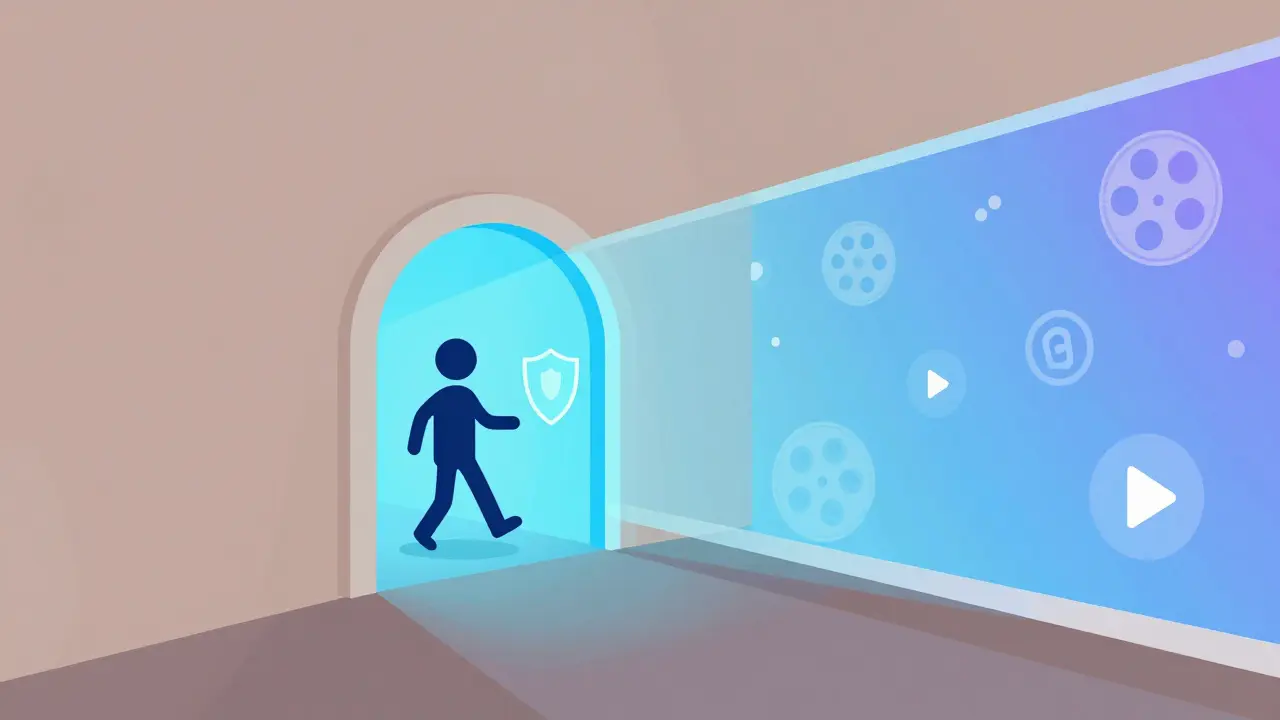
Another common approach is using a VPN (Virtual Private Network) is a service that masks your real IP address and makes it appear as if you are accessing the internet from a different country. While many people use them to "hop" into the US library of Netflix, be aware that streaming services are in a constant arms race with VPN providers. Platforms maintain lists of known VPN server IPs and block them. If you see a message saying "You seem to be using an unblocker or proxy," the service has spotted your VPN.
Keep in mind that using a VPN might violate the Terms of Service of your provider. While it's rarely a legal issue for the individual user, it can occasionally lead to account warnings if the platform is particularly strict about regional boundaries.
Comparing the Experience Across Borders
Depending on where you live, the "best" streaming service changes completely. In North America, the battle is between the big three (Netflix, Disney+, Prime). In Asia, the landscape is fragmented with players like Viu and iQIYI offering huge libraries of K-dramas and C-dramas that aren't always available on the Western platforms.
Price points also vary. A subscription in the US might cost $15.49, while in a different market, the service might offer a "mobile-only" plan for a fraction of that price to attract users who don't own a smart TV. This is called Price Discrimination, allowing companies to maximize profit based on the local economy's purchasing power.
Why does my Netflix library change when I travel?
Netflix detects your current IP address. When you land in a new country, the app automatically switches to the library licensed for that specific region. This is why you might see different movies while on vacation than you do at home.
Are there any services that work everywhere without restrictions?
No service is truly "borderless" because of law and censorship. While Netflix is the closest, some countries have government mandates that require certain content to be removed, meaning even the most global services have to abide by local laws.
Can I use a VPN to get a cheaper subscription?
Some people try to do this by pretending to be in a country with lower pricing. However, most platforms now require a credit card issued in the country you are claiming to be in, making this much harder than it used to be.
What is the difference between a "Global' and a 'Regional' launch?
A global launch means the content drops at the same time in all supported countries. A regional launch happens in stages-for example, releasing a show in the US and Canada first, and then bringing it to Europe and Asia months later.
Will streaming services eventually stop geo-blocking?
Unlikely. As long as companies can make more money by selling exclusive rights to different distributors in different countries, geo-blocking will exist. It's a financial tool that provides a secondary revenue stream for studios.
What to Do Next
If you're struggling to find a specific show, start by checking the regional availability tools online. If you find the show is available in a nearby country, a high-quality VPN might be your best bet, though it's not a guarantee. For those who move often, consider using a global account that allows for travel, but keep your payment method updated to your current residence to avoid account flags.
If you are a content creator or a business owner, remember that your audience is fragmented. If you're promoting a show or a movie that is only on Netflix in the US but on Prime in the UK, make sure your marketing reflects that. Sending a UK user to a US-only link is a quick way to lose a potential viewer.