3
The Science of Rating: Psychometrics Behind Film Scores
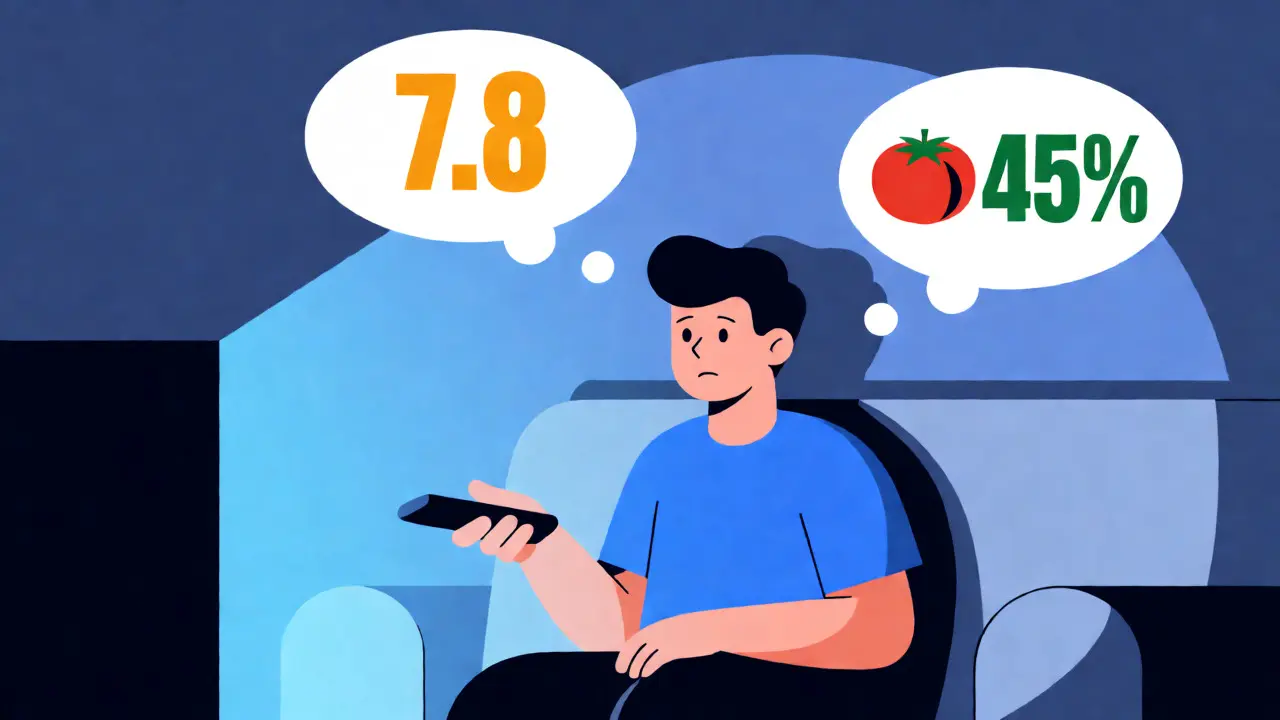
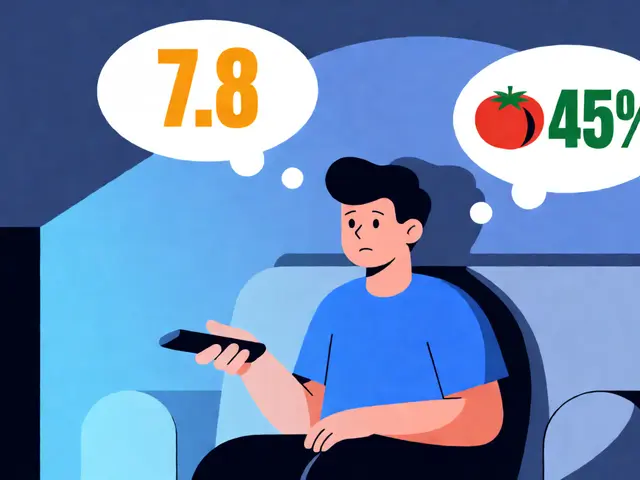
You scroll through your streaming app, eyes glazing over the endless grid of thumbnails. You stop at one. It has a 7.8 on IMDb, but only a 45% score on Rotten Tomatoes. Which number do you trust? Most people ignore the math entirely and just watch the trailer. But those numbers aren't random guesses. They are the result of psychometrics, the science of measuring mental capacities and processes. When we rate movies, we aren't just saying "I liked it." We are revealing how our brains process narrative, emotion, and expectation.
Here is the uncomfortable truth: film scores are noisy data. A five-star rating from a teenager watching a superhero movie at 2 AM means something completely different than a three-star review from a film critic who saw it in a quiet theater. Understanding the science behind these ratings helps you cut through the noise. It explains why some critically acclaimed films flop with audiences, and why "guilty pleasures" dominate the top charts. Let's break down the psychology and statistics that turn subjective feelings into objective numbers.
The Problem with Averaging Human Taste
At its core, a film rating is an attempt to quantify the unquantifiable. If I ask you how much you enjoyed a meal, you might say "delicious" or "terrible." But if I force you to pick a number between 1 and 10, you hesitate. Is it a 6 or a 7? This hesitation is called cognitive load. Psychometricians struggle with this because human judgment isn't linear. We don't experience enjoyment in equal steps. The jump from a boring movie to a decent one feels bigger than the jump from a great movie to a perfect one.
This leads to what statisticians call central tendency bias. Most viewers avoid extreme ratings. Very few people give a 1 unless they are angry, and very few give a 10 unless they are obsessed. As a result, most films cluster around the middle-between 6 and 8. This clustering makes small differences look huge. A movie with a 7.9 feels significantly worse than one with an 8.0, even though the actual difference in viewer satisfaction is negligible. Platforms like IMDb have tried to fix this by weighting votes based on user history, but the fundamental issue remains: we are bad at judging things in isolation.
Consider the anchoring effect. If you read reviews calling a movie a "masterpiece" before you watch it, your brain sets a high anchor. Even if the film is good, it might fail to meet that inflated expectation, leading to a lower rating than an unbiased viewer would give. Conversely, if you expect garbage, a mediocre film can feel surprisingly enjoyable. Your rating isn't just about the film; it's about the gap between expectation and reality.
How Major Platforms Calculate Their Scores
Not all ratings are created equal. Each major platform uses a different mathematical formula, which creates wildly different results for the same movie. Understanding these algorithms is key to interpreting what a score actually means.
| Platform | Rating Type | Data Source | Key Bias |
|---|---|---|---|
| IMDb | Weighted Average (1-10) | General Public Votes | Fanboy/Fangirl inflation for franchises |
| Rotten Tomatoes | Certified Fresh % (Binary) | Professional Critics | Polarization; ignores degree of liking |
| Metacritic | Weighted Average (0-100) | Curated Critics | Elitism; favors arthouse over blockbusters |
| Letterboxd | Average Stars (1-5) | Enthusiast Community | Nostalgia and cult classic bias |
IMDb uses a weighted average, not a simple mean. This means their algorithm filters out obvious spam and weights votes from users who rate many films similarly to the general population. However, it suffers heavily from fandom bias. Superhero movies often get inflated scores because fans mobilize to protect their favorite characters. A 7.5 on IMDb for a niche drama is impressive; a 7.5 for a Marvel sequel is basically a shrug.
Rotten Tomatoes doesn't measure quality directly. It measures consensus. If 60% of critics gave a positive review (even a lukewarm "thumbs up"), the movie gets a 60% score. This binary system hides nuance. A movie where everyone agrees it's "okay" gets the same score as a movie that half the critics loved and half hated. This is why you see controversial films with low RT scores but high audience scores. The critics were polarized; the audience was entertained.
Metacritic takes a more academic approach. It converts various star ratings and numerical scores into a single 0-100 scale. Because it relies on established publications, it tends to favor technical proficiency and narrative complexity over pure entertainment value. A visually stunning but plot-light action movie might score poorly here, while a dense, dialogue-heavy indie film scores high.
The Psychology of Star Ratings
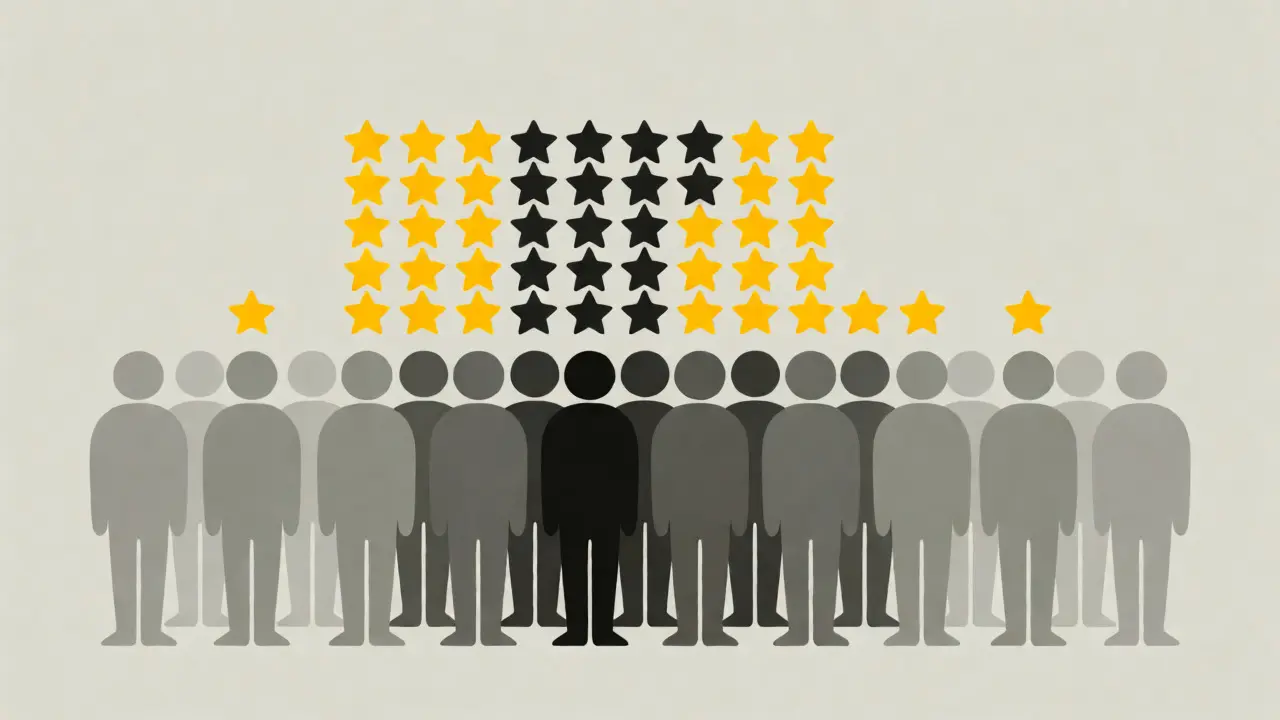
Why do we use stars? Or tens? The format changes how we perceive the score. Research in behavioral economics shows that people interpret 5-star systems differently than 10-point scales. In a 5-star system, the middle ground (3 stars) is seen as neutral or slightly negative. People rarely give 3 stars unless they are truly indifferent. In a 10-point scale, 5 is also neutral, but people feel more comfortable giving 6s and 7s to indicate mild approval.
There is also the recency effect. Viewers tend to remember the end of a movie more vividly than the beginning. If a film has a weak first hour but a mind-blowing finale, audiences often rate it higher than the overall quality warrants. Conversely, a great setup ruined by a bad ending tanks the rating disproportionately. This is known as the peak-end rule. We judge experiences based on how they felt at the most intense point and how they ended.
Emotional arousal plays a massive role too. Movies that make you cry, laugh hard, or feel scared tend to get higher ratings than movies that simply make you think. A boring thriller might be technically superior to a fun comedy, but the comedy will likely win on audience scores. Why? Because emotional engagement creates stronger memory traces. You remember how the movie made you feel, not necessarily how well the third act was structured.
Critics vs. Audience: The Great Divide
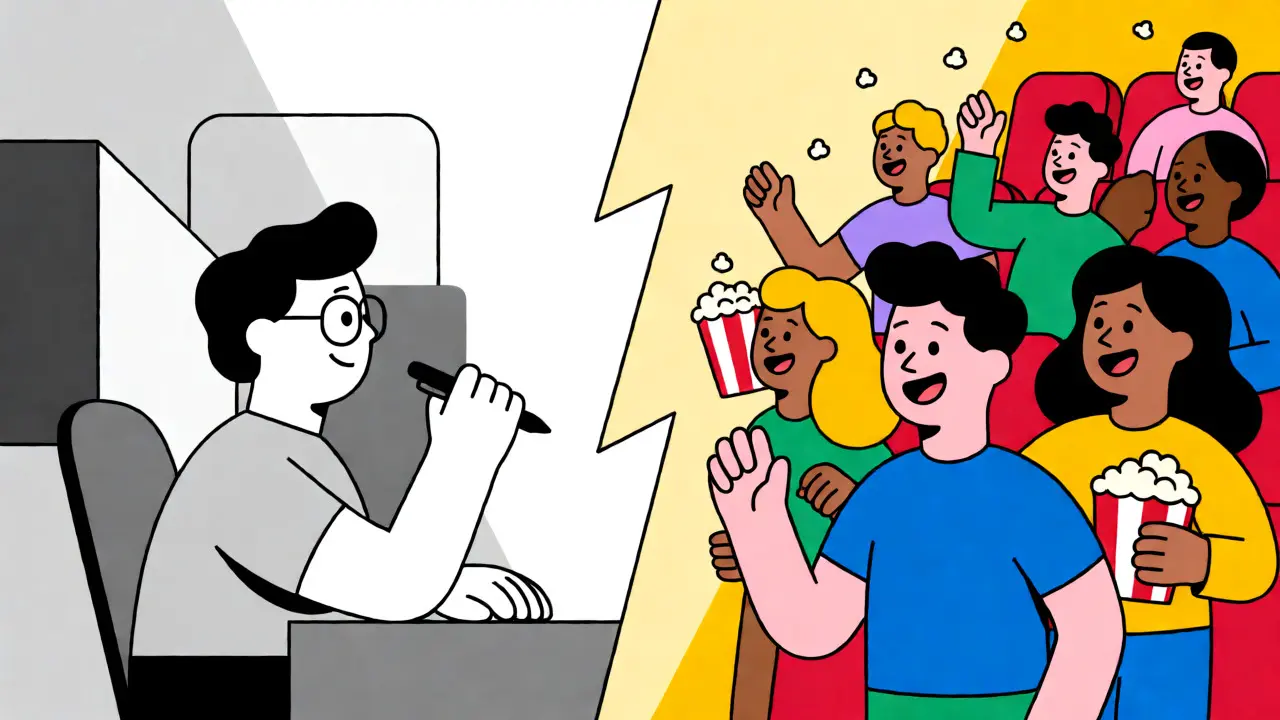
It’s a cliché now, but the gap between critic scores and audience scores is real and measurable. On average, there is a significant correlation drop between professional reviews and public votes. Why does this happen? It comes down to expertise versus experience.
Critics are trained to evaluate craft. They look at lighting, pacing, script structure, and acting technique. They compare a new film against the entire history of cinema. Audiences, on the other hand, evaluate utility. Did this movie provide two hours of escape? Did it satisfy my craving for action? Did it make me feel something?
This divergence explains why Fast & Furious movies have terrible critic scores but loyal fanbases. Critics hate the lack of logic; fans love the spectacle. Neither group is wrong. They are playing different games. When you see a big discrepancy, ask yourself: What kind of movie-watcher am I? If you care about plot holes, trust the critics. If you care about vibes, trust the audience.
There is also a demographic factor. Critics are historically older, whiter, and more male than the general moviegoing population. While this is changing, legacy biases remain. Films targeting younger demographics or diverse casts sometimes receive harsher critical scrutiny until cultural norms catch up. Audience scores, being democratic, reflect current tastes more accurately, even if those tastes are fleeting.
Manipulation and Noise in Data
Don't assume every rating is honest. The industry knows that opening weekend scores drive ticket sales, so studios manipulate them. Review bombing is the most common tactic. Fans of a franchise might flood a site with 1-star reviews for a sequel they didn't like, skewing the average. Conversely, studios might encourage early screenings for superfans who are guaranteed to give high marks.
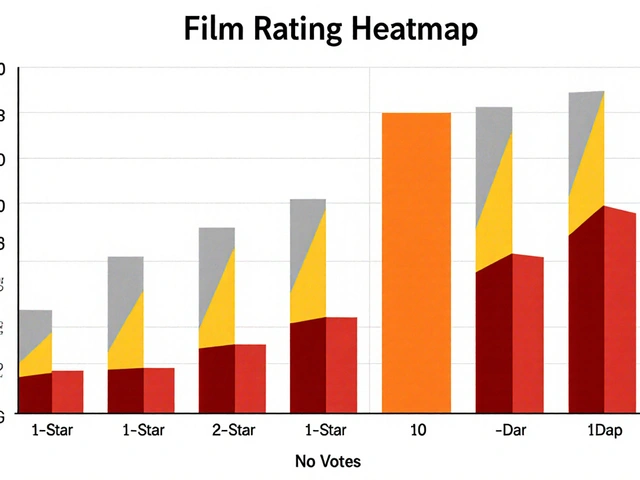
Bots are another problem. While platforms try to filter them, sophisticated networks can mimic human voting patterns. They wait a few days after release, vote in bursts, and leave generic comments. These artificial inflations or deflations can persist for months, affecting long-term perception. Always check the distribution of votes. If a movie has thousands of 1s and 10s but very few in between, it’s likely been bombed or boosted.
Another subtle form of noise is the "halo effect." If a director has a reputation for greatness, their next film starts with a higher baseline expectation. If it fails to deliver, the fall is harder. If it succeeds, the praise is exaggerated. This cognitive bias distorts ratings away from the content itself and toward the brand attached to it.
How to Use Ratings Wisely
So, how should you actually use these numbers? Stop looking at the headline score. Look at the details.
- Check the sample size: A 9.0 rating from 50 votes is meaningless. A 7.5 from 500,000 votes is statistically significant.
- Read the distribution: Is everyone happy, or is it polarized? A movie with lots of 10s and 1s is risky but potentially rewarding. A movie with mostly 7s is safe but forgettable.
- Filter by your preferences: On sites like Letterboxd or IMDb, you can follow users with similar taste profiles. If someone who loves horror gives a movie a 4, that tells you more than a generic 7.
- Ignore opening week scores: Wait at least two weeks. Early adopters are biased. Give time for the general audience to weigh in.
Ratings are tools, not verdicts. They help narrow down choices, but they shouldn't dictate your experience. The best way to know if a movie is good for you is to watch it with an open mind, ready to disagree with the crowd.
Why do Rotten Tomatoes scores seem misleading?
Rotten Tomatoes measures agreement, not quality. It calculates the percentage of critics who gave a "positive" review (usually 6/10 or higher). It doesn't matter if the positive reviews were lukewarm or enthusiastic. A movie can have a 90% score despite being merely "okay," or a 50% score despite having passionate defenders. It lacks nuance compared to weighted averages.
Are IMDb ratings accurate reflections of quality?
They are accurate reflections of popularity among IMDb users, not necessarily objective quality. IMDb users skew towards genre fans (sci-fi, horror, action). Blockbusters and cult classics often get inflated scores due to dedicated fan bases mobilizing to vote. Niche dramas may suffer from under-voting. It’s best used for gauging mainstream appeal rather than artistic merit.
What is review bombing?
Review bombing is when a large group of users leaves overwhelmingly negative reviews shortly after a release, often due to reasons unrelated to film quality (e.g., political controversy, casting choices, or fandom disputes). This artificially lowers the aggregate score before genuine audience feedback can stabilize the rating.
Do critics hate popular movies?
Not necessarily. Critics evaluate films based on cinematic standards like originality, technical execution, and narrative depth. Popular movies often prioritize mass appeal, familiar tropes, and spectacle, which can conflict with critical criteria for innovation. The disconnect is usually about differing priorities, not inherent hatred.
Which rating site is most reliable?
No single site is perfectly reliable. Metacritic is best for understanding critical consensus and technical merit. IMDb is useful for gauging general audience sentiment and popularity. Rotten Tomatoes is helpful for quick pass/fail decisions. For personalized recommendations, community-driven sites like Letterboxd or Trakt, where you can track friends' ratings, offer the highest predictive accuracy for individual taste.