24
Nonlinear Storytelling in Drama: How Memory, Time, and Character Shape the Narrative
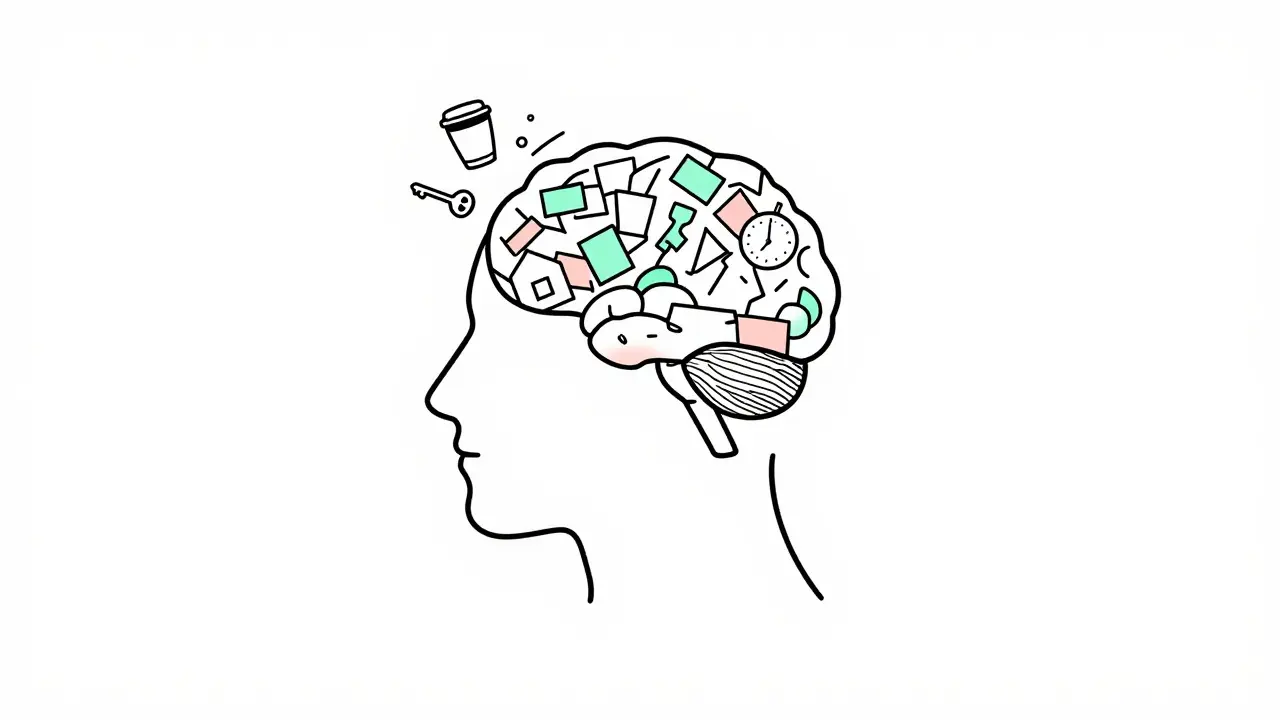
Imagine a story that doesn't start at the beginning. Instead of walking you through events from A to Z, it drops you in the middle, flashes back to childhood, jumps forward to a funeral, and then circles back to explain why the coffee cup broke. This is nonlinear storytelling, which is a narrative technique where events are presented out of chronological order to reflect psychological reality or thematic complexity. In drama, this isn't just a gimmick for confusion; it is a precise tool for exploring how humans actually experience life.
We don't live our lives in straight lines. We remember a smell that takes us back ten years while standing in a grocery store. We worry about tomorrow while sitting in a meeting today. When playwrights and screenwriters use nonlinear structures, they aren't breaking rules; they are mimicking the messy, fragmented way we process memory, time, and identity. If you want to understand modern drama, you have to stop looking for the plot and start looking for the pattern.
The Psychology of Fragmented Time
Traditional drama usually follows a linear arc: exposition, rising action, climax, falling action, resolution. It’s clean. It’s logical. But human memory is neither. When we recall trauma, joy, or even mundane details, we rarely retrieve them in sequence. We grab fragments. A face here, a phrase there, a sudden realization later. Nonlinear storytelling leverages this cognitive quirk.
In the realm of dramatic structure, which refers to the arrangement of scenes and acts to create emotional impact and meaning, nonlinearity forces the audience to become active participants. You aren't just watching what happens next; you are piecing together what happened before. This creates a sense of discovery. The audience feels like a detective, connecting dots that the characters themselves might not see until the end.
Consider how shock works. If a play starts with a happy family dinner and ends with a divorce, the emotion is sad. But if it starts with the silence of an empty house, then flashes back to the laughter of that same dinner, the emotion is haunting. The context changes everything. By rearranging time, the writer controls not just the information, but the emotional weight of that information.
- Chronological Order: Events happen in sequence (1, 2, 3). Best for clear cause-and-effect plots.
- Analepsis (Flashback): Jumping backward in time. Used to reveal backstory or motivation.
- Prolepsis (Flashforward): Jumping forward. Creates suspense or foreshadows tragedy.
- In Media Res: Starting in the middle. Grabs attention immediately by bypassing slow buildup.
Memory as a Narrative Device
Memory is unreliable. That’s a cliché in psychology, but it’s gold in drama. When a character remembers an event, they are not playing back a video file. They are reconstructing it based on their current feelings, biases, and needs. Nonlinear stories often exploit this subjectivity.
In many contemporary plays, the "truth" of the past shifts depending on who is telling the story. One scene might show a conversation between two lovers as romantic. Five minutes later, a flashback reveals the same conversation from the other person's perspective, showing manipulation instead. This technique highlights the gap between objective reality and subjective experience.
This approach connects deeply with the concept of psychological realism, which focuses on depicting the internal mental and emotional states of characters rather than just external actions. By breaking the timeline, writers can show us the inside of a character's head. We see the loops they get stuck in. We hear the voices they can't silence. The structure itself becomes a metaphor for obsession, grief, or regret.
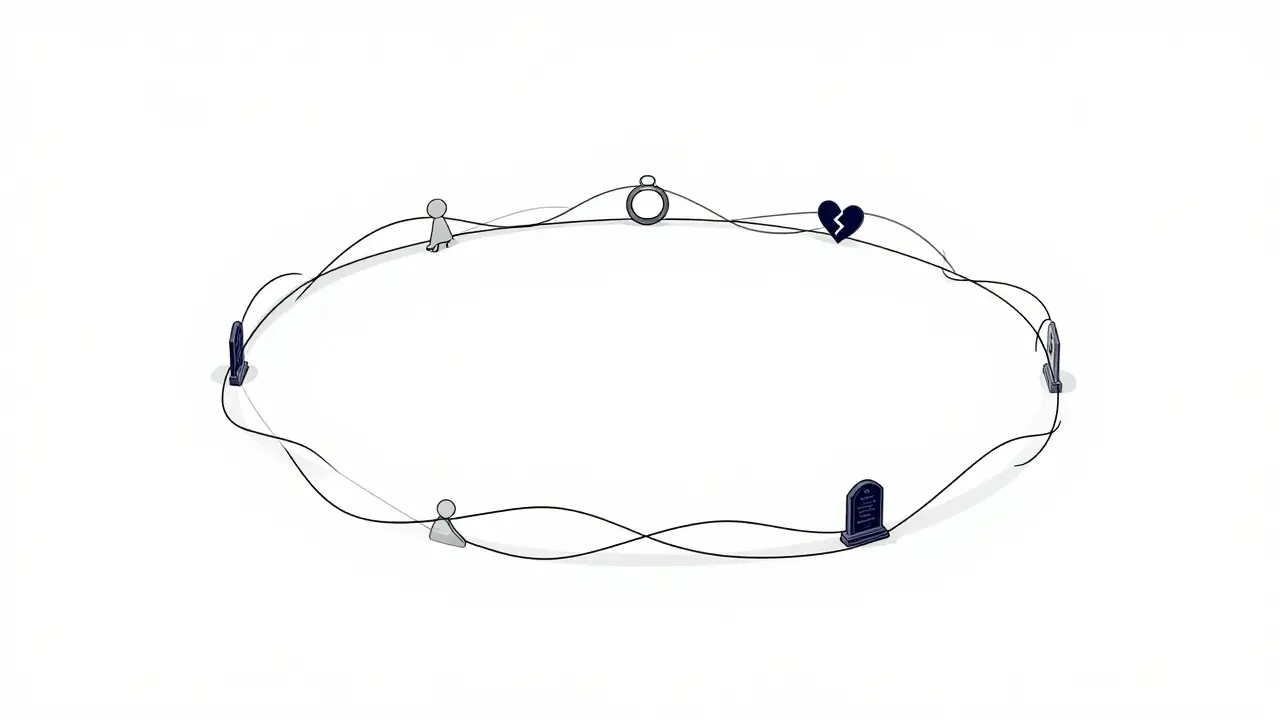
Think about a character dealing with loss. A linear story might show them crying at the funeral, then healing over months. A nonlinear story might jump between the day of the death, the day before, and five years later, all in one act. This mirrors how grief doesn't heal in a straight line. It hits in waves. The audience experiences those waves alongside the character, creating empathy through shared disorientation.
Character Development Through Disruption
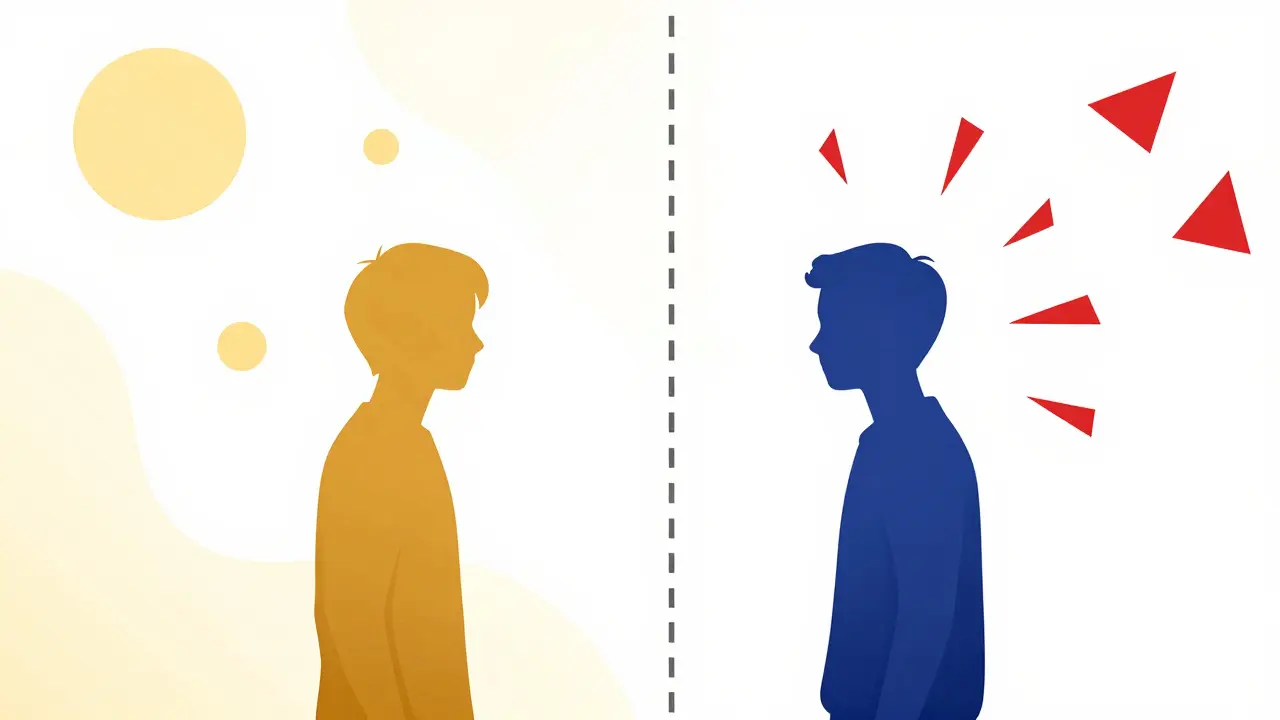
In linear stories, character development is often gradual. You see the flaws, then the struggle, then the growth. In nonlinear narratives, character revelation can be instantaneous or recursive. You might meet a character at their lowest point first, making every subsequent flashback feel like a countdown to disaster. Or you might see them at their peak, making the earlier scenes feel bittersweet because you know what’s coming.
This method allows for deeper exploration of character arc, which is the transformation or inner journey of a character over the course of the story. Instead of asking "What does the character want?", nonlinear drama asks "Why does the character remember this specific moment?" The selection of memories tells us more about the character than their dialogue ever could.
For example, if a character constantly returns to a minor incident from their childhood-a lost toy, a harsh word-it signals that this unresolved issue drives their present behavior. The repetition in the structure emphasizes the psychological loop. The character isn't moving forward in time, so they aren't moving forward emotionally. The audience sees the trap clearly, even if the character doesn't.
This also applies to ensemble casts. In a linear story, following multiple characters can get messy. Nonlinear structures can weave different timelines together, showing how separate lives intersect at critical moments. You see Character A making a choice in 1990, then cut to Character B reacting to the consequences in 2020. The connection isn't physical; it’s causal. The structure maps the ripple effects of human action across decades.
Structural Techniques in Modern Drama
How do you actually build a nonlinear play? It requires careful planning. You can’t just throw scenes around randomly. Every jump in time must serve a purpose: to contrast, to clarify, or to confuse intentionally.
| Structure Type | Description | Best Used For |
|---|---|---|
| Mosaic | Scenes are arranged thematically rather than chronologically. | Exploring complex themes or social issues. |
| Loop | The story ends where it began, revealing new meaning. | Stories about fate, addiction, or cycles of abuse. |
| Convergent | Multiple timelines move toward a single climactic moment. | Mystery dramas or thrillers. |
| Fragmented | Disjointed scenes that require audience assembly. | Experimental theater or stories about mental illness. |
One popular technique is the "bookend" structure. The play opens with a scene, closes with the same scene, but now you understand it differently. Another is the "parallel timeline," where two periods run side-by-side, highlighting similarities or contrasts. For instance, a play about a mother and daughter might alternate between the mother’s youth and the daughter’s adulthood, showing how history repeats itself.
Lighting and sound design become crucial here. Since the set might not change dramatically, cues signal time shifts. A shift in lighting color might indicate a flashback. A specific song might anchor a particular era. These sensory markers help the audience navigate the temporal jumps without getting lost. If the audience is confused about *when* they are, they disengage. Clarity of time, even within chaos, is essential.
Pitfalls and Challenges
Nonlinear storytelling is risky. If done poorly, it feels pretentious or confusing. The biggest mistake writers make is prioritizing cleverness over clarity. Just because you *can* jump around in time doesn't mean you *should*. Every structural choice must enhance the story, not distract from it.
A common pitfall is the "flashback dump." Writers sometimes use flashbacks simply to deliver exposition-background info that would be boring in the present. This breaks immersion. Instead, integrate backstory into the present action. Let characters argue about the past in real-time, or reveal details through subtext. Use flashbacks only when the visual contrast adds emotional power.
Another challenge is pacing. Linear stories have a natural rhythm. Nonlinear ones can feel erratic. To fix this, establish a "present" timeline as the anchor. Even if the story jumps around, keep returning to the main thread. This gives the audience a home base. Without an anchor, the story drifts, and the emotional stakes dissolve.
Also, consider your audience. Experimental theatergoers might enjoy total fragmentation. Mainstream audiences need more guidance. Know who you are writing for. If you’re writing for a general stage, provide enough signposts-dialogue clues, prop usage, costume changes-to orient viewers. Don’t make them work too hard to follow the basic plot. Save the mystery for the deeper meanings.
Examples in Contemporary Works
To see these principles in action, look at recent successes in drama. Plays like Hamilton use nonlinear elements sparingly but effectively, such as the song "The Room Where It Happens," which reflects on future consequences while happening in the present. More radically, works by playwrights like Sarah Ruhl or Annie Baker often disrupt time to explore intimacy and memory.
In film, movies like Memento or Eternal Sunshine of the Spotless Mind demonstrate how nonlinear structure can mirror cognitive processes. While these are films, the techniques translate directly to stage drama. The key is adapting the medium. On stage, you can’t edit quickly. Transitions must be fluid. Actors carry the timeline in their bodies and voices.
These examples prove that nonlinear storytelling isn’t a trend; it’s a fundamental evolution in how we tell stories. As society becomes more digital, fragmented, and fast-paced, our attention spans and memories adapt. Drama reflects this. We crave stories that feel true to our internal experience, not just our external calendar.
What is the difference between linear and nonlinear storytelling?
Linear storytelling presents events in chronological order, from start to finish. Nonlinear storytelling disrupts this order, using flashbacks, flashforwards, or disjointed sequences to reflect psychological truth or thematic depth.
Why do writers use nonlinear structures in drama?
Writers use nonlinear structures to mimic human memory, create suspense, reveal character psychology, and engage the audience actively in piecing together the narrative. It adds layers of meaning beyond simple plot progression.
How does memory affect nonlinear storytelling?
Memory is subjective and fragmented. Nonlinear stories use this trait to show how characters perceive the past differently, often revealing biases, traumas, or idealized versions of events that drive their present actions.
Is nonlinear storytelling harder to write?
Yes, it requires meticulous planning to ensure coherence. Writers must maintain clear temporal anchors and ensure each scene serves a specific emotional or thematic purpose, avoiding confusion for the audience.
Can nonlinear storytelling be used in any genre?
While most common in drama, thriller, and experimental theater, nonlinear techniques can be adapted to comedy, romance, or historical pieces. However, they require careful execution to avoid undermining the genre's conventions.