11
Martin Scorsese: The Master of Crime Cinema Explained
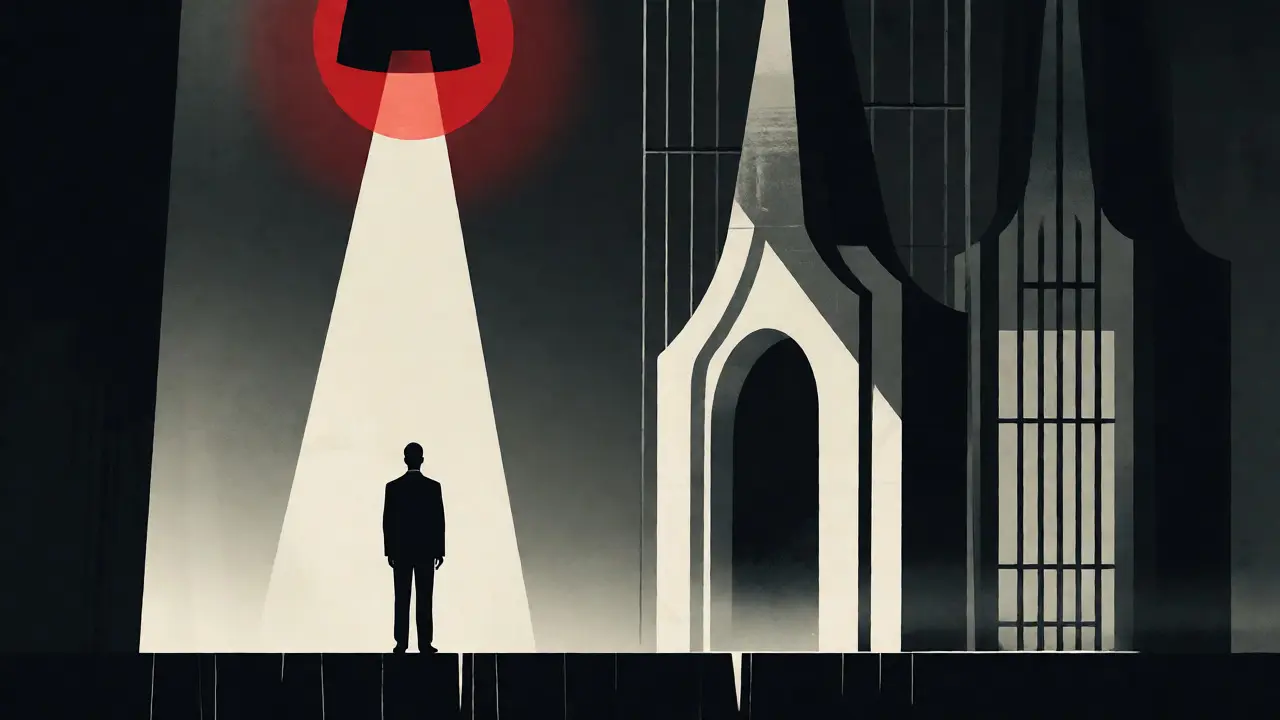
Most people think of Martin Scorsese as the guy who made gangsters look cool. But if you actually sit down and watch his films with a notebook in hand, you realize something else is happening. He isn't just filming guys shooting each other. He is filming guilt. He is filming the slow, agonizing process of a man realizing he has sold his soul for money, power, or respect. That distinction changes everything about how we view crime cinema.
This essay breaks down why Scorsese dominates this genre. We are not looking at box office numbers here. We are looking at camera angles, editing rhythms, and the specific way he uses music to manipulate your emotions. If you want to understand what makes a crime movie feel real rather than like a cartoon, you need to look at how this director constructs his worlds.
The Architecture of Guilt
Traditional crime movies often focus on the action. Who shot whom? How much money did they steal? Scorsese flips that script. His central character is rarely defined by what they do, but by how they feel about it. Take Travis Bickle in Taxi Driver. He isn't a mob boss. He is a lonely cab driver whose internal monologue is so toxic it eventually explodes into violence. The "crime" here is psychological before it is physical.
In Goodfellas, Henry Hill doesn't worry about the law until the very end. For most of the film, he worries about being boring. This is a crucial insight into the criminal psyche. It’s not always about greed; it’s about status. Scorsese understands that for many characters, the crime is secondary to the lifestyle. The audience gets seduced by the fast cars and the clubs, only to be horrified when the bill comes due.
| Film Title | Release Year | Primary Theme | Narrative Device |
|---|---|---|---|
| Mean Streets | 1973 | Catholic Guilt vs. Street Loyalty | Documentary-style handheld camerawork |
| Goodfellas | 1990 | The Glamour of the Criminal Life | Direct address to camera (breaking the fourth wall) |
| Casino | 1995 | Control and Chaos | Non-linear storytelling and voiceover |
| The Departed | 2006 | Identity and Paranoia | Split-screen techniques and parallel editing |
The Soundtrack as a Character
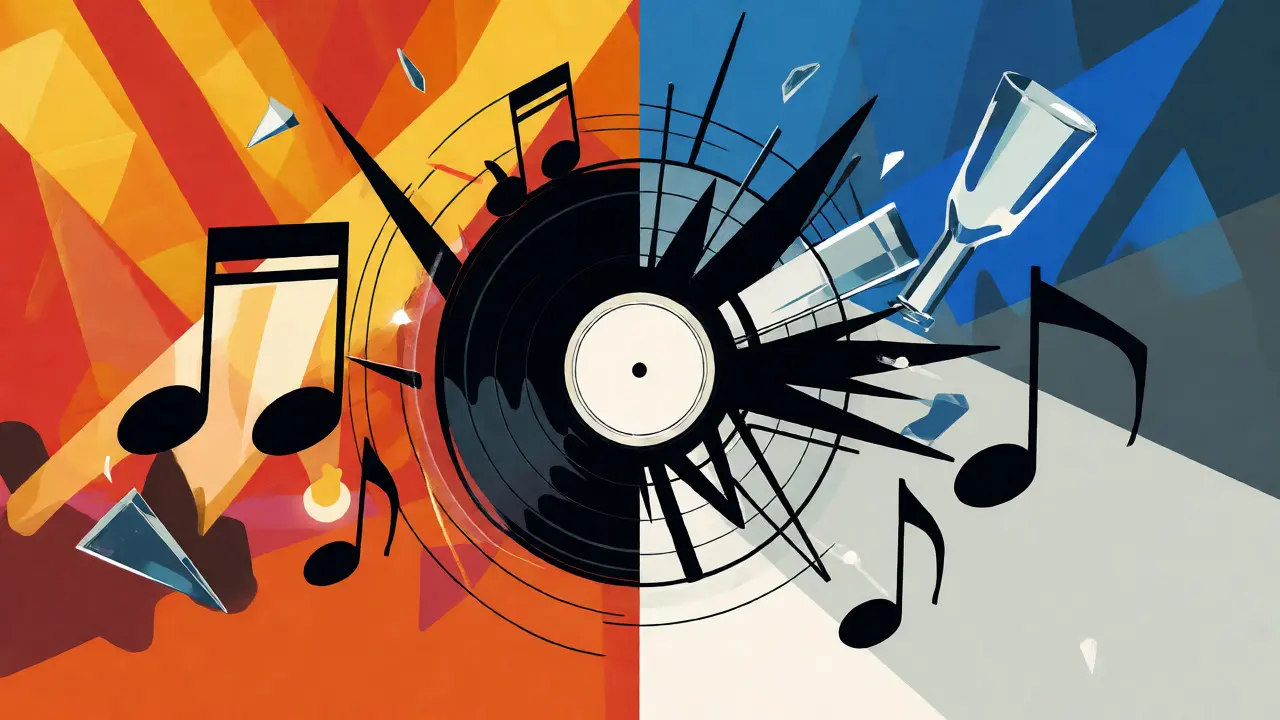
You cannot talk about Scorsese without talking about rock and roll. Before him, crime movies used orchestral scores. Strings swelling when the hero dies. Pianos tinkling during romantic moments. Scorsese threw that out the window. He started using popular music from the era in which the film was set. In Goodfellas, the song "Layla" plays during a brutal murder scene. It sounds upbeat. It sounds like a party. And that dissonance makes the violence feel even more disturbing because life goes on around the tragedy.
This technique is called contrapuntal sound. It means the audio contradicts the visual. When you hear a cheerful pop song while watching someone get beaten up, your brain tries to reconcile the two inputs. The result is a sense of unease. Scorsese mastered this early on. He realized that the soundtrack shouldn't just support the mood; it should challenge it. This approach influenced countless directors after him, from Guy Ritchie to Quentin Tarantino, though Tarantino takes it to more extreme levels.
The Long Take and the Moving Camera
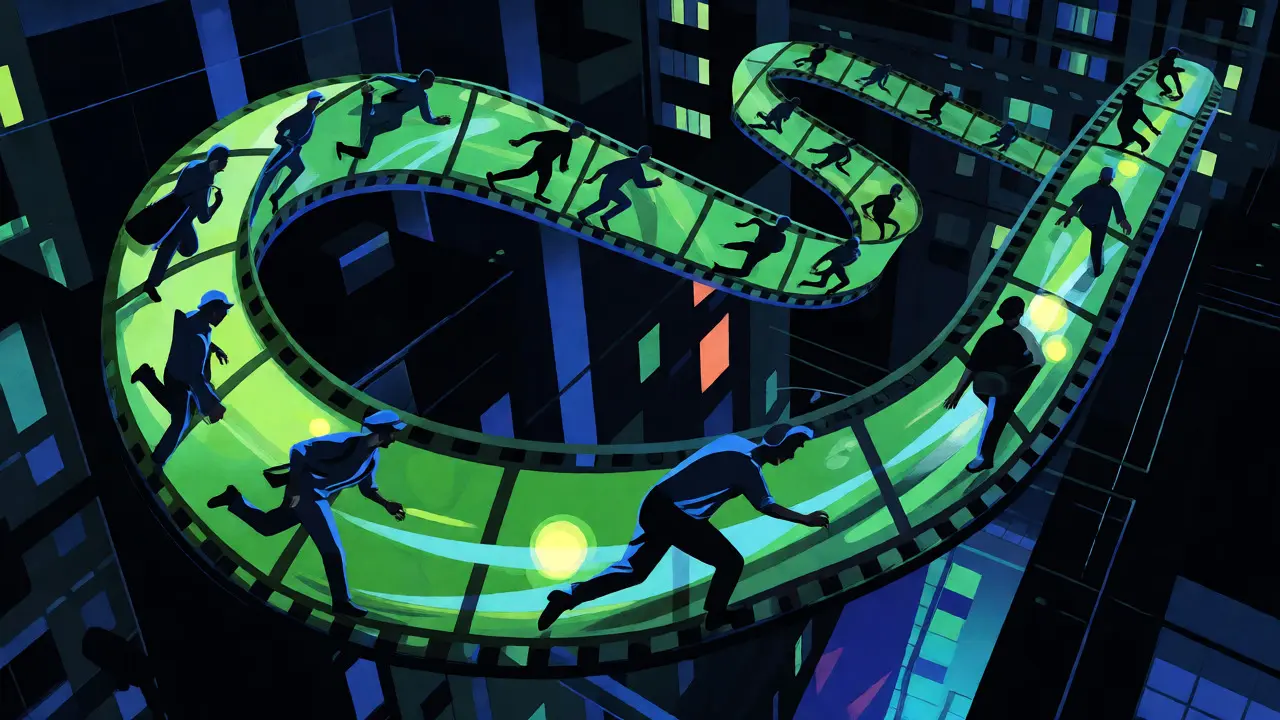
Watch the famous Copacabana sequence in Goodfellas. Henry Hill walks through the kitchen, past the cooks, out onto the floor, and straight to a table. The camera follows him in one continuous shot. There are no cuts. No edits. You are there with him. You feel his confidence. You feel his entitlement. A static camera would have made this a simple establishing shot. The moving camera makes it an experience.
Scorsese uses long takes to create intimacy. He wants you inside the headspace of the protagonist. When the camera moves, it mimics the erratic, high-energy state of mind of his characters. They are always on edge, always performing. The camera never rests because neither do they. This kinetic energy is a hallmark of his style. It keeps the audience engaged, breathless, and slightly anxious, mirroring the tension of living a double life.
Catholic Roots and Moral Ambiguity
Scorsese grew up in Little Italy, New York City, surrounded by strict Catholic teachings. This background bleeds into every frame he shoots. His characters are constantly seeking redemption, yet they seem incapable of achieving it. Father Flynn in True Confessions or the priests in Kundun reflect this obsession. But it is most potent in his crime films.
Consider Jake LaMotta in Raging Bull. He beats his wife and his brother because he feels unworthy of love. He seeks punishment. The boxing ring becomes a confessional booth where he confesses his sins through pain. Scorsese suggests that these men are trapped in a cycle of sin and punishment. They know they are wrong, but they lack the moral framework-or the will-to change. This adds a layer of tragedy to the crime. It is not just bad behavior; it is spiritual decay.
Collaborations That Define a Legacy
No director works alone. Scorsese’s vision was shaped heavily by his collaborators. Editor Thelma Schoonmaker has cut almost all of his major films since Raging Bull. Her editing style is rhythmic and precise. She matches cuts to the beat of the music, creating a seamless flow between scenes. Without her, the chaotic energy of his films might just feel messy.
Then there is Robert De Niro. Their partnership spans decades. De Niro embodies the intense, internalized rage that Scorsese loves to explore. Later, Leonardo DiCaprio took up that mantle. Both actors understand how to play men who are crumbling from the inside out. These partnerships allowed Scorsese to push boundaries in performance direction. He trusts his actors to improvise and react naturally, which lends authenticity to the heightened drama.
Why It Matters Today
We live in an age of prestige TV crime dramas. Shows like The Sopranos and Ozark owe a massive debt to Scorsese. They adopted his focus on family dynamics within criminal organizations. They adopted his use of dark humor amidst violence. They adopted his refusal to glorify the lifestyle without showing its cost.
If you are studying film, or just trying to improve your own video editing skills, look at how Scorsese transitions between scenes. He often uses match cuts-linking two different shots based on similar shapes or movements. This creates subconscious continuity. It guides the viewer’s eye smoothly. It is a technical trick, but it serves an emotional purpose. It keeps the story moving forward without jarring interruptions.
Understanding Scorsese is not just about appreciating old movies. It is about understanding how to tell a human story in a violent context. He proves that crime cinema can be art. It can be deep, funny, sad, and technically brilliant all at once. Next time you watch one of his films, turn off the sound for a minute. Watch the faces. Then turn it back on. Listen to the silence between the lyrics. That is where the truth lies.
What defines Martin Scorsese's directing style?
His style is characterized by the use of long tracking shots, rapid editing synchronized with rock music, and a focus on the psychological interiority of his characters. He frequently breaks the fourth wall and uses voiceovers to provide subjective narration.
Which actor has collaborated with Scorsese the longest?
Robert De Niro has worked with Scorsese on eight feature films, starting with Born to Kill (1967) and including classics like Taxi Driver, Raging Bull, and Goodfellas. More recently, Leonardo DiCaprio has become his primary muse.
How does Scorsese use music differently than other directors?
He uses diegetic and non-diegetic popular music from the film's era to create emotional contrast. Instead of traditional orchestral scores, he uses songs that reflect the cultural moment, often employing contrapuntal sound where happy music accompanies violent or tragic scenes.
Is Goodfellas considered a documentary?
No, it is a narrative feature film. However, it employs documentary-like techniques such as handheld cameras, natural lighting, and direct address to the camera to create a sense of realism and immediacy.
What role does religion play in Scorsese's crime films?
Religion, specifically Catholicism, provides the moral framework against which his characters rebel. Themes of guilt, redemption, and sin are central to his narratives, suggesting that his criminals are spiritually conflicted rather than purely evil.