25
Pluto TV vs. Tubi vs. Freevee vs. Paid Lite: The 2026 Streaming Showdown

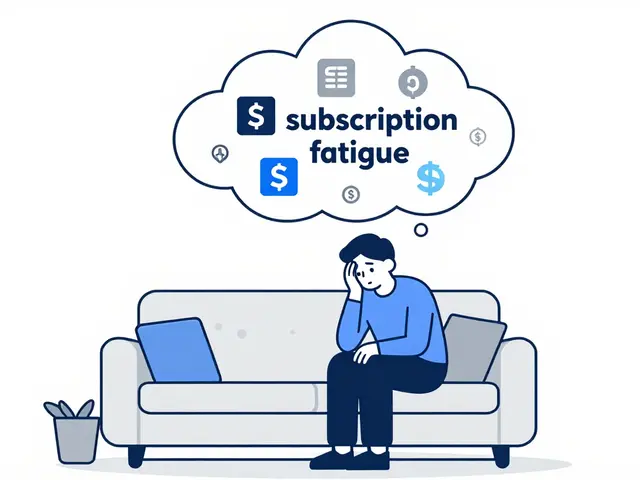
You’re sitting on your couch, ready to watch something, but your wallet is feeling the pinch. Subscription fatigue is real in 2026. You have Netflix, Disney+, Max, maybe even a niche service for documentaries, and between them, you’re paying more than your old cable bill ever was. But here’s the twist: you don’t actually need all those paid plans to get good content. There’s a whole ecosystem of free streaming services and low-cost "lite" tiers that are fighting for your attention with ads instead of dollars.
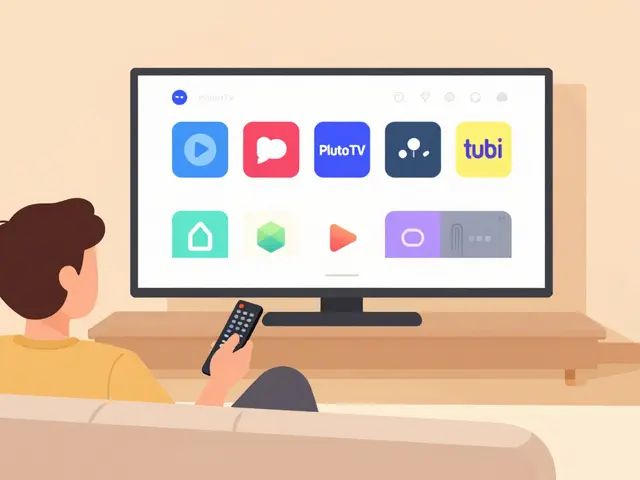
The landscape has shifted dramatically over the last few years. What used to be just a handful of obscure sites is now a battleground involving major players like Paramount, Fox, and Amazon. The big question isn’t just which service is free-it’s whether the ad experience is tolerable enough to keep you watching, or if you should pay a small fee for a cleaner experience. Let’s break down the heavy hitters: Pluto TV is a free, ad-supported streaming service owned by Paramount Global that offers live channels and on-demand content., Tubi is a free ad-supported video-on-demand service owned by Fox Corporation with a vast library of movies and TV shows., Amazon Freevee is Amazon's free ad-supported streaming service featuring original series and licensed content integrated into the Prime Video interface., and the emerging world of paid lite tiers from giants like Disney+ and Paramount+.
How Ad-Supported Streaming Actually Works
Before we dive into the specific apps, it helps to understand the trade-off. These services operate on an AVOD (Advertising-Based Video On Demand) model. In simple terms, you pay with your time, not your credit card. When you click play, you aren’t just watching a movie; you’re viewing a product placement opportunity for advertisers.
The key metric here is CPM-cost per mille, or the price advertisers pay for every thousand views. For these platforms to survive, they need high volume. That’s why their libraries are massive but often lack the newest blockbusters. You won’t find the latest Marvel film on Tubi day-and-date. Instead, you’ll find deep cuts, cult classics, and older seasons of popular shows. The upside? It’s genuinely free. No trial periods, no credit card required, and no surprise charges six months later.
However, the ad load varies. Some services insert four minutes of ads per hour, while others might hit you with six. If you’re sensitive to interruptions, this matters. Let’s look at how each platform handles this balance.
Pluto TV: The Digital Cable Replacement
If you miss the simplicity of turning on the TV and seeing what’s on, Pluto TV is your best bet. Owned by Paramount, it mimics traditional cable with hundreds of linear channels. You don’t search for a movie; you browse through categories like News, Comedy, or Crime, and pick a channel that’s currently airing something interesting.
Pluto TV leverages Paramount Global’s extensive library, offering exclusive content from CBS, MTV, Nickelodeon, and Comedy Central. This means you can catch reruns of SpongeBob SquarePants, live news updates from CNN, or classic episodes of Curb Your Enthusiasm without any effort. The interface is intuitive, resembling a cable guide, which appeals to older demographics or anyone who suffers from decision paralysis.
The downside? You can’t always choose exactly when you want to watch. If a show starts late, you might have to wait for the next cycle. However, Pluto does offer an on-demand section, though it’s smaller than its linear lineup. The ad frequency is moderate, usually around four minutes per hour, which feels comparable to broadcast TV.
- Best for: Passive viewers who want a "set it and forget it" experience.
- Content Strength: Live news, sports highlights, and classic TV reruns.
- Ad Load: Moderate (approx. 4-5 minutes/hour).
- Device Support: Smart TVs, Roku, Fire TV, mobile, web.
Tubi: The Deep Library of Hidden Gems
If Pluto TV is cable, Tubi is a massive video store. Owned by Fox Corporation, Tubi focuses heavily on video-on-demand content rather than live channels. Its library is staggering, boasting over 50,000 titles as of 2026. While it doesn’t have the same brand power as Paramount, it makes up for it with sheer volume and variety.
Tubi excels at genre-specific content. Love horror? They have a dedicated section with everything from slasher classics to indie chills. Into anime? They’ve secured rights to thousands of hours of animated series. The algorithm is surprisingly good at recommending obscure films you didn’t know existed but end up loving. Because it’s on-demand, you control the start time. No waiting for the commercial break to end before the next episode begins.
The ad experience on Tubi can be slightly heavier than Pluto, sometimes reaching six minutes per hour. However, the ads are often shorter and less intrusive during key plot moments. Tubi also offers a seamless integration with social media, allowing you to share clips easily, which helps build community around lesser-known titles.
- Best for: Binge-watchers and genre enthusiasts (horror, romance, anime).
- Content Strength: Massive back catalog, indie films, and international content.
- Ad Load: Variable (4-6 minutes/hour).
- Device Support: Nearly universal, including older smart TVs.
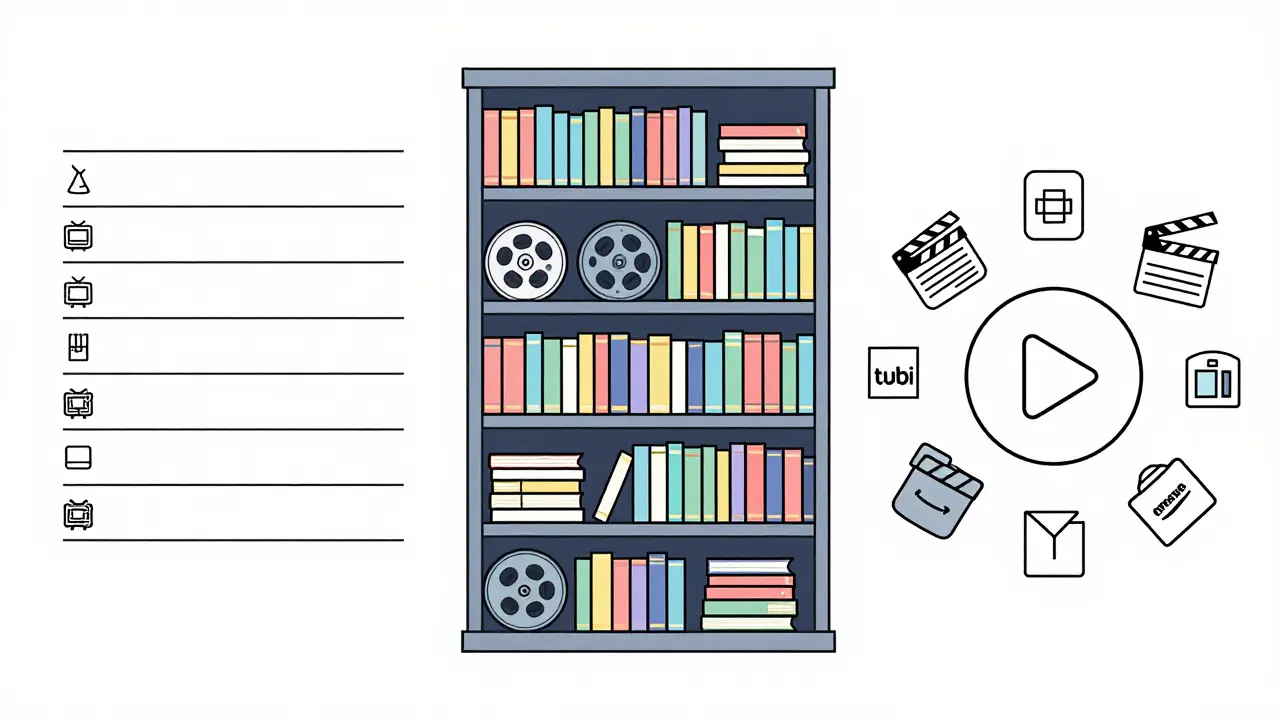
Amazon Freevee: Premium Content Without the Prime Tag
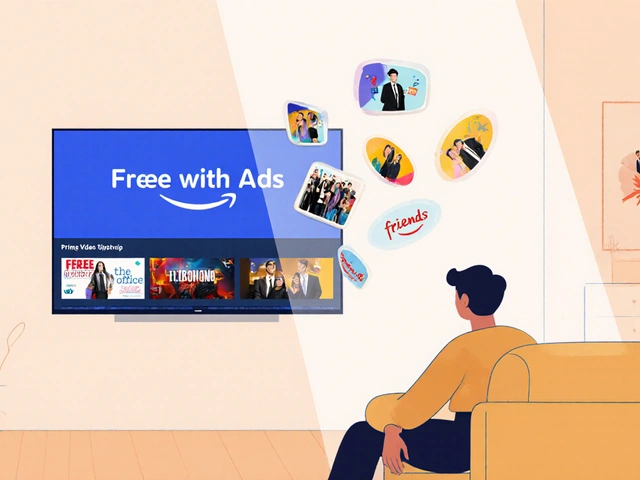
Amazon rebranded its free tier from IMDb TV to Amazon Freevee to highlight its investment in original programming. Unlike Pluto and Tubi, which rely mostly on licensed content, Freevee produces high-budget originals like Jurassic World: Camp Cretaceous and Bosch: Legacy. This gives it a unique edge: you get premium-quality shows that feel like they belong on a paid subscription service.
Freevee is integrated directly into the Prime Video app, which is convenient if you already use Amazon devices. You don’t need a separate app; just switch profiles. The interface is clean, modern, and familiar to Prime users. However, this integration can be confusing. Sometimes it’s hard to distinguish between free content and what requires a Prime subscription until you try to play it.
The ad load on Freevee is competitive, typically around five minutes per hour. Amazon uses its vast data analytics to serve targeted ads, which can feel personalized but also invasive depending on your privacy settings. The benefit is that the production value of the ads is often higher, making them less jarring than random local commercials.
- Best for: Viewers who want original series and high-production-value content.
- Content Strength: Exclusive originals, recent hit movies, and Amazon Studios releases.
- Ad Load: Moderate-High (5-6 minutes/hour).
- Device Support: Best on Fire TV, Prime Video apps, and web.
Paid Lite Tiers: Is $5 Worth It?
In 2026, many major streamers introduced "Lite" or "Basic with Ads" tiers. Disney+, Paramount+, and Peacock all offer plans that cost roughly half the price of their standard subscriptions. So, why pay $5-$7 a month when Tubi is free?
The answer lies in exclusivity and recency. If you want to watch the latest Star Wars series, the newest Marvel movie, or current-season episodes of Grey’s Anatomy, you can’t get them on free platforms. Free services lag behind by months or years. Paid lite tiers bridge the gap between expensive full subscriptions and completely free ad-heavy options.
Additionally, the ad load on paid lite tiers is generally lower and less aggressive. Disney+ Basic, for example, limits ads to two minutes per hour, compared to the four-to-six minutes on free platforms. For families or dedicated fans of specific franchises, the math works out. If you watch more than ten hours a month, the per-hour cost drops significantly.
| Feature | Pluto TV | Tubi | Amazon Freevee | Disney+ Lite |
|---|---|---|---|---|
| Monthly Cost | $0 | $0 | $0 | $6.99 |
| Live Channels | Yes (Hundreds) | No | Limited | No |
| Original Content | No | No | Yes (High Quality) | Yes (Exclusive) |
| Ad Frequency | ~4 mins/hr | ~5 mins/hr | ~5 mins/hr | ~2 mins/hr |
| Latest Blockbusters | No | No | Sometimes | Yes |

Which Service Should You Choose?
Your choice depends entirely on your viewing habits. Are you a casual scroller who wants background noise? Go with Pluto TV. Do you love hunting for hidden gems and binge-watching entire seasons of obscure dramas? Tubi is your friend. Want high-quality originals without committing to a full Prime subscription? Stick with Freevee.
If you’re a fan of specific franchises-Marvel, Star Wars, Pixar-the paid lite tiers are unavoidable. But consider mixing and matching. Use free services for general entertainment and rotate paid lite subscriptions quarterly. Watch all the new Marvel stuff in Q1, cancel, then switch to Paramount+ for Q2 sports and drama. This strategy keeps costs low while maximizing access to fresh content.
Don’t overlook the technical aspects either. Check if your smart TV supports these apps natively. Older models might struggle with Tubi’s interface or lack Freevee entirely. Using a streaming stick like Roku or Fire TV ensures compatibility across all platforms.
The Future of Free Streaming
As competition heats up, expect more consolidation. We might see Tubi acquire smaller niche players or Pluto TV expanding its original content budget. The line between free and paid will continue to blur, with more services adopting hybrid models. Privacy concerns will also grow, as ad-targeting becomes more sophisticated. Keep an eye on your data settings to control what information you share with these platforms.
Ultimately, the rise of free streaming empowers viewers. You no longer need to be locked into expensive bundles to enjoy quality entertainment. By understanding the strengths and weaknesses of each platform, you can curate a personalized viewing experience that fits your budget and preferences. The key is flexibility-don’t let loyalty to one brand blind you to the better deals available elsewhere.
Is Pluto TV really free forever?
Yes, Pluto TV is completely free to use. It generates revenue through advertisements displayed during content playback. There are no hidden fees or subscription requirements.
Does Tubi require a credit card?
No, Tubi does not require a credit card for sign-up. You can create an account using just an email address or log in via social media accounts.
Can I download movies from Freevee to watch offline?
Currently, Amazon Freevee does not support offline downloads. You need an active internet connection to stream content. This feature is reserved for Prime Video subscribers.
Which service has the least amount of ads?
Among free services, Pluto TV generally has the lowest ad load at around 4 minutes per hour. Paid lite tiers like Disney+ Basic offer even fewer ads, typically around 2 minutes per hour.
Do I need a Prime subscription to use Freevee?
No, you do not need an Amazon Prime subscription to access Freevee content. It is available to all users, though it is integrated within the Prime Video app interface.
Are there any regional restrictions on these services?
Yes, availability varies by region. Pluto TV, Tubi, and Freevee are primarily available in the US, Canada, UK, and Australia. Content libraries may differ based on licensing agreements in each country.