17
Prime Video Regional Pricing: Why Costs Vary Globally in 2026
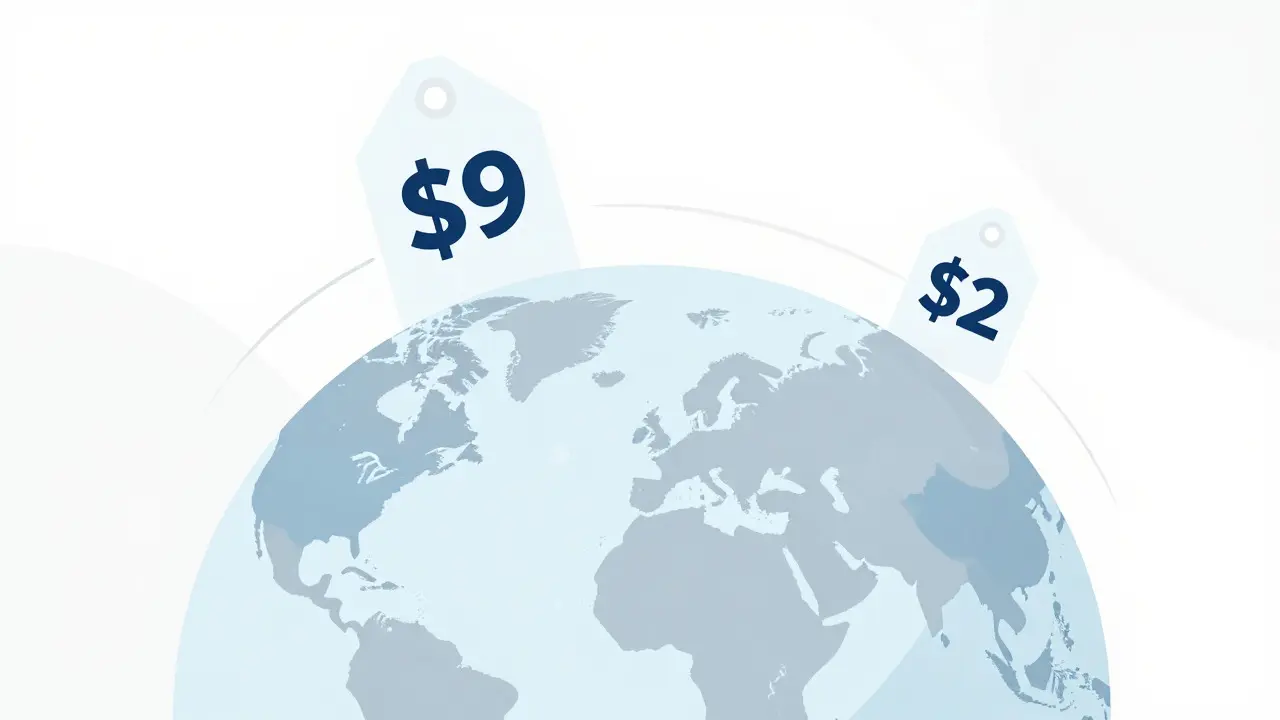
Why does a single movie cost $15 in the United States but only $3 in India? If you’ve ever traveled abroad or chatted with friends overseas, you’ve noticed that streaming services don’t charge the same price everywhere. This isn’t a glitch; it’s a deliberate strategy called geographic price discrimination. For Amazon Prime Video, a major player in the global entertainment market, this means your monthly bill depends entirely on where you plug in your router.
In 2026, understanding these regional differences is no longer just trivia-it’s essential for budgeting and accessing content. Whether you are looking to cut costs or wondering why your favorite show is unavailable, the answer lies in how Amazon structures its global operations. Let’s break down exactly how much Prime Video costs around the world and why those numbers look so different.
The Core Logic Behind Regional Pricing
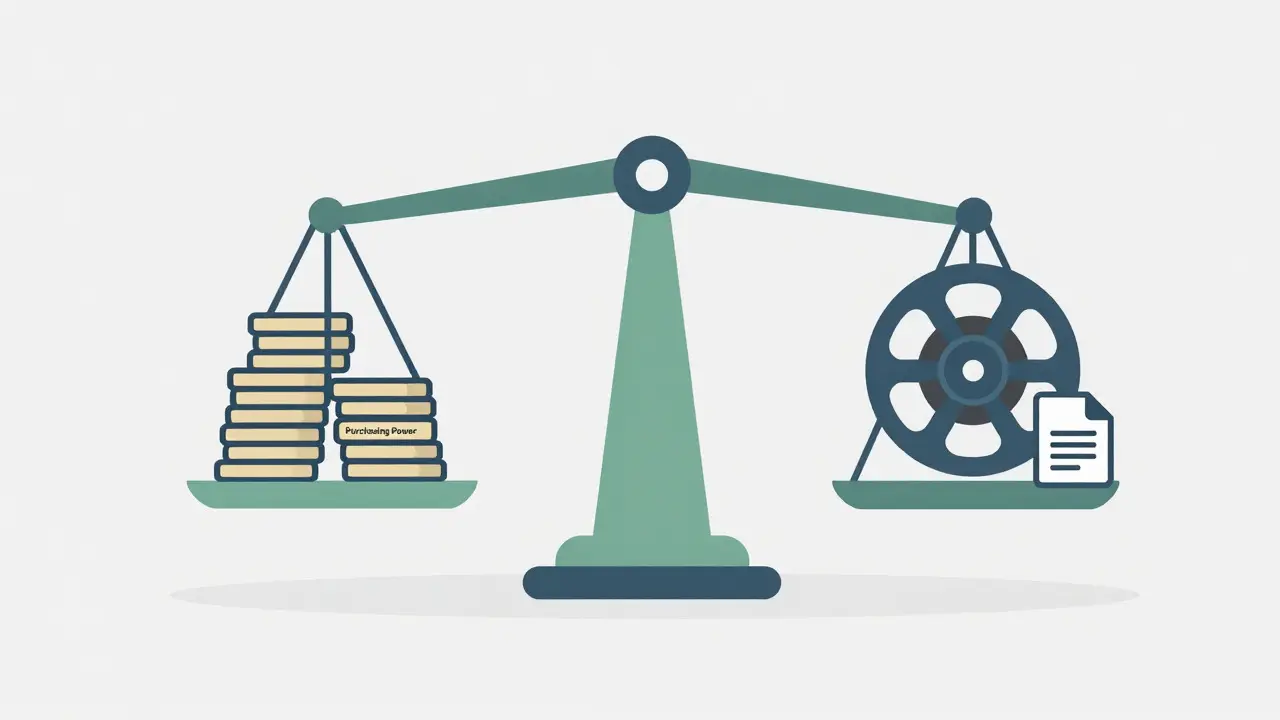
Amazon doesn’t pick prices out of a hat. The primary driver is Purchasing Power Parity (PPP). Simply put, a dollar goes further in Jakarta than it does in New York. If Amazon charged everyone the US rate, they would lose millions of potential subscribers in developing economies. Conversely, charging Indian prices to customers in Switzerland would leave money on the table.
However, PPP isn’t the only factor. Two other heavyweights influence the final number:
- Licensing Fees: Content rights are sold region-by-region. A blockbuster series might cost Amazon $50 million to license in the US, but only $5 million in Southeast Asia due to local market size. These costs are baked into the subscription fee.
- Tax Regulations: Value Added Tax (VAT) or Goods and Services Tax (GST) varies wildly. In Europe, VAT can add 20-27% to the base price. In some Asian markets, digital services tax is lower or nonexistent.
This creates a complex web where the "base" price looks similar across regions, but the final checkout total diverges significantly once taxes and local currency fluctuations are applied.
Prime Video Subscription Costs by Region in 2026
To give you a clear picture, here is how the standalone Prime Video plan compares across key markets. Note that prices fluctuate slightly with exchange rates, but these figures represent the standard annualized monthly cost as of mid-2026.
| Region | Currency | Monthly Cost | Annual Cost | Approx. USD Equivalent |
|---|---|---|---|---|
| United States | USD ($) | $8.99 | $107.88 | $8.99 |
| United Kingdom | GBP (£) | £8.99 | £107.88 | $11.40 |
| Germany/Europe | EUR (€) | €8.99 | €107.88 | $9.80 |
| Australia | AUD ($) | $14.99 | $179.88 | $9.50 |
| India | INR (₹) | ₹149 | ₹1,788 | $1.80 |
| Brazil | BRL (R$) | R$19.90 | R$238.80 | $3.90 |
| Japan | JPY (¥) | ¥990 | ¥11,880 | $6.50 |
As you can see, the gap is massive. A subscriber in India pays roughly 80% less than someone in the US. Even within developed nations, Australia often sees higher nominal prices due to the weaker Australian Dollar against the US Dollar, though the purchasing power impact is less severe than in emerging markets.
The Bundle Factor: Prime vs. Prime Video
One critical distinction many users miss is the difference between a standalone Prime Video subscription and the full Amazon Prime membership. In most regions, including the US, UK, and Germany, Prime Video is part of the larger Prime ecosystem.
When you buy full Prime, you get:
- Free two-day shipping on physical goods
- Access to Prime Music and Prime Reading
- Exclusive deals during events like Prime Day
In high-income countries, the standalone video option is often priced similarly to the full bundle because the shipping benefit is already highly valued. However, in regions where e-commerce logistics are still developing, such as parts of Southeast Asia or Latin America, the video-only tier is more prominent because the shipping infrastructure isn't yet seamless enough to justify the full bundle price for everyone.
Can You Exploit Regional Price Differences?
This is the question everyone asks. Can I use a Virtual Private Network (VPN) to connect to an Indian server and pay $1.80 instead of $9.00? Technically, yes. Legally and practically, it’s complicated.
Amazon has become increasingly aggressive in detecting and blocking VPN traffic. Their terms of service explicitly state that you must subscribe from the country where you reside. If their systems detect a mismatch between your IP address and your billing address, they may suspend your account without warning.
Furthermore, even if you bypass the payment hurdle, you face content fragmentation. The library available in India is not the same as the one in the US. By switching regions to save money, you might find that your favorite shows are missing entirely because licensing rights didn’t follow you across borders.
Hidden Costs: Taxes and Currency Conversion
When comparing prices, always look at the final amount charged to your card, not just the listed local price. Digital services are subject to local tax laws that can drastically alter the effective cost.
For example, in the European Union, the Digital Services Act mandates strict transparency in pricing. While the base price might be €8.99, the final charge could be €11.50 depending on the member state. In contrast, some countries exempt digital subscriptions from VAT, keeping the price lower.
Additionally, if you are traveling and using a credit card issued in a different country, your bank will apply a foreign transaction fee (usually 1-3%) plus dynamic currency conversion charges. This can easily erase any savings you thought you found by subscribing in a cheaper region.

Future Trends: Will Prices Converge?
Looking ahead to the rest of 2026 and beyond, analysts predict a slow convergence in pricing. As inflation hits developed nations, companies like Amazon may raise prices in the US and Europe to maintain margins. Meanwhile, as economies in Asia and Latin America grow, purchasing power increases, allowing Amazon to gradually raise prices there too.
We are also seeing a shift toward ad-supported tiers. Amazon has introduced lower-cost options with advertisements in several markets. This model allows them to offer a cheaper entry point for price-sensitive consumers while capturing revenue through ads rather than subscription fees alone. This trend is likely to expand globally, creating a new layer of complexity in regional pricing structures.
How to Choose the Right Plan for You
If you are trying to decide whether to stick with your current regional plan or explore alternatives, consider these steps:
- Check Your Local Bundle Value: Do you use Amazon for shopping? If you order groceries or electronics frequently, the full Prime bundle offers better value than video alone.
- Calculate True Annual Cost: Don’t just look at the monthly fee. Multiply by 12 and add any applicable taxes. Compare this to competitors like Netflix or Disney+ in your region.
- Assess Content Needs: Make a list of the top 5 shows you want to watch. Check if they are available in your home region. If not, no amount of saving on the subscription fee matters if you can’t watch what you want.
- Consider Family Sharing: Many regions allow profile sharing. Splitting the cost with household members can effectively halve your individual expense.
Understanding the mechanics behind Prime Video regional pricing empowers you to make smarter financial decisions. While the temptation to game the system exists, the risks of account suspension and content loss usually outweigh the modest savings. Instead, focus on maximizing the value of your local plan through bundling and smart viewing habits.
Is Prime Video cheaper in Europe or the US?
In nominal terms, the base price is very similar, often around €8.99 in Europe versus $8.99 in the US. However, when converted to USD, European prices can appear slightly higher due to exchange rates. But the real difference comes from taxes; European VAT can make the final cost 20-27% higher than the base price, whereas US sales tax varies by state and is sometimes not applied to digital services.
Can I change my Prime Video region to save money?
Officially, no. Amazon requires your billing address to match your country of residence. Using a VPN to switch regions violates their Terms of Service and can lead to account suspension. Additionally, you would lose access to content licensed specifically for your home country.
Why is Prime Video so cheap in India compared to the US?
The price difference is driven by Purchasing Power Parity (PPP). The average income in India is significantly lower than in the US, so Amazon sets prices that are affordable for the local population. Additionally, licensing costs for content in India are lower, and competition from local free-to-air TV and other low-cost streaming apps forces prices down.
Does Prime Video include ads in all regions?
Not necessarily. Amazon has been rolling out ad-supported tiers in various markets, but availability depends on the region. In some countries, the standard subscription remains ad-free, while others offer a cheaper plan with commercials. Always check the specific plan details for your country before subscribing.
What happens to my subscription if I move to another country?
If you relocate internationally, you need to update your account settings. Amazon typically allows you to transfer your subscription to a new region, but you may need to cancel your old plan and start a new one. Be aware that your rental purchases and some licensed content may not carry over due to regional licensing restrictions.