17
Rating Inflation Over Time: Are Movie Scores Getting Softer?

Walk into any streaming service or cinema lobby today, and you’ll likely see a film boasting an 85% score. Ten years ago, that same number would have signaled a masterpiece. Today, it often marks a forgettable blockbuster. This shift isn’t just a feeling; it’s a measurable trend known as rating inflation. As audiences and critics become more generous with their praise, the baseline for “good” keeps rising, making it harder to distinguish truly exceptional work from merely acceptable content.
The Data Behind the Rising Curve
To understand the scale of this phenomenon, we need to look at the major platforms where these scores live. The two most prominent are Rotten Tomatoes, which aggregates professional critic reviews, and IMDb, which relies on user ratings. Both show a clear upward trajectory over the last two decades.
According to data analyzed by The New York Times in recent years, the average Rotten Tomatoes score for films released between 2010 and 2023 was significantly higher than the average for films released in the 1990s. While exact averages fluctuate based on the specific sample size, the trend is undeniable: fewer movies receive low scores, and the median score has crept up steadily. On IMDb, the distribution of stars shows a similar pattern, with a growing cluster of films sitting in the 7.0 to 8.0 range, whereas previously, that range was reserved for critically acclaimed classics.
| Platform | Avg Score (1990s) | Avg Score (2010s) | Trend Direction |
|---|---|---|---|
| Rotten Tomatoes | ~65% | ~75-80% | Upward |
| IMDb | ~6.8/10 | ~7.2/10 | Upward |
Why Are We Giving Out More Stars?
If the movies aren’t necessarily getting better, why are the scores going up? Several psychological and structural factors contribute to this drift.
- The Halo Effect: Audiences often conflate production value with quality. With modern special effects and high-definition visuals, a film feels "polished" even if the script is weak. This visual polish triggers a positive emotional response, leading to higher scores.
- Fan Culture Loyalty: Franchise films benefit from built-in audiences who are predisposed to like them. If you grew up loving a superhero character, you’re less likely to give their new movie a low rating, regardless of plot holes. This loyalty skews user-based scores like those on IMDb.
- Critic Fatigue: Professional critics review dozens of films per month. To avoid burnout and negative energy, some may default to middling-to-positive scores rather than harsh critiques, unless a film is actively terrible. This raises the floor on Rotten Tomatoes scores.
- Algorithmic Pressure: Streaming platforms rely on engagement. A highly rated film gets pushed to more users. Studios, knowing this, sometimes market films aggressively to secure early positive buzz, creating a feedback loop where initial enthusiasm drives subsequent ratings.

The Impact on Viewer Decision-Making
When everything looks good, nothing stands out. This creates a paradox for viewers. You might spend hours scrolling through options, only to find that your top three choices all have nearly identical high scores. Which one do you pick? The decision becomes arbitrary, relying on thumbnail art or title recognition rather than substantive quality differences.
This erosion of signal clarity forces audiences to seek alternative metrics. Many viewers now look beyond the aggregate score to check individual reviews, watch trailers multiple times, or consult niche communities on Reddit or Discord. The simple percentage or star count is no longer enough to guide viewing habits. It’s become a starting point rather than a definitive answer.

How to Navigate Inflated Ratings
You don’t have to be a data scientist to spot a potentially overrated film. Here are a few practical heuristics to help you filter through the noise:
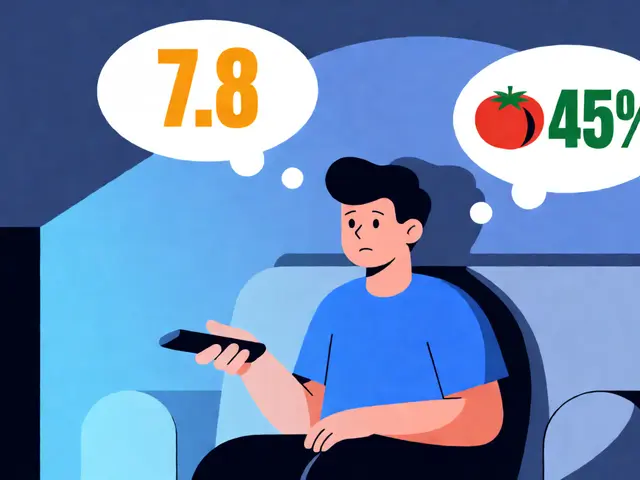
- Check the Audience vs. Critic Split: On Rotten Tomatoes, look at both the Critics’ Score and the Audience Score. If they diverge significantly (e.g., 90% critics, 40% audience), it often indicates a film that is technically proficient but lacks emotional resonance or mass appeal.
- Look at the Volume of Reviews: A high score based on 50 reviews is far less reliable than a high score based on 5,000. Statistical significance matters. Low-volume scores are more susceptible to outliers and fan bias.
- Read the Bottom End: Instead of reading the first five glowing reviews, scroll down to the lower-rated ones. Often, the criticisms in the 2-star and 3-star reviews highlight specific flaws (like pacing or dialogue) that the 4-star reviewers ignored.
- Contextualize the Genre: Action blockbusters tend to have higher baseline scores than indie dramas. Comparing a Marvel film’s 85% to a slow-burn thriller’s 85% isn’t apples-to-apples. Adjust your expectations based on genre norms.
The Future of Movie Scoring
Will rating inflation continue indefinitely? Probably not forever, but there’s no sign of a sharp correction yet. Platforms are aware of the issue. Some are experimenting with weighted scoring systems that give more weight to recent reviews or verified purchasers. Others are introducing "Certified Fresh" badges with stricter criteria to differentiate true standouts.
For now, the best defense against inflated scores is media literacy. Understanding how these numbers are generated-and the biases behind them-empowers you to make better viewing choices. The next time you see a 90% score, ask yourself: Is this a masterpiece, or just another well-marketed product riding the wave of general positivity? The answer might surprise you.
Is Rotten Tomatoes more accurate than IMDb?
Neither is inherently more accurate; they measure different things. Rotten Tomatoes reflects professional critical consensus, while IMDb reflects general audience opinion. For gauging artistic merit, critics may be more consistent. For predicting mainstream enjoyment, audience scores are often more relevant. However, both suffer from rating inflation, though for different reasons.
What causes rating inflation specifically on IMDb?
IMDb rating inflation is largely driven by fan culture and the "halo effect" of franchises. Fans of a character or series are predisposed to rate related films highly. Additionally, because anyone can vote, outlier groups (super-fans or haters) can skew scores more easily than on moderated platforms. The sheer volume of votes also means that popular, accessible films naturally accumulate higher scores due to broader appeal.
Does a high Rotten Tomatoes score guarantee a good movie?
No. A high score indicates that most professional critics gave it a positive review, but it doesn't account for personal taste. A film can be technically excellent (earning high critic scores) but boring or emotionally distant (leading to poor audience reception). Always cross-reference with audience scores and read individual reviews to gauge fit.
How has streaming changed movie ratings?
Streaming has accelerated rating inflation by reducing the barrier to entry for reviews. Viewers can rate a film immediately after finishing it, often while still emotionally invested. Furthermore, the lack of a traditional theatrical release window means films debut directly into a saturated digital space, competing for attention via algorithmic recommendations that favor high initial scores.
Are older movies unfairly penalized compared to newer ones?
Yes, this is a common complaint. Older films were rated in a different cultural context with different standards. When re-evaluated by modern audiences who expect faster pacing and higher visual fidelity, some classics may receive slightly lower relative scores. Conversely, modern films benefit from nostalgia-free assessments, though they face the counter-pressure of inflated contemporary baselines.