Dolby Atmos: Immersive Sound for Home Theater and Streaming
When you hear a helicopter fly overhead or rain falling from all sides, you’re not just listening—you’re inside the scene. That’s the power of Dolby Atmos, a surround sound technology that places audio objects in three-dimensional space instead of locking them to fixed channels. Also known as object-based audio, it lets filmmakers and sound designers put every whisper, footstep, or explosion exactly where it should be—in the air, behind you, or above your head. Unlike older surround systems that rely on a fixed number of speakers, Dolby Atmos adapts to your setup, whether you have a soundbar, a full home theater, or even headphones.
Dolby Atmos isn’t just for big theaters. It’s built into streaming services like Apple TV+, Disney+, and Amazon Prime Video, and it works with popular sound systems from Sonos, Yamaha, and Samsung. You don’t need a 7.1.4 speaker array to feel the difference—even a single Atmos-enabled soundbar can create height and depth by bouncing sound off your ceiling. The real magic happens when the sound moves naturally: a bird flying from left to right doesn’t just switch speakers—it glides smoothly through space. This kind of realism pulls you deeper into movies, games, and music.
What you need to get started? First, content that supports Dolby Atmos—look for the Dolby Atmos logo on streaming platforms or Blu-ray packaging. Second, a compatible player or device: Apple TV 4K, NVIDIA Shield, or newer smart TVs often have it built in. Third, a receiver or sound system that decodes Atmos. Most modern AV receivers and soundbars labeled "Dolby Atmos" will do the job. And if you’re using headphones? Many streaming apps now offer Atmos through virtualized spatial audio, so you don’t need extra gear at all.
Dolby Atmos doesn’t replace surround sound—it upgrades it. It’s why a quiet scene in a horror movie can make your skin crawl, not because of what you see, but because the creaking floorboard is coming from right behind you. It’s why action scenes in films like Dune or Top Gun: Maverick feel like you’re in the cockpit. And it’s why even music albums from artists like Beyoncé and Coldplay now come in Atmos, turning albums into immersive experiences you can walk through.
Below, you’ll find real-world guides on how to set up Atmos at home, which streaming services actually deliver it well, how to tell if your system is using it, and why some people still don’t notice the difference—even when it’s there. Whether you’re just curious or ready to upgrade your setup, the articles here cut through the hype and show you exactly what matters.
5
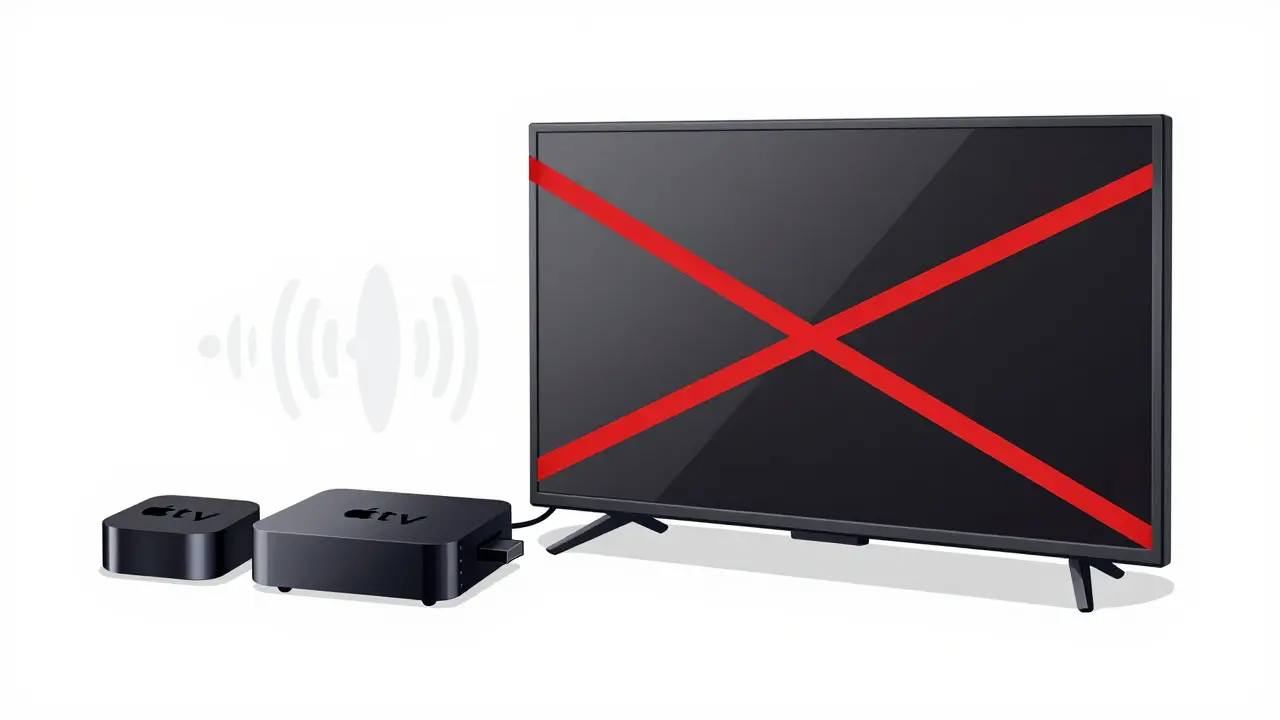
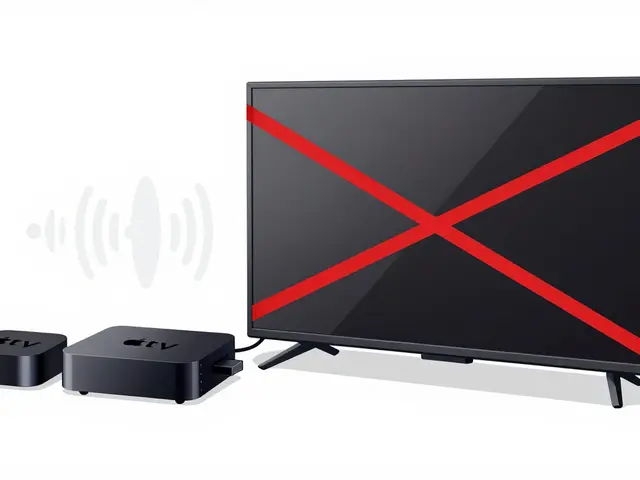
AVR Passthrough for Atmos: How to Set Up Device Audio for Dolby Atmos Streaming
Set up AVR passthrough to get true Dolby Atmos from streaming devices like Apple TV or Roku. Learn how to bypass your TV's audio processing and unlock immersive overhead sound.
17
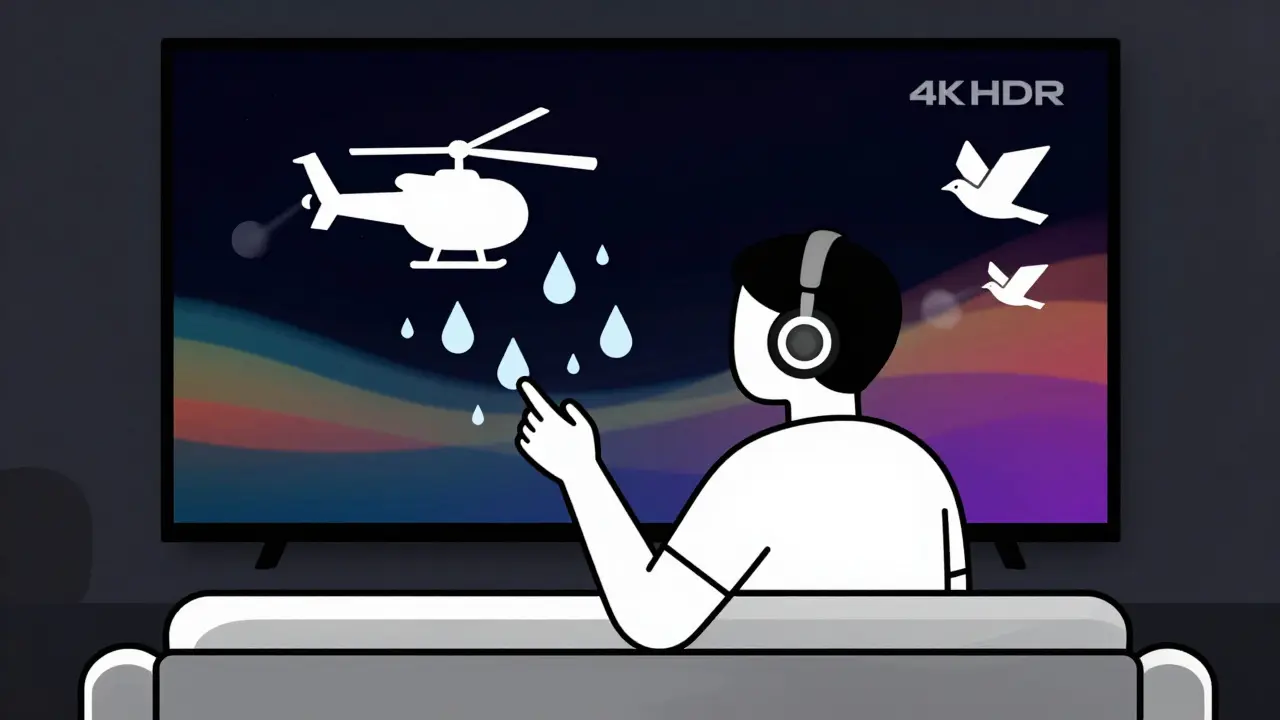
Spatial Audio and Immersive Sound Explained: How It Works and Why It Matters for 4K and HDR Content
Spatial audio transforms how you experience 4K and HDR content by placing sound in 3D space around you. Learn how Dolby Atmos works, what gear you need, and why it's essential for modern viewing.
27
Score Mixing in Dolby Atmos: Spatial Music for Modern Cinemas
Score mixing in Dolby Atmos transforms film music by placing sounds in 3D space, creating emotional depth and movement that traditional surround can't match. Learn how modern composers use spatial audio to immerse audiences.
Latest Posts

Popular Posts
-
 AVR Passthrough for Atmos: How to Set Up Device Audio for Dolby Atmos Streaming
-
 Paramount+ Data Usage: How to Reduce Bandwidth on Mobile and TV
-
 Streaming Device Placement: Where to Position Your Streamer for Best Results
-
 Crash Review: The Controversial Best Picture Winner Explained
-
 Streaming Price Alerts: Get Notified When Services Raise Rates