28
Time-Loop Movies Guide: Narrative Tricks from Groundhog Day to Palm Springs
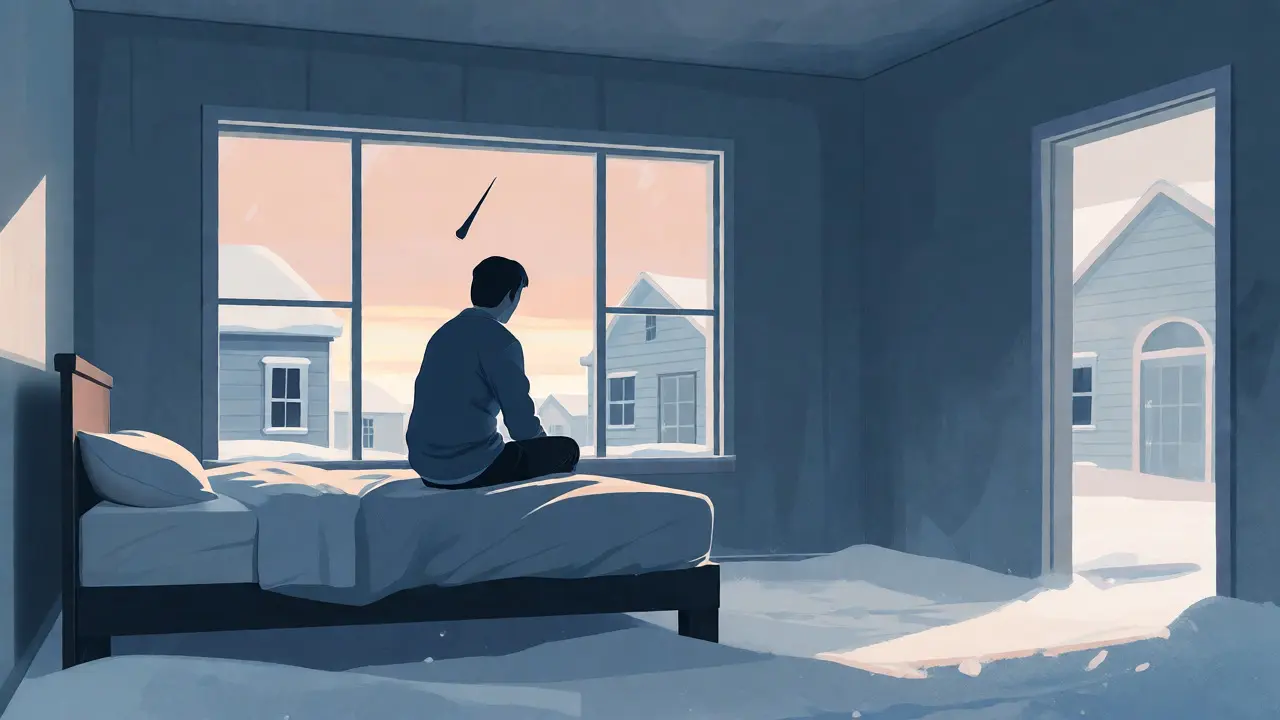
You wake up. The alarm screams at 6:00 AM. You hit snooze. You get out of bed. You go to work. You come home. You sleep. Then you wake up again. It’s the same day. Again. And again. For some people, this is a nightmare. For screenwriters, it’s a goldmine. The time loop is one of the most durable tropes in modern cinema because it solves a fundamental storytelling problem: how do you keep a story interesting when nothing changes on the outside? You change the inside.
This guide breaks down why these movies work, how they evolved from comedy to existential horror, and what you can learn from their structural tricks. We aren’t just listing films; we’re looking at the mechanics behind them. If you’ve ever wondered why Groundhog Day still feels fresh thirty years later, or why Palm Springs managed to make a time loop feel romantic rather than repetitive, you’re in the right place.
The Anatomy of a Time Loop
At its core, a time loop is a narrative device where a character relives a specific period of time repeatedly until certain conditions are met. It’s not just about repetition; it’s about iteration. Think of it like debugging code. You run the program, find an error, fix it, and run it again. In movies, the "error" is usually emotional stagnation, moral failure, or lack of self-awareness.
The genre relies on three pillars:
- The Reset Mechanism: How does the loop start and end? Is it a magical curse, a scientific anomaly, or a psychological break?
- The Knowledge Retention Rule: Does the protagonist remember previous loops? Do others? This dictates the tension.
- The Exit Condition: What must the character do to escape? Usually, it’s not a physical task but an internal shift.
When these elements click, the movie transcends its gimmick. When they fail, the audience feels trapped along with the characters.
Groundhog Day: Setting the Blueprint
You can’t talk about this genre without starting with Groundhog Day (1993). Bill Murray’s Phil Connors isn’t just stuck in Punxsutawney; he’s stuck in his own cynicism. The genius of director Harold Ramis and writer Danny Rubin wasn’t the magic-it was the mundane setting. By placing a supernatural event in a small-town weather forecast routine, they highlighted the absurdity of daily life itself.
Phil’s journey follows a clear arc that many subsequent films copy:
- Confusion: He thinks it’s a prank.
- Hedonism: He realizes there are no consequences, so he indulges every desire.
- Despair: Pleasure becomes empty. He tries suicide multiple times.
- Growth: He learns skills (piano, ice sculpting) and helps others.
- Escape: He falls in love with Rita (Andie MacDowell) by becoming a better person, not by forcing her to love him.
The film’s exit condition is subtle. Phil doesn’t “solve” the day; he accepts it. He stops fighting the repetition and starts finding meaning within it. That’s the secret sauce. Most time-loop movies fail because they focus on escaping the loop rather than transforming the self.
From Comedy to Horror: Edge of Tomorrow and Happy Death Day
If Groundhog Day used the loop for satire, Edge of Tomorrow (2014) used it for action. Tom Cruise plays Major William Cage, who dies constantly while fighting alien invaders. Here, the loop isn’t a curse for personal growth; it’s a combat training simulator.
| Film | Genre | Reset Trigger | Primary Goal | Exit Condition |
|---|---|---|---|---|
| Groundhog Day | Romantic Comedy | Waking up at 6:00 AM | Survive boredom / Win Rita | Selfless love and humility |
| Edge of Tomorrow | Sci-Fi Action | Death in battle | Defeat the Mimics | Killing the Alpha alien |
| Happy Death Day | Slasher Horror | Murder at party | Identify killer | Overcoming selfishness |
| Palm Springs | Rom-Com | Wedding morning | Escape / Acceptance | Choosing connection over escape |
Cage’s progression is mechanical. Each death teaches him enemy patterns. The emotional stakes are lower initially, but the film succeeds because it respects the physics of the loop. It treats the reset as a resource management game. You spend lives to gain information. This contrasts sharply with Happy Death Day (2017), which blends slasher tropes with the loop. Tree Gelbman (Jessica Rothe) is murdered repeatedly on her birthday. Unlike Phil, she doesn’t know why. The mystery drives the plot. Her exit condition requires solving a whodunit, but the real twist is that the killer is a manifestation of her own poor choices. She has to become less awful to survive.

Palm Springs: Deconstructing the Romance
Fast forward to 2020. Palm Springs arrived during a global lockdown, making its themes of being stuck together painfully relevant. Andy Samberg and Cristin Milioti play guests at a wedding who get trapped in the same day. But here’s the twist: both of them are aware. They share the loop.
This changes everything. Most time-loop protagonists are lonely gods, watching everyone else act like NPCs (non-player characters). In Palm Springs, Nyles (Samberg) and Sarah (Milioti) are co-conspirators. The conflict isn’t man vs. nature; it’s relationship dynamics under infinite pressure. Can you really know someone if you have forever to talk? Or does infinity destroy intimacy?
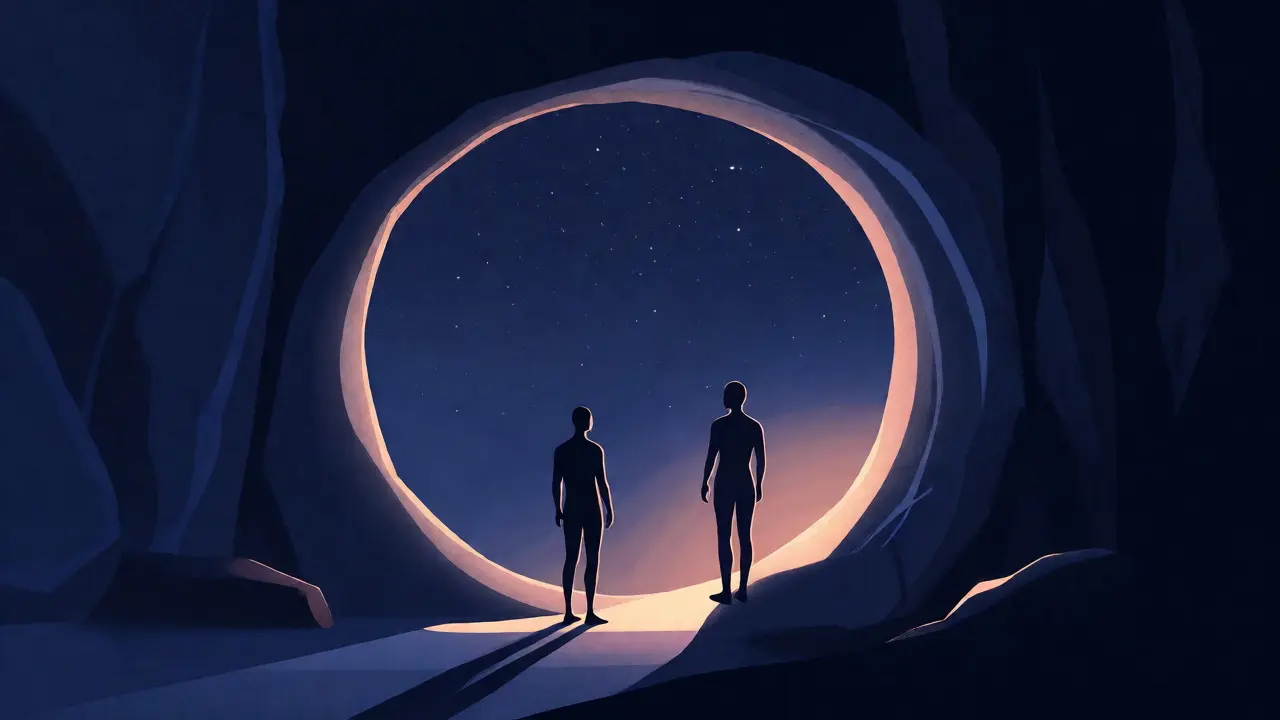
The film subverts the traditional exit. Nyles wants to stay in the loop because it’s safe. No responsibility, no future, no pain. Sarah wants to leave because she fears commitment and aging. Their desires are inverted. The climax isn’t about breaking the loop through heroism; it’s about choosing uncertainty. They jump into a cave, risking non-existence to potentially live a normal, linear life. It’s a bold statement: comfort is a trap, and love requires risk.
Narrative Tricks Writers Steal
So, what makes these stories tick? Screenwriters use specific techniques to prevent fatigue. Since the visual scenery repeats, the narrative must evolve.
The Montage Compression
No one wants to watch a character brush their teeth fifty times. Successful loops compress time. Groundhog Day uses quick cuts to show months passing in seconds. The audience understands the passage of time through changes in the character’s behavior, not the clock. If your loop involves learning a skill, show the result, not the practice.
The Butterfly Effect Micro-Drama
In Edge of Tomorrow, knowing exactly when a bullet will fly allows for choreographed action. In smaller films, this applies to dialogue. A character might say the wrong thing in Loop 1, causing an argument. In Loop 2, they anticipate the reaction and adjust. This creates satisfying micro-resolutions. The audience gets the pleasure of seeing a puzzle solved in real-time.
The External Anchor
To ground the surrealism, writers anchor the loop to a tangible object or event. In Happy Death Day, it’s the cake. In Palm Springs, it’s the wedding toast. These anchors give the audience a familiar landmark. When the anchor changes, the audience knows something significant has shifted in the reality of the loop.
Why We Love Being Stuck
Psychologically, time loops appeal to our desire for control. Life is messy and irreversible. You can’t unsay an insult or undo a bad investment. The loop offers a fantasy of second chances-literally hundreds of them. It suggests that mistakes aren’t fatal; they’re data points.
But there’s a darker side. The loop also represents depression and burnout. Waking up to the same grind, feeling like progress is illusory, is a common human experience. Movies like Groundhog Day resonate because they validate that feeling. They tell us that even if today looks like yesterday, we can choose to engage with it differently. We can learn piano. We can help an old man cross the street. We can be kind.
As we move into 2026, the genre continues to evolve. Recent indie hits explore loops from the perspective of the antagonist or the bystander. The next frontier might be multi-perspective loops, where different characters experience the same day differently based on their consciousness. The tool remains powerful because it reflects our deepest anxieties about time, regret, and redemption.
Frequently Asked Questions
Is Groundhog Day considered a science fiction movie?
While it features a supernatural element, Groundhog Day is primarily classified as a romantic comedy and fantasy. It lacks the technological explanations typical of hard sci-fi. However, its influence on the sci-fi genre is undeniable, paving the way for more mechanically rigorous films like Edge of Tomorrow.
How is Palm Springs different from other time-loop movies?
Palm Springs differs because two main characters are aware of the loop simultaneously. Most films isolate the protagonist. This shared awareness shifts the focus from individual survival to interpersonal relationships and philosophical debates about the value of an eternal present versus a finite future.
Do all time-loop movies require the character to die to reset?
No. While death is a common trigger in action-oriented loops like Edge of Tomorrow or Happy Death Day, many comedies and dramas use simple sleep cycles. Groundhog Day and Palm Springs rely on waking up at a specific time. The mechanism depends on the tone of the film.
What is the 'exit condition' in a time loop?
The exit condition is the specific requirement the protagonist must fulfill to stop the loop. In most narratives, this is not a physical task (like finding a key) but an emotional or moral transformation. Examples include learning humility (Groundhog Day), overcoming selfishness (Happy Death Day), or accepting vulnerability (Palm Springs).
Are there any recent time-loop movies worth watching?
Yes. Beyond the classics, look at ARQ (2016) for a tech-thriller take, Before I Fall (2017) for a teen drama perspective, and Project Almanac (2015) for a found-footage style. For a darker, psychological approach, Triangle (2009) is a standout horror entry that complicates the loop with doppelgangers.