12
Voice Acting Essay: Why The Underrated Performance Art in Cinema Matters
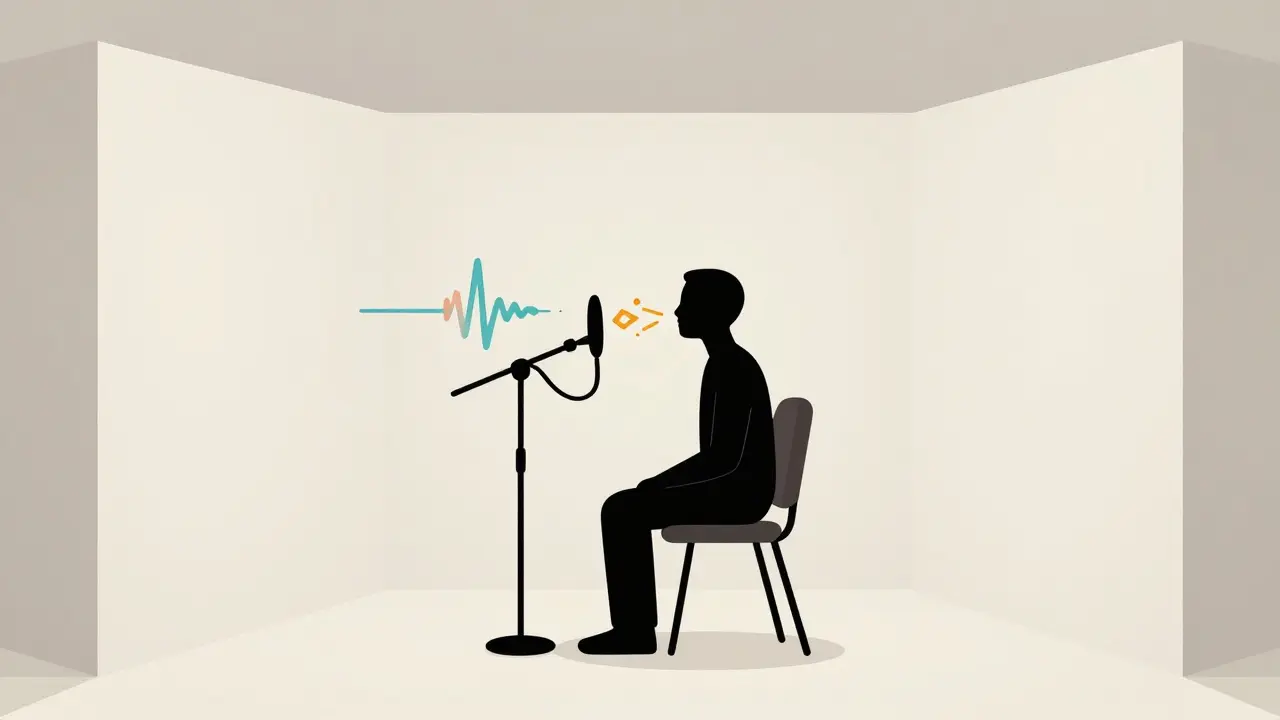
Think about the last movie that truly haunted you. Maybe it was a horror film where the monster never showed its face, or an animated epic where a dragon’s roar shook your chest. Now, think about who made those sounds. If you’re like most people, you can’t picture a human face attached to that voice. That’s the trick. And that’s why voice acting remains one of the most misunderstood crafts in Hollywood.
We tend to separate "acting" from "voice work." We assume that if there’s no camera capturing tears, sweat, or facial micro-expressions, the performance must be easier. It’s not. In fact, stripping away the visual crutches forces the performer to do something far more difficult: convey entire universes of emotion using only breath, pitch, and timing. When you watch a blockbuster like Spider-Man: Into the Spider-Verse, which features an animated superhero film celebrated for its unique visual style and voice performances, you aren't just watching animation; you are listening to actors building characters from the ground up with nothing but their vocal cords.
The Myth of the "Easy" Job
There is a persistent myth in the industry that voice acting is just "reading lines in a booth." If you’ve ever tried to read a page out loud while maintaining character consistency, emotional depth, and technical precision, you know this isn’t true. Voice acting requires the same rigorous training as stage or screen acting, plus a layer of technical awareness that on-camera actors rarely need to worry about.
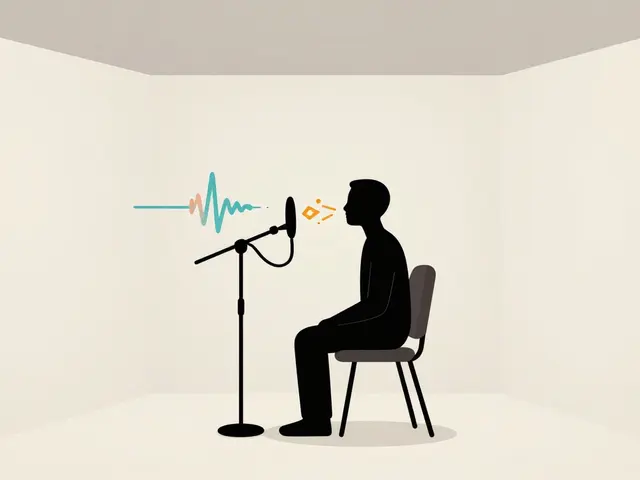
Consider the physical toll. A voice actor might spend eight hours a day in a soundproof booth, hitting high notes, screaming, whispering, or crying-all without moving their body much. This creates intense tension in the neck, jaw, and diaphragm. Unlike a scene on set where they can walk around between takes, the voice actor is locked into a chair. They must manage their own energy levels, hydration, and vocal health meticulously. One bad cold or a moment of poor technique can ruin weeks of recording.
Then there is the issue of isolation. On a film set, an actor reacts to another person standing three feet away. In voice-over (VO) sessions, especially for post-sync dubbing, the actor might be performing against a piece of paper or a marker representing another character. They have to imagine the spatial relationship, the eye contact, and the physical presence of their scene partner. It’s like playing tennis with someone who isn’t there. You have to feel the ball coming at you before you swing.
Anatomy of a Vocal Performance
To understand why voice acting is an art form, we have to look at the tools the actor uses. Without facial expressions or body language to carry the weight, every nuance of the voice becomes magnified. Here are the core components:
- Tone and Timbre: This is the color of the voice. A gritty, raspy tone suggests weariness or danger. A bright, clear tone suggests innocence or authority. Actors manipulate their vocal fry, breathiness, and resonance to change how a character is perceived.
- Pacing and Rhythm: How fast does the character speak? Do they rush when they’re nervous? Do they pause dramatically to let a line sink in? Pacing controls the audience’s heartbeat. A sudden stop in dialogue can be louder than a scream.
- Emotional Placement: Where does the sound originate? Speech from the throat feels constrained and anxious. Speech from the chest feels grounded and powerful. Speech from the headspace feels ethereal or manic. Skilled actors shift their "placement" instantly to match the character’s mental state.
Take Tom Hanks, known for his role in Toy Story where he voiced Woody, establishing the standard for modern animated protagonists. His performance as Woody wasn't just about sounding friendly. It was about conveying the anxiety of a leader who is afraid of being replaced. You hear it in the slight crack in his voice during moments of doubt. That’s acting. That’s not just reading words.
The Invisible Bridge: Dubbing and Localization
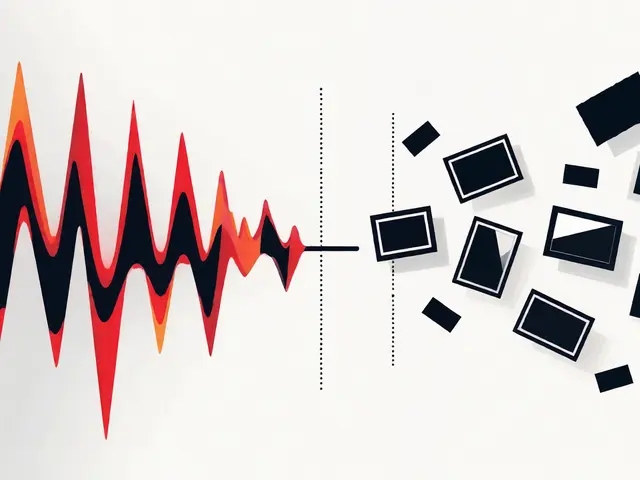
If original English-language recording is hard, try localization. This is where voice acting becomes a puzzle of lip-sync and cultural adaptation. When a Japanese anime is dubbed into English, or an American movie is localized for the German market, the voice actor has to match the mouth movements of the original performer while delivering a translation that makes sense culturally.
This process, often called Automatic Lip Sync (ALS), requires precise timing. If the original actor closes their mouth after two syllables, the dubbing actor must close theirs too. This restricts word choice significantly. You can’t just say "I am very angry." You might have to say "I’m mad" to fit the lip flap. This demands quick thinking and linguistic flexibility. The actor must embody the character while simultaneously solving a rhythmic equation.
Furthermore, the cultural context shifts. A joke that works in New York might fall flat in Tokyo. The voice director and the actor have to adapt idioms and references so the emotional beat lands the same way. It’s not just translation; it’s transcreation. The voice actor becomes a cultural bridge, ensuring the soul of the performance survives the journey across languages.
Animation vs. Video Games: Different Demands
While both fall under the umbrella of voice acting, the demands of animation and video games differ sharply. Understanding these differences highlights the versatility required of professional performers.
| Feature | Animation/Film | Video Games |
|---|---|---|
| Recording Order | Sequential (usually) | Non-linear (random order) |
| Physicality | Limited movement | High physical exertion (motion capture integration) |
| Repetition | Fewer takes per line | Dozens of variations per line |
| Context | Actor sees the final animation (sometimes) | Actor often records blind to final visuals |
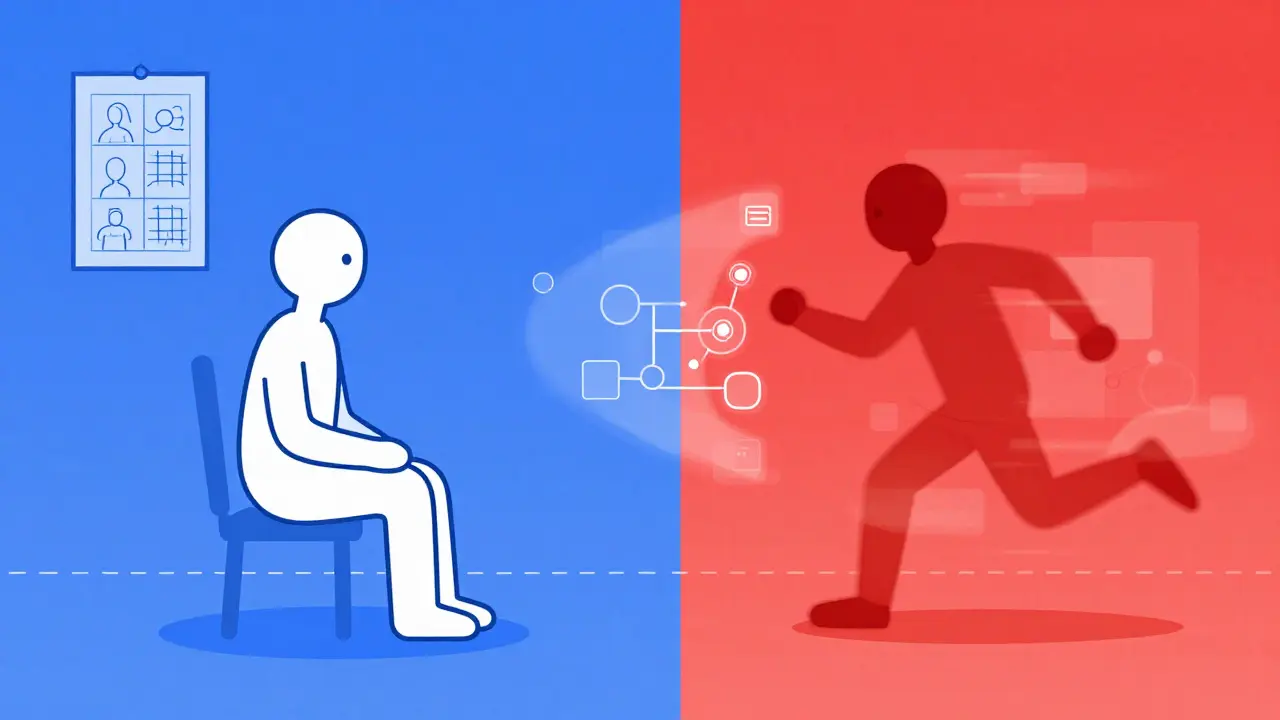
In video games, particularly those using motion capture (mocap), the line between voice acting and physical acting blurs completely. Actors like Nolan North, recognized for voicing Protagonists in major franchises such as Call of Duty and Uncharted, blending voice and motion capture perform the entire role-voice, face, and body. They run, jump, and fight while delivering lines. This requires athletic stamina alongside vocal control. The data from their body movements drives the character’s animation, meaning a slouch or a clenched fist is recorded just as permanently as a spoken word.
Conversely, traditional animation often relies on "pre-vis" or storyboards. The actor might not see the final frame until months later. They have to trust the director and visualize the scene internally. This requires strong imagination and the ability to maintain continuity over long periods, as recordings for a single movie can span months or even years.
The Director’s Role: Sculpting Sound
A voice actor doesn’t work in a vacuum. The voice director is the architect of the performance. In a studio session, the director guides the actor through choices, offering notes on emotion, pacing, and intent. A great director knows how to unlock vulnerability in an actor who might feel silly speaking to a cartoon bear.
Directors use various techniques to get the right take. Some ask for improvisation to find natural phrasing. Others provide detailed backstories to ground the performance. In dubbing sessions, the director focuses heavily on synchronization and emotional matching. They ensure that the new voice doesn’t overpower the original performance but complements it. This collaborative dynamic is crucial. The best voice performances are often a result of a symbiotic relationship between the actor’s instinct and the director’s vision.
Why We Ignore the Craft
So why is voice acting still considered "underrated"? Partly because it’s invisible. When done well, you don’t notice it. You believe the character exists. You forget there’s a human behind the microphone. This invisibility is the ultimate compliment to the craft, but it also means the labor goes unrecognized.
Additionally, the barrier to entry seems low. Anyone with a microphone and a closet full of clothes (for sound dampening) can record audio. But amateur recordings lack the polish, consistency, and emotional depth of professional work. The industry suffers from an oversupply of beginners, which devalues the perception of the skill. However, the top tier of voice actors-those who can switch from a comedic sitcom tone to a dramatic thriller monologue in seconds-are rare.
We also suffer from confirmation bias. We remember the visual stars because our brains are wired to recognize faces. We forget the voices because they blend into the narrative fabric. But listen closely next time you watch a film. Listen to the breath before the line. Listen to the tremor in the whisper. That’s where the truth lives. That’s where the art is.
Future of Voice Performance
As technology advances, the role of the voice actor is evolving rather than disappearing. AI-generated voices are becoming more realistic, raising ethical questions about replacement. However, AI currently struggles with genuine emotional nuance and spontaneous reaction. Human actors bring unpredictability and subtext that algorithms cannot replicate. The future likely lies in hybrid models, where actors provide the raw emotional data, and technology enhances or adapts it for different media.
Regardless of technological shifts, the core requirement remains: authentic human connection. Audiences crave empathy. They want to feel understood by the characters they watch. Only a human performer can draw from their own life experiences to create that shared sense of humanity. Voice acting isn't just making noise; it's transmitting feeling.
Is voice acting harder than on-camera acting?
It is not necessarily "harder," but it is different. On-camera acting relies heavily on physical expression and interaction with other actors in real-time. Voice acting requires intense focus on vocal control, imagination, and the ability to convey emotion without visual aids. Both require deep emotional access and technical skill, but voice acting places a higher premium on vocal stamina and auditory nuance.
Do voice actors need to be able to mimic accents?
While accent work is a valuable skill, it is not always required. Many roles call for a natural or neutral delivery. However, versatility is key in the industry. Being able to adopt different dialects, ages, and character types increases an actor's employability. Good accent work should be authentic and consistent, avoiding caricature.
How long does it take to record a feature film?
The timeline varies widely. For a lead role in an animated feature, an actor might spend 10 to 20 days in the booth. However, additional sessions for re-recording (looping) or picking up missed lines can extend this over several months. Video game projects can take even longer, sometimes spanning years due to the non-linear nature of gameplay and frequent updates.
Can AI replace human voice actors?
AI can replicate certain tones and readings, but it currently lacks the ability to deliver nuanced, emotionally complex performances driven by human experience. While AI may handle minor background roles or standardized narration, lead roles requiring deep emotional connection and improvisational adaptability will likely remain the domain of human actors for the foreseeable future.
What is the difference between voice-over and voice acting?
Voice-over generally refers to non-character work, such as commercials, documentaries, or e-learning modules, where the goal is clarity and persuasion. Voice acting involves creating a distinct character with specific motivations, emotions, and personality traits. While the technical skills overlap, voice acting requires deeper character development and emotional range.