16
Micro-Budget Filmmaking: Creating Quality on a Shoestring in 2026
You don't need a million-dollar studio to tell a story that moves people. In fact, some of the most gripping films ever made were shot with less than $50,000. Think about Paranormal Activity, which was produced for just $15,000 but grossed over $100 million worldwide. That is the power of micro-budget filmmaking. It forces you to rely on creativity, not cash. If you are sitting on a script right now, waiting for a grant or an investor who never calls, this guide is for you. We will break down how to produce professional-looking content using resources you likely already have or can borrow for free.
The Mindset Shift: Constraints Breed Creativity
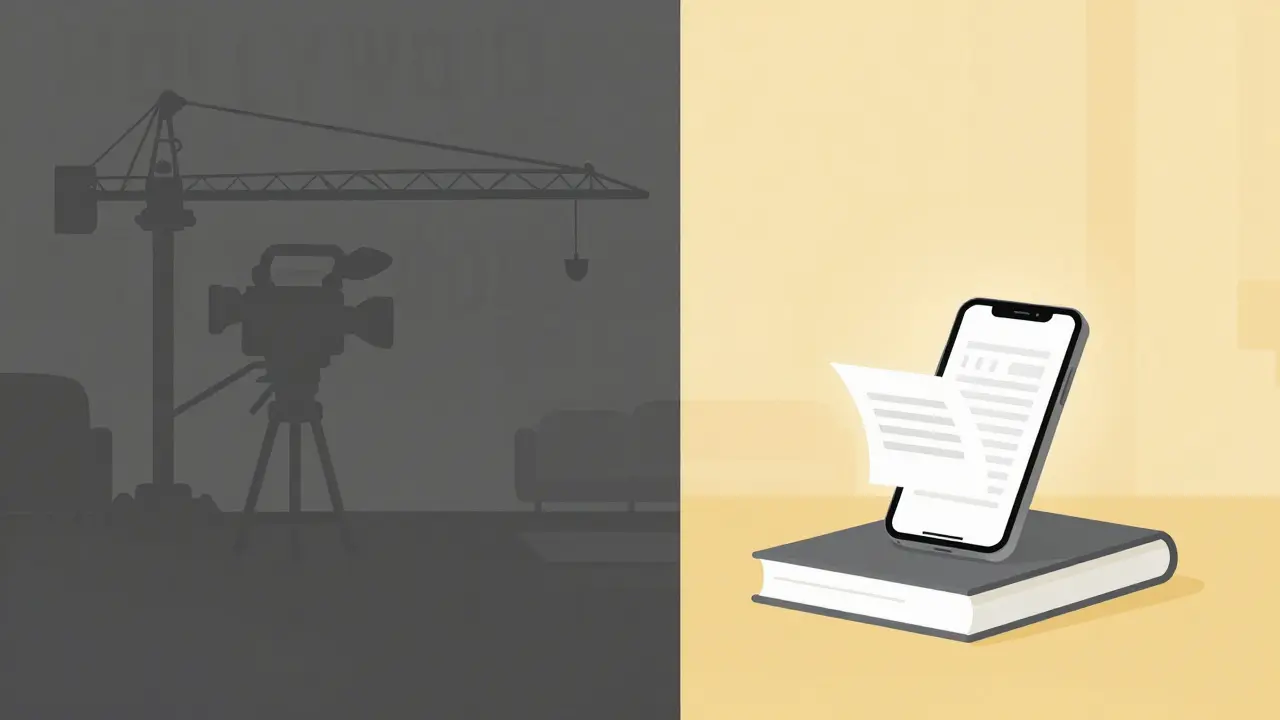
Before we talk about cameras, we need to talk about your brain. High budgets allow filmmakers to solve problems with money. You can’t afford a crane? Rent one. The location looks bad? Build a set. When you are working with a micro-budget, usually defined as under $10,000, you must solve problems with ingenuity. This constraint is actually your greatest asset. It pushes you to find unique angles, natural lighting solutions, and compelling performances that big studios often overlook because they rely on spectacle.
Your first job is to write a script that respects your wallet. Look at your current draft. How many locations do you have? How many characters speak? Every extra character means another actor to feed, another costume to source, and more screen time to manage. Aim for two main characters and three locations maximum. Write scenes that happen in real-time. Avoid complex action sequences unless you are a trained stunt coordinator (which you probably aren’t). Focus on dialogue, tension, and emotion. These elements cost nothing but deliver everything.
Gear Up Without Breaking the Bank
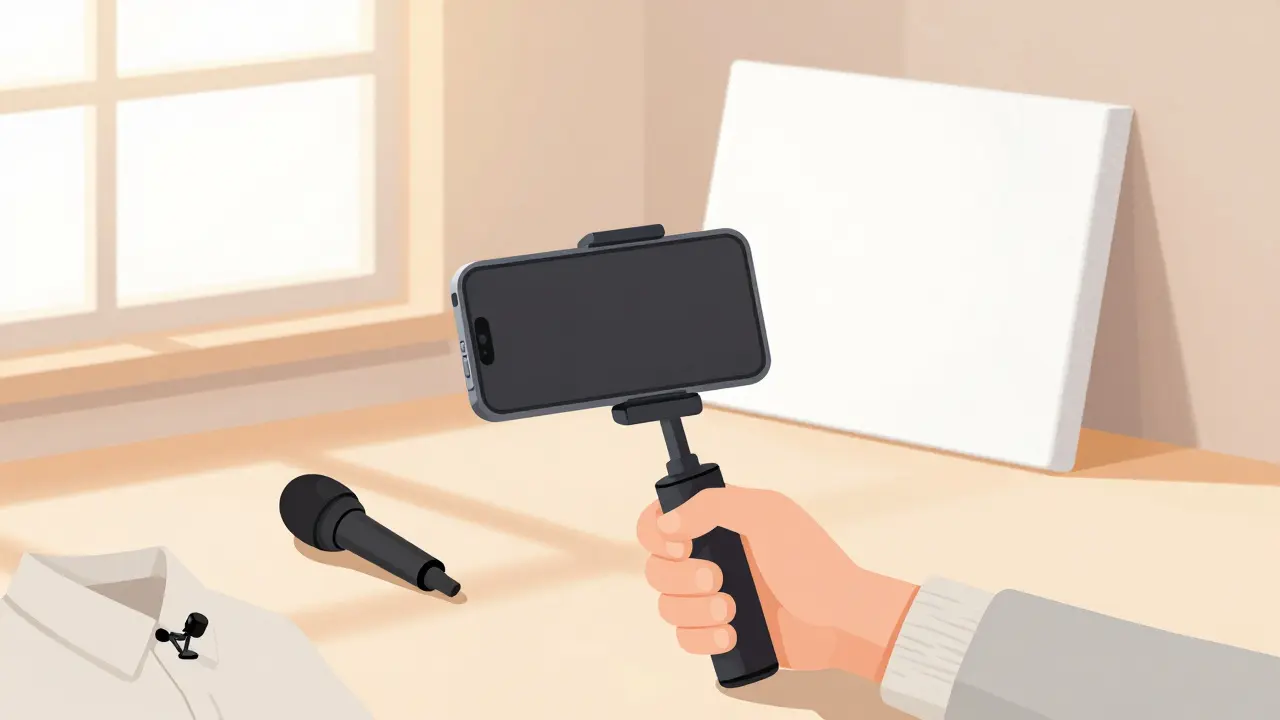
In 2026, the barrier to entry for high-quality image capture has never been lower. You do not need a Red Komodo or an ARRI Alexa. Your smartphone, specifically an iPhone 15 Pro Max or a flagship Android device, shoots 4K Dolby Vision footage that rivals broadcast standards from a decade ago. The key is not the sensor size; it is how you use it.
| Item | Why You Need It | Budget Alternative |
|---|---|---|
| Smartphone Gimbal | Stabilizes shaky handheld shots for a cinematic look. | Borrow from a friend or buy a used DJI OM series model for under $100. |
| Lavalier Microphone | Clean audio is non-negotiable. Bad audio kills immersion faster than bad video. | Wireless lavs like the Rode Wireless ME or wired options plugged into your phone. |
| Natural Light Modifiers | Softens harsh sunlight or adds fill light indoors. | White bedsheets, foam core boards, and sheer curtains from IKEA. |
| Tripod | Locks off static shots, allowing you to focus on acting and composition. | A sturdy travel tripod or even a stack of books if you are truly broke. |
Audio is where most amateur filmmakers fail. Viewers will forgive grainy video, but they will click away if they cannot understand what is being said. Invest in a decent microphone before you buy a better camera. A Rode VideoMic Me-L costs around $80 and plugs directly into your iPhone. For interviews or dialogue-heavy scenes, use lavalier mics hidden under clothing. Always record room tone-that quiet background noise of a space-for 30 seconds before you start shooting. This helps in post-production when cleaning up audio tracks.
Lighting: The Invisible Art
Professional lighting kits are expensive and bulky. Instead, master the art of available light. Shoot during the "golden hour"-the hour after sunrise and the hour before sunset. The light is soft, warm, and directional, creating depth without any equipment. If you are shooting indoors, turn off the overhead lights. They create unflattering shadows under eyes and noses. Instead, place your subjects near windows. Use white sheets or foam core to bounce sunlight back onto their faces. This technique, called bouncing, creates a soft, flattering look similar to a large softbox.
If you must shoot at night, use practical lights within the scene. Lamps, candles, and neon signs add atmosphere and motivation for the light source. Avoid mixing color temperatures unless you know how to correct it in post. Stick to either all daylight-balanced sources or all tungsten-balanced sources to keep your white balance consistent. Consistency makes editing easier and keeps the audience immersed.
Casting and Crew: Building a Tribe
You cannot pay top dollar for talent, so you must offer other incentives. Cast friends, local theater actors, or students from drama schools. Be honest about the budget. Offer them meals, credit, and copies of the final film for their reel. Many aspiring actors are hungry for screen time and will work for exposure if they believe in the project. Hold open auditions. You might find a diamond in the rough who brings more energy than a seasoned pro would.
Your crew should be small and versatile. You need a director, a camera operator, a sound recordist, and a producer. Often, these roles overlap. The director might also operate the camera. The producer might handle catering. Keep communication clear. Send out call sheets every morning with exact times, locations, and contact info. Respect your crew’s time. Start on time, finish on time, and always provide food. A fed crew is a happy crew, and a happy crew works harder for you.
Production Hacks for Maximum Efficiency
Efficiency saves money. Plan every shot meticulously. Use storyboards or shot lists to visualize each scene before you arrive on set. Know exactly what you need before you roll. This prevents wasting battery life and storage space on unusable footage. Shoot in bursts. Get the wide shot, then the medium, then the close-up. Do not move the camera between takes unless necessary. This keeps the lighting and framing consistent.
Use free locations creatively. Public parks, abandoned buildings (with permission), and friends' houses can stand in for almost anything with the right angle and wardrobe. Dress your extras simply. Solid colors work best. Avoid logos and busy patterns, which can distract the viewer and cause moiré effects on camera. Wardrobe continuity is crucial. Take photos of each actor’s outfit at the start of the day so you can match it if you reshoot scenes later.
Post-Production: Where the Magic Happens
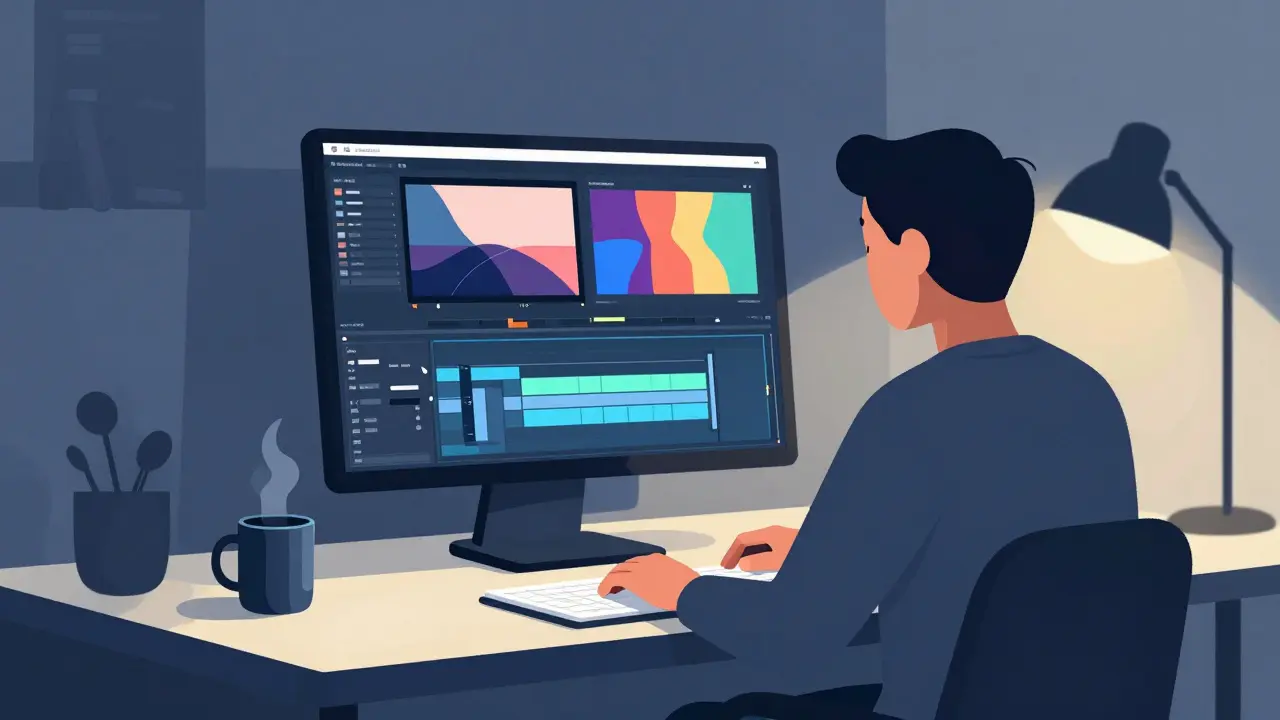
Editing is where you assemble your puzzle. You do not need Adobe Premiere Pro’s subscription fee. DaVinci Resolve offers a powerful free version that includes professional-grade color correction and audio post-production tools. Learn the basics of cutting on action, matching eye lines, and pacing. Cut ruthlessly. If a scene does not advance the plot or reveal character, delete it. Tighten the runtime. Micro-budget films thrive on brevity and impact.
Color grading can elevate your footage from home video to cinematic. Adjust the contrast, saturation, and temperature to create a mood. Don’t go overboard; subtle adjustments often look more professional than heavy-handed filters. Add sound design layers. Footsteps, wind, distant traffic-these ambient sounds fill the sonic landscape and make the world feel real. Use royalty-free music libraries like YouTube Audio Library or Free Music Archive to score your film without legal headaches.
Distribution and Festival Strategy
Making the film is only half the battle. Getting it seen is the other half. Submit to film festivals. Start with smaller, niche festivals that align with your genre. They are less competitive and more supportive of new voices. Use platforms like FilmFreeway to manage submissions efficiently. Create a press kit with a synopsis, director’s statement, and high-resolution stills.
Online distribution is also viable. Upload your film to Vimeo On Demand or YouTube. Build an audience through social media teasers and behind-the-scenes content. Engage with viewers. Ask for feedback. Use analytics to see where your audience drops off and learn for your next project. Networking is key. Connect with other indie filmmakers online and offline. Collaborate on future projects. The indie community thrives on mutual support.
How much does it really cost to make a micro-budget film?
Costs vary wildly, but a true micro-budget film can be made for under $1,000 if you use existing gear, free locations, and volunteer crews. Most micro-budget productions fall between $5,000 and $10,000, covering basic expenses like food, transportation, and minor rentals. The key is minimizing cash outflow by leveraging relationships and resources.
Can I use my smartphone for professional filmmaking?
Absolutely. Modern smartphones shoot high-resolution video with excellent dynamic range. The limitation is often audio and stabilization, which can be solved with affordable accessories like gimbals and external microphones. Many acclaimed short films and features have been shot primarily on phones.
What is the most important aspect of micro-budget filmmaking?
Story and audio. Audiences connect with characters and narratives, not expensive visuals. Clear, crisp audio ensures viewers can follow the story. If the sound is bad, no amount of beautiful cinematography will save the film. Prioritize writing a tight script and recording clean dialogue.
How do I get good lighting without expensive equipment?
Use natural light. Shoot near windows during the day or use the golden hour outdoors. Reflectors made from foam core or white sheets can bounce light onto subjects. Practical lights like lamps within the scene also provide motivated, atmospheric lighting without additional cost.
Where can I find free editing software?
DaVinci Resolve is the industry standard for free editing software, offering professional color grading and audio tools. Other options include Shotcut, OpenShot, and HitFilm Express. These programs provide robust features for cutting, effects, and exporting without a monthly subscription.