14
Stop Paying Twice: How to Avoid Cable and Streaming Billing Overlaps
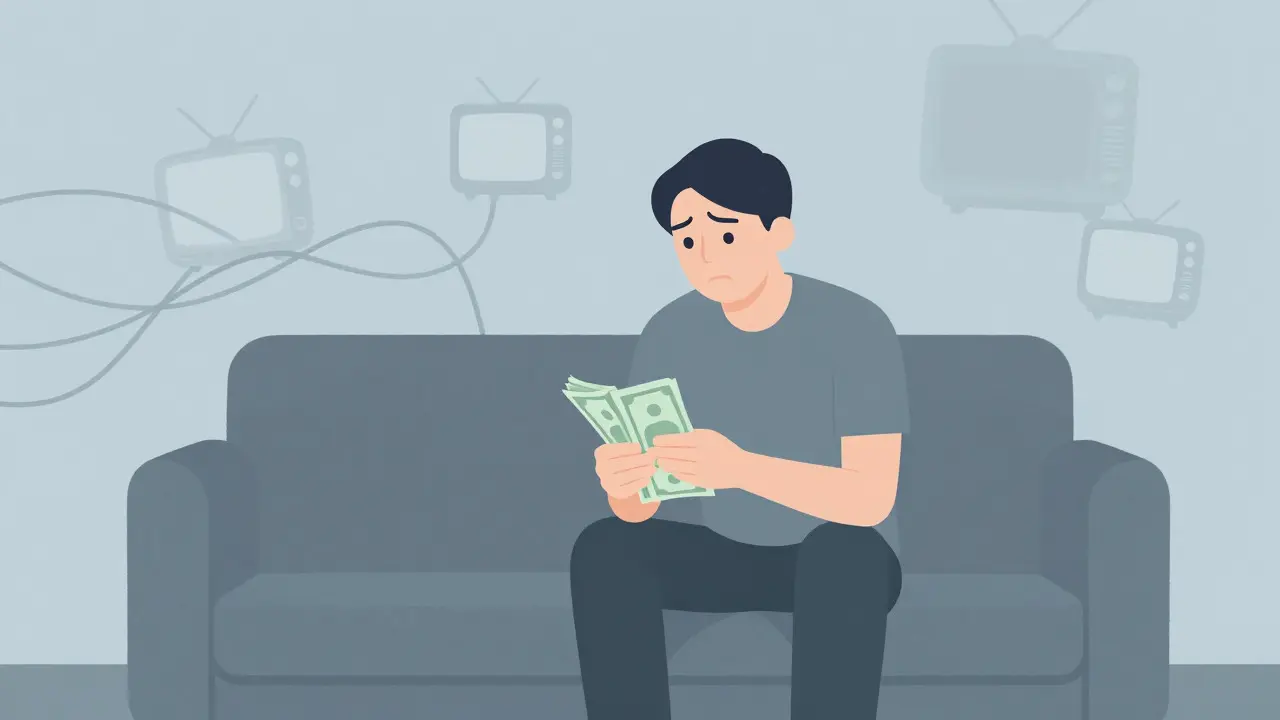
It’s August 2026, and you’re sitting on your couch in Brisbane. You just canceled your expensive cable TV package, right? Great. But wait-did you also cancel the sports add-on that was bundled with it? Or maybe you still have a landline phone service tied to that same contract? If you didn’t check every single line item, you might be paying for two different services that do the exact same thing. This is what we call the "double-pay trap." It’s not just about having Netflix and Hulu; it’s about accidentally keeping legacy infrastructure costs while paying for modern replacements.
The average household spends hundreds of dollars annually on subscriptions they don’t use or duplicate. In Australia, where NBN (National Broadband Network) has largely replaced traditional copper lines, many people still pay for old-school voice bundles they no longer need because they switched to VoIP apps like WhatsApp or FaceTime. Let’s fix this mess together. We’ll look at how to audit your current bills, identify hidden overlaps, and set up a system so you never get caught out again.
The Hidden Costs of "Just Canceling" Cable
Most people think cutting the cord means calling their provider and saying, "I’m done." But telecom companies are masters of bundling. When you sign up for a fiber optic internet plan, they often throw in a "free" movie channel package or a security camera subscription for the first six months. After that period, the free trial ends, and the charges start rolling in automatically.
Consider this scenario: You switch from Foxtel to a mix of Stan, Binge, and Disney+. That’s smart. But if you kept your home phone number active through your old cable provider without realizing it now comes with a monthly maintenance fee, you’re paying for connectivity twice. Once via your mobile data plan and once via the fixed-line voice service. According to recent consumer reports, approximately 15% of former cable subscribers continue to pay for dormant voice services simply because they forgot to formally disconnect them.
To avoid this, you need to understand the difference between primary services (internet access) and ancillary services (TV packs, phone lines, equipment rentals). Your goal is to keep only the primary service unless you genuinely use the ancillary ones daily.
Audit Your Subscriptions: The Three-Bill Rule
Before you cancel anything, gather your last three bills from every provider you interact with. This includes your internet service provider (ISP), your mobile carrier, and any standalone streaming platforms. Why three bills? Because one-off promotions can mask recurring costs. A bill might show $0 for a "Sports Pack" in January, but by April, it jumps to $25/month.
Create a simple spreadsheet. List each service, its monthly cost, and what it actually provides. Ask yourself these questions for each line item:
- Do I watch live sports or news? If yes, which platform offers it cheapest?
- Am I paying for a hardware rental (set-top box, modem) that I could buy outright or replace with a cheaper alternative?
- Is this service bundled with something else I’m already paying for separately?
For example, if you pay Telstra for NBN internet plus a "Home Phone" bundle, and you also pay Optus for a mobile plan with unlimited calls, the Home Phone bundle is likely redundant. Unless you have elderly relatives who only know how to dial landlines, you can probably drop it. Just remember to port your number if you want to keep it, rather than letting it go dead.
Identifying Content Overlaps
This is where most people slip up. They subscribe to multiple streaming services thinking they need all of them. But content libraries overlap significantly. For instance, both Amazon Prime Video and Netflix carry popular Australian dramas like *Heartbreak High* or *The Heights*. Do you really need both?
Look at your viewing habits over the past month. Use the "Watch History" feature in apps like Stan or Binge to see what you actually clicked on. If you haven’t watched anything on Paramount+ in 90 days, cancel it. Then, rotate your subscriptions. Subscribe to one service per quarter based on what’s currently trending. This strategy, known as "subscription cycling," can save you up to 60% on entertainment costs annually.
Here’s a quick comparison of major Australian streaming platforms as of mid-2026:
| Service | Monthly Cost (AUD) | Key Exclusive Content | Live Sports Available? |
|---|---|---|---|
| Stan | $14.99 - $24.99 | *Succession*, *Ted Lasso* | No (unless added) |
| Binge | $9.99 - $25.99 | HBO originals, BBC series | No |
| Kayo Sports | $25.00+ | Premier League, NRL, AFL | Yes |
| Disney+ | $13.99 | Movies, Marvel, Star Wars | No |
If you love football, Kayo is non-negotiable. But if you mainly watch scripted dramas, sticking to Stan or Binge is sufficient. Don’t pay for all three simultaneously unless you have a very specific reason.
Hardware Traps: Modems and Set-Top Boxes
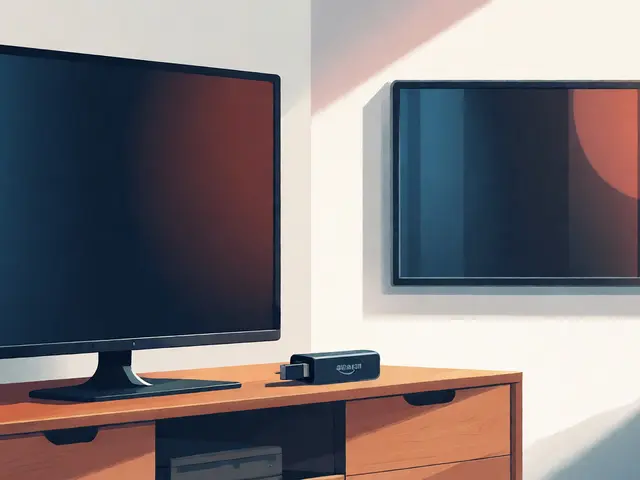
One of the sneakiest ways providers keep money flowing is through equipment rentals. Many cable packages include a set-top box for HD channels. When you cut the cord, you return the box. But did you check if there’s a late return fee? Did you actually send it back? Some providers charge $100+ for unreturned equipment.
Similarly, consider your internet modem. If you’re renting a modem from your ISP, you’re paying roughly $10-$15 per month. Over a year, that’s $120-$180. Buying a compatible NBN modem-router upfront costs around $150-$250. After 12-18 months, you’ve broken even. After that, it’s pure savings. Make sure your new device supports the latest Wi-Fi standards (Wi-Fi 6E is common in 2026) to ensure fast speeds throughout your Brisbane apartment or house.
Setting Up Alerts and Automation
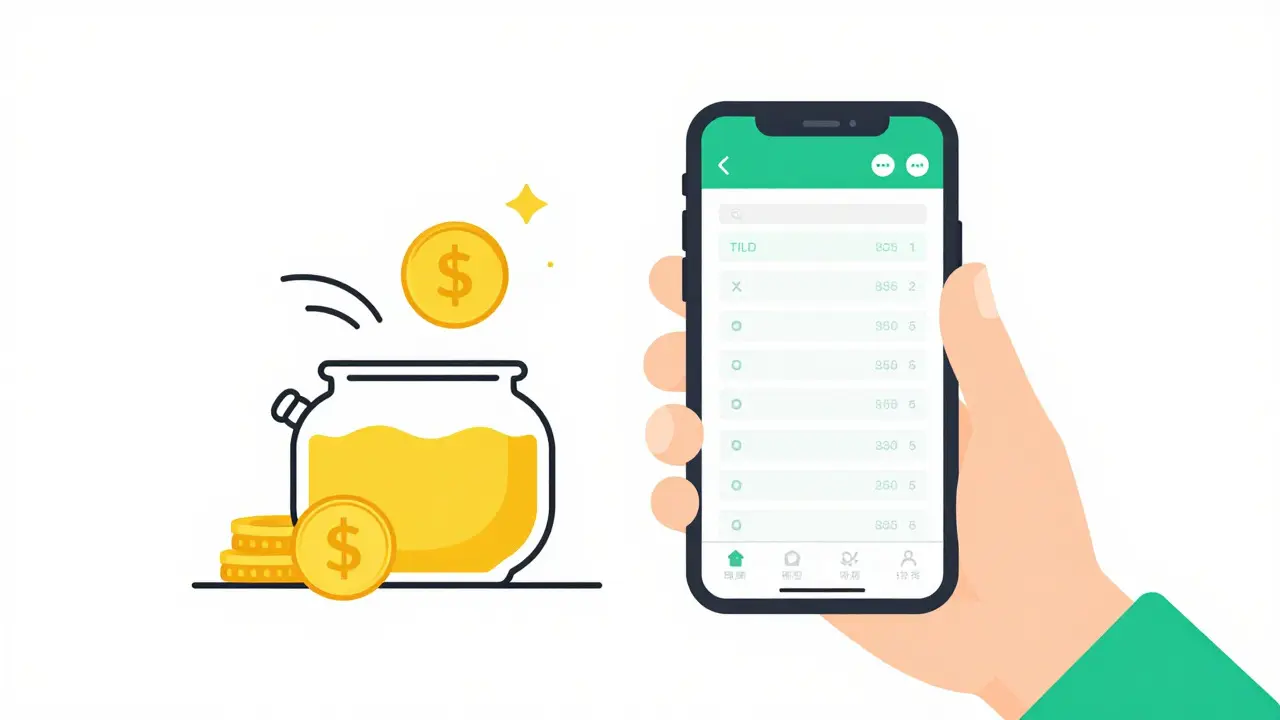
Human memory fails. Systems don’t. To prevent future double-paying, set up calendar reminders for renewal dates. Most digital subscriptions renew annually or monthly. Mark these dates in Google Calendar or Apple Reminders with a notification one week prior.
You can also use budgeting apps like Yolt or Pocketbook, which are popular in Australia. These apps connect to your bank account and categorize transactions. They can alert you when a recurring payment changes amount or when a new unknown charge appears. This proactive approach stops small leaks before they become big holes in your wallet.
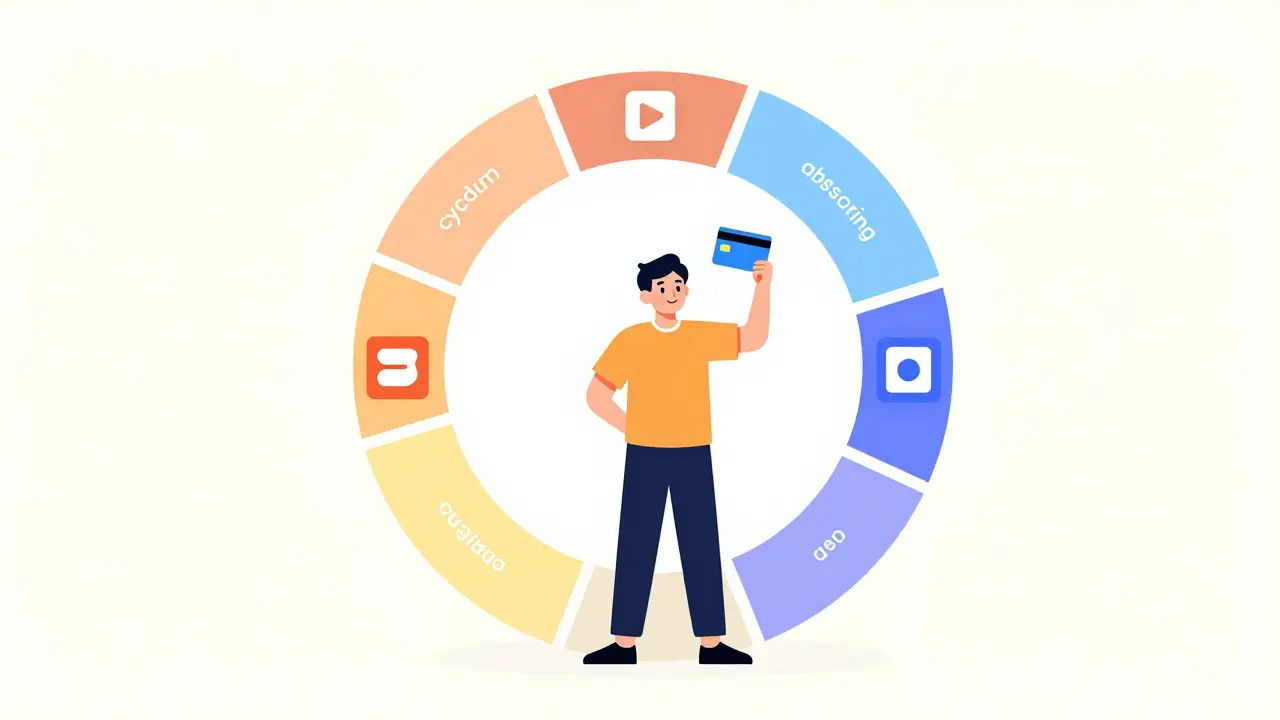
Another tip: Use separate credit cards for subscriptions. Keep one card strictly for entertainment and utilities. Reviewing a single statement makes it easier to spot anomalies than sifting through a mixed spending report.
Navigating Contract Exit Fees
Sometimes, canceling isn’t free. If you’re in the middle of a 24-month contract with your ISP or mobile provider, leaving early might incur an exit fee. However, compare this fee against the total remaining cost of the contract. If the exit fee is $100, but you’d pay $30/month for another 12 months on a service you hate, paying the fee saves you $260. Do the math. Often, breaking free early is financially smarter than staying put.
Also, check if your provider offers a "grace period" for returning equipment. Some allow 30 days after cancellation to drop off boxes without penalty. Use this window to organize your returns properly, taking photos as proof of postage if mailing them.
Final Checklist Before You Cut
Before you make the final call to cancel your cable or streaming service, run through this checklist:
- Confirm Portability: If keeping a phone number, ensure it’s ported to your new provider first.
- Return Equipment: Box up modems, remotes, and cables. Get a receipt.
- Check Bundles: Ensure no other services (like insurance or banking perks) are tied to your cable account.
- Update Payment Methods: Remove auto-debit details from old providers to prevent accidental re-charges.
- Monitor Next Bill: Check your next statement to confirm the cancellation went through smoothly.
Cutting the cord is a liberating experience, but only if you do it cleanly. By auditing your bills, understanding content overlaps, and managing hardware wisely, you can enjoy the freedom of streaming without the financial hangover of double payments. Stay vigilant, stay organized, and keep that extra cash in your pocket.
How long does it take to cancel a cable subscription in Australia?
Cancellation usually takes effect within 24 to 48 hours after confirmation. However, if you have a contract, you may need to pay an early termination fee. Always get a reference number for your cancellation request.
Can I keep my home phone number if I cancel my cable bundle?
Yes, you can port your landline number to a VoIP service or even a mobile plan. Contact your new provider first to initiate the porting process before canceling your old service to avoid losing the number.
What happens if I forget to return my set-top box?
Providers typically charge a replacement fee, which can range from $50 to $150 depending on the equipment. It’s worth the effort to pack and mail the box back within the grace period specified in your contract.
Is it cheaper to buy my own modem or rent one?
Buying your own modem is almost always cheaper in the long run. While renting costs $10-$15/month, buying a quality NBN-compatible router costs $150-$250 upfront. You break even in about 12-18 months and save money thereafter.
How can I track my streaming subscriptions easily?
Use budgeting apps like Yolt or Pocketbook that link to your bank account. Alternatively, create a dedicated spreadsheet listing each service, its cost, and renewal date. Set calendar reminders one week before each renewal to decide if you want to keep it.