26
Structuralism in Film: Decoding Binary Oppositions
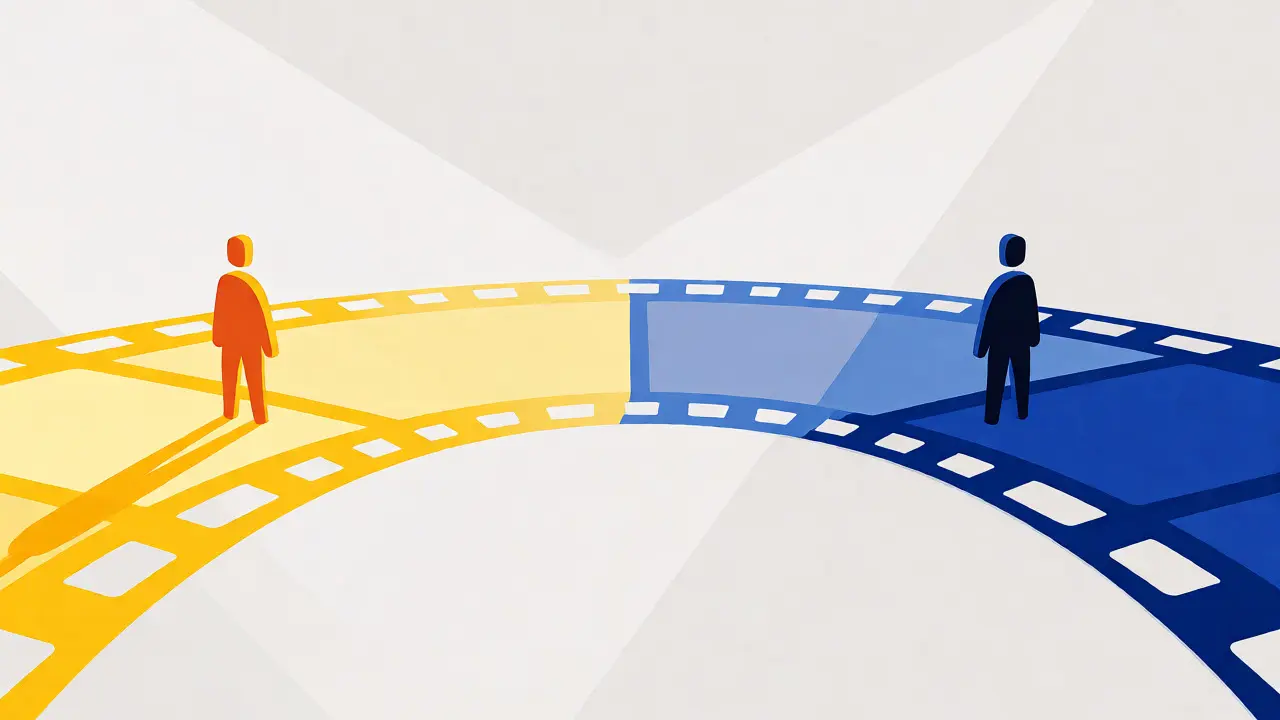
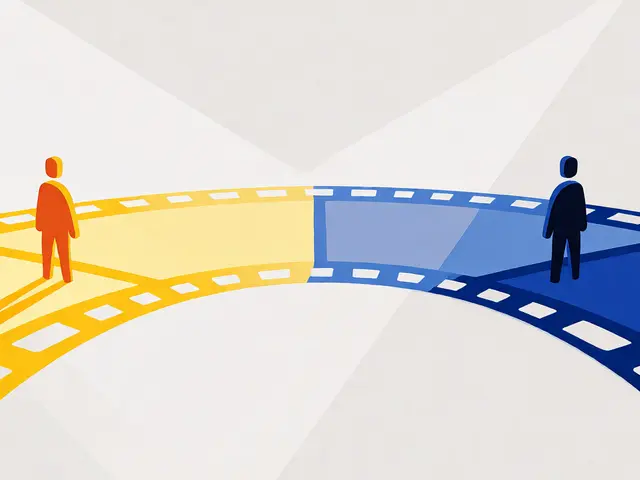
You’ve probably watched a movie where the hero stands on one side of a bridge and the villain on the other. It feels dramatic, right? But have you ever stopped to ask why that setup works so well? That’s not just good directing; it’s structuralism at work. Structuralism in film is a theoretical framework that treats movies like languages. It suggests that meaning isn’t hidden inside individual shots or lines of dialogue, but emerges from the relationships between them. Specifically, it focuses on how binary oppositions-pairs of contrasting concepts like light/dark or order/chaos-drive the narrative forward.
If you’re tired of vague interpretations about what a scene "feels" like, this approach gives you a toolkit. You can actually map out how a story functions. Let’s break down how these opposing forces shape the stories we love, why they matter more than character psychology, and how you can spot them in your favorite films.
The Core Idea: Meaning Through Difference
Before we get into specific pairs, you need to understand the root concept. Structuralism borrows heavily from linguistics, specifically the work of Ferdinand de Saussure. He argued that words don’t have inherent meaning. The word "cat" doesn’t look or sound like a cat. It only means something because it isn’t "bat," "hat," or "mat." Meaning comes from difference.
Film theorists like Christian Metz applied this logic to cinema. A shot of a gun isn’t just a gun. Its meaning shifts depending on whether it’s placed next to a flower (threat vs. beauty) or a police badge (crime vs. law). In structuralist analysis, the plot isn’t a sequence of events happening to people; it’s a system of signs interacting. The protagonist isn’t a real person with a soul; they are a position in a structure. This might sound cold, but it explains why certain plots feel satisfying while others feel flat. If the structural balance is off, the story collapses.
Identifying Binary Oppositions
The heart of structuralist film analysis is the binary opposition. These are fundamental contrasts that cultures use to make sense of the world. They aren’t random. They reflect deep-seated anxieties and values. When you watch a film, look for these recurring pairs. They usually manifest visually, thematically, or through character roles.
Common binaries include:
- Nature vs. Culture: Think of Jaws. The shark represents untamed nature, while the town of Amity represents culture and order. The conflict arises when nature intrudes on culture.
- Light vs. Dark: This is the most visual binary. In noir films, shadows hide truth, while light exposes it. But structuralists note that this isn’t always moral. Sometimes light blinds, and darkness protects.
- Order vs. Chaos: Westerns thrive on this. The sheriff brings order; the outlaw brings chaos. The narrative arc is the struggle to restore order.
- Male vs. Female: Traditional narratives often code action as male and passivity as female. Modern films disrupt this by swapping the codes.
Here is a quick reference table for spotting these structures in popular genres.
| Genre | Primary Binary | Secondary Binary | Narrative Resolution |
|---|---|---|---|
| Horror | Living vs. Dead | Domestic vs. Wild | Restoration of domestic safety |
| Sci-Fi | Human vs. Machine | Known vs. Unknown | Coexistence or destruction |
| Romance | Self vs. Other | Duty vs. Desire | Union of opposites |
| Noir | Truth vs. Deception | City vs. Wilderness | Ambiguous collapse of order |
How Binaries Drive Narrative Function
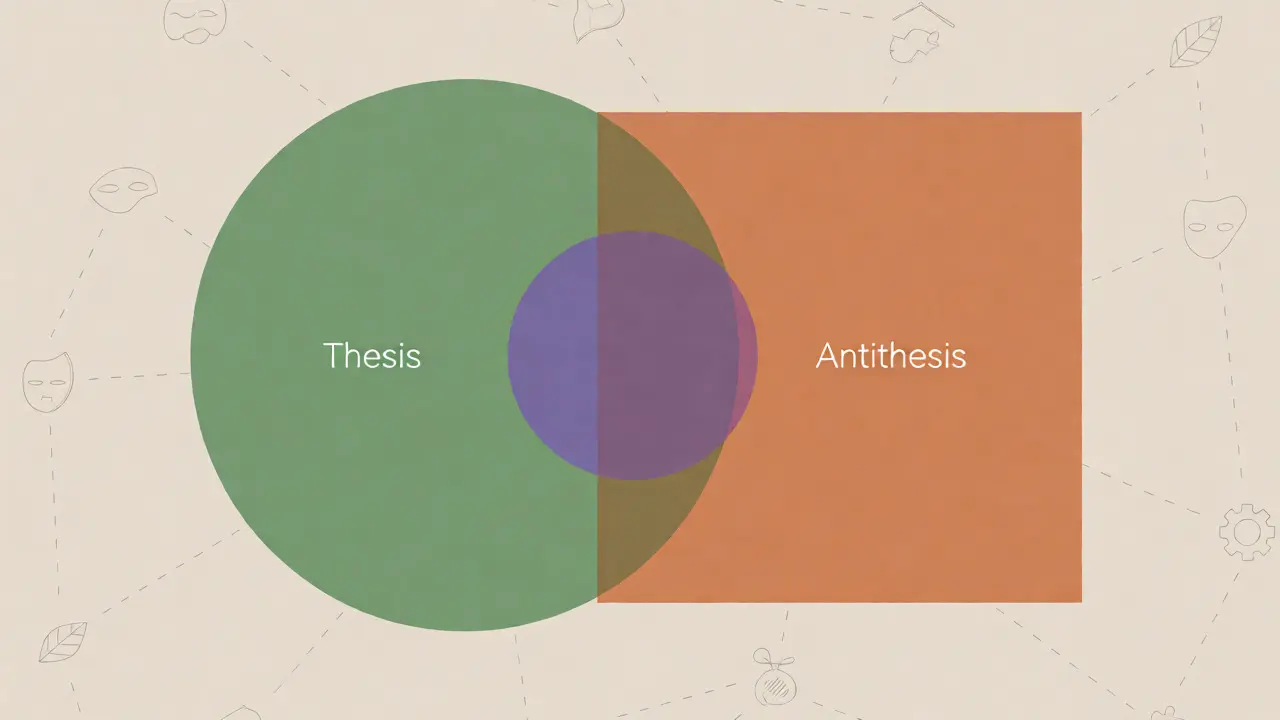
So, how do these pairs actually move the plot? They create tension. A story begins when a stable binary is disrupted. For example, in Star Wars, the Force is initially balanced. The Empire represents a rigid, technological order that suppresses natural magic (the Jedi). Luke Skywalker enters the middle of this clash. His journey isn’t just about saving a princess; it’s about resolving the structural contradiction between technology and mysticism.
Structuralists argue that characters exist to embody these positions. Darth Vader isn’t just evil; he embodies the extreme of technological control. Yoda embodies ancient tradition. Luke is the synthesis. The narrative function is the movement from thesis (Empire) to antithesis (Rebels) to synthesis (New Republic). Once the synthesis is reached, the binary dissolves, and the story ends. If a sequel tries to restart the same binary without changing the terms, audiences often complain that it feels repetitive. Why? Because the structural resolution was already achieved.
This also explains why some villains feel weak. If the villain doesn’t represent a credible opposite force to the hero’s worldview, the structural tension fails. The conflict becomes personal rather than systemic, which lowers the stakes in a structuralist view.
Claude Lévi-Strauss and Myth Analysis
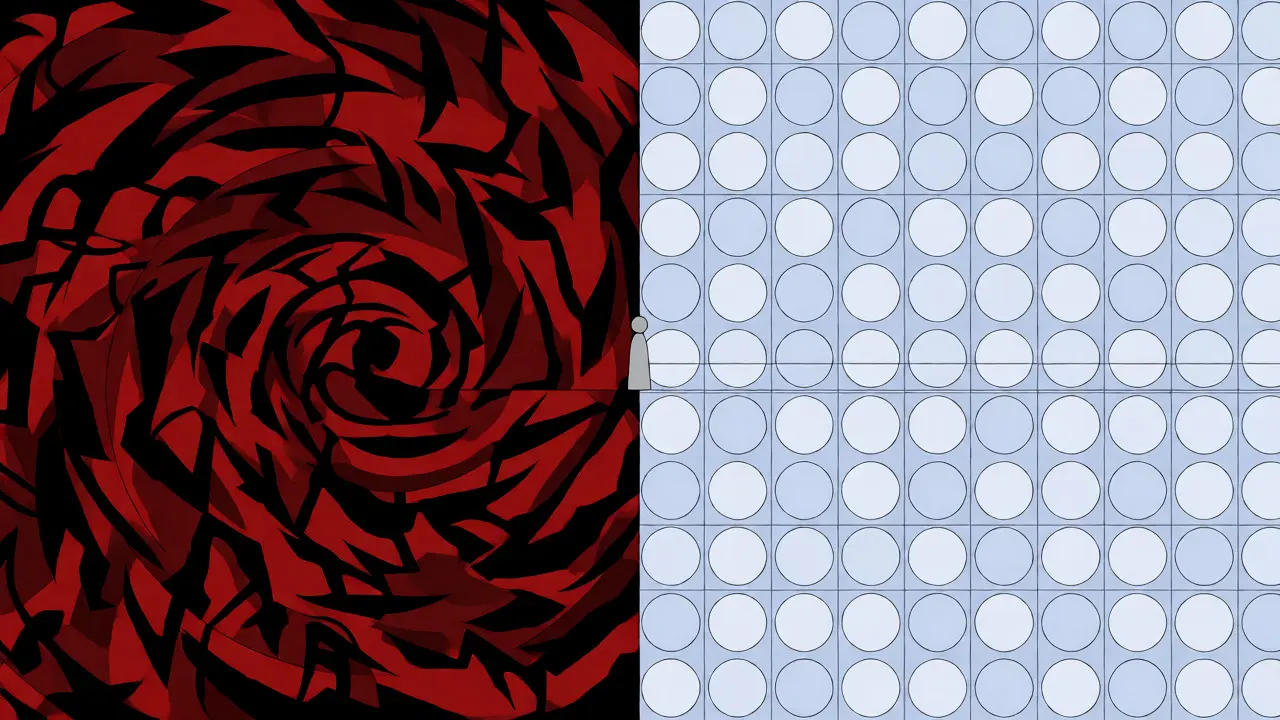
You can’t talk about structuralism without mentioning Claude Lévi-Strauss. An anthropologist, he studied myths across different cultures and found they all used similar binary structures to process human contradictions. He believed myths try to resolve unresolvable conflicts, like life vs. death or raw vs. cooked food.
Film scholars adapted his method to analyze movies as modern myths. Take Mad Max: Fury Road. On the surface, it’s a chase movie. Structurally, it’s about the binary of Resource vs. Waste. Immortan Joe hoards water and fuel (resources), creating a society based on scarcity. Furiosa and Max represent the redistribution of those resources. The chase isn’t just physical; it’s a structural attempt to break the monopoly of power. By viewing the film through this lens, you see that the explosions and car crashes are just visual metaphors for the breaking of a social structure.
Limitations of the Structuralist Lens
Is structuralism perfect? No. It has blind spots. Because it focuses on systems, it often ignores individual agency. Characters become chess pieces moved by the board’s rules. This can feel reductive. What about the actor’s performance? What about the director’s unique style? Structuralism tends to flatten these elements.
Also, it assumes binaries are universal. But culture shapes meaning. In some Eastern cinemas, the binary of Individual vs. Society is resolved differently than in Hollywood. Hollywood often resolves it by the individual triumphing over society. In many Japanese films, harmony with society might be the resolution. Applying a Western structuralist template to non-Western films can lead to misinterpretation.
Furthermore, post-structuralists criticize the idea that binaries are stable. Jacques Derrida argued that one term in the pair always dominates the other (e.g., speech over writing). In film, this dominance shifts. Early cinema favored visual storytelling (image) over dialogue (text). Later, sound changed the hierarchy. Recognizing these shifts adds depth to your analysis.
Practical Application: Analyzing Your Favorite Scene
Want to try this yourself? Pick a pivotal scene. Don’t ask "What happens?" Ask "What opposes what?"
- Identify the dominant binary. Is it silence/noise? Inside/outside?
- Map the characters. Who represents each pole? Does anyone switch sides?
- Check the visuals. How does lighting or framing reinforce the split? Are there literal barriers (doors, fences)?
- Find the disruption. What event breaks the initial balance?
- Observe the resolution. Do the poles merge, or does one destroy the other?
For instance, in the shower scene from Psycho, the binary is Public/Private. Marion Crane is exposed (public vulnerability) while Norman Bates is hidden (private obsession). The knife cuts through the barrier of privacy, merging the two spaces violently. The shower curtain acts as the boundary marker. When it falls, the structural separation collapses.
Why This Matters for Creators
If you write or edit videos, understanding binary oppositions helps you build clearer narratives. You don’t need to write a philosophy paper. Just ensure your central conflict has clear opposing forces. If your hero wants freedom, define what restricts them clearly. If your video essay compares two products, frame it as a binary choice (Speed vs. Cost) to keep the argument tight.
It also helps in editing. Cut sequences that don’t advance the structural tension. If a scene doesn’t clarify the opposition, it might be filler. Structuralism reminds us that every element should serve the relationship between the core contrasts.
What is the main goal of structuralist film analysis?
The main goal is to uncover the underlying structures that produce meaning in a film, rather than focusing on the intentions of the director or the psychological state of the characters. It looks at how signs relate to each other.
Are binary oppositions always moral judgments?
No. While some binaries like Good/Evil carry moral weight, others like Nature/Culture or Raw/Cooked are descriptive categories. Structuralism analyzes how these categories interact, not necessarily which one is "better."
How does structuralism differ from psychoanalytic film theory?
Psychoanalytic theory focuses on desire, the unconscious, and the viewer's gaze. Structuralism focuses on language, syntax, and systematic relationships. One looks inward at the mind; the other looks outward at the system of signs.
Can a film have multiple binary oppositions?
Yes, complex films often layer several binaries. A primary binary might drive the main plot, while secondary binaries support subplots. However, structuralists look for the dominant structure that organizes the others.
Is structuralism still relevant today?
While pure structuralism peaked in the 1960s and 70s, its tools remain useful. Post-structuralism and narratology evolved from it. Understanding binaries helps in analyzing genre conventions and marketing strategies in modern media.