31
Aspect Ratio as Theme: How Framing Shapes Narrative Meaning
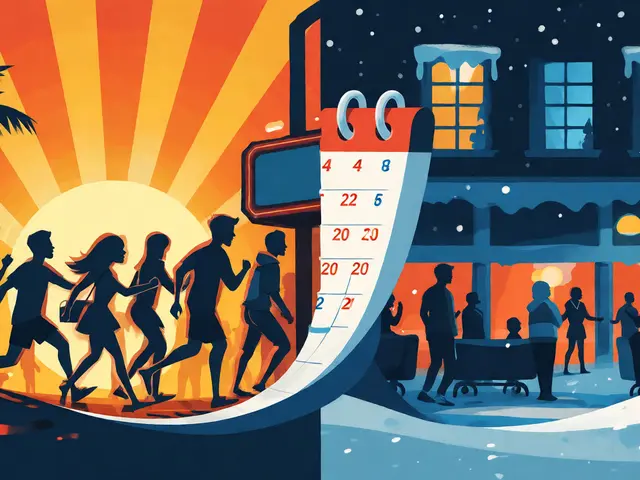
You might think the shape of your screen is just a technical detail, something you pick in post-production or check on your camera menu. But look closer at any great film, and you'll see that aspect ratio is a narrative weapon. It’s not just about fitting into a theater seat; it’s about how much world you show the audience and, more importantly, what you choose to hide.
Think about the last time you watched a movie that felt claustrophobic. Was it because the characters were trapped? Or was it because the frame itself was closing in on them? Directors use aspect ratios-the proportional relationship between width and height-to control tension, intimacy, and scale. When Christopher Nolan switches from IMAX to standard widescreen in Interstellar, he isn’t just changing formats; he’s telling you when to feel small and when to feel close.
The Psychology of Width and Height
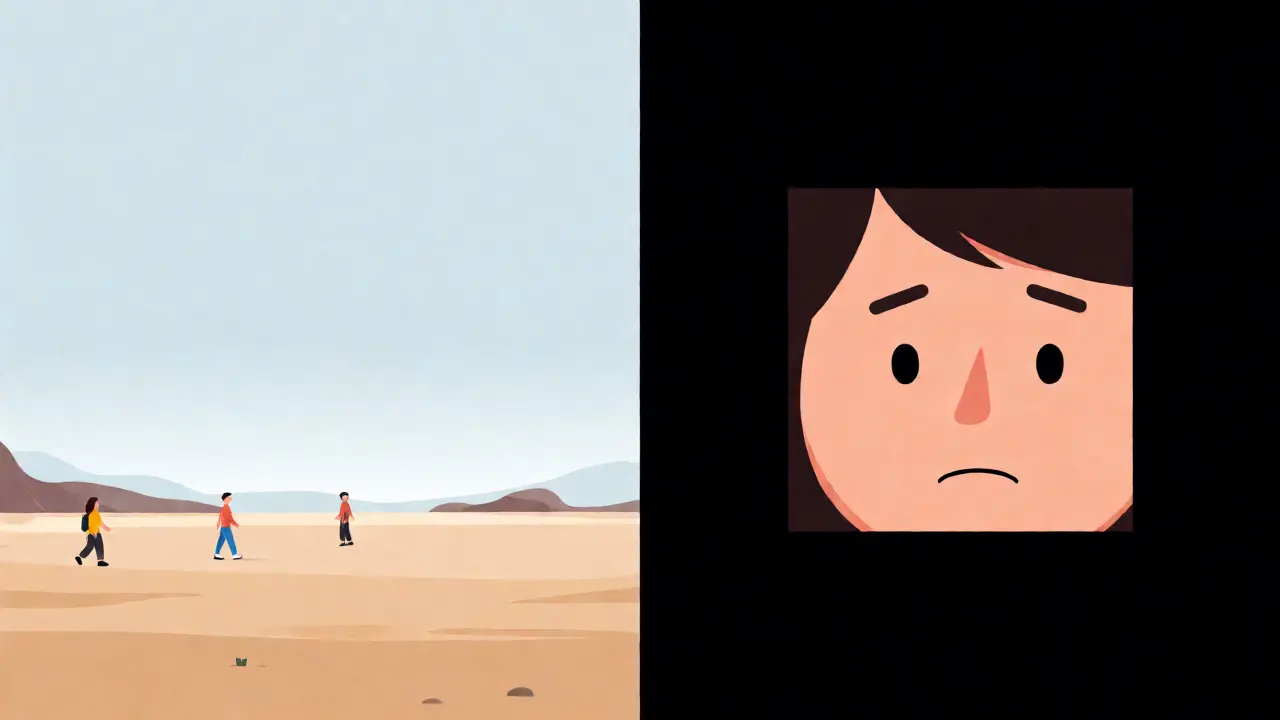
Why does a wide frame feel epic while a square frame feels personal? It comes down to human vision and cognitive load. Our eyes are horizontal. We scan left to right. A widescreen aspect ratio, like 2.39:1, aligns with our natural field of view for landscape and movement. It invites us to look around, to explore the environment. This is why action movies and epics love it. You have space for cars to chase each other, for armies to march, for horizons to stretch.
Now flip that logic. A narrower frame, say 4:3 (or 1.33:1), forces the eye upward and downward. It restricts peripheral vision. Suddenly, the background matters less, and the face matters more. This is why period dramas or intense character studies often revert to this older format. It creates a sense of confinement or historical authenticity without a single line of dialogue. The frame becomes a cage, or a portrait, depending on the story being told.
Historical Shifts That Changed Storytelling
Cinema didn’t always start wide. In the early days, Academy Ratio (1.37:1) was the standard. It matched the TV screens of the 1950s. But when television started eating into cinema’s market share, Hollywood needed a reason for people to leave their living rooms. Enter CinemaScope. By stretching the image wider than the human eye could comfortably take in at once, filmmakers created spectacle. You had to move your head to see everything. That physical engagement became part of the experience.
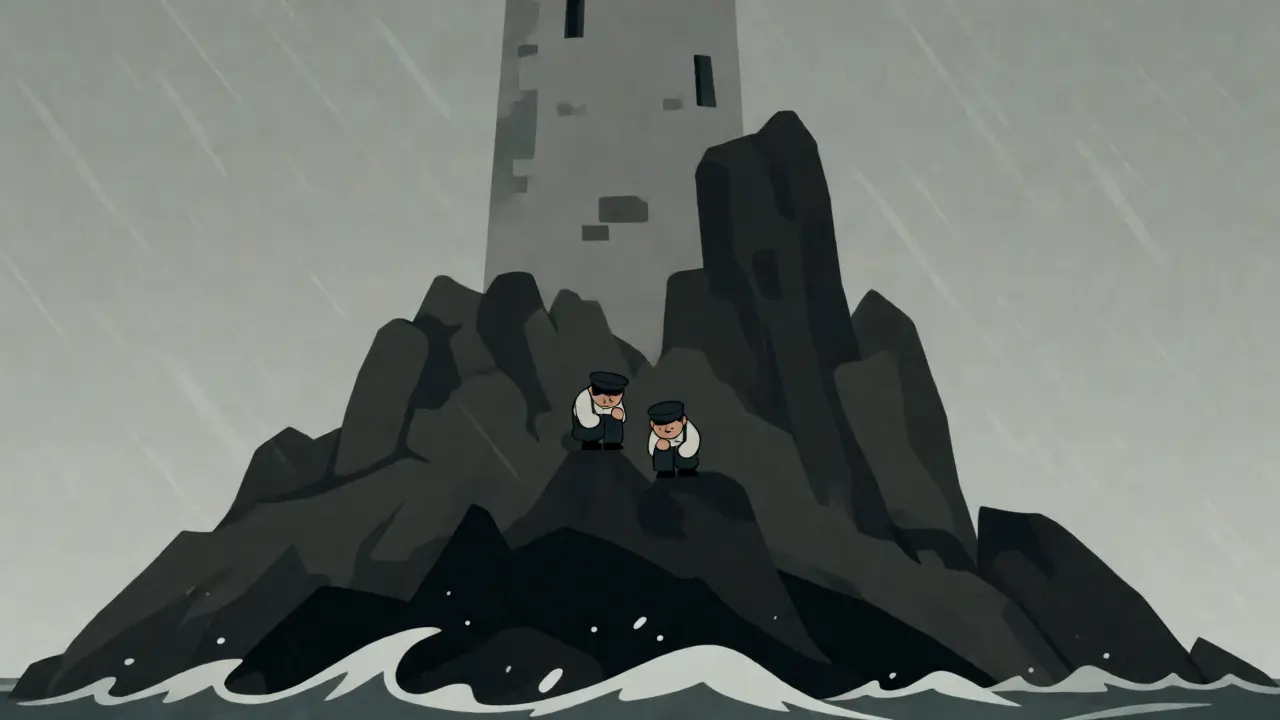
This history matters because modern directors are now using these old tools against expectations. If you shoot a modern thriller in 4:3, it feels retro, yes, but it also feels unstable. The audience subconsciously expects widescreen. Breaking that rule creates unease. Look at The Lighthouse (2019). Robert Eggers used a near-square 1.19:1 ratio. It wasn’t just an homage to silent films; it mirrored the isolation of two men trapped on a rock. The walls of the frame pressed in on them, literally reflecting their psychological breakdown.
Choosing Your Frame: A Decision Matrix
So, how do you decide which ratio serves your story? It’s not arbitrary. Each choice carries specific semantic weight. Here is a breakdown of common ratios and their narrative implications:
| Aspect Ratio | Visual Effect | Narrative Use Case | Famous Example |
|---|---|---|---|
| 2.39:1 (Anamorphic Widescreen) | Epic, expansive, cinematic | Action, landscapes, ensemble casts | Mad Max: Fury Road |
| 1.85:1 (Standard Widescreen) | Balanced, realistic, neutral | Dramas, comedies, general fiction | The Godfather |
| 1.66:1 (European Widescreen) | Slightly taller, intimate | Art-house films, character-driven stories | Parasite |
| 1.33:1 (Full Screen/4:3) | Confined, portrait-like, nostalgic | Period pieces, horror, psychological thrillers | The Grand Budapest Hotel |
| 1:1 (Square) | Static, confrontational, digital-native | Music videos, social media content, experimental art | Mommy (1:1 usage) |
Notice how Wes Anderson uses different ratios within one film. In The Grand Budapest Hotel, he shifts between 1.37:1, 2.35:1, and 1.85:1 to mark different time periods. The audience learns to read the shape of the frame as a timestamp. It’s a clever shortcut that saves exposition.
Breaking the Fourth Wall with Format
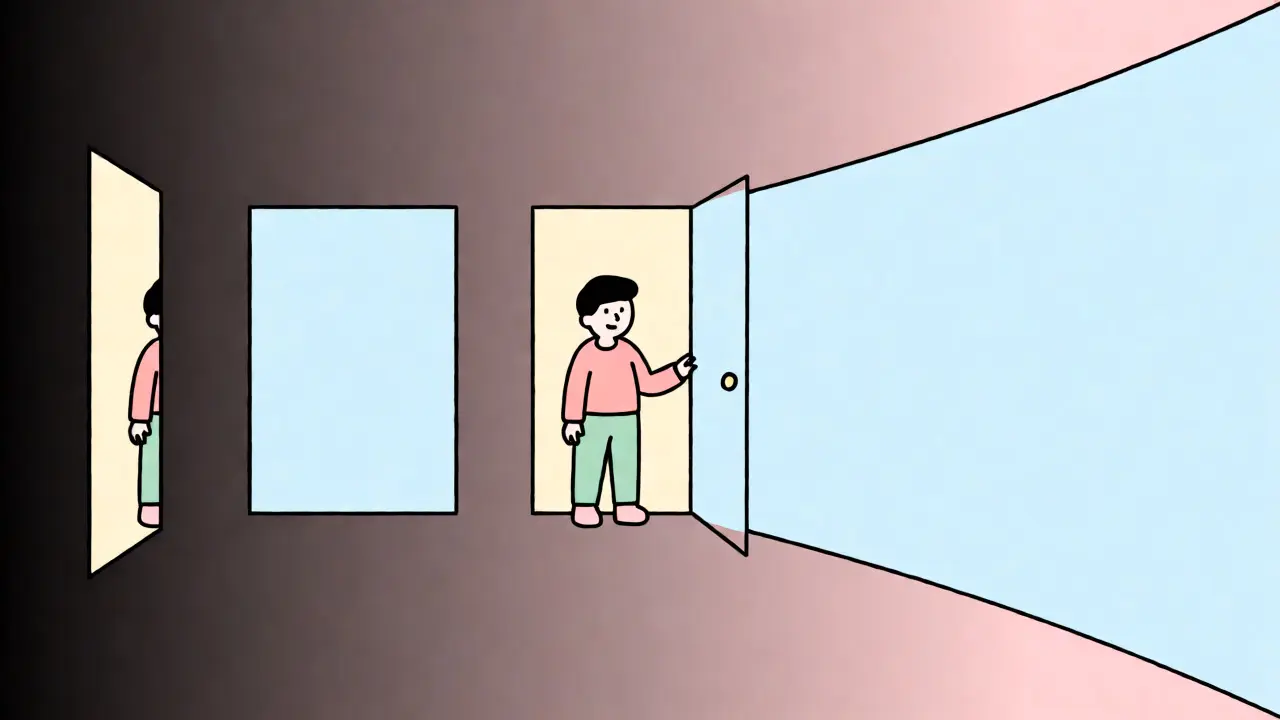
Some filmmakers use aspect ratio changes mid-film to signal a shift in reality. This technique disrupts the viewer’s comfort zone. When the frame expands, it can feel like a release of tension or an opening up of possibilities. When it contracts, it feels like a trap springing shut.
Consider Grand Budapest Hotel again. The change isn’t just aesthetic; it’s structural. It tells you which timeline you’re in without a title card. Similarly, in Inception, the dream layers don’t change aspect ratios, but many critics argue they should have. Imagine if the deeper you went into dreams, the narrower the frame became, symbolizing the loss of external reality. Some indie films actually do this. They shrink the frame as the protagonist loses grip on sanity.
This dynamic approach requires careful planning. You can’t just crop in post-production without losing resolution or quality. You need to compose for the widest shot you’ll use, then mask out the sides later, or shoot with enough headroom and side room to allow for cropping. It’s a logistical challenge that pays off if the narrative needs it.
Practical Tips for Filmmakers
If you’re shooting today, whether on a smartphone or a RED camera, here’s how to leverage aspect ratio intentionally:
- Pre-visualize the final frame: Don’t just look through the viewfinder. Mark your monitor with guides for your target ratio. See what gets cut off before you hit record.
- Match the platform: If your film is for Instagram Reels or TikTok, vertical (9:16) is king. But if it’s for a festival, stick to traditional cinematic ratios. Know where your audience will watch.
- Use negative space wisely: In a wide frame, empty space on the sides can mean loneliness or anticipation. In a tall frame, empty space above the head can mean oppression or spiritual presence.
- Consistency vs. Variation: Decide early if you want one consistent look or if you’ll vary the ratio. Mixing them without a clear narrative reason looks like a mistake, not a choice.
Remember, the frame is the first thing the audience sees. Before they hear a word, they’ve already judged the mood based on the shape of the window you’re showing them through. Make sure that window says what you want it to say.
What is the most common aspect ratio for cinema?
The most common aspect ratio for modern theatrical releases is 2.39:1, often referred to as Scope. However, 1.85:1 is also widely used for dramas and comedies because it offers a good balance between width and height without feeling too extreme.
Does aspect ratio affect how emotional a scene feels?
Yes. Narrower frames like 4:3 tend to create feelings of intimacy, confinement, or nostalgia. Wider frames like 2.39:1 evoke grandeur, freedom, or isolation by emphasizing the environment over the subject.
Can I change aspect ratio during editing?
You can crop footage to change the aspect ratio in post-production, but you lose pixels and resolution. It’s best to plan your composition for the intended ratio during filming to maintain image quality and creative control.
Why did old movies use 4:3?
Early cinema and television standards aligned around 4:3 (1.33:1) because it was technically easier to project and fit well on early TV sets. It remained the industry standard until the rise of widescreen formats in the 1950s.
How does aspect ratio impact mobile viewing?
Mobile devices favor vertical or square formats. Traditional widescreen films appear small on phones unless cropped or letterboxed heavily. Creators targeting mobile audiences often design compositions that work in both orientations or prioritize vertical storytelling.